Quick answer
Why does floss smell bad in one spot? The usual reason is local buildup between two teeth, where bacteria in plaque break down trapped food and release an unpleasant odor.
The smell alone can't tell you whether you have decay or gum disease. If the same gap keeps smelling despite gentle daily cleaning, book a dental check. Go sooner if you also have pain, swelling, bleeding, a bad taste, or a loose tooth.
Why one smelly gap is different from general bad breath
A single gap points toward a local cause, but the floss isn't a reliable test of your breath as a whole.
Merck Manual explains that mouth bacteria turn food particles into foul-smelling substances. Plaque and inflamed gum pockets can hold more of those bacteria. Floss then picks up the odor when it passes through that small area.
If many spaces smell after you haven't flossed for a while, general plaque buildup is more likely. One repeat offender deserves a closer look because something may keep trapping debris there.
You can't identify the cause by smell strength because a sharp, rotten, or sulfur-like odor doesn't prove a tooth is infected.
The most likely causes
Trapped food and plaque
The simplest explanation is that toothbrush bristles don't clean tight contacts well, according to the American Dental Association. Food and bacterial plaque can remain until floss or another interdental cleaner removes them.
An occasional smell may follow meat, seeds, or other food getting stuck, then settle with normal cleaning. It matters more when food jams into the same gap after most meals.
A recurring food trap
Some spaces collect food because the contact between the teeth is open or the bite pushes food downward. Tooth position, worn surfaces, gum recession, and the shape of a filling or crown can also matter.
A 2023 review examined 72 papers on food impaction. It found several possible causes, including contact loss, bite problems, tooth shape, tooth position, and loss of gum tissue between teeth. The right fix depends on the cause.
Clues include food repeatedly packing into the gap or floss repeatedly catching. These clues don't identify the cause, so a dentist needs to inspect the contact and nearby dental work.
Inflamed gums
Plaque along the gumline can cause gingivitis. The NHS lists bleeding, redness, swelling, soreness, bad breath, and a bad taste among the signs of gum disease.
Bleeding once after rough flossing may reflect technique, but repeat bleeding from the same site during gentle cleaning is different. Don't keep snapping the floss into that gum to test it.
Decay or a problem beside dental work
Decay between teeth or a damaged restoration can create a rough area that holds plaque and food. Odor alone can't separate these from a simple food trap.
Sensitivity, pain when biting, a persistent bad taste, or floss that always catches makes an examination more useful. Some problems between teeth aren't easy to see in a mirror.
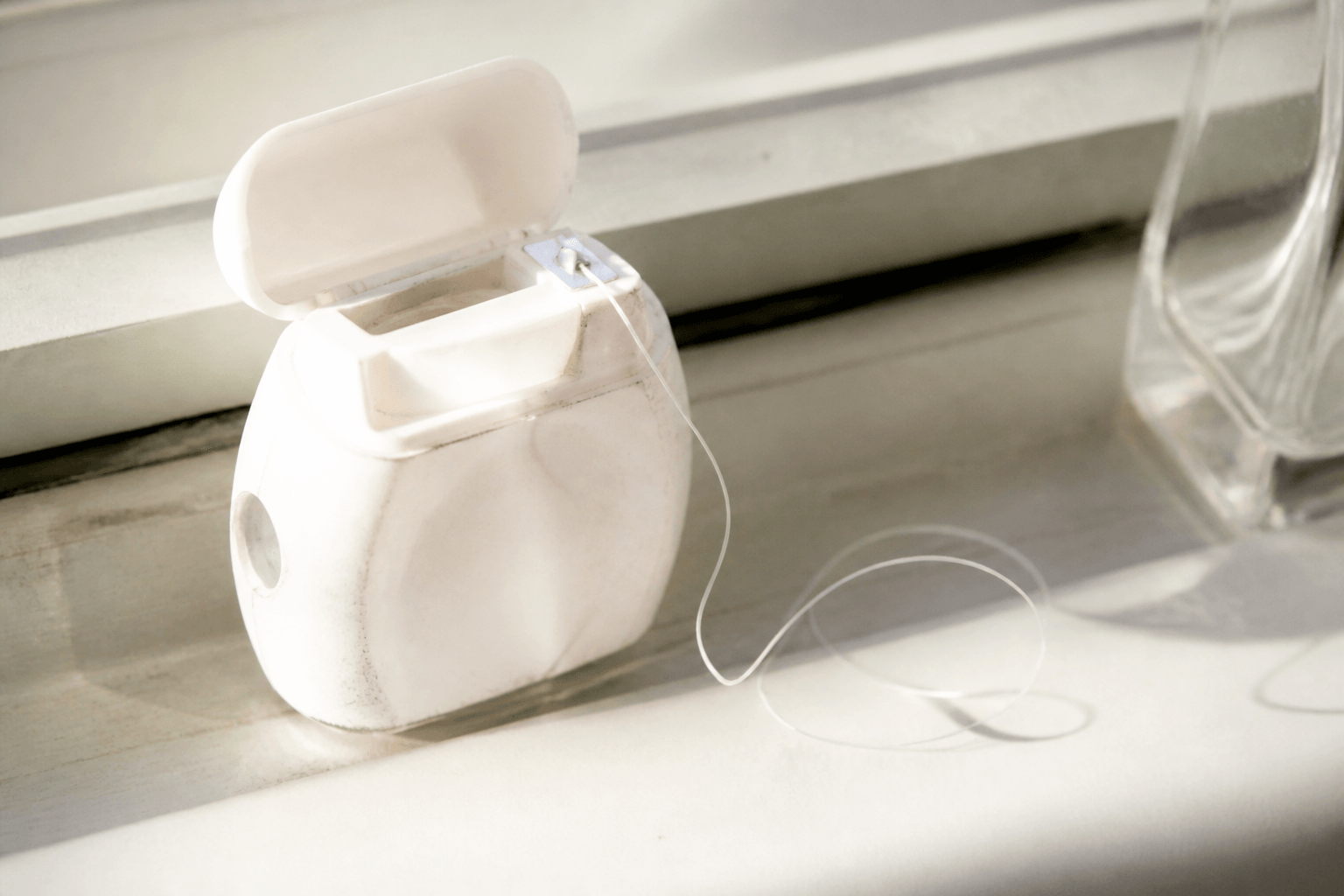
What to do at home
Start with careful cleaning, not aggressive cleaning.
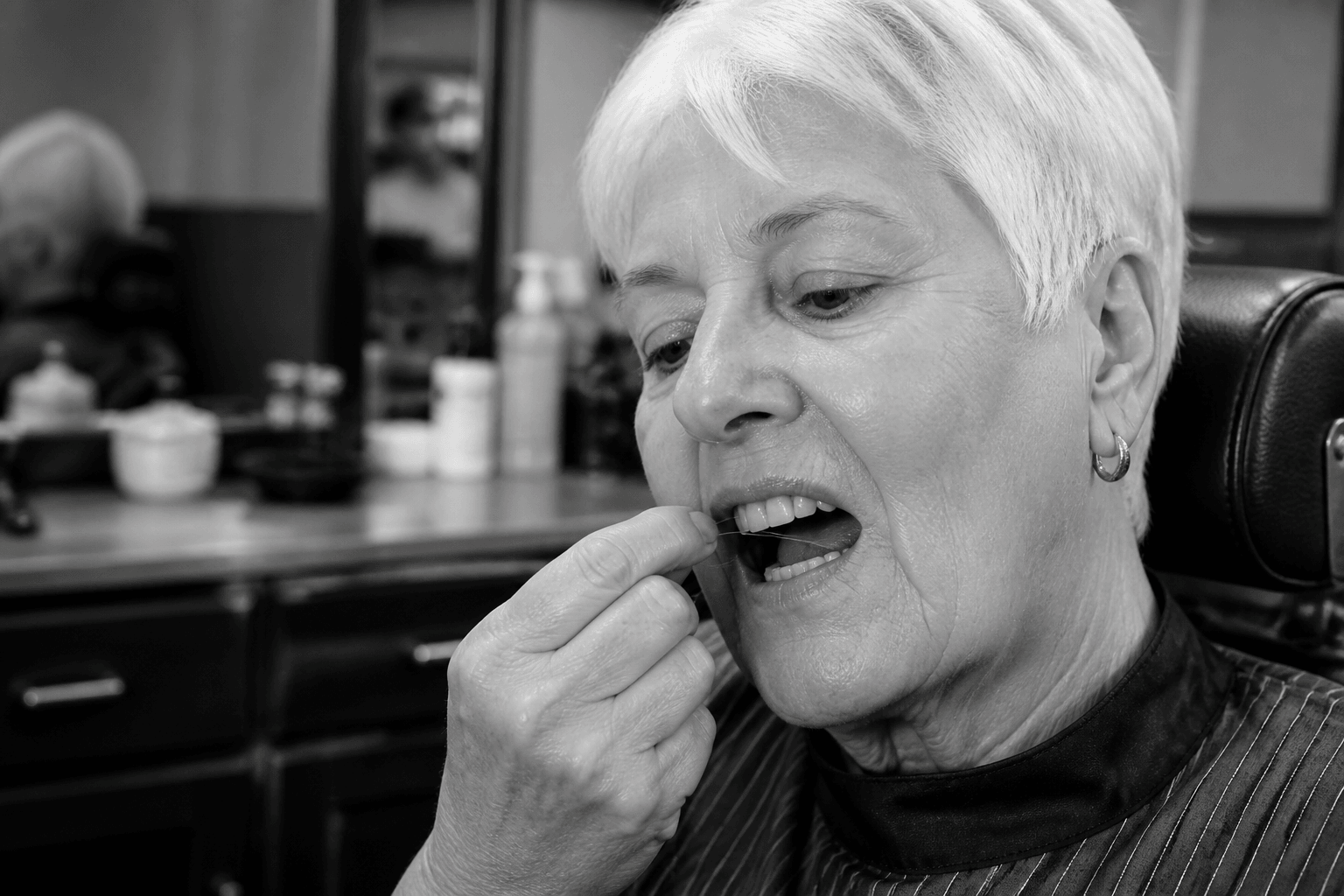
- Use a fresh piece of floss and guide it through the contact without snapping it.
- Curve the floss around one tooth in a C shape. Move it gently up and down the side.
- Repeat against the neighboring tooth, then use a clean section for the next gap.
- Brush twice daily with fluoride toothpaste. Clean between your teeth once each day.
- Notice whether the same space traps food, bleeds, hurts, catches floss, or feels unusually loose.
The ADA notes that floss suits tight spaces, while interdental brushes may suit wider spaces. A dentist or hygienist can help choose the right size, so don't force a brush into a contact that won't accept it.
A water flosser is another option, but it isn't a home test for decay. Cochrane found that several interdental devices may reduce gingivitis when added to brushing. Confidence in the evidence was low, and results varied by device.
Avoid needles, pins, hard scraping, household bleach, and concentrated peroxide. They can injure your gum or tooth without fixing the reason food collects there. Mint products may cover an odor, but they can't repair an open contact or cavity.
When to book a dentist
There is no research-backed number of days that makes a smelly floss site normal or abnormal, so the pattern matters more.
Arrange a routine appointment if the same spot keeps smelling despite daily cleaning. Also book if food repeatedly packs there, floss shreds, or the gum keeps bleeding. Mention any recent filling, crown, implant, aligner, or change in your bite.
A dentist can check the tooth surfaces, gum depth, contact, and nearby restoration. They may recommend professional cleaning or another test based on what they find. More mouthwash won't remove tartar, and home care can't repair decay.
Ask for an urgent dental appointment if you develop strong toothache, worsening swelling, pus, fever, or a loose adult tooth. The NHS advises emergency care when mouth swelling makes breathing, speaking, or swallowing difficult.
Localized floss odor without those symptoms is usually not an emergency, but it deserves a check when it keeps returning.
FAQ
Does smelly floss mean my breath smells?
Not necessarily. Floss can pick up concentrated debris from one small space even when other people don't notice bad breath. Persistent bad breath or a constant bad taste needs a dental check, especially with sore or bleeding gums.
Why does floss smell even though I brush?
A toothbrush doesn't clean tight spaces between teeth well. Floss or another suitable interdental cleaner reaches those surfaces. If the same space still smells after daily cleaning, brushing harder won't rule out a food trap, gum pocket, or decay.
Should I stop flossing if that spot bleeds?
Don't stop all interdental cleaning because of mild bleeding. Use gentle technique and avoid snapping the strand into your gum. If the same area keeps bleeding, feels sore, or swells, ask a dentist to examine it.
Can a water flosser fix the smell?
A water flosser may help remove debris and may reduce gingivitis alongside brushing. It can't close an open tooth contact, remove tartar, repair a filling, or treat decay. Repeated odor from one gap still needs a dental assessment.