Quick answer
Why is one tooth darker after whitening? Usually, the surrounding natural teeth lightened while that tooth responded less, or not at all. The mismatch may come from dental work, an internal stain, old trauma, or uneven gel contact. Don't keep spot-bleaching it until a dentist has checked the cause.
First, check the shade in fair conditions
Tooth color changes under different light, and a study of 29 trained dental students found fixed lighting produced more accurate shade matches than natural daylight.
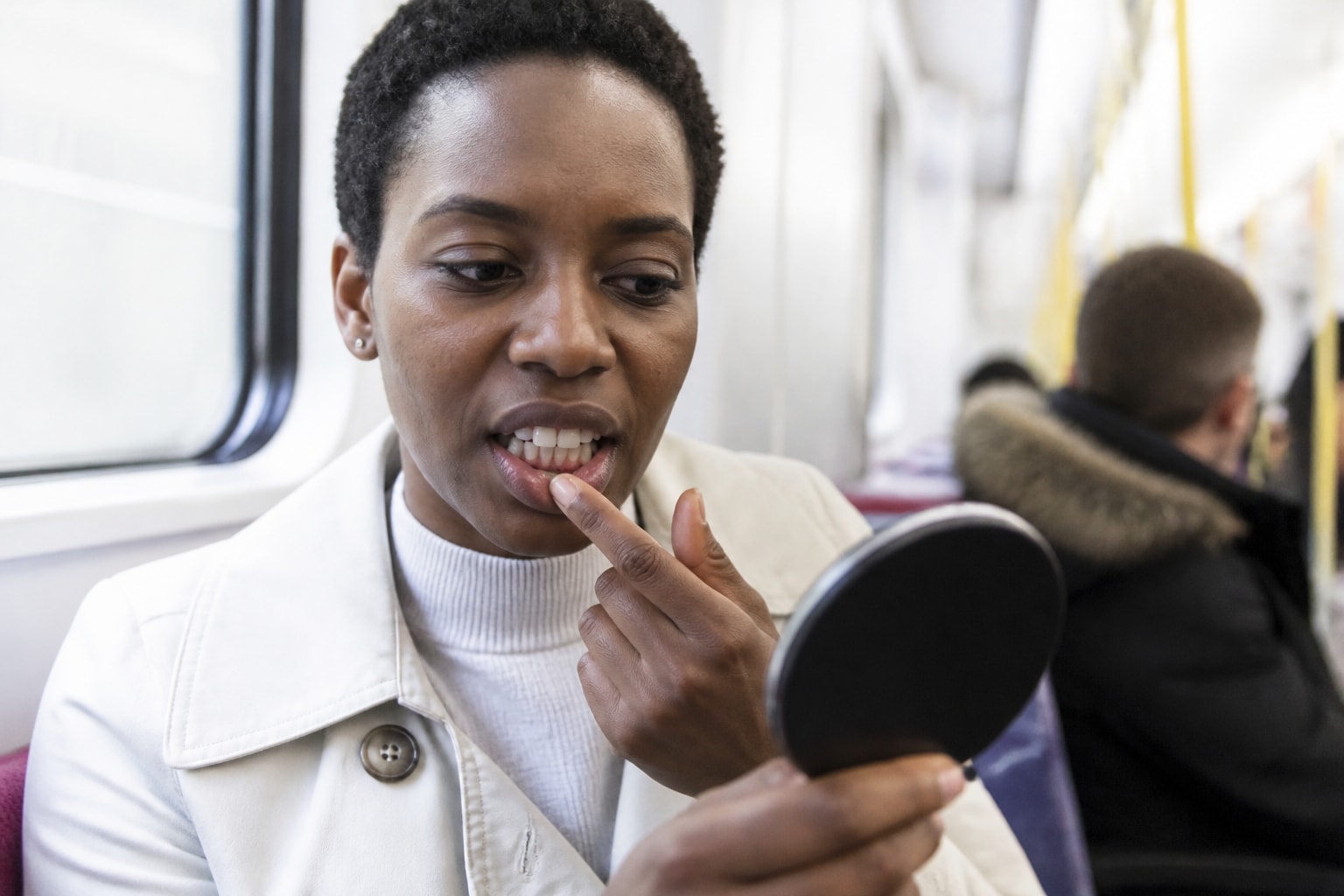
Compare the tooth in the same place, at the same time, using one neutral light source. Turn off camera filters and keep the angle, distance, and exposure fixed. If the mismatch appears in one photo but not in the mirror, lighting may be driving it.
Take one clear reference photo because repeated selfies under changing light create noise, not useful evidence. A photo can track the color difference, but it cannot tell you why the tooth is darker.
The most likely reasons
The tooth contains dental work
Peroxide can lighten natural teeth, but it doesn't lighten crowns, veneers, implants, fillings, or composite bonding, as the ADA and Leeds explain.
Dental work that matched before treatment can look darker after nearby enamel gets lighter. The dental work hasn't suddenly changed. The contrast around it has.
Front-tooth bonding can be hard to spot when the first shade match was good, so check your dental history before assuming whitening failed.
The stain sits inside the tooth
Whitening works best on some stains and poorly on others. The ADA lists decay, old metal fillings, fluorosis, childhood tetracycline exposure, and changes inside the pulp among intrinsic causes.
A past knock can darken one tooth by causing more dentin growth or damaging tissue inside it. The change may affect only that tooth while its neighbors whiten normally.
A root-treated tooth may darken from within, and standard external whitening may not correct that type of stain.
The starting shade responds differently
Teeth don't all share the same enamel, dentin, or stain history. The ADA notes that yellow shades usually respond better than brown shades, while gray tones may respond poorly.
One tooth may therefore lag during a correctly used whitening course, but that doesn't prove the tooth is unhealthy. Adding more product without knowing the cause is a poor test.
The gel contact was uneven
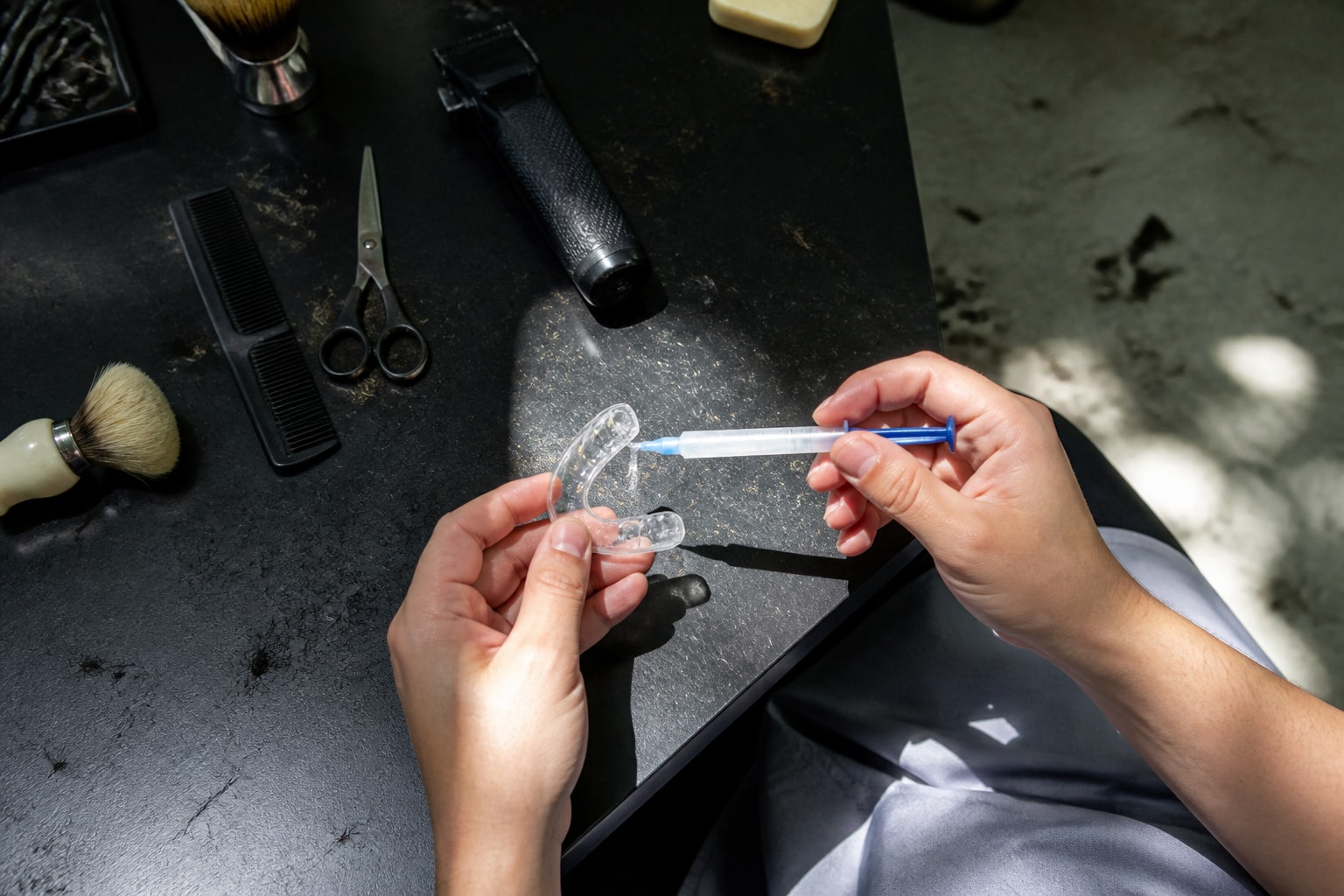
Strips, paint-on gels, and trays deliver peroxide differently, so check whether the product covered the darker tooth for the directed time. A poorly fitting tray can let gel contact the gums.
Uneven contact is more plausible when several teeth show a clear edge or band. One whole tooth staying dark points more toward its starting shade, a restoration, or an internal cause.
What to do now
Unless your dentist gave you a single-tooth plan, stop adding extra gel because overuse can irritate gums and cause tooth pain. Continuing a full-mouth course may also lighten the surrounding teeth and widen the visible mismatch.
Write down four details before your appointment:
- The product, strength, and number of treatments used
- Whether the tooth has a filling, crown, veneer, bonding, or root canal treatment
- Any old injury, even if the tooth never chipped
- Any cold sensitivity, biting pain, swelling, or recent color change
Keep the product packaging and your baseline photo because these details help a dentist separate a cosmetic mismatch from a tooth-health problem.
Don't scrape the color or use charcoal, lemon juice, abrasive powders, or high-strength gel from an unknown seller. These methods cannot reveal an internal stain or change the shade of dental work.
When to book a dentist
Book a routine dental check if the mismatch remains after the whitening course, or if the tooth was darker before treatment. A dentist can find dental work, inspect for decay, compare the shade, and test the pulp when needed. Dental X-rays may be used when the history or check points to a problem inside the tooth.
Arrange a prompt review after a recent color change, a knock, lasting cold pain, pain without a clear trigger, biting pain, or swelling. Those signs need a dental check rather than another whitening session.
Short-term sensitivity can happen with whitening, but the concern rises when one tooth behaves differently from the others or symptoms keep getting worse.
What treatment can actually match one dark tooth
The cause decides whether a dentist cleans a surface stain, adjusts whitening, or replaces a visible restoration after the final shade settles.
If the tooth still has healthy pulp, a dentist may use a controlled single-tooth bleaching plan. If it has already had root canal treatment, internal bleaching may be an option, but both approaches need a dentist's check and follow-up.
The British Dental Journal review treats living and root-treated teeth apart because the two problems can look alike but need different care.
Bonding, a veneer, or a crown can mask color that won't bleach, but each changes the tooth and needs future upkeep. Ask about the option that preserves the most healthy tooth first.
No method guarantees a perfect match, and Leeds Teaching Hospitals notes that some teeth do not change fully or keep the new shade forever.
How to track the result without chasing it
Use one photo before treatment and one at each planned review, keeping the camera, distance, lighting, exposure, and tooth position fixed. Don't compare a flash photo with a warm bathroom mirror.
Judge the tooth as part of your full smile because a zoomed crop can make a small shade gap seem larger. Keep close-up dental photos private unless you choose to share them with your dentist.
FAQ
Can a filling or crown be whitened?
No. Peroxide whitening affects natural teeth, while fillings, crowns, veneers, implants, and bonding keep their current shade. A dentist may discuss replacing visible work when a mismatch remains.
Can a root canal tooth be whitened?
Sometimes. A dentist may consider internal bleaching for a root-treated tooth after checking the root filling and nearby tissue. This isn't a do-it-yourself procedure, and the result can vary.
Is one dark tooth after whitening urgent?
Color alone doesn't show the cause or urgency. Book a dental check, and seek prompt care for a new color change with pain, swelling, biting tenderness, or recent trauma.
Will the darker tooth catch up in time?
It depends on the cause. A natural tooth may lighten under a dentist-led plan, but dental work or a deep stain won't catch up through repeated home bleaching.