Quick answer
Why does highlighter emphasize pores? Highlighter increases surface reflection, so pore edges and small bumps can contrast more with the surrounding skin. It hasn't suddenly enlarged your pores. It has changed how light describes their shape.
Use less product, choose a fine sheen and move the strongest glow away from texture-heavy areas. Test the result under the lighting where you'll be seen.
Your pores haven't suddenly changed
Pores are normal openings for hair follicles and oil. Their visibility varies with genetics, oil, congestion, skin firmness and inflammation. The American Academy of Dermatology says these factors can make pores look more noticeable.
Highlighter creates a faster change. Reflective pigment raises the brightness of selected areas without changing the underlying pore structure.
That distinction matters. You don't need to attack your skin because one makeup product looks unflattering under one light.
Why reflective makeup reveals texture
A 2021 study used polarized photography to separate surface and subsurface reflections from facial skin. The researchers found that stronger contrast in surface reflection had a clear effect on perceived gloss.
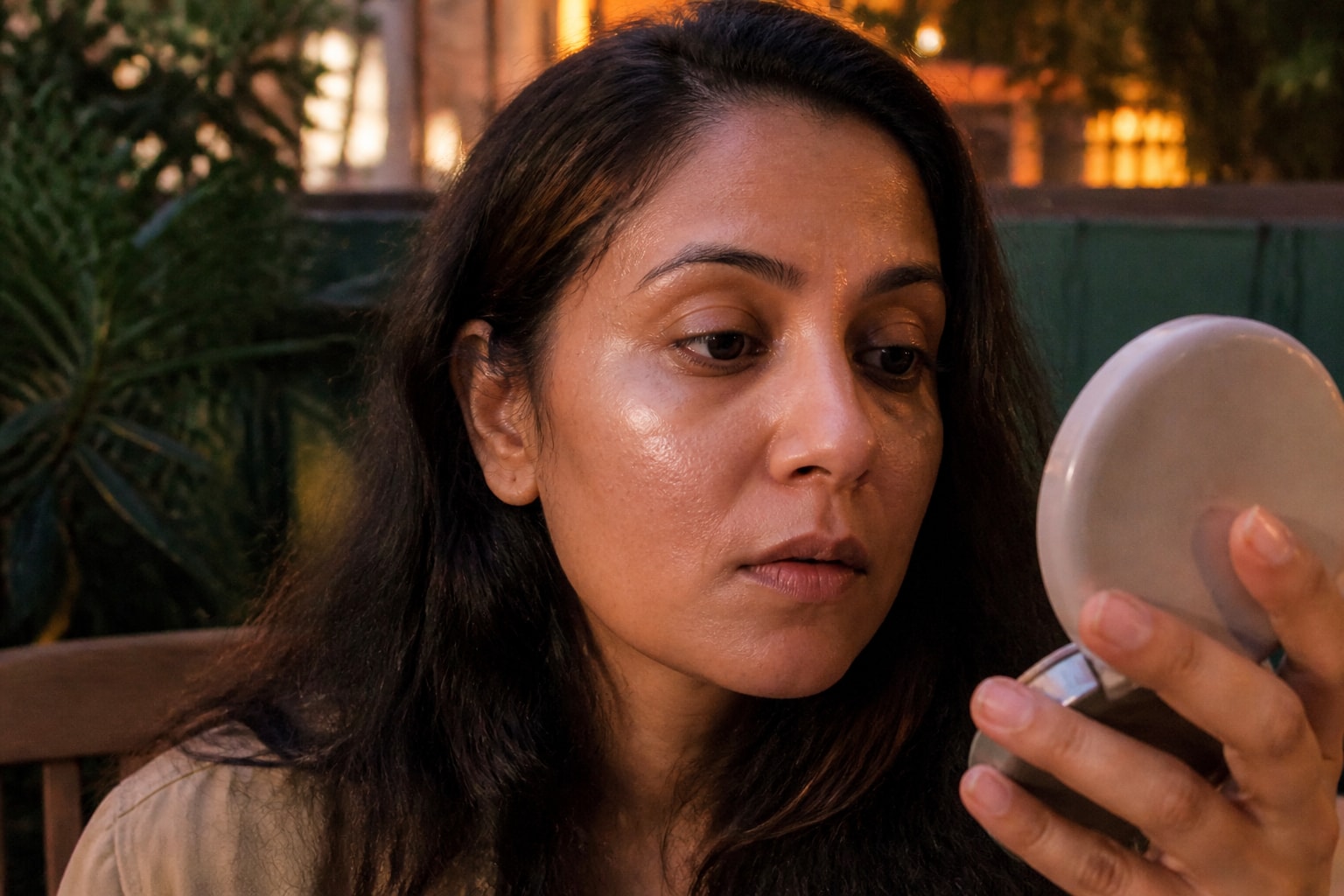
Highlighter is designed to add that surface contrast. A smooth area may read as glowing. On an uneven area, each small slope reflects light at a different angle. Pore edges, dry flakes and raised spots can then become easier to see.
Pigment design matters too. A 2015 cosmetic-science study tested creams containing different pearlescent effect pigments. The researchers measured changes in gloss, whiteness and radiance using facial photographs. Particle size, pigment choice and coverage were part of the optical result.
These studies explain the mechanism, but they didn't rank retail highlighters by pore visibility. A formula that looks smooth on someone else may behave differently on your skin and base makeup.
Five reasons the effect looks stronger
1. The finish is too reflective
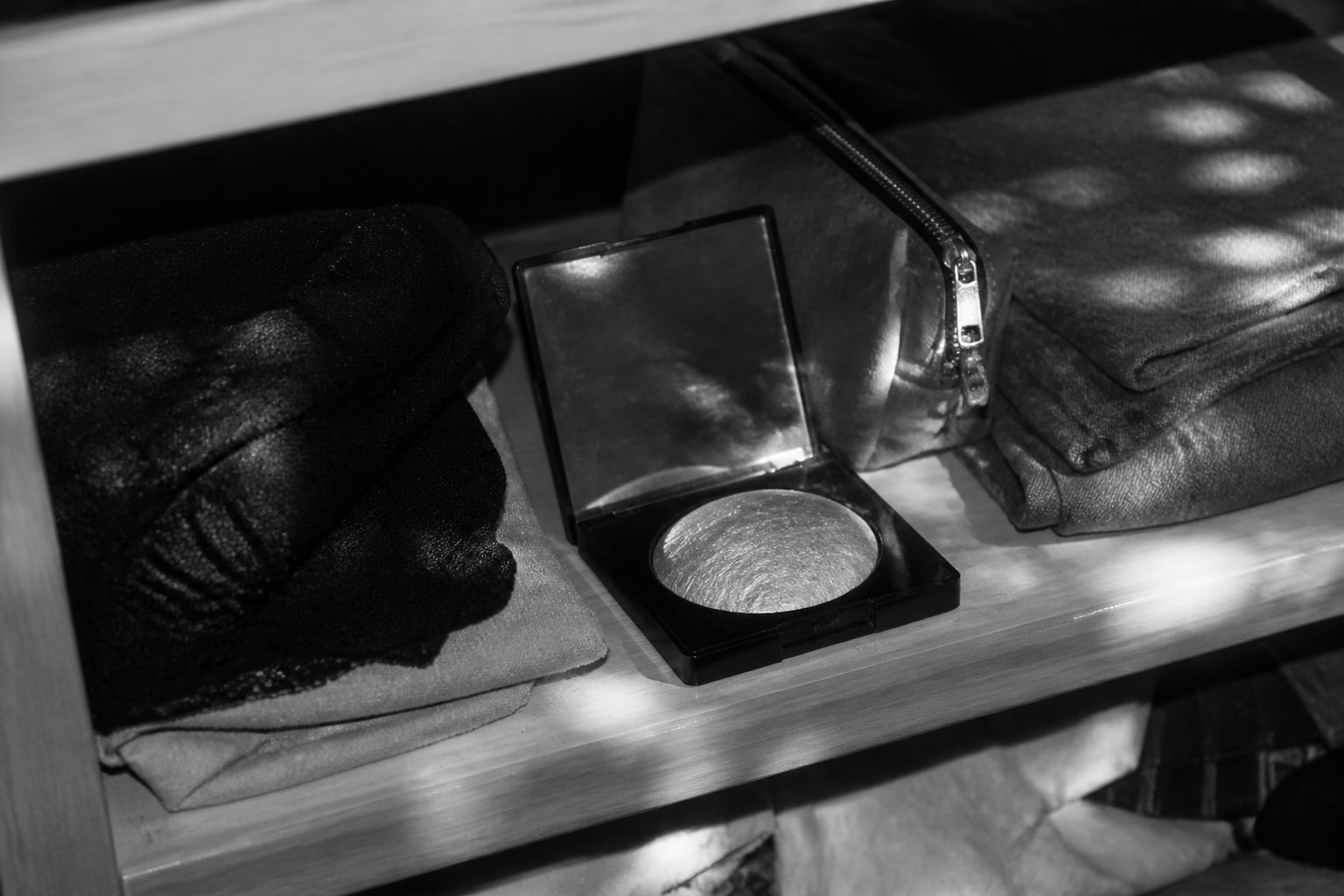
A metallic stripe produces a sharper highlight than a soft satin sheen. Visible sparkle can also create separate bright points instead of one even reflection.
Swatch the product in moving light. If you can identify individual glitter particles, expect them to reveal more surface detail.
2. You're applying too much
A second layer may add more shine than you intended. It can also leave a thicker, less even film over pore edges.
Start with the smallest useful amount. Build only where the first layer disappears at normal viewing distance.
3. The placement crosses visible pores
The inner cheek often has more visible pores than the outer cheekbone. A wide stripe can cover both areas even if only the upper edge needs light.
Place the strongest reflection higher and farther out. You can leave the inner strip bare without abandoning highlighter across the whole cheek.
4. The base is already uneven
Oil, irritated skin and clogged pores can make texture more noticeable. Dry flakes create another uneven surface for reflective pigment to catch.
Don't try to bury that texture under thicker foundation. More layers can introduce another variable without fixing the surface beneath them.
5. The lighting is exposing it
Gloss depends on the relationship between the surface, light and viewer. A review of gloss perception describes lighting direction as part of how people read texture and shape.
A highlighter may look soft beside a large window and harsh beneath a small bathroom spotlight. Neither view is the single correct one. They are different viewing conditions.
Run a five-minute comparison
Test the product before replacing your routine:
- Stand at a fixed distance from a window with indirect daylight.
- Apply your normal base, but leave both cheeks without highlighter.
- Add one thin layer to one cheek only.
- Compare both sides from conversational distance, then take one unfiltered photo.
- Repeat the comparison under your usual indoor lighting.
If the pores appear only under one lamp, lighting is the main variable. If they appear in every setting, test the amount, finish and placement next.
Change one thing per test. Otherwise, you won't know whether the brush, base, highlighter or lighting made the difference.
Fix it in this order
First, remove excess rather than covering it. Press a clean sponge over the area with little sideways movement. Adding more powder can turn one reflective layer into several uneven layers.
Second, narrow the placement. Keep the brightest point on the upper cheekbone and fade it before the inner cheek.
Third, try a finer finish. Look for a uniform sheen rather than visible glitter or a mirror-like metallic stripe. Powder, cream and liquid products can all work. The finish and amount matter more than the category name.
Fourth, test the highlighter over less base makeup. If that helps, the interaction between layers was part of the problem. Keep the successful combination instead of replacing your entire routine.
Only then consider longer-term pore care. The American Academy of Dermatology recommends gentle cleansing, non-comedogenic products, daily sun protection and suitable acne care. Salicylic acid or a retinoid may help some people, but irritation can make pores look more obvious. Retinoids also require pregnancy and breastfeeding precautions.
Don't scrub, squeeze or pick at pores to make highlighter sit better. That can inflame the skin and worsen the appearance you're trying to reduce.
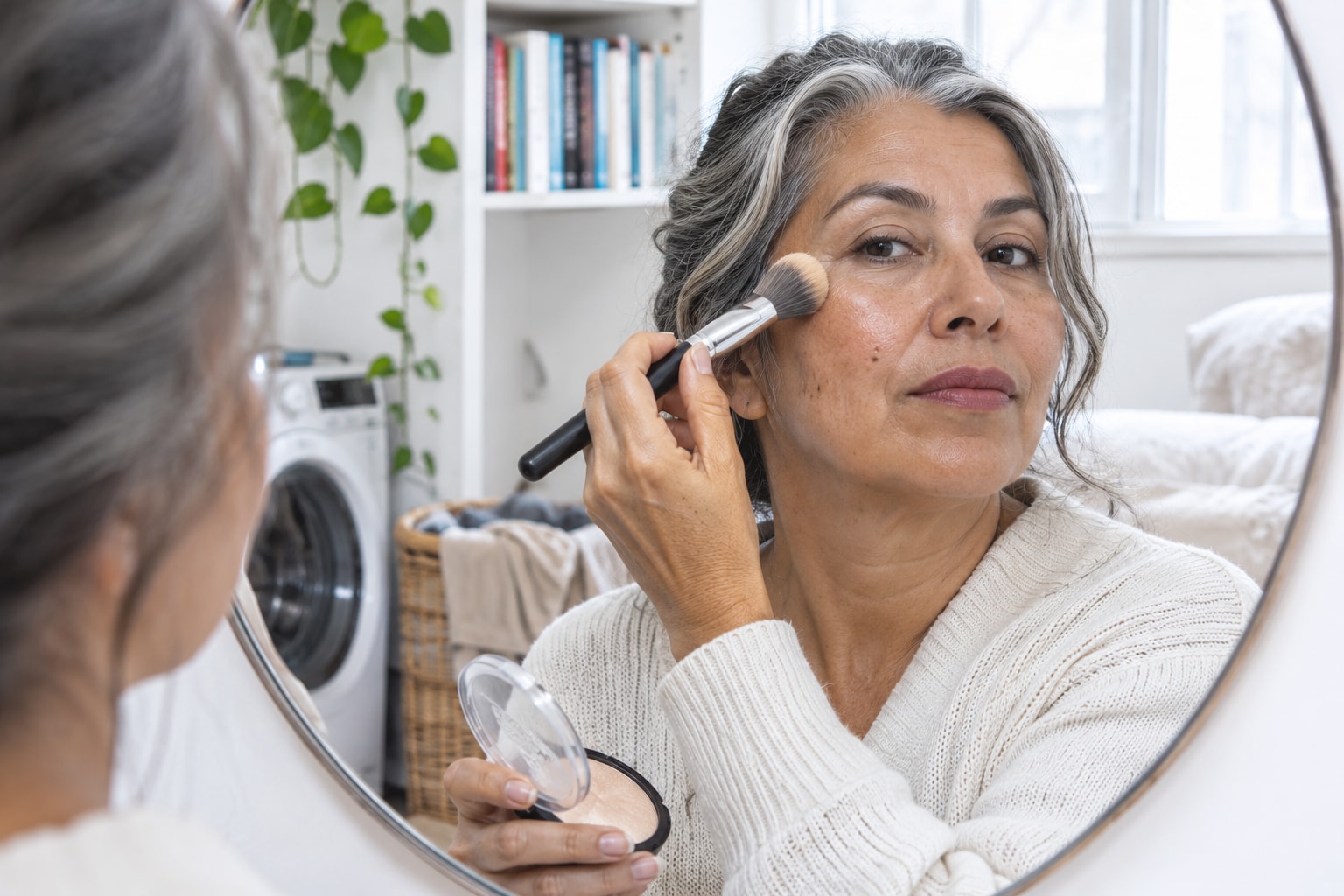
Track the skin separately from the makeup
Makeup tests and skin tracking answer different questions. Test highlighter while wearing your normal base. Track pores using clean, bare skin under repeatable lighting.
LooksMax Scan maps visible pore signals from a clear, front-facing photo. It describes the result as a screening tool rather than a medical diagnosis. Keep the camera distance, lighting and expression consistent so product reflection doesn't masquerade as skin change.
One bad photo isn't a trend.
FAQ
Can highlighter permanently enlarge pores?
No. Highlighter can make pore edges more visible by changing surface reflection, but that optical effect ends when you remove it. Oil, congestion, inflammation and reduced skin firmness can affect how noticeable pores look without makeup.
Is liquid highlighter better than powder for visible pores?
Not automatically. A thin liquid can create a smooth sheen, but a glossy or glittery liquid may still reveal texture. A finely milled powder can look softer than a metallic cream. Compare the finish and applied amount rather than relying on the format.
Why does highlighter look smooth in the mirror but textured in photos?
The camera, light and your face may form a more direct reflection than your mirror view. This creates brighter highlights and deeper local contrast. Test from the same distance with filters and beauty processing turned off.
Do I need to stop wearing highlighter if I have visible pores?
No. Use a thinner layer, choose a softer sheen and keep the brightest area away from the most textured part of your cheek. Skin has texture, so the aim is controlled reflection rather than an airbrushed surface.