Quick answer
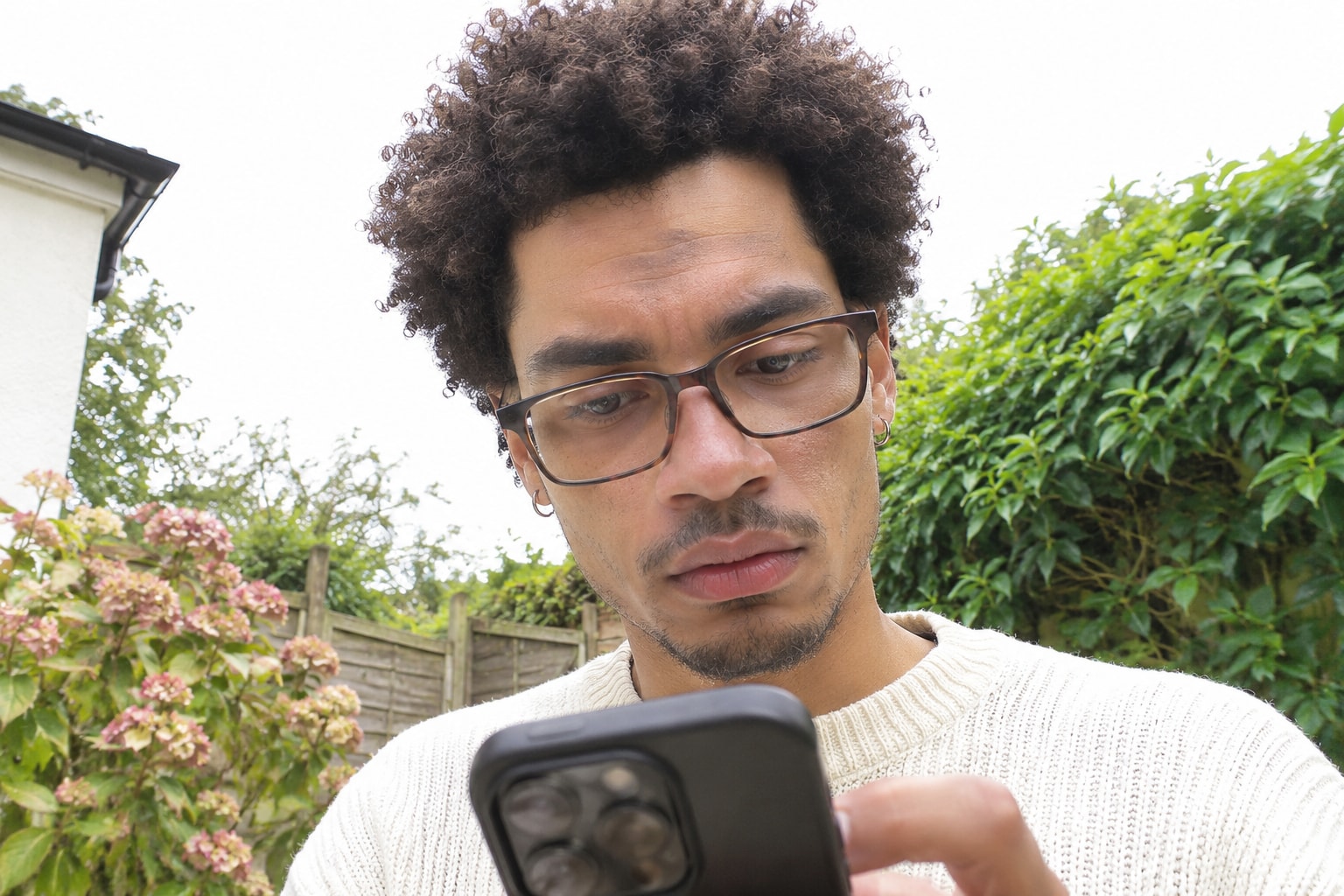
If you're wondering why glasses make dark circles look worse, the change is often optical rather than a sudden skin change. A frame can cast a shadow across the tear trough, while a plus lens can enlarge the area behind it. Glasses can't create new pigment within seconds. Compare your under-eyes in fixed lighting with and without the frames before treating your skin.
Why glasses make dark circles look worse
“Dark circles” is a visual label, not one condition. A clinical review in the Journal of Cutaneous and Aesthetic Surgery separates several causes. These include pigment, visible vessels, thin skin, fluid, hollowing and shadows from facial contours.
Glasses add another object between the light and your face. Under ceiling light, the upper rim can throw a narrow shadow onto the same hollow that already looks dark. The review found that overhead light worsens under-eye shadows, while direct light can hide them.
Your prescription can change the apparent size of the eye area too. StatPearls explains that plus lenses magnify and minus lenses minify. Lens power, thickness, curve and distance from the eye all affect that size change.
A plus prescription may enlarge an existing shadow, crease or patch of pigment to another viewer. A minus prescription tends to shrink the area, but its frame can still cast a shadow. Neither effect changes the colour inside your skin.
Poor fit is a separate issue. Frames that pinch or slide can leave temporary pressure marks. The College of Optometrists says spectacles should be checked for fit, comfort, position and function.
Itching, scaling or swelling is not a normal optical effect. DermNet lists spectacle frames among possible triggers for eyelid contact dermatitis. That reaction needs a skin or frame-material check, not stronger concealer.
Run a controlled five-minute check
Use a repeatable setup before blaming your skin, prescription or sleep.
- Stand facing a window or a broad lamp at eye level. Turn off the ceiling light.
- Fix your phone on a shelf, use the rear camera and keep the exposure unchanged.
- Take one neutral photo without glasses and one with them. Keep your head, expression and distance still.
- Lift the frame a centimetre without changing your head position. Take a third photo.
- Compare only the under-eye area at the same image brightness. Don't compare a mirror view with a processed selfie.
If the darkness appears only when the frame drops into place, you are seeing frame shadow. If the area changes size inside the lens, prescription optics are involved. Skin treatment won't remove either effect.
If darkness remains in every view, it may come from your skin, vessels or facial contours. Cleveland Clinic also lists genetics, allergies, ageing, sleep loss, dehydration and sun exposure as possible contributors.
Repeat the check once in daylight and once in your usual work lighting. Stop there. Daily checking can turn normal changes in light or fluid into false “progress.”
Use the same rule for progress photos. Keep the camera, light and time similar, and remove your glasses. A useful record measures change in your face, not change in the frame's shadow.
Match the fix to the cause
For a frame shadow
First, change the light rather than your face. A broad source near eye level reduces the top-down shadow seen under ceiling lights. This matters for video calls and photos more than it does outdoors.
Try several frames in the same lighting before buying. Look at where the lower rim crosses your under-eye hollow. A thinner or lighter lower rim may cast less visible shadow, but the result depends on the frame and your face.
For lens magnification or minification
Don't weaken a prescription to change how your eye area looks. Correct vision comes first.
Ask an optician whether the frame position and lens design suit your prescription. StatPearls notes that lens power, curve, thickness, refractive index and distance from the eye affect magnification. An optician can discuss those variables without changing the correction you need.
For pressure or irritation
Return to the dispensing optician if the bridge pinches, the temples press, or the frame sits unevenly. Proper fitting is part of spectacle supply, according to the College of Optometrists.
Wash off makeup and skin products where the frame touches. If redness, itching or scaling remains, stop guessing at home. A clinician can assess dermatitis, while an optician can identify the frame material and suggest another option.
For dark circles that remain without glasses
Treat the cause, not the label. Sleep may help when tiredness makes the area look paler or more shadowed. Allergy care can matter when itching and rubbing drive swelling.
Use sun protection that your eyelids tolerate, since ultraviolet exposure can add pigment. Avoid putting strong acids, retinoids or lightening products close to your eyes without professional guidance. The under-eye area is thin, and irritation can make the problem harder to read.
Hollowing and fixed shadows won't behave like surface pigment. Creams cannot change the shape of a tear trough. A dermatologist can tell pigment, dermatitis and visible vessels apart before you spend money on treatment.
Mistakes that waste time
- Adding more concealer when the dark band moves with the frame. Makeup cannot remove a cast shadow.
- Judging two selfies taken under different ceiling lights. The clinical review shows that light direction changes under-eye shadows.
- Bending the frame yourself. Small changes can affect comfort, position and how you look through the lenses.
- Buying blue-light glasses to treat dark circles. A lens filter does not treat pigment, vessels, hollowing or dermatitis.
- Tracking the area several times each day. Morning fluid and changing light can alter its appearance.
When to get it checked
Most dark circles are not a medical problem. Book a routine eye test if your vision has changed or a new prescription remains uncomfortable.
See a clinician for lasting redness, scaling, swelling or itching around the frames. Seek medical advice for new darkness or swelling under only one eye. Cleveland Clinic flags a one-sided change because it can have a cause that needs assessment.

FAQ
Do glasses cause permanent dark circles?
Glasses do not normally create permanent under-eye pigment. They can add shadow, alter apparent size or irritate skin when the material or fit causes dermatitis. Persistent colour without the frames needs its own assessment.
Why do my dark circles look worse in photos with glasses?
A camera records the frame shadow, lens distortion and reflections together. Ceiling light often deepens the under-eye hollow. Use fixed exposure and a broad light near eye level before comparing photos.
Do stronger prescriptions make dark circles more visible?
They can change apparent size more than weak prescriptions. Plus lenses magnify, while minus lenses minify. Visibility still depends on frame shape, lens position, lighting and the type of darkness present.
Should I switch to contact lenses for a brighter eye area?
Contact lenses remove the frame shadow, but they are medical devices with their own care needs. Ask an eye-care professional whether they suit your eyes. Do not switch solely to chase one flattering photo.