Quick answer
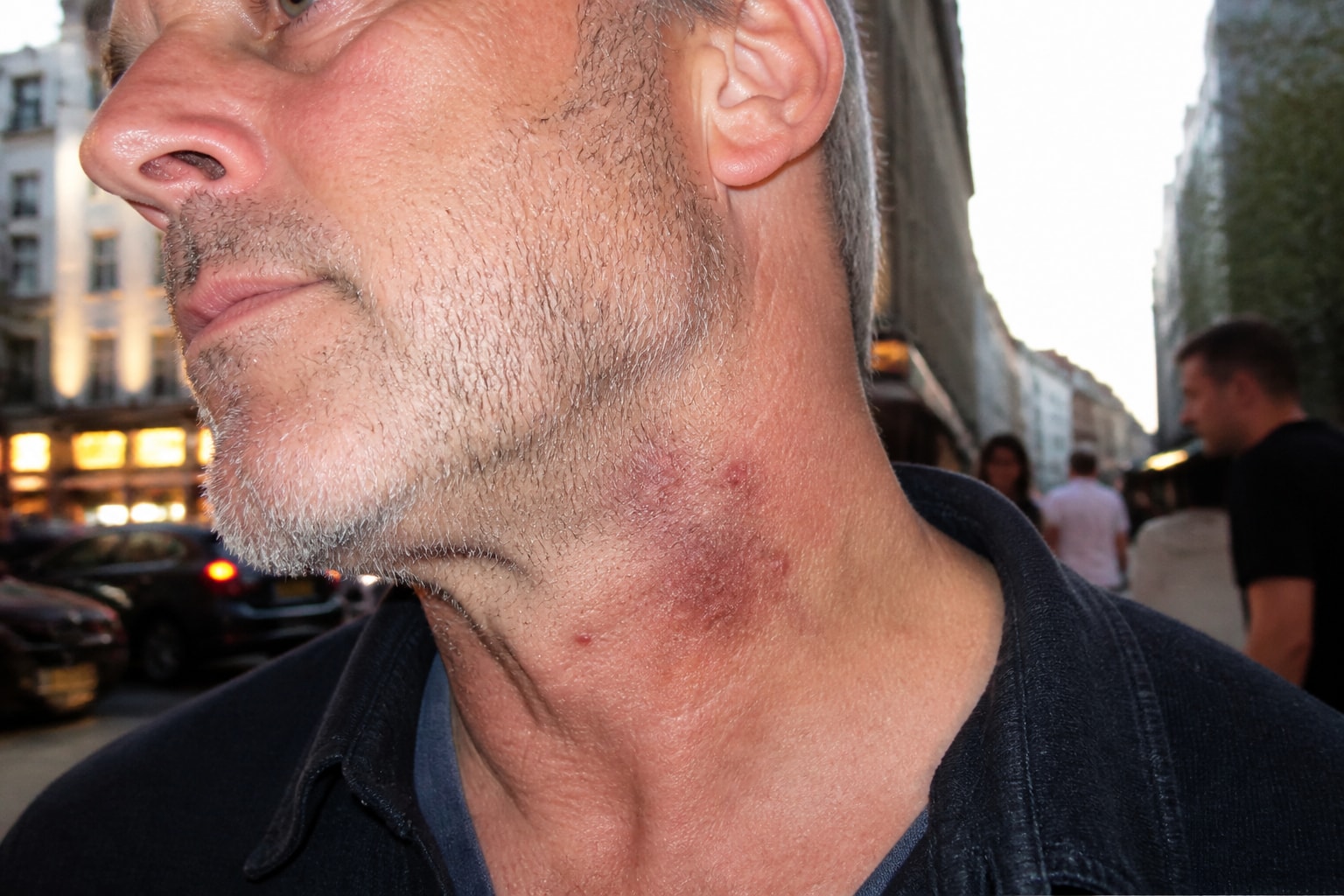
Why does my neck look darker after shaving? An immediate grey or blue cast can be visible beard shadow, not new skin pigment. Dark dots or patches that follow burning, bumps or ingrown hairs are more consistent with irritation and post-inflammatory hyperpigmentation.
A thick, velvety patch extending beyond the shaved area needs a different check. The NHS advises seeing a GP about new dark neck patches rather than assuming a razor caused them.
First, identify which kind of darkening you have
The timing and texture matter more than the colour alone, so check your neck in indirect daylight at the same time after each shave.
A flat shadow appears as soon as you shave
This pattern follows the densest parts of your beard, has no soreness or raised bumps, and becomes more obvious beside freshly shaved skin.
Shaving cuts hair at the skin surface, but it does not remove the pigmented shaft below that point or change the follicle. UAMS Health also notes that blunt new stubble can look darker and coarser against clean-shaven skin.
That makes beard shadow an optical contrast problem, while repeated passes mainly add irritation without removing hair below the surface.
Dark dots or bumps arrive within a day or two
Firm bumps centred on hairs point toward pseudofolliculitis barbae, often called razor bumps. The British Association of Dermatologists explains that a close-cut hair can retract or curve into nearby skin. The resulting inflammation can leave dark marks after the bump settles.
Coarse or curly hair raises the risk, but anyone can develop it, especially where neck hairs grow in several directions.
Flat brown or grey marks remain between shaves
This pattern may be post-inflammatory hyperpigmentation, which forms after inflammation or injury triggers extra pigment rather than darker hair growth.
Look back at the area before the mark appeared, because repeated bumps, cuts, burning aftershave or a product reaction can keep the cycle going. Treating colour while the neck is still irritated misses the cause.
The skin is itchy, scaly or burning
A shaving gel, fragrance, aftershave or active skin product may be irritating the area. The American Academy of Dermatology says an irritating skin or hair product can cause dark spots. New spots tend to stop once the irritation stops.
Do not assume every reaction is an allergy. Stop the most suspect product and keep the routine plain while the skin settles.
The patch feels thick or velvety
This is not the usual shape of beard shadow or a few healed razor bumps. Acanthosis nigricans causes darker, thicker patches around skin folds, developing gradually and sometimes reflecting an underlying health issue.
The NHS recommends a GP check for unexplained dark patches, since scrubbing will not diagnose or remove this pattern.
Change the shave before treating the colour
Your first target is fewer cuts, trapped hairs and stinging products, giving skin time to calm before you try fading pigment.
- Map the direction of growth across your neck. It may change from one small section to the next.
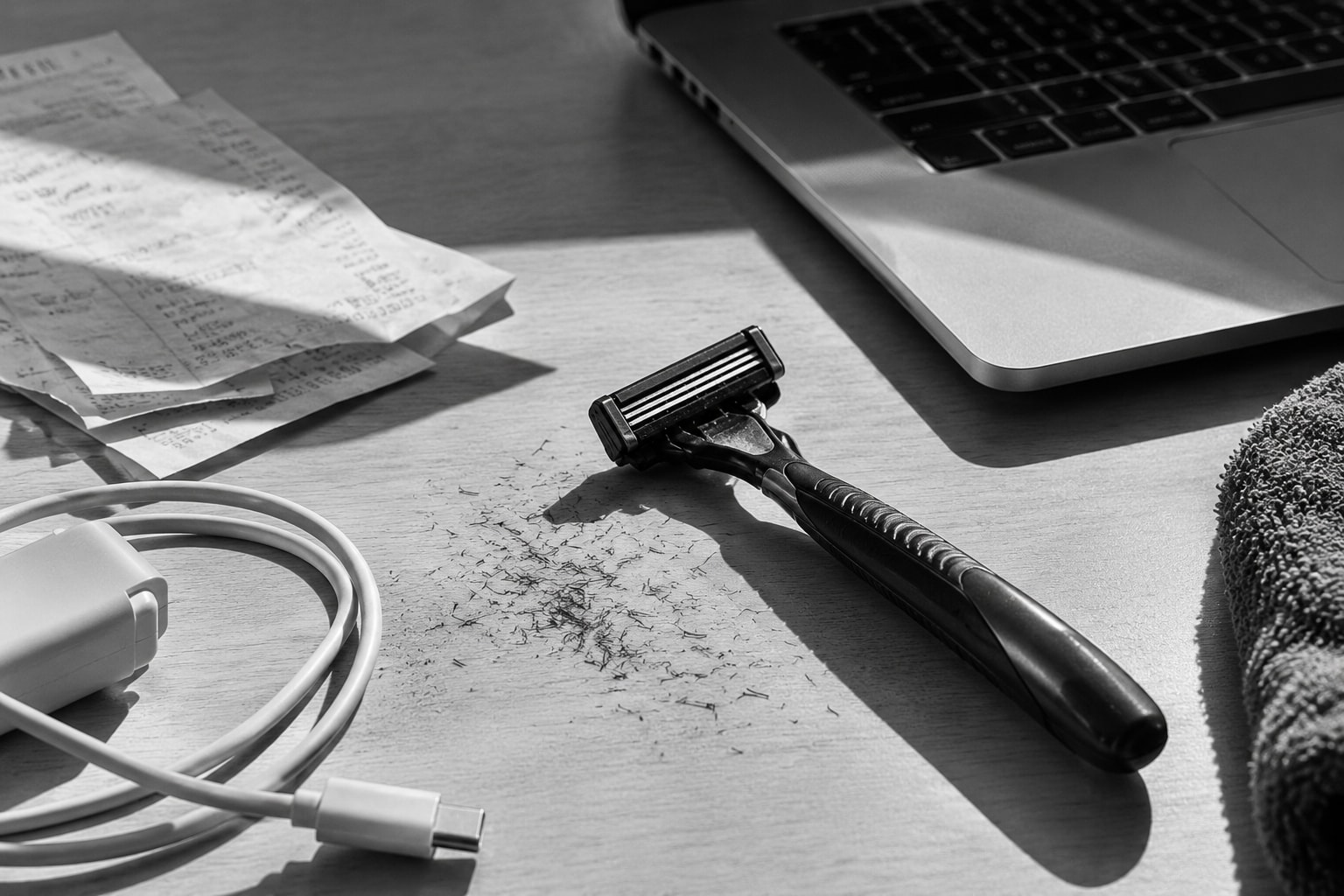
- Soften hair with warm water, then use a wet, moisturising shaving cream.
- Shave with the grain using short, light strokes. Avoid stretching the skin or crossing the same area repeatedly.
- Use a sharp single blade or an electric shaver. If bumps keep returning, a guarded clipper that leaves slight stubble may work better than a skin-close shave.
- Rinse gently and use a fragrance-free moisturiser. Stop any aftershave that burns or stings.
- Clean and replace blades or electric foils as their maker directs.
The American Academy of Dermatology recommends warm preparation, wet shaving cream, light pressure and no more than two passes. It also advises replacing a single blade after five to seven shaves.
There is no perfect razor for every face, since technique has to match how your hairs curl and re-enter the skin.
If active bumps are widespread, pausing close shaving can break the cycle. A guarded trim is a practical compromise when you cannot grow the beard out.
Give real pigment time to fade
Post-inflammatory marks fade slowly after the source of inflammation stops. The American Academy of Dermatology says a spot a few shades darker may take six to twelve months. Deeper grey or blue pigment can last longer.
Start with prevention by applying a broad-spectrum SPF 30 or higher to exposed neck skin each morning. For medium to dark skin, the Academy recommends tinted sunscreen with iron oxide because visible light can worsen dark spots.
Keep the rest simple with a gentle cleanser, plain moisturiser and sunscreen while shaving still causes burning or bumps. Do not stack acids, scrubs and retinoids on a raw neck.
Once the area is calm, a dermatologist can match treatment to the cause and your skin tone. The Academy lists azelaic acid, glycolic acid, retinoids and vitamin C among ingredients used for dark spots. More product is not faster if it restarts irritation.
Never use household bleach or an unlabelled lightening cream. The Academy warns that some imported products have contained hidden steroids or mercury, which can damage skin.
Track the change without camera noise
Neck colour shifts with bathroom bulbs, flash, white balance, head angle and the length of your stubble. A random selfie can make a stable patch look better or worse.
Take one weekly photo in the same place with exposure and filters fixed. Use indirect daylight, the rear camera, the same distance and the same number of hours after shaving.
Compare the whole patch, not one pixel or scan score, and track bumps, soreness and new marks separately from colour. Progress means fewer inflamed spots first, and pigment usually follows later.
When to get professional help
See a GP or dermatologist if the area is painful, draining pus, scarring or forming raised lumps despite careful shaving changes.
Book a check if darkening spreads beyond the beard area or becomes thick and velvety. The same applies if one patch changes quickly or you cannot link it to shaving.
A clinician can separate razor bumps, bacterial folliculitis, acne and dermatitis, which can look similar but need different treatment. Do not use leftover antibiotics, steroid cream or prescription lighteners without a diagnosis.
FAQ
Does shaving make neck skin permanently darker?
Cutting hair does not directly increase skin pigment or make hair grow darker. Repeated irritation can leave post-inflammatory marks, and those may last months after the shaving problem improves.
Will an electric shaver remove a dark neck?
It will not erase beard shadow or existing pigment. It may reduce new razor bumps if it avoids a skin-close cut, but pressure and repeated passes can still irritate skin.
How long do shaving marks take to fade?
The American Academy of Dermatology gives six to twelve months for many shallow dark spots after their cause stops. Persistent inflammation, deeper pigment and sun exposure can extend that timeline.
When is a dark neck probably not from shaving?
A patch outside the shaved zone, especially one that feels thick or velvety, does not fit simple beard shadow. The NHS advises having new or unexplained dark patches checked by a GP.