Quick answer
Why is my beard red but my hair brown? Your facial and scalp follicles can produce different mixes of the pigments that color hair. Brown hair contains more eumelanin, while a copper or red beard shows more pheomelanin.
Variants of the MC1R gene can make red pigment more likely. They don't guarantee red scalp hair, though. Hair color involves many genes, and the effect can differ between your beard and scalp.
Two pigments create the color difference
Natural hair color comes mainly from two forms of melanin. Eumelanin produces black and brown shades. Pheomelanin produces red and yellow shades.
MedlinePlus Genetics describes brown hair as having a moderate amount of eumelanin. Red hair contains mostly pheomelanin with some eumelanin. The final shade depends on both the pigment ratio and the total amount produced.
This isn't a choice between pure brown and pure red. Hair color sits on a spectrum.
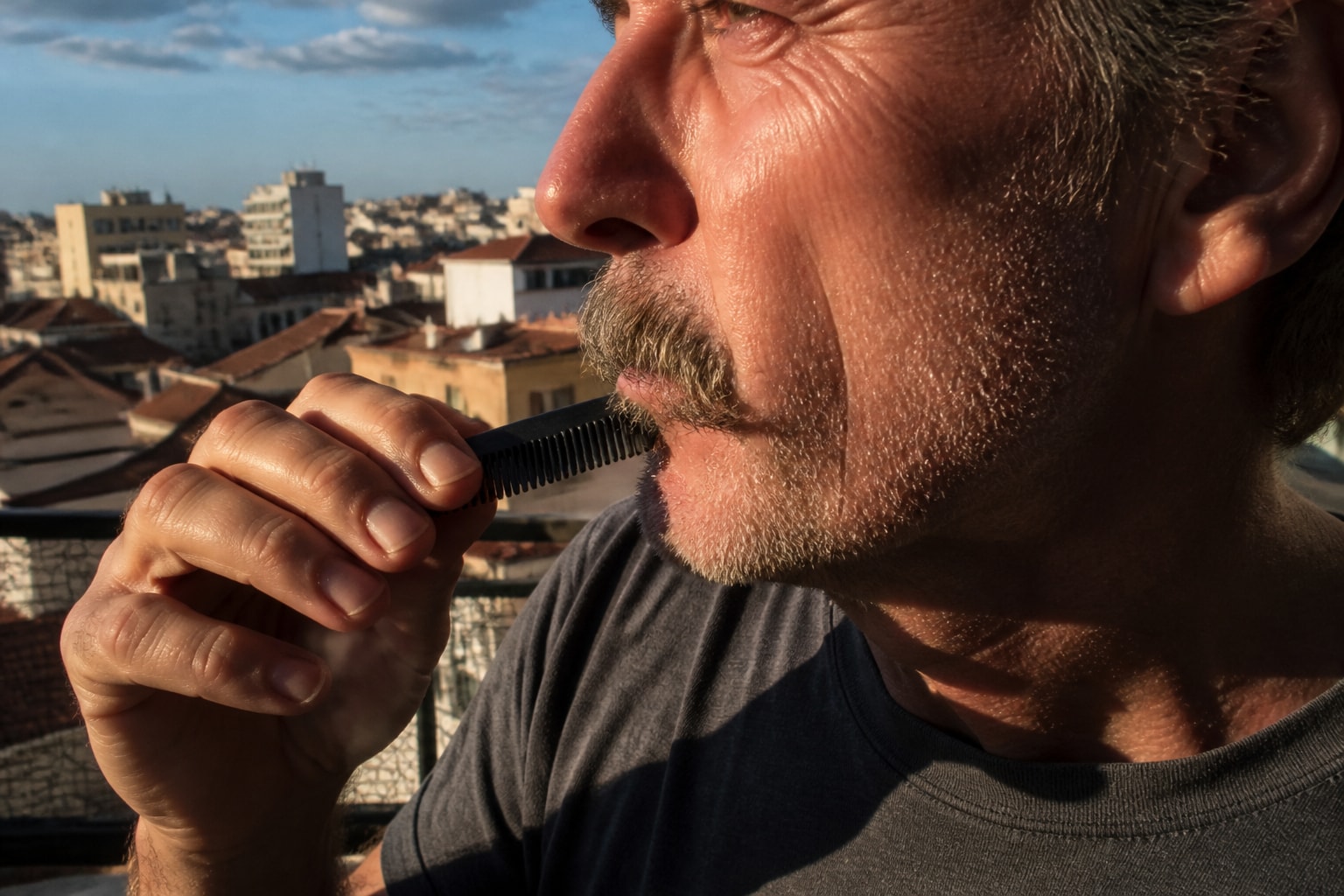
Your beard may contain brown, blond and red shafts at the same time. A few copper hairs can be hard to see in short stubble. They become more obvious when the beard grows and those hairs overlap.
The combined beard can then look auburn, even if many individual hairs remain brown.
MC1R matters, but it isn't a simple red-hair switch
MC1R gives cells instructions for making the melanocortin 1 receptor. When this receptor works normally, it promotes eumelanin production. Some variants reduce that signal and allow more pheomelanin to be made.
That explains part of the red-beard pattern. It doesn't support the common claim that one “ginger gene” decides every hair color on your body.
A study led by Flanagan found evidence that carrying one MC1R variant can affect beard color. That effect may appear even when someone doesn't have fully red scalp hair.
Larger genetic research also shows why the rule remains messy. A Nature Communications study analyzed almost 350,000 UK Biobank participants of white British ancestry. Among people carrying two MC1R variants, only 15% reported red hair. About 41% reported light-brown hair, while 15% reported blond hair.
The population was narrow, so those percentages shouldn't be applied to every ancestry. The result still makes one point clear: MC1R variants don't predict visible hair color by themselves.
Genes including ASIP, HERC2 and OCA2 also contributed to color in that study. Hair structure affected how color was perceived as well.
The evidence supports a genetic tendency, not a precise home diagnosis. A red beard doesn't tell you which variant you carry. It also doesn't reveal which parent supplied it.
Why your beard looks redder on some days
The underlying pigment may stay the same while its appearance changes. Light, camera processing, sun exposure and beard length can all change what you see.
Room light and camera settings
Warm bulbs strengthen yellow and orange tones. Cooler light can make the same beard look more neutral.
Photos add another variable. Adobe explains that a photograph's white balance is tied to the color temperature of its light source. Changing the temperature setting can make every color in the image look warmer or cooler.
Phone styles, filters and edits can push the shift further. Don't judge your natural beard color from one bathroom selfie.
Use indirect daylight and your camera's standard color setting. Compare the beard with your scalp in the same frame. That removes several differences at once.
Sunlight
Sunlight can change the color of the exposed hair shaft. It doesn't rewrite the pigment instructions inside the follicle.
A laboratory study compared red, blond, dark-brown and black hair under sunlight and several forms of artificial radiation. Every hair type showed color changes. Lighter hair changed more, and ultraviolet exposure also increased protein loss.
This means a beard can look lighter or warmer after months outdoors. It doesn't mean sunlight created a new genetic trait.
Don't use deliberate sun exposure as a beard-lightening method. The result is uneven, hard to predict and tied to hair damage.
Beard length and grooming products
Judge the color on a clean, dry beard. Water and grooming products can alter shine and make separate hairs harder to compare.
Keep length constant between photos. Comparing three-day stubble with a full beard tests two different appearances, even when the pigment hasn't changed.
A fair way to check your beard color
Use a repeatable check before buying dye or changing your grooming routine:
- Wash out tinted products and let the beard dry fully.
- Stand beside a window in indirect daylight.
- Turn off filters and select the camera's standard style.
- Include both your beard and scalp in the same photo.
- Repeat the photo in the same place after your next trim.
Look at several areas. Chin hair may appear warmer than the mustache or cheeks. Record that variation instead of reducing the whole beard to one label.
This check also separates a stable color pattern from a poor photo comparison. If the red remains visible across several neutral-light photos, it is probably part of your natural pigment mix.
Do you need to change it?
A naturally red beard with brown scalp hair needs no treatment. It is a documented variation in human pigmentation.
Shape and length usually give you more control than chasing a perfect color match. A consistent trim can make a mixed-color beard look deliberate without adding another product.
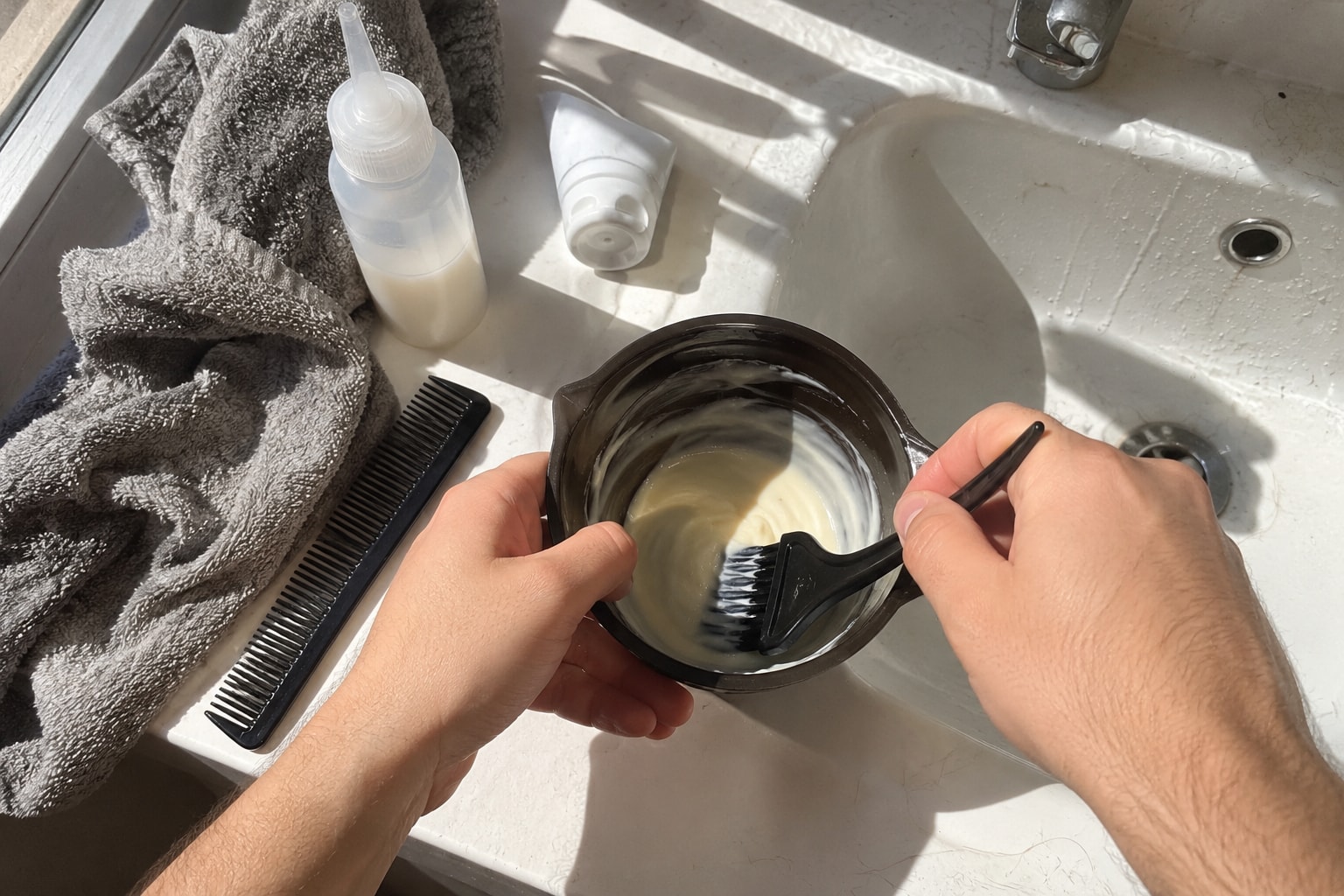
If you still want an even shade, use a color product labeled for facial hair. Pick a shade slightly lighter than your scalp hair for the first test. A shade that is too dark is harder to soften.
Follow the product's timing and safety instructions exactly. The US Food and Drug Administration advises patch-testing hair dye before every use, even if you have used that product before. It also says to wear gloves, rinse well and never mix different dyes.
Don't apply hair dye to irritated or damaged skin. Stop if you develop burning, swelling or a rash, and seek medical advice if the reaction is strong or persists.
Hair dye should never be used on your eyelashes or eyebrows. The FDA warns that this can injure your eyes and may cause permanent damage.
A barber or colorist is the safer choice if your beard has several distinct shades. They can test a small section before changing the full beard.
What won't reliably remove the red
Extra sun is not a controlled color treatment. Research shows that light can alter hair color, but it can also damage hair proteins.
Supplements aren't a reliable way to make a genetically red beard grow brown. The evidence here points to pigment biology and many interacting genes, not a correctable lack of one routine nutrient.
Repeatedly applying darker dye also won't change new growth. It colors the existing shaft, so your natural shade returns as the beard grows.
FAQ
Does a red beard mean I carry a red-hair gene?
You may carry an MC1R variant associated with red pigmentation, but appearance alone cannot confirm it. Several genes affect hair color, and the same MC1R combination can appear as red, blond or brown scalp hair.
Can sunlight turn a brown beard red?
Sunlight can fade hair and shift its visible color. That may reveal warmer copper tones that were already present. It doesn't change the genetic instructions used by new beard growth, and deliberate exposure can damage the hair shaft.
Will my red beard become brown with age?
Hair pigmentation can change across your life, but there is no reliable schedule for a red beard to become brown. Graying may eventually reduce both red and brown pigment. Genetics remains the main guide, not a guaranteed timeline.
Can beard dye match red facial hair to brown scalp hair?
Beard dye can create a closer cosmetic match, but it won't change the color of future growth. Use a facial-hair product, choose a cautious shade and patch-test it before every application. A professional colorist can blend several natural beard shades more evenly.