Quick answer
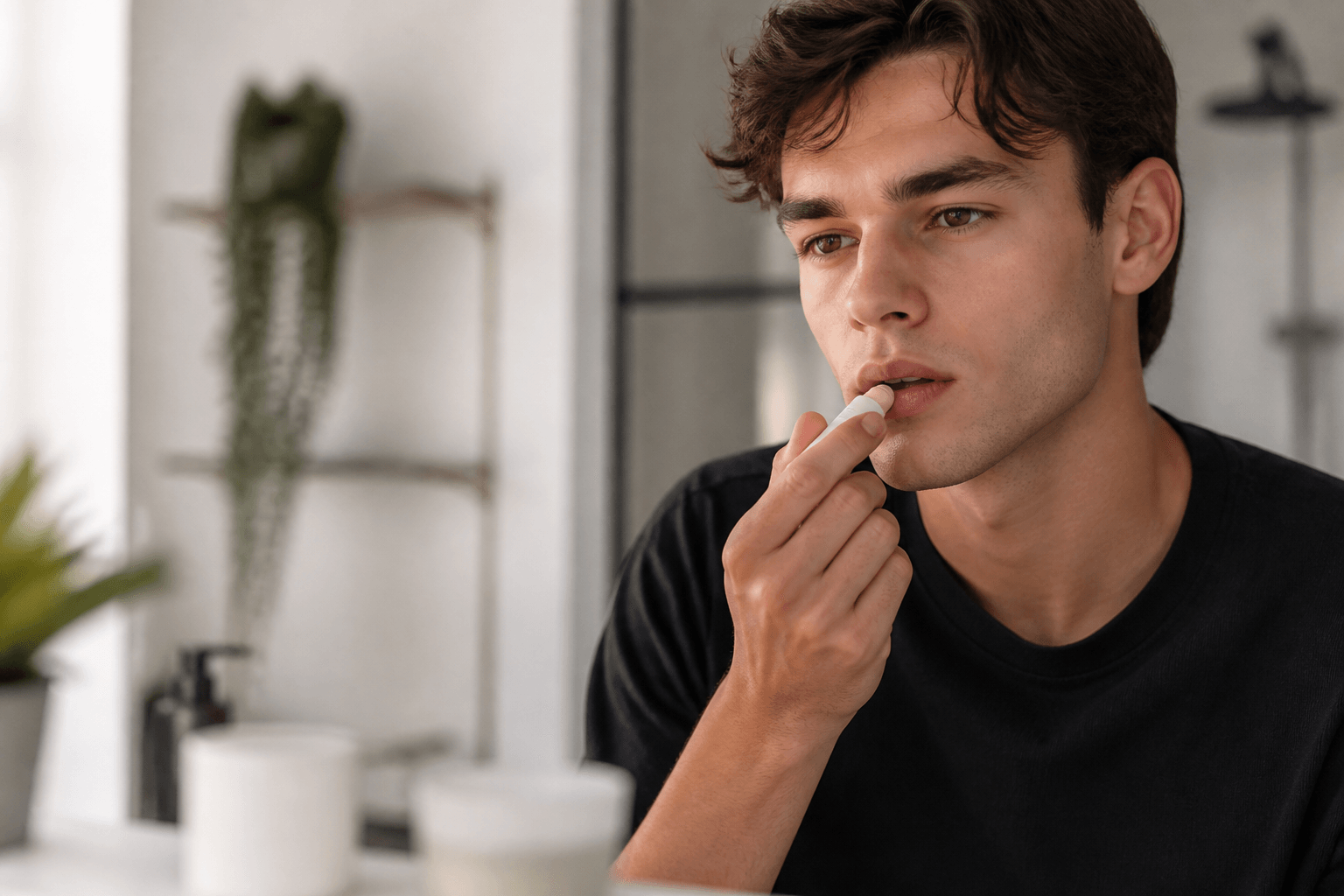
The best way to get rid of chapped lips is to simplify your routine. Use a bland, fragrance-free ointment often, stop licking or picking, and wear an SPF 30 lip balm outside. Most ordinary chapping should improve within two to three weeks, according to the American Academy of Dermatology.
Persistent burning, cracking, or peeling may come from a lip product, toothpaste, medicine, infection, or sun damage rather than simple dryness.
What are chapped lips?
Chapped lips are dry, inflamed lips that may scale, peel, crack, itch, or sting. Clinicians also use the broad term cheilitis for lip inflammation. Cold air, dry heat, wind, sun, lip licking, dehydration, and some medicines can all play a part.
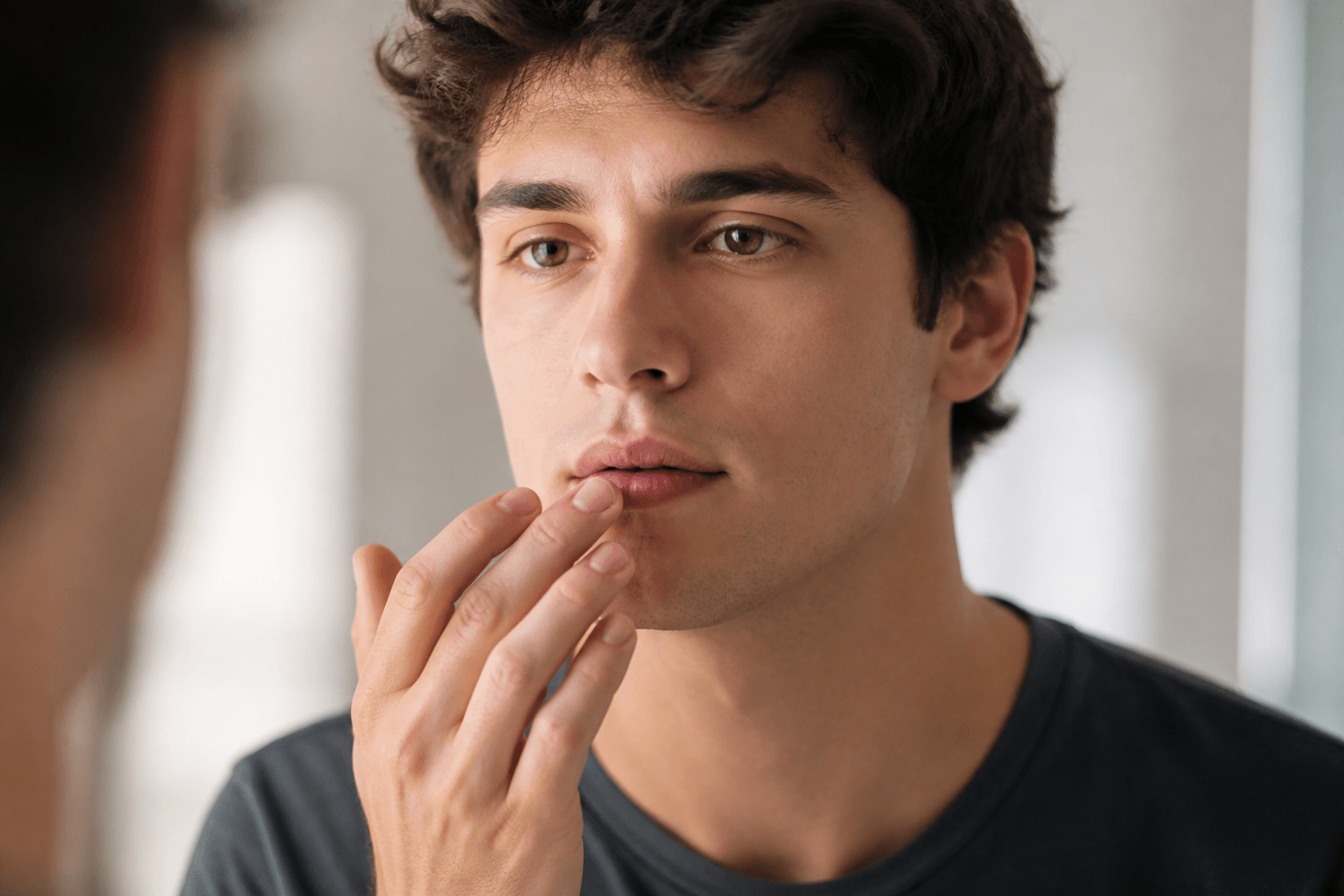
Chapping is common and usually temporary, though side lighting can exaggerate flakes and small splits may sting.
Treat it as a skin problem, not a score. The useful goal is comfortable lips with fewer cracks and less peeling. Natural lip size, shape, colour, and fine lines vary from person to person.
Why do your lips keep getting dry?
Weather is only one possible trigger, since your daily habits and products may keep restarting the irritation.
Licking, biting, and picking
Licking gives a few seconds of relief, then the saliva evaporates and your lips feel drier. The American Academy of Dermatology says biting and picking also delay healing by adding more irritation.
The cycle is easy to miss because pulling away one rough edge creates a fresh, tender spot. Replace the habit with a plain ointment whenever you notice the urge.
A lip balm that irritates your lips
Cooling or tingling isn't proof that a balm works. On already chapped lips, that feeling can mean irritation. The Academy advises avoiding menthol, camphor, eucalyptus, fragrance, and strong flavourings while the area heals.
Salicylic acid and phenol also appear on its avoid list. Those ingredients may suit other products, but sore lips are a poor place to chase exfoliation.
Allergy is another possibility, and DermNet lists lip cosmetics, toothpaste, dental materials, metals, medicines, and flavourings as common sources. Allergic contact cheilitis can look like ordinary dryness, with redness, scaling, cracks, itch, or burning.
Air, sun, and mouth breathing
Cold or dry weather can pull moisture from the surface. Indoor heating may add to that dry environment. A bedroom humidifier can help if the air is dry, especially when you breathe through your mouth at night.
Sun exposure matters too, so the Academy and Cleveland Clinic recommend an SPF 30 or higher lip balm outdoors. The Skin Cancer Foundation advises reapplying lip protection at least every two hours, and after eating or drinking.
Medicine or another health issue
Some medicines and health conditions can cause persistent dry lips, with oral retinoids such as isotretinoin among the possible causes. Don't stop a prescribed medicine on your own; ask the prescriber how to manage the side effect.
Cracks limited to the corners may be angular cheilitis rather than routine chapping. DermNet describes it as inflammation where saliva often collects. Yeast, bacteria, dentures, nutritional problems, and other factors can sometimes contribute.
That distinction matters because care depends on the cause, so leave steroid, antibiotic, or antifungal creams to a clinician.
How to get rid of chapped lips with a simple reset
Use this low-risk routine for two to three weeks. It removes common irritants and gives the surface time to recover.
1. Pause the crowded lip routine
Put lip scrubs, plumping glosses, flavoured balms, and fragranced products aside. Stop any product that burns, tingles, or stings; you don't need to identify the exact culprit on day one.
Check everything that touches the area, including lipstick, lip balm, toothpaste, mouthwash, and medicine applied nearby. Keep the routine simple, so you can tell what helped.
2. Choose one bland barrier product
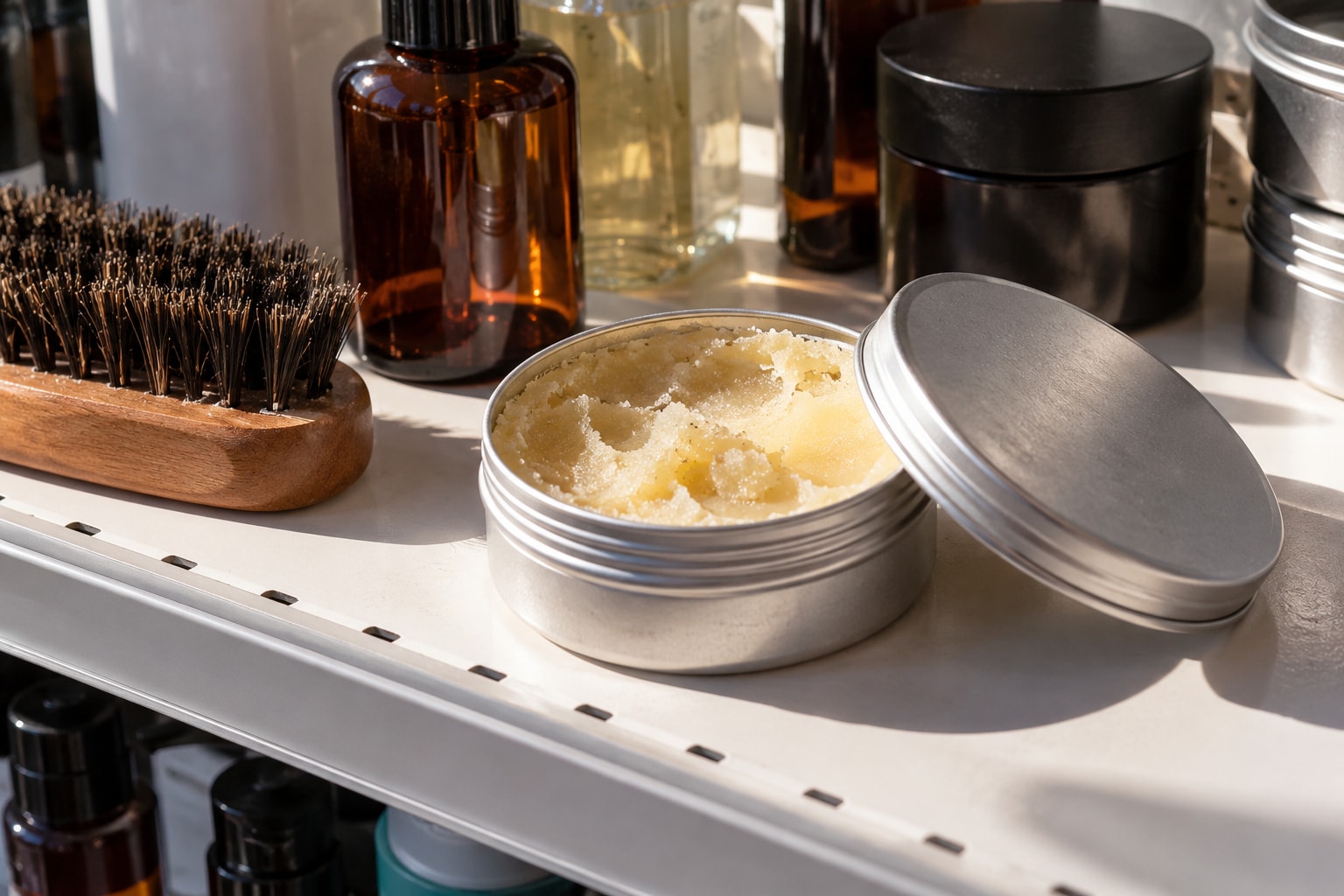
Look for a fragrance-free, hypoallergenic balm or ointment. The Academy lists petrolatum, white petroleum jelly, dimethicone, ceramides, and mineral oil among helpful options.
A thick ointment is often the simplest starting point for dry, cracked lips. It seals in water longer than waxes or oils, according to the Academy. A basic product also makes reactions easier to spot because the ingredient list is short.
Apply it whenever your lips feel dry, after eating or drinking, and before bed. Cleveland Clinic says an overnight ointment can keep the area protected for longer. There is no prize for using the smallest amount.
3. Add separate sun protection for daytime
Before going outside, use a non-irritating lip balm labelled SPF 30 or higher. Choose zinc oxide or titanium dioxide filters, which the Academy recommends, and reapply about every two hours.
If an SPF lip balm stings, stop and try another formula after the irritation settles. Sun protection still matters, but a painful product won't make a good daily habit. A hat and shade reduce exposure without touching the lips.
4. Stop mechanical damage
Don't peel, bite, or pick loose skin. Skip salicylic acid and any product that burns or stings while your lips heal.
If a flap catches, soften the area with ointment and leave it alone. Repeated picking can make a small dry patch look worse than it was.
5. Change the environment, not your whole life
Drink normally and respond to thirst, since Cleveland Clinic includes hydration in basic care. More water won't remove an allergy or product reaction, and dry lips aren't proof that you are dehydrated.
Use a humidifier if your room air is dry, especially if you breathe through your mouth at night.
6. Give the routine enough time
The Academy says noticeable improvement often takes two to three weeks. Cleveland Clinic gives a similar recovery range for chapped lips. A claim that every split will disappear overnight is not realistic.
Comfort may improve before the surface looks smooth, so watch for less stinging, fewer new cracks, and longer gaps between applications. Those changes matter more than one close-up photo.
What is the best lip balm for dry lips?
The best lip balm is one you tolerate and use consistently. Price, flavour, shine, and a long ingredient list don't predict whether it will suit irritated lips.
For a healing phase, look for:
- fragrance-free and unflavoured formulas
- petrolatum or white petroleum jelly
- dimethicone, ceramides, or mineral oil
- SPF 30 or higher for outdoor use
- zinc oxide or titanium dioxide if those filters suit you
Avoid products that cause burning, stinging, or tingling. While your lips are chapped, also avoid menthol, camphor, eucalyptus, fragrance, and strong mint or cinnamon flavouring. The Academy includes lanolin on its temporary avoid list as well.
“Natural” doesn't mean gentler, since citrus, mint, cinnamon, and fragrant products can still irritate damaged lips. A plain pharmacy ointment may be less exciting, but the aim is fewer variables.
Should you exfoliate peeling lips?
Active exfoliation is a poor first move when your lips are split or sore. The visible flakes sit on a surface that is trying to heal. Pulling them can restart soreness and bleeding.
The Academy advises against picking and lists salicylic acid among ingredients to avoid during chapping. That supports a simple rule: protect first, then reassess once the lips feel comfortable.
Smoothness may return more slowly than you want, so let it. A close camera and hard side light can make small flakes look deeper, so compare progress under the same soft light.
How can you track whether your lip routine works?
Use a short log instead of checking the mirror all day. Note the product, daily applications, discomfort, and any clear trigger on a zero-to-ten scale.
Take one photo each week in the same place, with similar camera distance, expression, and lighting. Keep it private; you don't need strangers to judge a dry lip.
Track practical changes:
- fewer painful splits
- less burning after products
- less peeling or picking
- no new cracks at the corners
- longer comfort between applications
This keeps the process calm because daily photos can turn normal shifts in shine and hydration into false setbacks.
When should you see a clinician?
Book a GP or dermatologist if your lips worsen or fail to improve after two to three weeks of bland care. Go sooner if they are hot, painful, swollen, or bleeding often.
Persistent scaling may have another cause, since allergy, yeast infection, and actinic cheilitis can resemble chapped lips. Actinic cheilitis is a precancerous change linked to long-term sun exposure and needs professional assessment.
A dermatologist may use patch testing when allergic contact cheilitis is suspected. DermNet says testing often includes the person's own lip products and toothpaste. That is more reliable than cycling through ten new balms.
Cracked mouth corners also deserve a proper look if they keep returning. Angular cheilitis has several possible causes, so treatment depends on what the clinician finds.
FAQ
How long do chapped lips take to heal?
Ordinary chapped lips often show noticeable improvement within two to three weeks of consistent, non-irritating care. If they don't improve in that time, the American Academy of Dermatology recommends seeing a dermatologist.
Is petroleum jelly good for chapped lips?
Yes, white petroleum jelly seals in water longer than waxes or oils, so the Academy recommends it throughout the day and before bed.
Why won't my chapped lips heal?
Continued licking, picking, dry air, sun, irritating lip products, or an allergy can keep chapped lips active. Persistent cases may also involve medicine, infection, angular cheilitis, or sun damage, so seek care after two to three weeks.
Can lip balm make dry lips worse?
Yes, fragrance, flavourings, menthol, camphor, eucalyptus, and some other ingredients can irritate chapped lips. Stop any balm that burns, stings, or tingles, then switch to a bland fragrance-free ointment.
Should you exfoliate chapped lips?
Don't exfoliate lips that are cracked, bleeding, or sore. Avoid picking loose skin and salicylic acid while they heal. Use a bland ointment and let loose skin shed without pulling it.