Quick answer
Benzoyl peroxide beard bleaching can happen: an acne treatment can lighten facial hair, sometimes leaving orange patches. Ordinary washing won't restore pigment that has already been chemically altered. The practical fix is to prevent further exposure and let the affected lengths grow out, trimming them if you want. If you need acne treatment beneath your beard, ask a pharmacist or dermatologist about a suitable alternative.
The orange-beard effect is documented
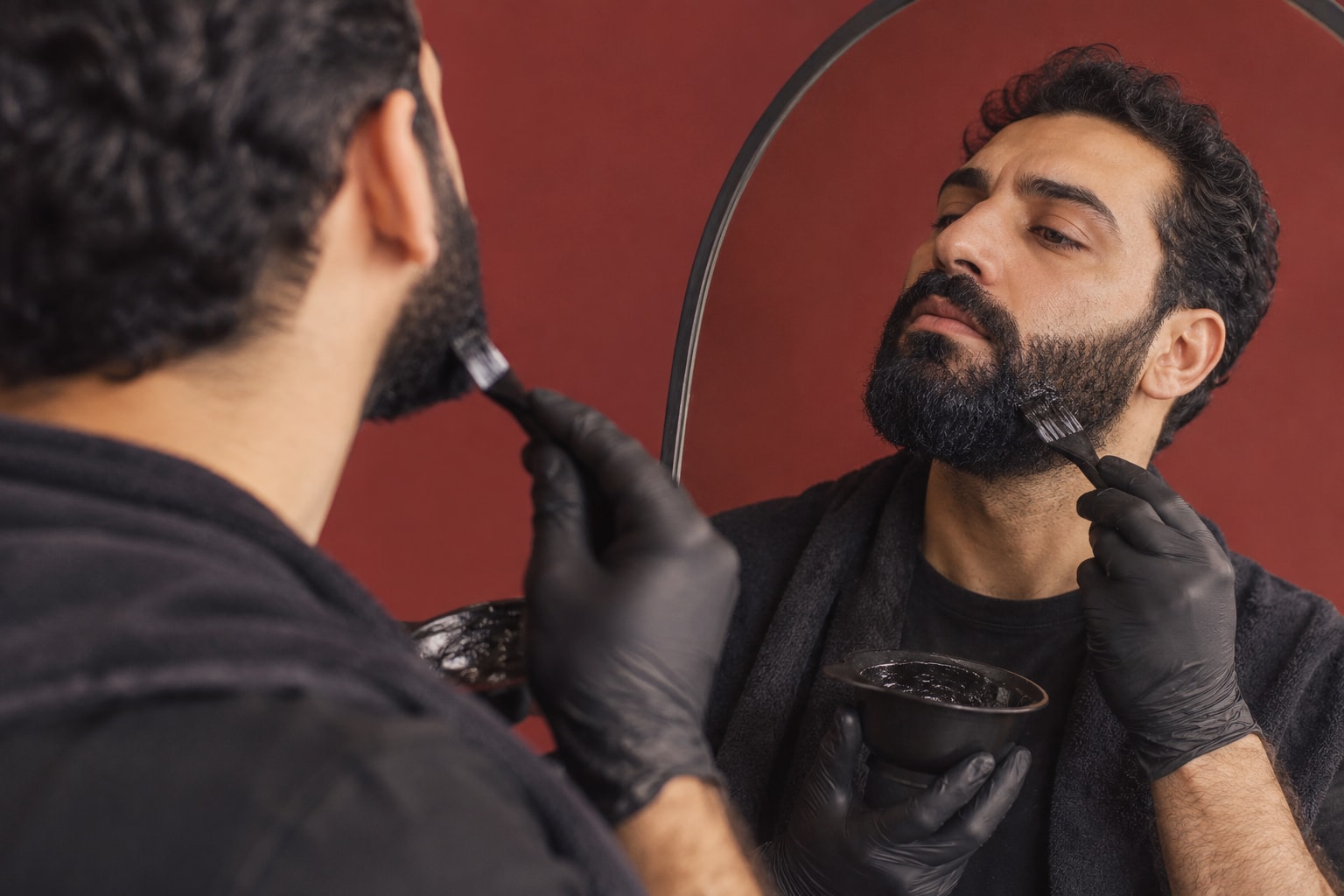
Dermatologist Lawrence L. Bushkell reported this exact problem in Archives of Dermatology in 1974. A 19-year-old used a 5% benzoyl peroxide product daily for acne beneath his black beard. Four weeks later, his acne had improved, but his beard had become patchy orange.
The report describes one patient, so it doesn't tell us how often bleaching happens or which beard colours change most. Four weeks is an observation, not a countdown you should expect.
The NHS still advises keeping benzoyl peroxide away from hair because it can bleach it.
Check whether the hair itself has changed
Start by looking for benzoyl peroxide among the active ingredients on your label, including in combination acne medicines. Write down when you started it and where you apply it.
At your next normal wash, gently clean your beard, rinse thoroughly and let it dry. The American Academy of Dermatology recommends gentle cleansing and warns that scrubbing can worsen beard acne. You don't need to scrub.
Then inspect a few hairs in a mirror:
- If a visible coating washes away, that coating wasn't permanent bleaching.
- If the strands remain lighter, washing hasn't removed the colour change.
- If the skin beneath looks different, don't assume the hair explains it.
These checks help you explain the problem to a pharmacist, but they don't establish a diagnosis. Note whether the changed hairs sit where the treatment touches your beard, and bring the product label to the appointment.
Prevent more contact without abandoning acne care
Check whether your product is a wash or a leave-on treatment, because they have different directions. Don't leave a wash on overnight, and don't turn a prescribed leave-on product into a wash without advice.
For example, the PanOxyl 4% wash label specifies gentle massage for one to two minutes, followed by thorough rinsing. Follow your own label rather than borrowing another product's timing. Wash your hands afterwards, as the NHS advises.
Rinsing is correct use, but a product can have both rinse-off directions and a hair-bleaching warning.
If the treated skin sits beneath dense facial hair, avoiding the hairs may be impractical. Ask about changing the treatment rather than repeatedly trying to work around every strand. If your product was prescribed, contact the prescriber before changing the regimen for a colour concern.
The American Academy of Dermatology lists salicylic acid among treatments for beard acne, giving you an option to discuss. Ask whether it suits your breakouts instead of adding it to benzoyl peroxide yourself. The AAD notes that beard bumps can be ingrown hairs rather than acne, which changes what care you need.
What can restore the appearance?
Plan around replacing the lightened lengths, rather than washing them darker.
In a 2018 laboratory study, Anita Grosvenor and colleagues found that cosmetic peroxide bleaching broke down melanin, the pigment in hair. That study used a peroxide-persulphate bleaching treatment, not benzoyl peroxide acne medicine.
The distinction matters: the study explains pigment loss during bleaching, but doesn't measure damage from your face wash.
Based on that chemistry, washing off leftover product won't rebuild pigment already lost from a strand. Letting the lightened lengths grow out is a reasonable approach, but these sources haven't tested it as a beard recovery plan. They don't establish a recovery schedule, so a promise of normal colour within seven days would be unsupported.
You can leave the colour alone or ask a barber to trim the lighter lengths if you prefer a shorter beard. Avoid a close shave solely to remove colour if shaving already gives you ingrown hairs.
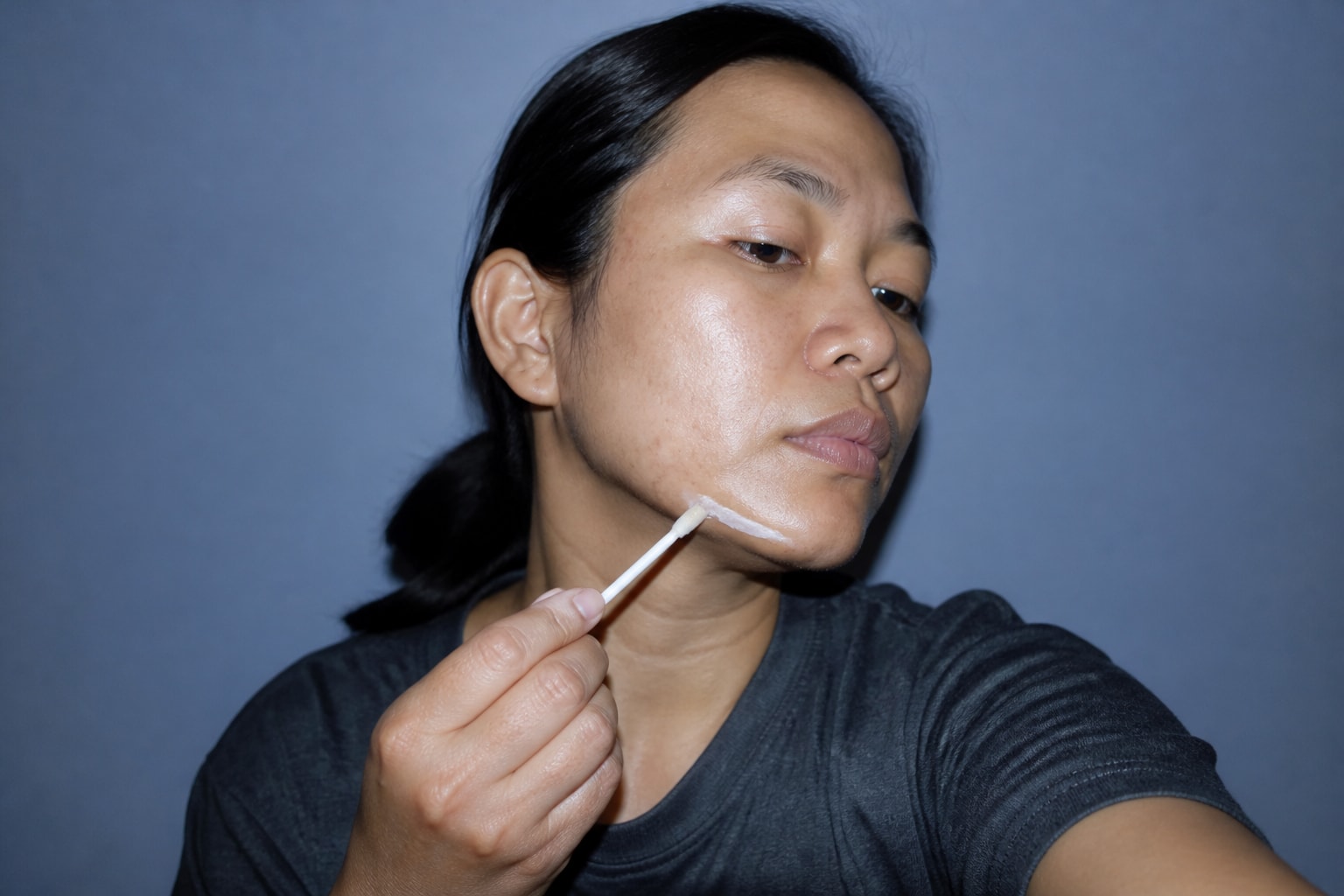
Don't rush into dye. The FDA warns against colouring hair over irritated or damaged skin and recommends a skin patch test before every use. A professional colourist should know about the acne product and any skin symptoms before suggesting a correction.
When this needs medical advice
If your skin also hurts, follow the PanOxyl label's advice to stop use and ask a doctor when irritation becomes severe. Don't keep applying it through worsening burning or swelling just to preserve your acne routine.
Ask a pharmacist or doctor about dryness, peeling or itching that bothers you or doesn't settle, as the NHS advises. Breathing difficulty or sudden tongue or throat swelling needs emergency help.
See a dermatologist for hair loss or a skin problem that persists, as the American Academy of Dermatology recommends.
FAQ
Can a benzoyl peroxide face wash bleach my beard?
Yes, the PanOxyl 4% wash label explicitly warns that it may bleach hair, so brief contact doesn't make bleaching impossible. If your beard keeps changing colour, discuss another treatment.
Will a lower strength prevent the colour change?
A lower strength doesn't come with a guarantee against bleaching. The label for a 4% wash still carries that warning. Its advice about lower concentrations concerns skin irritation, not proven protection of hair colour.
Do I have to shave my beard off?
No, shaving is optional, and you can keep your beard's length while trimming the lighter ends gradually instead. If close shaving causes bumps, don't create another problem to solve this one.
Can beard dye cover the lighter hairs?
Ask a qualified colourist about covering patchy colour with a product intended for facial hair; dye won't reverse the bleaching. Follow its directions and skin-test instructions. Wait if the skin is irritated, and don't use beard dye on eyebrows or eyelashes.