Quick answer
Eyebrows turn orange after microblading when the pigment's colour balance changes, sometimes leaving warm tones more visible. Freshly treated brows can also look reddish because the skin is healing, while laser removal can uncover previously hidden colours. Check when the change began before choosing a fix, and don't try to bleach or scrub the pigment out.
Why brown pigment can become orange
Brown brow pigment can contain several colours, rather than one brown ingredient. A 2021 review by dermatologist Manjot Kaur Marwah and colleagues describes blends containing red, yellow and black.
That review links repeated sun exposure with colour shifts, including reddish tones in some iron-oxide pigments. A separate 2025 review by Mansak Shishak and Madhu Kuthial describes mixed pigments revealing other shades over time. It also identifies pigment type and placement depth as factors in unwanted colour changes.
These clinical reviews explain possible colour shifts, but they don't track how often each pigment brand turns orange.
Ask for records listing the original brand, shade and any colour mixtures instead of guessing about your skin's chemistry. Orange alone doesn't establish that your artist used poor-quality ink, or that every future treatment will do the same.
Start with when the colour changed
The timeline helps you decide whether to wait for a routine review or seek medical care.
During the first days after treatment
Freshly treated brows can look different during healing, which the American Academy of Dermatology says may involve redness, soreness and flaking.
Look at the skin as well as the strokes. Check whether soreness is easing or redness is spreading beyond the treated brow. Don't assume a painful, itchy or swollen patch is simply orange pigment.
Get medical care promptly for spreading redness, worsening pain, pus, fever or open sores. Persistent raised or itchy areas also need assessment, even when the microblading is old.
Months or years after microblading
A gradual colour shift in healed brows fits the pigment changes described in the clinical reviews. It doesn't establish which ingredient remains.
Tell the person assessing your brows about every touch-up or correction, including treatments done elsewhere. Ask them to assess the existing colour before discussing another appointment.
After laser removal
Laser treatment can reveal colours that weren't visible before, a change clinicians call pigment unmasking.
In 2023, Elizabeth Kream and colleagues reviewed 76 patients treated for eyebrow or eyeliner tattoos at one specialist centre. After initial treatment, 26.3% had newly visible colours, including orange, red and yellow.
That figure isn't the chance of untreated microblading turning orange. The study examined people seeking removal, included eyeliner tattoos and had no untreated comparison group.
What you can safely do now
Start by recording the change and avoiding new treatments until you know what you're dealing with.
Make a short record for your consultation
Write down the treatment date, touch-up dates and when you first noticed the orange tone. Include any laser sessions and new symptoms.
For a practical photo record:
- Use the same phone, room and lighting each time.
- Keep filters and beauty modes off.
- Take one full-brow view and one closer view.
- Record whether you're wearing brow makeup.
Use these photos to show your clinician the sequence, alongside the pigment records and any symptoms you've noticed. Keep them private unless you choose to share them with your care provider.
Use temporary cover only on healed skin
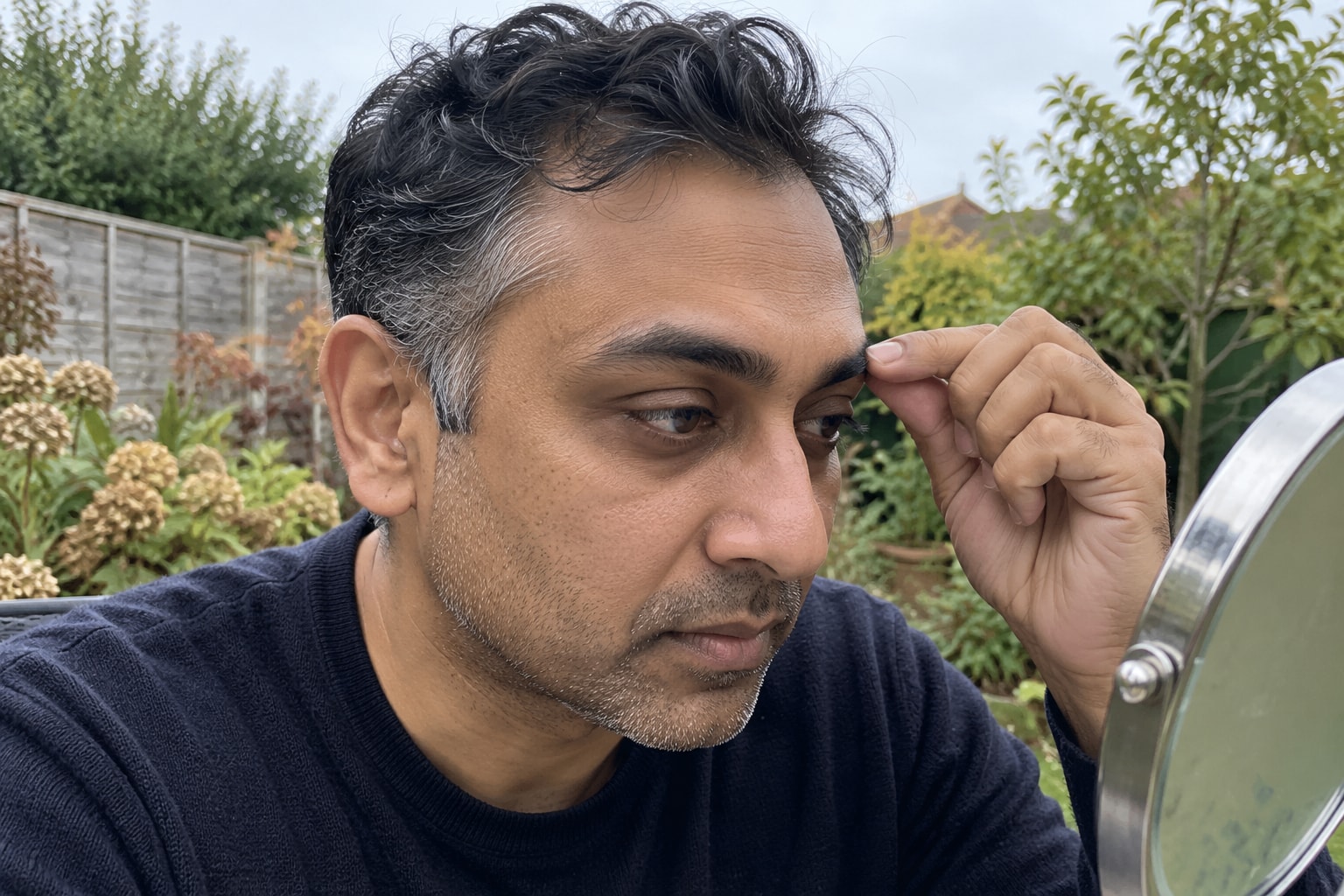
If your skin is fully healed and comfortable, brow makeup offers a reversible way to soften the colour. In Harper's Bazaar, brow specialist Autumn Estelle recommends a fine brow pen or concealer to camouflage unwanted pigment.
Try a small amount before buying several products. You can stop with camouflage if you're comfortable with the result; booking another procedure is optional.
Keep makeup off fresh, broken or irritated skin. Follow the aftercare instructions you received, and ask your clinician when the area is ready for cosmetics.
Skip home removal products
Don't use tattoo-removal creams, strong peels or abrasive scrubs to chase the orange colour.
The FDA says removal creams can't reach tattoo pigment in the deeper skin. It hasn't found evidence that these products safely remove tattoos, and warns about burns, rashes and scars.
Correction and removal need different conversations
Before booking another treatment, decide whether you want a different colour or less pigment.
The 2021 microblading review describes professional colour correction as an option for some unwanted shades. Correction adds pigment to change the appearance; it doesn't remove the original material. Ask what the practitioner expects after healing and what happens if the result still looks too warm.
For removal, consult a dermatologist or another qualified medical professional experienced with cosmetic eyebrow tattoos. Bring your treatment history and any pigment details you can obtain.
Ask these questions before agreeing to treatment:
- Have you treated this brow colour and skin tone before?
- How will you protect my eyes and eyebrow hair?
- Could another colour appear, or could the pigment darken?
- What result is realistic if complete removal isn't possible?
Kream's study highlights eye protection, hair protection and pigment unmasking as specific concerns around the brows. The FDA also warns that permanent makeup can darken during laser treatment. This is a different reaction from exposing an existing orange shade.
Multiple appointments may be needed, with healing time between them. Don't treat a promised session count as a guarantee of complete clearance.
FAQ
Does all microblading eventually turn orange?
No, published reviews describe several possible colour changes, including reddish, grey and greenish tones. They don't establish that every pigment follows the same path, or provide a reliable percentage for orange brows.
Will orange brows settle as they heal?
Early redness can settle, but that doesn't guarantee the pigment will become the shade you wanted. Arrange a review with your practitioner rather than adding products yourself. Seek medical care sooner if pain worsens, redness spreads or discharge appears.
Can orange microblading fade completely on its own?
It may fade, but complete disappearance isn't assured. Marwah and colleagues note that some strokes can remain permanently despite the term semi-permanent. Ask about realistic options if the remaining colour bothers you.
Can laser remove orange eyebrow pigment?
Laser may help, but the colour alone doesn't predict the result. Pigment mixtures, your skin and previous treatments affect the assessment. A qualified medical professional should explain possible colour changes, skin injury and incomplete removal before treatment.