Quick answer
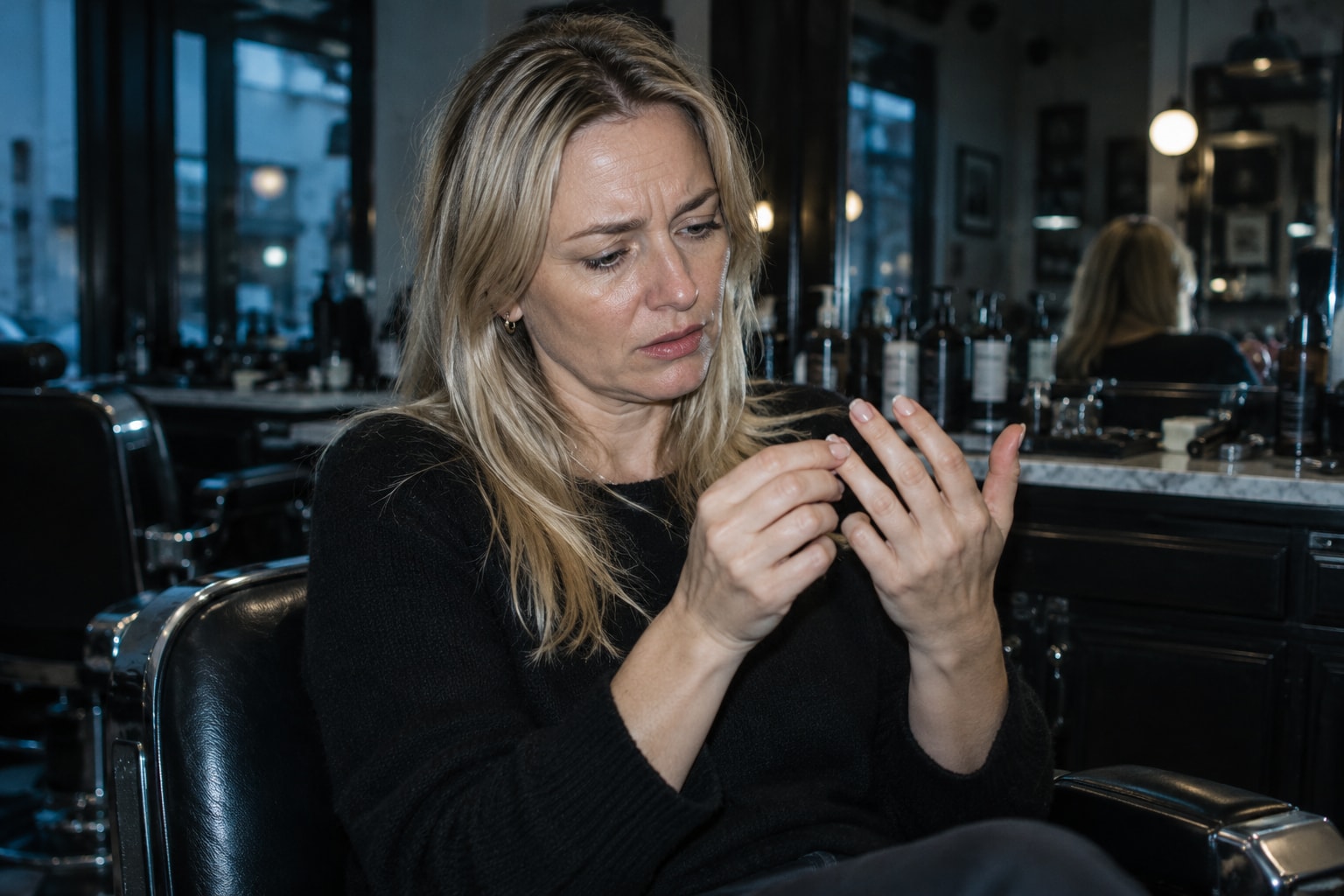
If nail hardener makes nails hurt, stop using it and follow the product's removal directions. Irritation, an allergic reaction or nail lifting may be involved. Burning isn't a sign that your nails are getting stronger. Get medical advice if pain persists, your nail lifts, or the surrounding skin becomes swollen and warm.
What to do when the pain starts
Stop adding coats if pain starts, even when the bottle tells you to build up layers over several days.
- Remove an ordinary polish-like hardener according to its directions, without peeling, scraping or filing it off.
- If removal causes strong pain, stop and ask a pharmacist or clinician how to proceed.
- Leave the nails free of polish while you arrange advice about an ongoing reaction. Don't hide the problem with artificial nails.
- Keep the bottle, photograph its ingredient list and note when you applied it and when symptoms began.
The American Academy of Dermatology warns that artificial nails can worsen an existing nail problem.
After removal, use hand cream on your nails and fingertips if you can do so comfortably. The NHS recommends regular moisturising and gloves when washing dishes or handling cleaning products.
What the pain could mean
Pain alone can't identify the cause, so check the surrounding skin and whether the nail is still attached.
Irritation from the product
The FDA says formaldehyde-containing nail products can irritate skin, while DermNet warns that polish removers can also dry and irritate nails.
Tell your clinician whether burning began with the hardener or during removal, since both exposures matter. Don't keep switching removers to test which one hurts least.
An allergic reaction
DermNet describes swollen fingertips and rashes that develop within hours or a day or two of contact with nail cosmetics.
Mention any rash on your eyelids, mouth or neck, where nail products can reach your skin through touch.
A dermatologist can use patch testing to investigate suspected nail-product allergy. Don't recreate the reaction by applying another coat at home.
The nail lifting from its bed
Onycholysis means your nail has separated from the skin beneath it, often leaving a white, opaque area.
DermNet lists nail cosmetics, repeated manicure trauma, prolonged water exposure, infections and skin conditions among the possible causes. The timing may implicate your hardener, but it doesn't prove the cause.
Don't dig under the pale area to check its size, because further trauma can keep the separation going.
What the evidence actually shows
Painful reactions to nail hardeners are documented, though case reports can't tell us how often they happen.
In 1966, dermatologist Paul Lazar reported a severe reaction to a formaldehyde-containing nail hardener in Archives of Dermatology. The patient had throbbing pain, swelling and nail damage. Five other patients reacted to formaldehyde and the hardeners; their reactions settled after stopping them.
That small, old report doesn't establish the risk from every modern formula. It does show why advice to tolerate burning deserves no trust. A product can harden nails and still cause harm.
Check the ingredients, not just the product name
The FDA explains that formaldehyde binds to keratin, the protein in nails, to make them harder. Frequent use can leave nails more brittle and prone to peeling or breaking.
On labels, formaldehyde may also appear as formalin or methylene glycol. Another ingredient, tosylamide/formaldehyde resin, helps form a durable coating and can cause allergy too.
DermNet notes that most people allergic to this resin don't also have a formaldehyde allergy. Bring the full ingredient list to your appointment instead of deciding which chemical you're allergic to yourself.
When to get your nails checked
Arrange medical advice for persistent pain, new lifting or unexplained changes in nail colour or shape. The NHS specifically advises seeing a GP when surrounding skin becomes sore, red, swollen and warm.
These skin changes can signal an infection, so don't assume every painful nail is reacting to the hardener.
Tell your clinician about recent filing, gel removal and other treatments, including products removed before you applied the hardener.
What recovery can look like
Stopping the trigger and repairing nail damage run on different timelines. DermNet says nail-cosmetic dermatitis should improve after the offending product is removed, unless complications delay recovery.
A lifted section won't stick back down; treatment aims to let new nail grow while staying attached. DermNet gives four to six months for a fingernail to regrow fully; that isn't a promised recovery date.
Keep loose nails short enough to avoid catching, without cutting into attached tissue. Avoid picking or pushing tools underneath while your clinician checks why the nail lifted.
FAQ
Is burning normal when nail hardener starts working?
No. Burning doesn't tell you whether a hardener works, and published cases document painful reactions to these products. Stop applying it instead of completing the schedule through pain.
Can a formaldehyde-free hardener still cause a reaction?
Yes. Resins and other ingredients can cause reactions even when a product contains no formaldehyde. Ask about patch testing before trying replacements if a clinician suspects contact allergy.
Can I cover the painful nail with gel or acrylic?
Avoid covering the painful nail with gel or acrylic, because the American Academy of Dermatology warns this can worsen nail problems. Ask about the cause before booking another manicure.
Will a nail lifted by hardener grow back normally?
It can recover, but the cause and extent of damage matter. The detached part won't reattach. New growth may stay attached after the trigger is addressed, so get lifting checked rather than waiting months without advice.