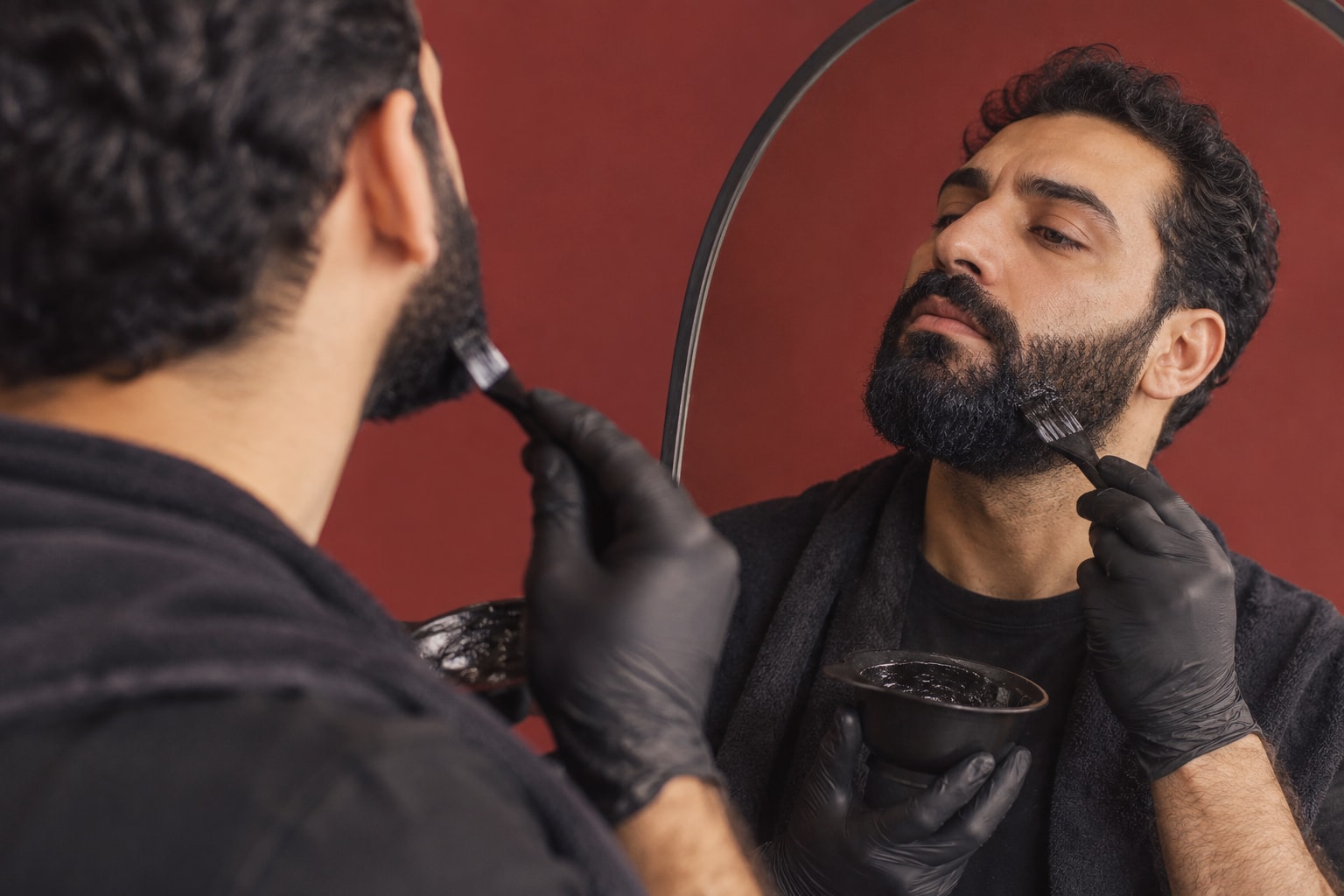
Quick answer
Can beard dye cause hair loss? It can make a beard look thinner, but true follicle loss isn't the usual first explanation.
Permanent dyes can weaken the hair shaft, so some hairs snap, and dye can also trigger skin irritation or allergy. A bad reaction may lead to shedding, but direct beard data are thin.
Stop using the product if you have burning, itching, a rash, or swelling. A smooth bald patch, ongoing shedding, or broken skin needs a doctor.
Breakage, dermatitis, and shedding are different
Hair breakage happens above the skin; the follicle can still work while snapped hairs make the beard look thin.
A 2023 review found that permanent dyes can harm the hair's outer cuticle and inner cortex. This can weaken the shaft and raise breakage risk, though most lab work tests scalp hair rather than beards.
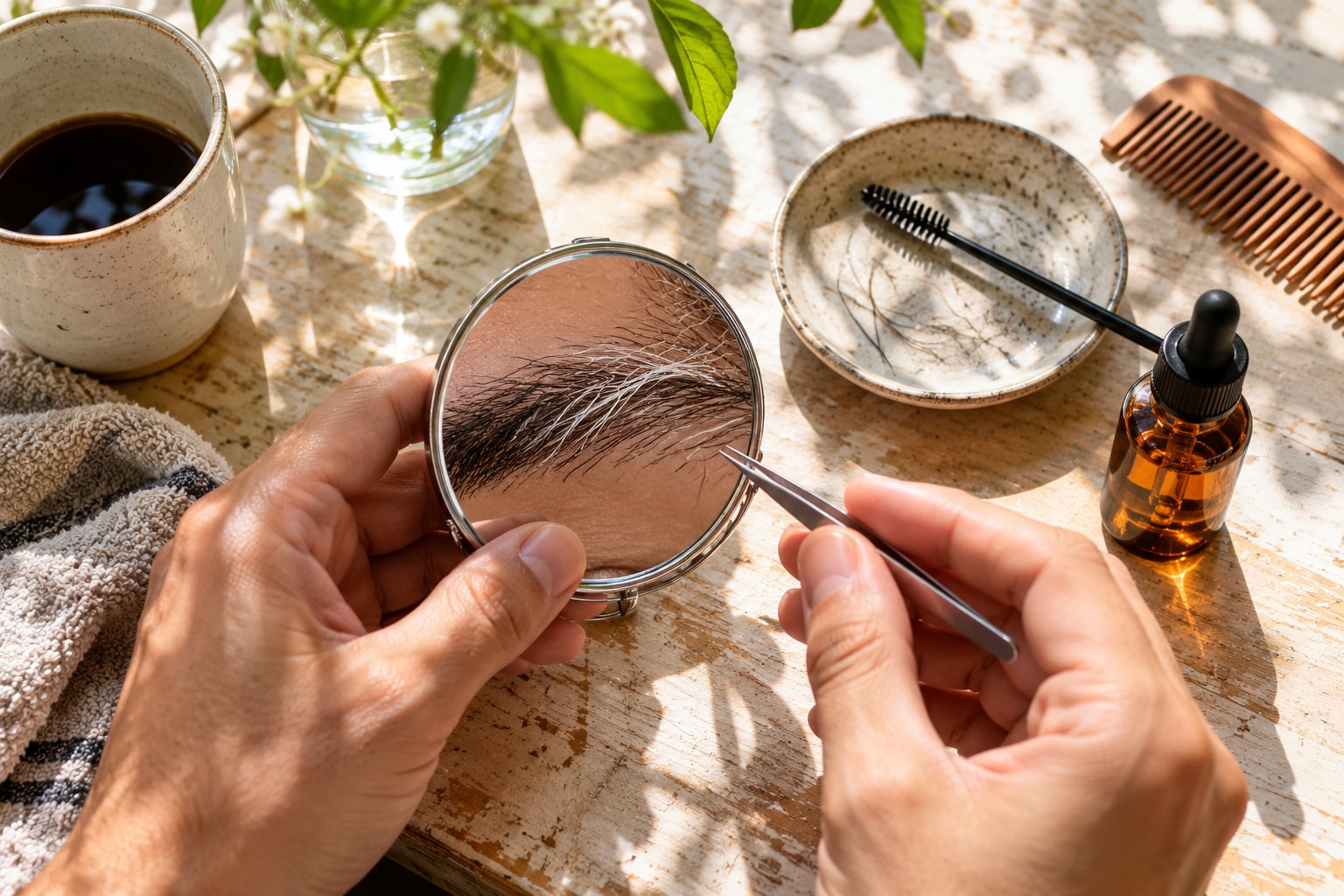
Look for short pieces, uneven stubble, a rough feel, or many hairs ending at different lengths. These clues point to breakage but don't prove it, so a skin doctor may need to check the hairs and skin.
Dermatitis is a skin reaction, and many permanent or semi-permanent dyes contain paraphenylenediamine, usually shortened to PPD. An allergy can start after earlier uses caused no trouble.
The NHS says reactions may include burning, itching, tightness, soreness, blisters, and swelling, with symptoms appearing up to 72 hours later. On brown or black skin, a rash may look purple, grey, darker, or less obvious.
Beard data are thin: a Mayo Clinic report described eight Arabic men with PPD-positive patch tests. Each developed an itchy, red, bumpy jaw rash after applying beard dye, then improved after stopping it and getting medical care.
That report confirms beard dye can inflame beard skin, but it doesn't show how often this happens to other people.
True shedding from the follicle may appear later: one small study followed eight women after acute allergic scalp dermatitis. Seven completed follow-up, and four developed mild to moderate shedding two to four months later.
That study involved scalp hair, not beards, and was too small to estimate risk. It shows a possible path from marked inflammation to delayed shedding, not a normal outcome of dyeing.
If hairs came out during the same rinse, look for short snapped pieces and check the skin. The study found delayed shedding, not instant loss, so same-rinse timing alone can't reveal the cause.
Check your skin before counting hairs
Skin symptoms give more useful information than a single handful of wet hair.
- Burning or stinging while the dye is on can signal irritation. Rinse it off at once.
- Itching, tightness, a rash, bumps, or blisters within three days can fit a dye reaction.
- Swelling around the face, eyelids, lips, mouth, or tongue needs prompt attention.
- Trouble breathing, throat tightness, fainting, or severe dizziness is an emergency. Call your local emergency service.
Don't assume that no rash means the dye caused a bald patch. A smooth, growing, or lasting gap can have another cause and needs a doctor, not another home test.
What to do now
When a reaction is happening, stop the dye and wash the dyed hair and nearby skin with mild shampoo and water, avoiding the eyes.
Don't add another dye, bleach, or colour remover to sore skin. More exposure makes the cause harder to identify and may provoke another reaction.
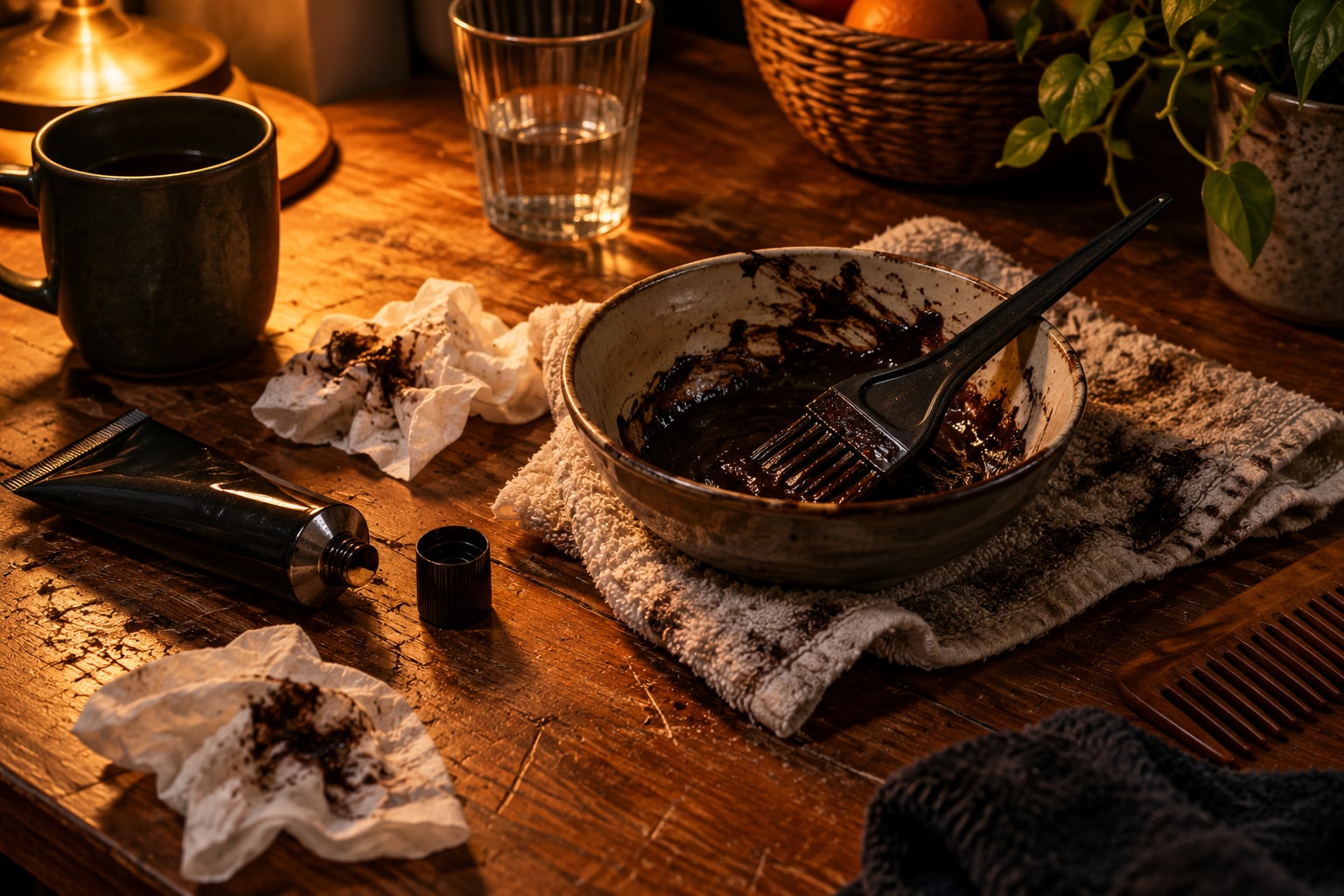
Save the box, instructions, and ingredient list, then photograph the reaction and note when dyeing and symptoms started. This record helps a pharmacist, GP, or skin doctor check the timing.
Ask a pharmacist about a mild reaction, and contact a doctor if symptoms worsen, fail to settle, or include a clear bald patch.
Avoid pulling hairs to test them because a home tug count can't identify the cause and may dislodge hairs.
Track the beard without feeding mirror anxiety
Use one weekly photo session instead of checking throughout the day, taking front, left, and right views in the same room. Keep the light, camera, distance, expression, and beard length as similar as possible.
Compare the same small areas for short broken hairs, inflamed skin, or a smooth gap. Store the photos on your device if you want a private record.
This method can't name the cause, but it can show whether the same area is changing or a mismatched photo caused a false alarm.
Can you dye your beard again?
If you had a reaction, don't reapply the dye to confirm it because the NHS advises stopping when any test or full use causes symptoms. A skin doctor can arrange formal patch testing when an allergy seems likely.
For future use without a prior reaction, follow the product label exactly. Use only a product labelled for beards, wear gloves, respect the time limit, and test as directed before every use.
The FDA recommends a skin test before each use but warns that a negative result can't guarantee safety. Formulas can change, and an allergy can start after repeat contact.
Black henna exposure can raise later PPD allergy risk, while a natural or PPD-free claim doesn't prove every ingredient suits you. After a reaction, ask a clinician before choosing another dye.
When the pattern needs a clinician
Book an assessment for a smooth or enlarging bare area, ongoing shedding, repeated reactions, broken skin, or a rash that returns after dyeing.
Don't start a hair-loss drug from timing alone; breakage, allergy, and other causes need different care, and a correct diagnosis avoids more irritation.
FAQ
Does beard dye permanently damage hair follicles?
Current evidence doesn't give a beard-specific rate of follicle damage, though permanent dye can weaken shafts and severe dermatitis can precede shedding. A persistent bare patch needs examination because a photo can't show whether follicles are intact.
Why did beard hairs come out when I rinsed the dye?
Some may have been loose already, while others may have snapped during application or rinsing. Immediate loss differs from the delayed pattern in the small scalp study, so check for short fragments and skin symptoms.
Can PPD allergy start after years of using the same dye?
Yes: the FDA says sensitivity can develop with repeated exposure, and a formula may change. Test exactly as the label directs before every use, though a negative result isn't a guarantee.
Will beard hair grow back after a dye reaction?
Broken hair can grow again when its follicle is healthy, while regrowth after inflammatory shedding depends on the cause and severity. No single timeline fits everyone, so seek medical review if a gap persists or expands.