Quick answer
If your nails curve down when they get long, the bend may be confined to the free edge beyond your fingertip. This documented pattern has no single established cause, and it differs from clubbing, which also changes the attached nail and fingertip. Keeping nails shorter can manage a hooked edge, while new or worsening curvature needs a medical check.
Where the curve starts matters
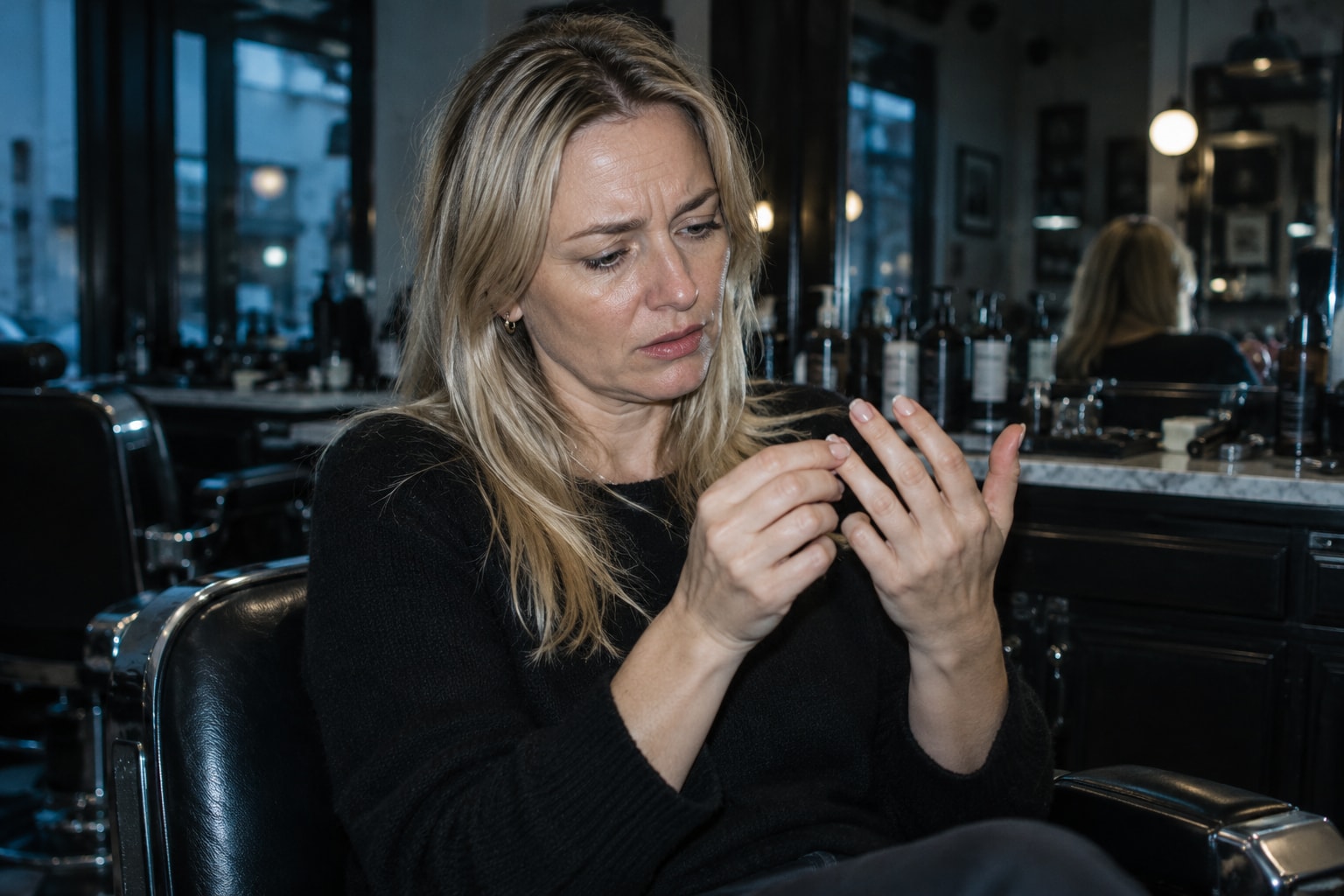
View your relaxed finger from the side to see where the bend begins along the nail. Notice whether it starts beyond the fingertip or involves the part attached to the nail bed.
A pronounced downward hook at the free edge has a medical name: parrot-beak nail. The name describes a shape without explaining its cause, so a photo isn't enough to diagnose it.
In a 2011 report, T. Desai and colleagues described a 55-year-old woman with this pattern in her fingernails. Her nails curled most when she grew them long, although the attached nail plate looked normal and she was otherwise well.
That report shows hooked tips can occur without obvious illness, but one case can't establish how common this pattern is.
If you usually keep your nails short, first noticing a curve after growing them doesn't establish when it began. Tell a clinician about that timing instead of assuming that length caused a new disorder.
What the evidence can explain
The reason for free-edge curling remains uncertain. In their review, Stella Chen and Philip Cohen discussed possible causes, including injury, but said the mechanism wasn't established.
Their own case series included 10 men aged 63–89, all with affected toenails rather than fingernails. Their fingernail evidence came from earlier reports, so the series can't automatically explain curling fingernails in younger adults.
The useful finding concerns management: trimming removed the hooked length, but didn't cure the tendency to curve.
MedlinePlus notes that damage to the nail bed or base can permanently change its shape, making an old injury a useful clue. This matters if one nail changed after being crushed or injured.
The American Academy of Dermatology links iron deficiency with spoon-shaped nails, whose centers dip inward rather than tips hooking down.
How this differs from clubbing
Cleveland Clinic describes clubbing as rounding and widening of the nail, alongside fingertip enlargement and changes around the nail's base. The nail bed may feel unusually soft or springy.
Clubbing can develop gradually and affect only some nails, with early changes that are hard to spot. You can't rule it out because one finger looks different or because the nail doesn't hurt.
Some cases run in families, while others relate to lung, heart or other health conditions. A clinician assesses the whole pattern and your medical history, because a curled tip alone doesn't identify any of those conditions.
Book an appointment if the curve is new, increasing, or comes with changes in fingertip size. Don't wait for pain before asking.
Use a photo to record what you noticed for the appointment, rather than to make a diagnosis.
How to keep hooked tips manageable
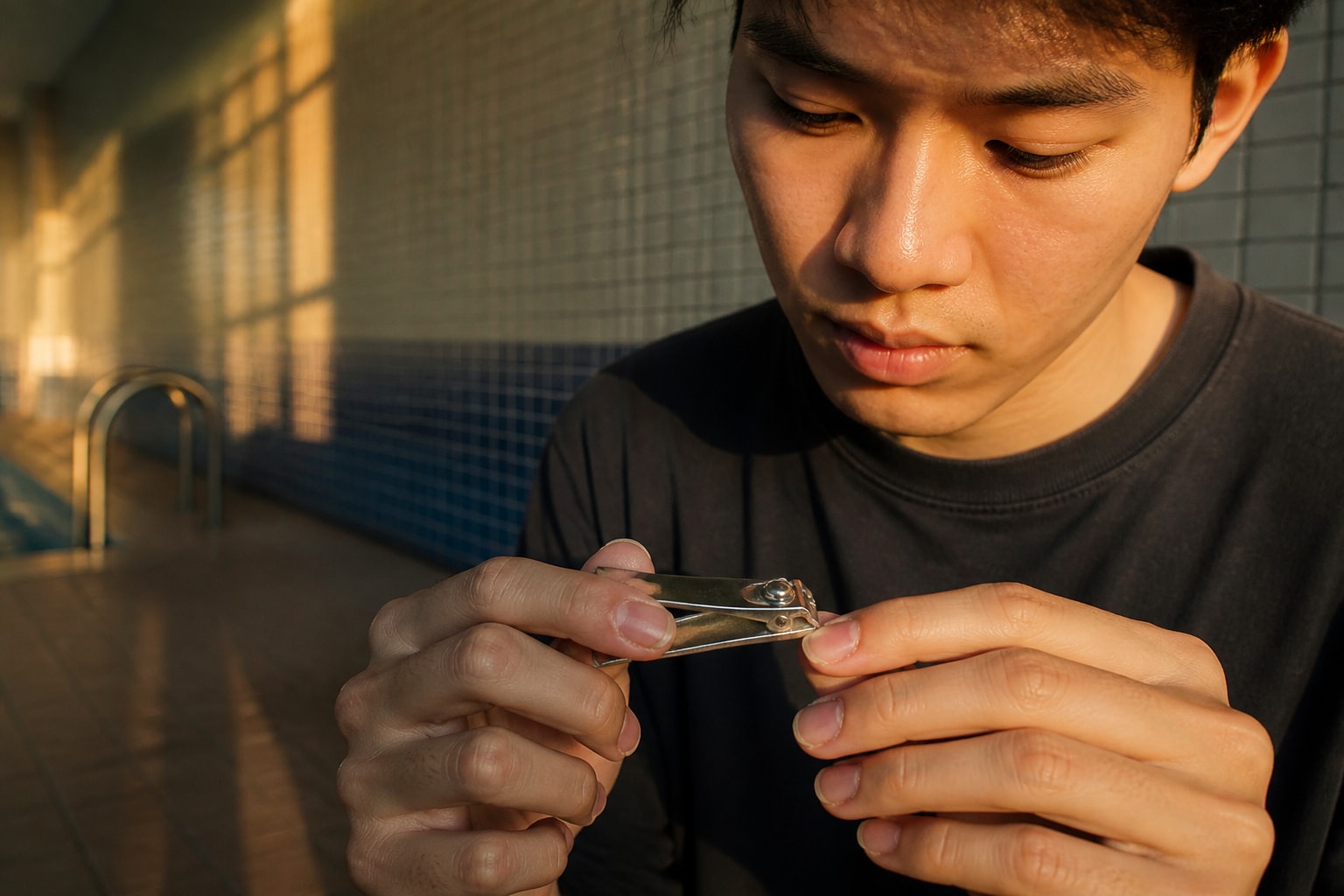
For a longstanding curve that a clinician has assessed as harmless, shorter nails are a practical option. Aim for a comfortable edge that doesn't catch or press into your skin.
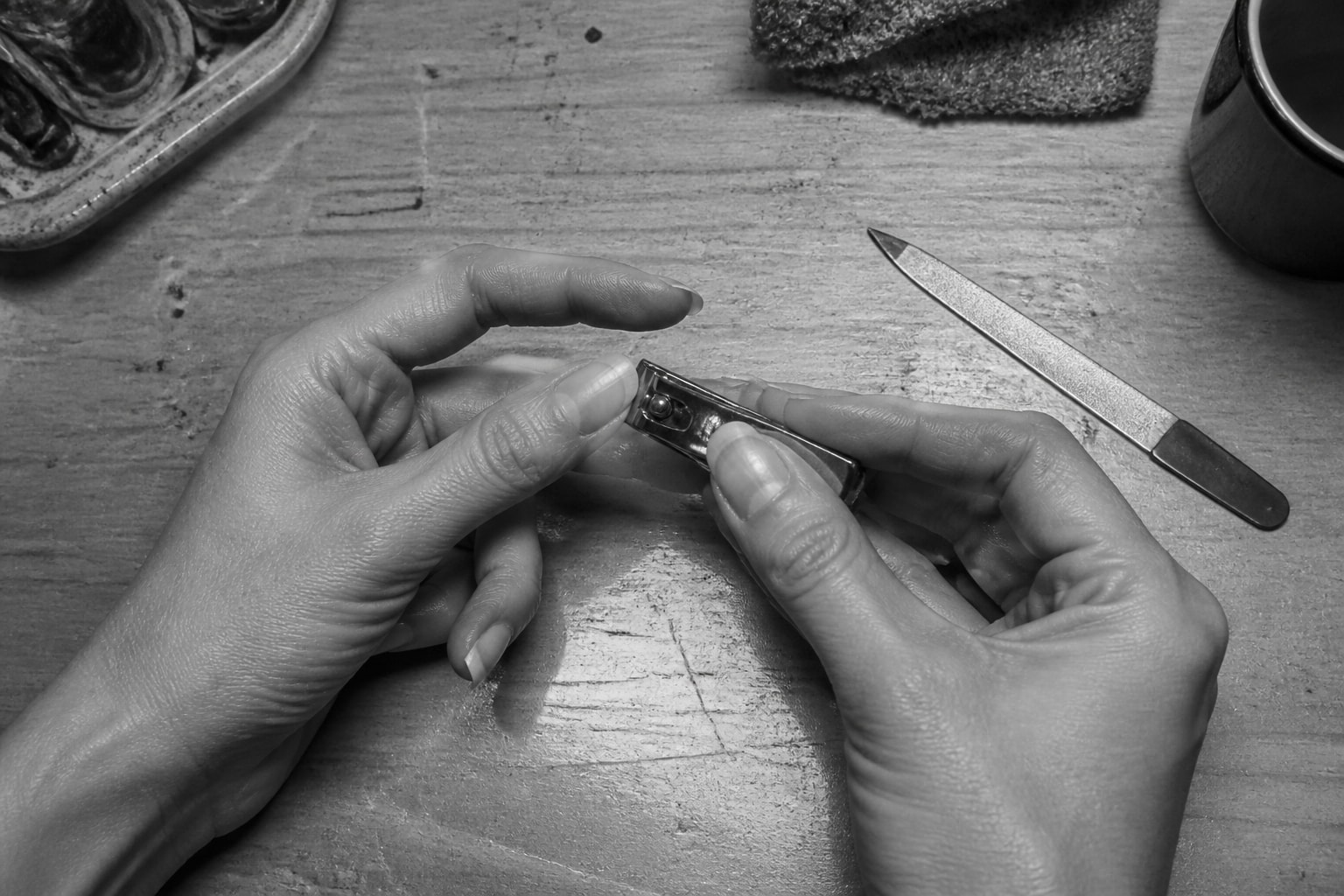
Follow the American Academy of Dermatology's guidance for trimming fingernails:
- Trim after a bath or shower, when nails are softer.
- Use nail clippers or nail scissors for fingernails.
- Cut almost straight across, then gently round the corners with a file.
- Smooth rough edges by filing in one direction.
- Leave the cuticles alone, and moisturize after trimming.
Keep the work at the free edge without forcing a curled nail upward or tearing it away.
If the tip presses into skin, hurts, or is difficult to reach safely, get professional help with trimming. Don't dig underneath it.
Trimming is maintenance. It doesn't establish why the nail curved, and it doesn't treat an underlying health condition.
What to bring to a nail appointment
A short history is more useful than a folder of close-up photos. MedlinePlus says clinicians ask about injuries, repeated moisture exposure and nail picking when assessing changes.
Write down:
- Whether the curve is new or simply newly noticed.
- Which nails are affected.
- Any injury before the shape changed.
- Pain, changes in color, thickening or lifting.
- Whether the fingertip itself looks different.
If you take a photo before trimming, keep it on your own device for the appointment. You don't need to post your nails publicly for strangers to judge.
Let the clinician decide whether an examination is enough or whether tests would help. A curved nail isn't a reason to order a supplement stack.
FAQ
Is it normal for only my index fingernails to curve down?
The number of affected nails doesn't settle the cause. Published reports describe free-edge curling in one nail or several, while clubbing can also affect only some nails. Have a new or changing shape assessed, even if the rest look unchanged.
Can I permanently straighten nails that curl downward?
Trimming can remove a hooked tip, but it may return as the nail grows. Chen and Cohen reported that clipping didn't cure the curvature in their returning patients. These reports don't establish a home treatment that permanently straightens the nail.
Why do my curled nails look straighter after a bath?
Desai and colleagues documented temporary straightening after water soaking in their single fingernail case. That response alone can't confirm the diagnosis or rule out other causes, so ask a clinician instead of testing it repeatedly.
Does downward curling mean I need iron?
A hooked tip alone doesn't establish iron deficiency, while spoon-shaped nails are a different pattern that can be associated with low iron. Ask a clinician about new nail changes before choosing supplements based on their appearance.