Quick answer
Can benzoyl peroxide make skin darker? It can, but usually through irritation rather than a direct pigment effect. Benzoyl peroxide can dry or inflame skin. That inflammation may leave post-inflammatory hyperpigmentation, especially in darker skin tones.
It does not normally bleach skin, although it can bleach hair, towels and clothing. If your skin has become sore, scaly or noticeably darker, reduce irritation before adding another treatment.
Why the colour can change
Benzoyl peroxide treats acne by reducing acne-causing bacteria and helping clear blocked pores. Dryness, redness, itching, peeling and burning are common side effects, according to the NHS.
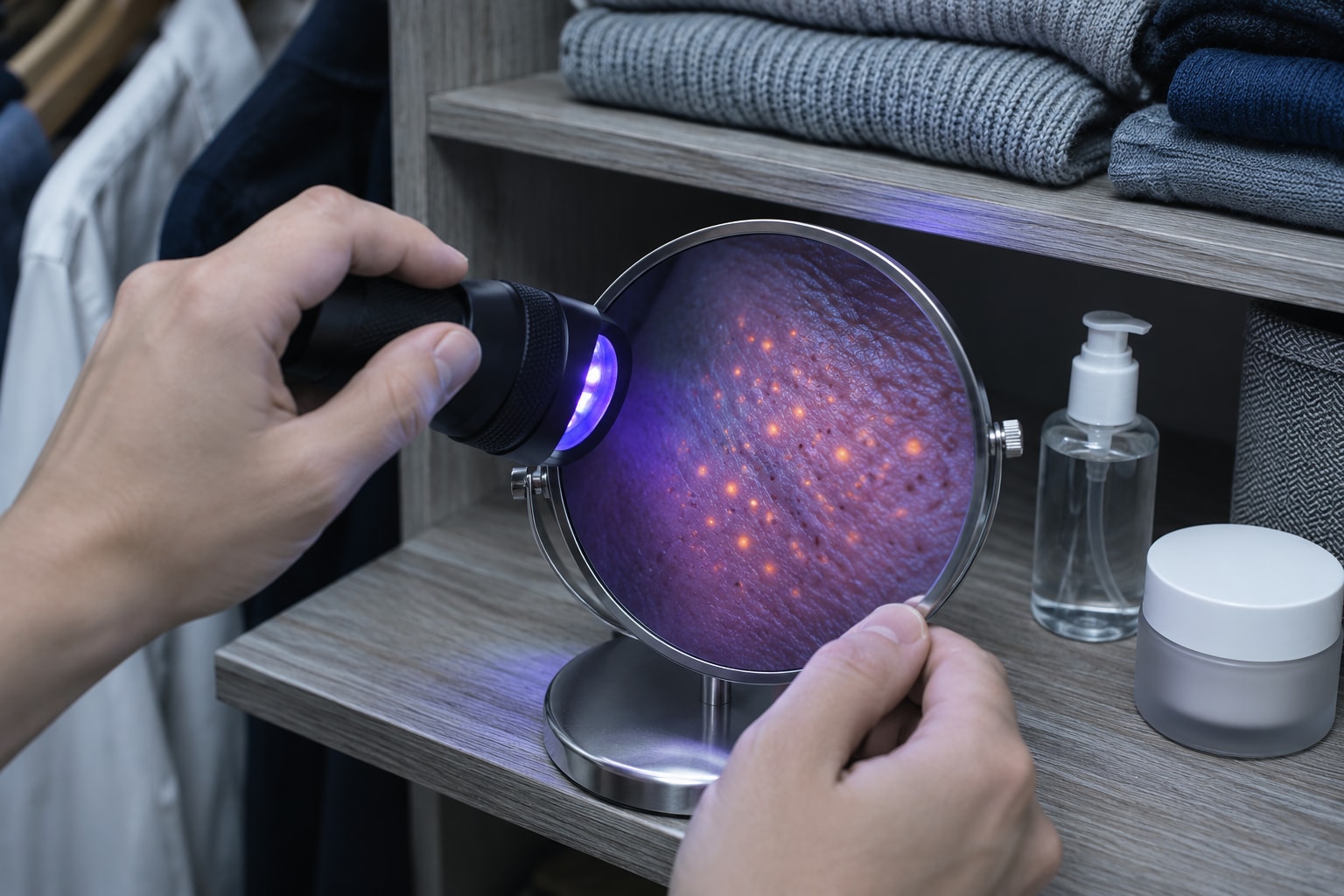
Inflammation can activate extra pigment production as the skin heals. Doctors call the resulting mark post-inflammatory hyperpigmentation, or PIH. It can happen in any skin tone, but it is more common and often more visible in darker skin.
The acne itself may be responsible. Pimples frequently leave brown, dark brown or blue-grey marks after they flatten. These marks usually match the position and shape of the earlier spots.
Timing helps separate the two causes. Marks limited to healed pimples point toward acne-related PIH. A darker patch across the whole treatment area, alongside stinging or scaling, points more toward product irritation.
Sun exposure can deepen existing marks. The NHS advises limiting strong sun and using sunscreen while taking benzoyl peroxide because treated skin can become more sun-sensitive.
What the research actually shows
The evidence does not support a simple claim that benzoyl peroxide always darkens skin.
A 2026 systematic review examined treatments for acne-related pigmentation. One small trial found worsening pigmentation in all 21 people using 2.5% benzoyl peroxide gel. That single result cannot predict how everyone will respond.
The same review found that 4% and 5% benzoyl peroxide did not improve existing pigmentation in 40 participants. Benzoyl peroxide treats acne, not the dark mark left behind.
Combination treatment produced a different result. In a study of 50 people with skin of colour, adapalene 0.3% plus benzoyl peroxide 2.5% reduced average PIH severity by 27% among those who had pigmentation at the start.
That contrast matters. Effective acne control can prevent new marks. Excess irritation can create another source of inflammation.
A separate clinical review reached a similar conclusion. Benzoyl peroxide and other acne medicines can reduce PIH when used properly, but treatment-related irritation should be kept low.
Check the pattern before changing your routine
Look at your bare skin in even daylight. Do not judge the change from one bathroom mirror or a filtered selfie.
- Burning, itching, tenderness, scaling or widespread redness suggest irritation.
- Flat marks in the places where pimples healed suggest acne-related PIH.
- Darkening that becomes clearer after sun exposure may be existing PIH becoming more noticeable.
- A change visible in only one photo may come from lighting, exposure or white balance.
Redness can be harder to see on brown or Black skin. Tenderness, warmth, itching and peeling may reveal irritation before the colour looks red.
Do not keep applying more product to test the reaction. The NHS says a larger amount will not clear acne faster and can increase side effects.
What to do if your skin looks darker
First, stop trying to scrub the colour away. Scrubs, rough washcloths and extra acids can add more irritation to skin that is already inflamed.
Keep the routine short:
- Wash with a mild cleanser and use your fingertips.
- Apply a plain, non-comedogenic moisturiser.
- Use broad-spectrum SPF 30 or higher each morning.
- Pause new exfoliants and other drying acne products.
- Do not pick peeling skin or healing pimples.
If the area is hot, painful, itchy or peeling heavily, pause benzoyl peroxide. Ask a pharmacist or doctor how to restart. Get advice sooner if symptoms continue after stopping.
Once the skin feels normal again, the American Academy of Dermatology suggests starting with 2.5% benzoyl peroxide. Higher strengths can cause more dryness and flaking without being the right starting point for every face.
Apply a thin layer as directed on the label. If 2.5% still irritates your skin, the AAD suggests trying it every other day. A prescribed combination product may need different instructions, so follow the prescriber rather than changing its schedule yourself.
Benzoyl peroxide usually starts working within four weeks. The NHS advises speaking to a pharmacist or doctor if acne worsens or has not improved after 12 weeks.
Track the change without chasing every selfie
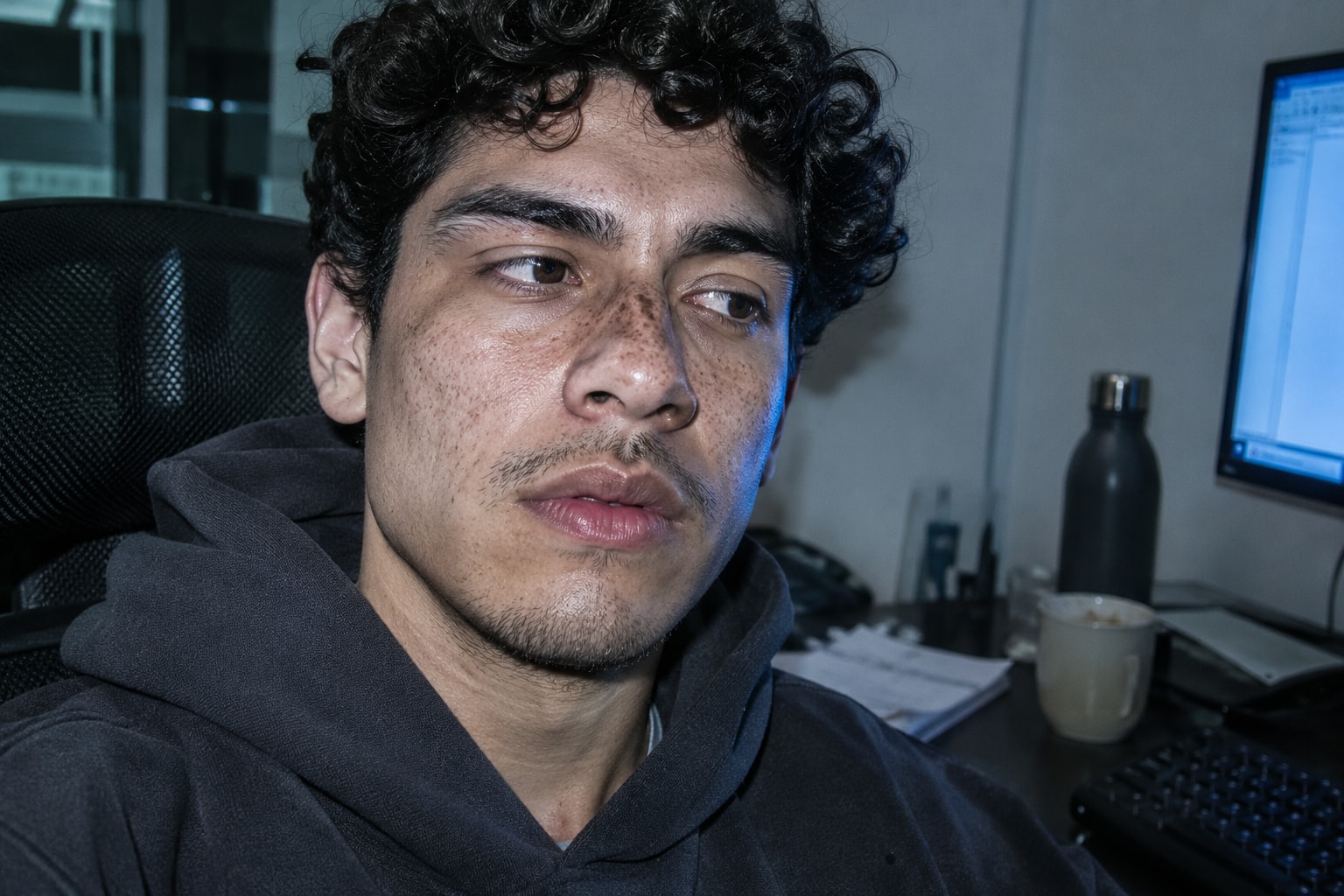
Take a clear front-facing photo before restarting. Repeat it with the same camera, distance, room, time of day and lighting. Keep your skin clean and dry, and turn off beauty filters.
Compare the treated area every one or two weeks. Daily checks make small shifts in light or camera exposure look more meaningful than they are.
LooksMax Scan can record visible acne and redness signals from a clear photo. It is a screening tool, not a diagnosis, and it cannot confirm that a dark patch is PIH. A dermatologist can examine texture, inflammation and pigment depth directly.
When to get medical help
See a dermatologist or GP if the darkening keeps spreading, returns after each application or has no clear link to healing acne. You may have irritant dermatitis, allergic contact dermatitis or another condition that needs a different plan.
Stop the product and seek prompt advice for swelling, blisters, raw skin or marked pain. Get emergency help for throat or tongue swelling, a raised itchy rash or trouble breathing.
FAQ
Does benzoyl peroxide bleach brown or Black skin?
The American Academy of Dermatology says benzoyl peroxide does not bleach skin. It can bleach facial hair, towels, bedding and clothes, which may explain the confusion.
Is 10% benzoyl peroxide more likely to cause dark marks?
A higher strength can cause more dryness, peeling and irritation. Irritation raises the chance of PIH, so starting with 2.5% is often safer for facial use unless a clinician advises otherwise.
How long do benzoyl peroxide dark marks take to fade?
The timeline depends on pigment depth and whether inflammation continues. American Family Physician reports that untreated epidermal PIH may take six to twelve months to fade. Deeper pigment can last longer.
Can I keep using benzoyl peroxide if my skin is only mildly dry?
You may be able to use it less often and add a non-comedogenic moisturiser. Stop and get professional advice if dryness progresses to pain, marked itching, swelling, blistering or persistent colour change.