Quick answer
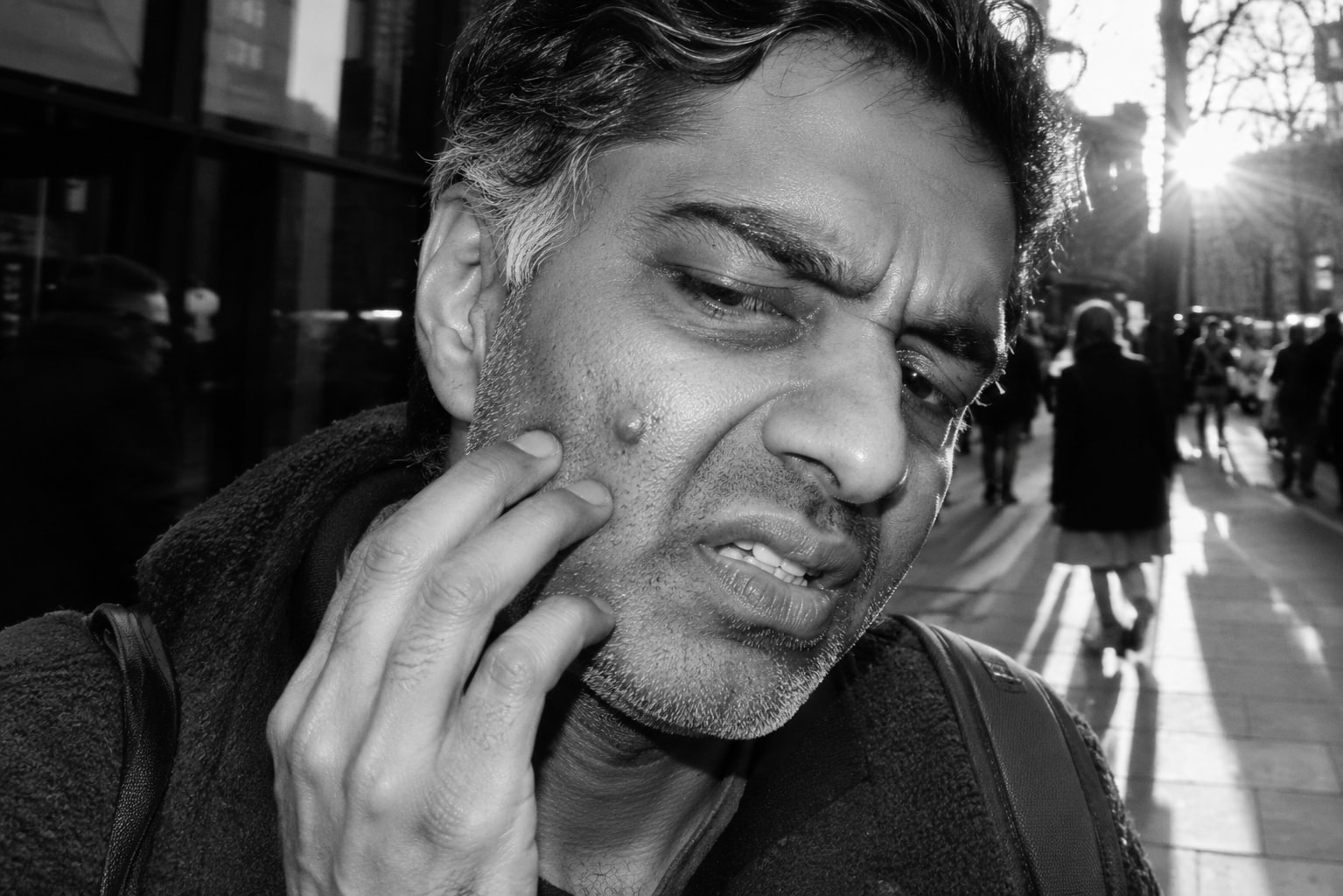
Why does a healing pimple itch? A short, local itch can come from acne inflammation or from dry skin around a healing scab. Itch alone doesn't prove that the spot is healing, and strong or spreading itch may point to irritation or another skin condition.
Watch the direction of change. A spot that is getting flatter, less sore, and less red may be settling. Increasing pain, warmth, swelling, drainage, or spreading discoloration needs medical advice.
Why a healing spot can itch
Acne itself can itch. A 2008 study of 108 teenagers found that half had experienced itching with their acne. Most episodes lasted less than ten minutes. A separate clinic study of 120 people found itch in 70%, often made worse by sweat and heat.
Those figures don't mean half of all pimples should itch. Both studies were small, old, and conducted in single clinics. They do show that itch is a real acne symptom, not proof that you imagined irritation.
A pimple can also become a tiny wound after it opens, gets squeezed, or loses its surface skin. Cleveland Clinic explains that healing scabs may itch because injury releases cells linked with inflammation. Dry skin around the scab can add to the feeling.
You may have both processes at once. The inflamed follicle itches underneath while the damaged surface dries above it.
First rule out treatment irritation
The location of the itch gives you a useful clue. Healing itch usually stays on the spot. Treatment irritation often covers the wider area where you applied the product.
Benzoyl peroxide is a common example. The NHS lists hot, itchy, painful, red, dry, or peeling skin among its common side effects. Using more than the label directs won't clear acne faster. It raises the chance of irritation.
If itching began after a new acne product, stop adding more products to fix it. Return to a gentle cleanser and a plain moisturiser while the skin settles. Check the label, then ask a pharmacist or clinician how to restart.
Don't call every itchy flare “purging.” That label can hide a poor product reaction and keep you using something that is irritating your skin.
Read the whole pattern
One sensation cannot diagnose a spot. Check what else changed over the same day or two.
- A healing surface is usually limited to one known pimple. It may have a dry crust, occasional itch, and less swelling than before.
- Irritated skin often feels tight, hot, or sore as well as itchy. Peeling may extend beyond the original spot.
- Folliculitis can create itchy, acne-like bumps around hair follicles. DermNet notes that infection, blocked follicles, irritation, and regrowing hairs can all cause it.
- A possible infection tends to worsen rather than settle. Look for increasing warmth, pain, swelling, expanding discoloration, or yellow-green drainage.
Clusters of similar itchy bumps deserve more caution than one fading pimple. So do bumps on the chest, back, beard area, or hairline that keep returning. A clinician may need to distinguish acne from folliculitis before you change treatment.
What to do today
Keep the response simple. More treatment is rarely the answer to freshly irritated skin.
- Leave the spot alone. Picking or scratching reopens the surface and can delay healing. It also raises the chance of a scar or dark mark.
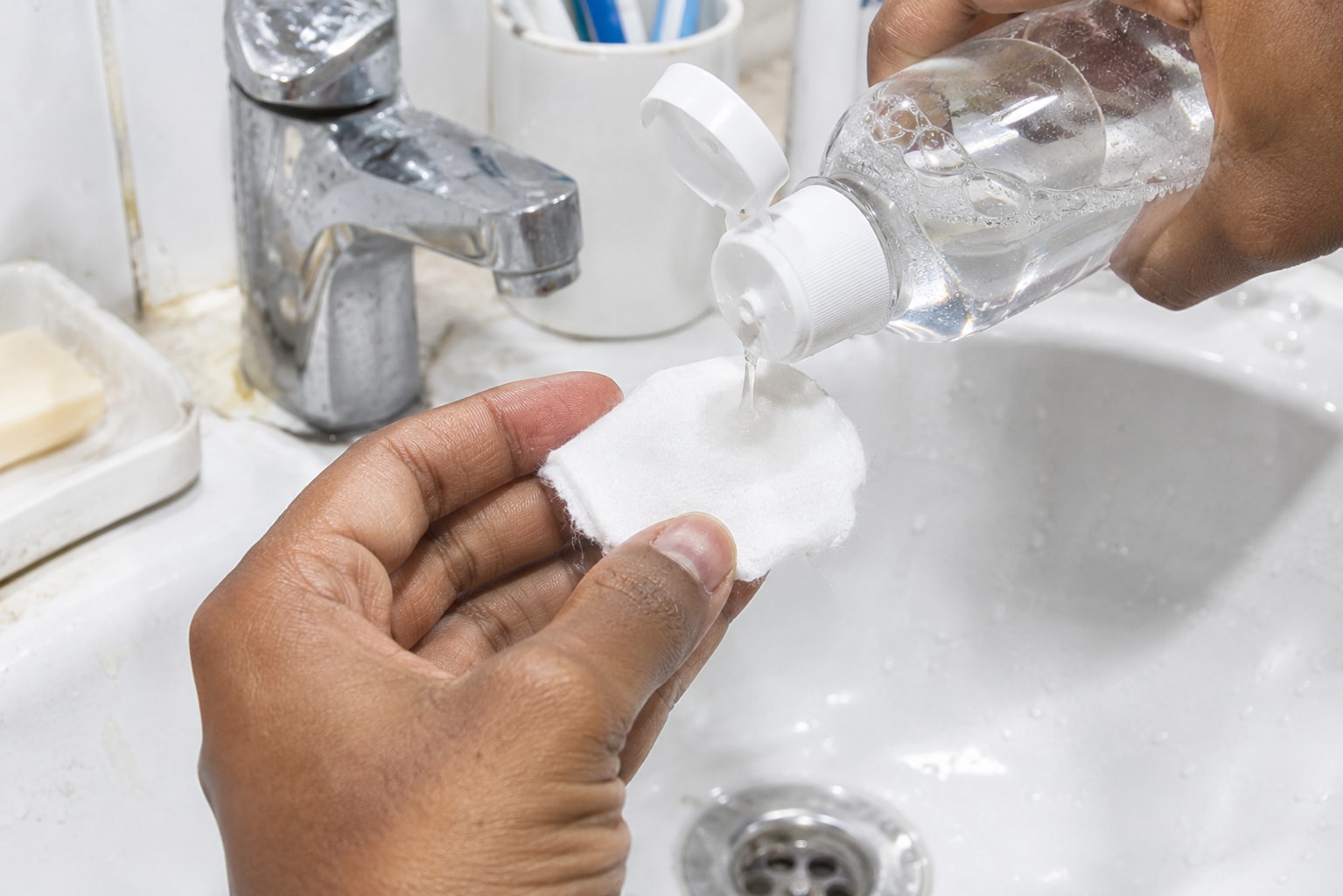
- Wash gently. The American Academy of Dermatology advises cleansing up to twice daily and after sweating. Use fingertips, not a scrub, brush, or rough cloth.
- Remove the likely irritant. If one new product started the itch, pause that product rather than changing the whole routine.
- Protect a broken surface. A tiny amount of plain petroleum jelly can keep a clean scab moist. Cleveland Clinic says moist, protected wounds may heal faster than dry ones.
- Keep acne medicine off cuts. The NHS advises against using benzoyl peroxide on broken or infected skin.
Petroleum jelly is wound care here, not an acne treatment. Put it only on the small broken area. If the pimple is closed, use your usual non-comedogenic moisturiser instead.
Avoid rubbing ice directly on the spot. A cool, clean cloth is a gentler way to reduce the urge to scratch without causing an ice burn.
Track change without overchecking
Take one photo each day for a few days, using the same camera, distance, and light. Store it privately. Changing the angle or bathroom lighting can make redness and texture look different, which ruins the comparison.
Track three things: the spot's width, its tenderness, and whether the itch stays local. A healing spot should trend down across those measures.
Repeated mirror checks add noise. They also make small shifts in light look like skin changes. Daily comparison is enough.
When to get medical help
Get prompt advice if redness or discoloration spreads, the area becomes hot and more painful, or pus keeps draining. Fever with a worsening skin lesion also needs medical review.
Book a routine appointment if the itch persists, similar bumps keep returning, or acne is leaving scars. Deep, painful spots also deserve professional treatment instead of squeezing.
Seek emergency help after a product if you develop trouble breathing or swelling of your lips, tongue, face, or throat. That pattern can signal a serious allergic reaction.
FAQ
Does itching mean a pimple is healing?
No. Mild itch can happen during healing, but acne inflammation and treatment irritation can also itch. Judge the spot by whether pain, swelling, and discoloration are improving.
Why does my pimple itch more after I sweat?
Heat and sweat were common triggers in the 120-person acne study. Pat sweat away, then wash gently after exercise. Scrubbing the itchy area can add irritation.
Can benzoyl peroxide make a pimple itch?
Yes. Benzoyl peroxide can cause itching, dryness, redness, peeling, or soreness around the treated skin. Use only the directed amount and seek advice if irritation continues.
Should I peel an itchy pimple scab?
No. Peeling removes the protective crust and may tear new skin underneath. Keep the area clean, avoid scratching, and let the scab release on its own.