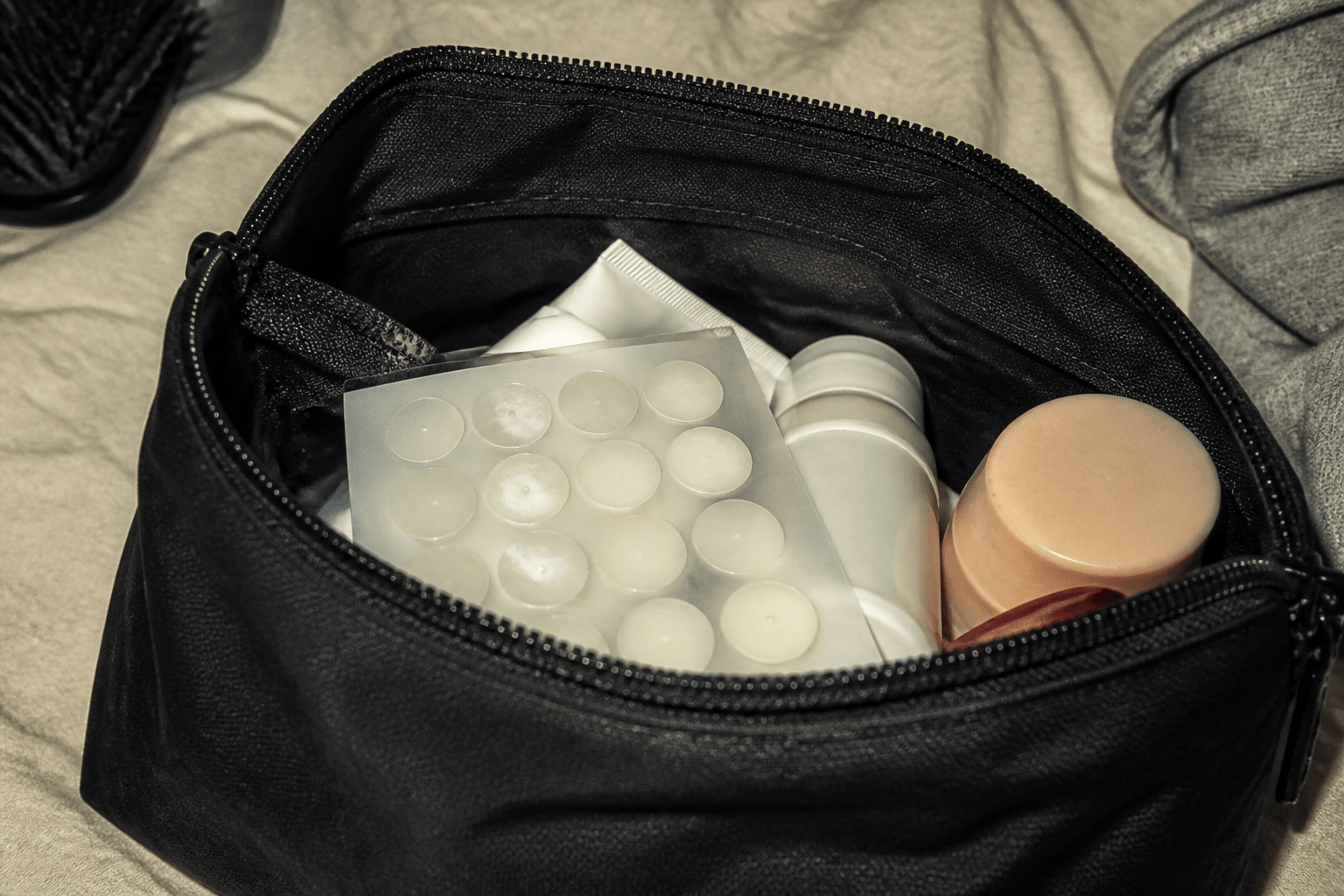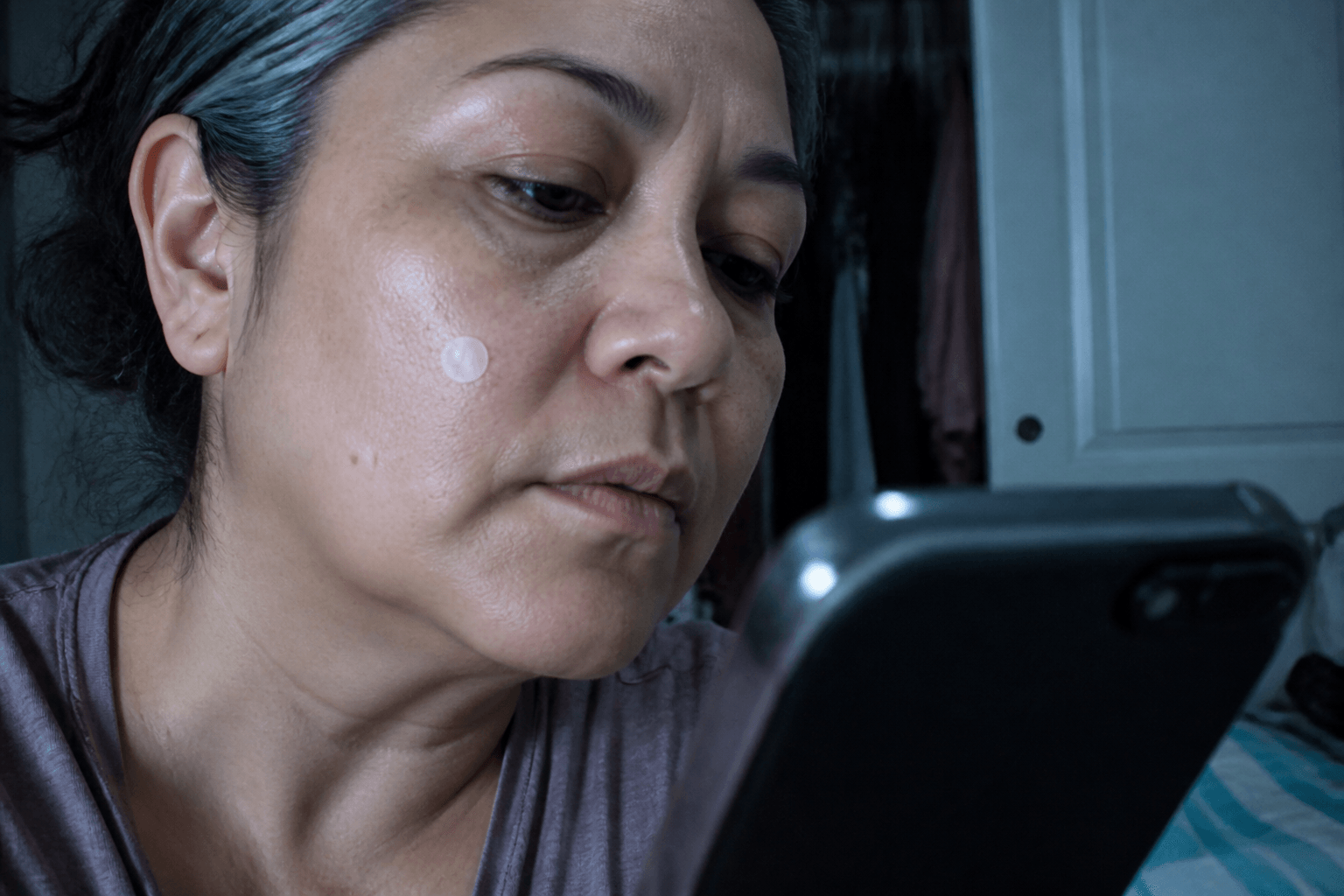
Quick answerWhy does a pimple patch turn white? Its hydrocolloid layer absorbs water-based fluid, swells and becomes an opaque gel. The white circle is mainly hydrated dressing mixed with whatever moisture it collected, not a neat sample of pure pus.A centered white spot may mean the patch absorbed fluid from an open or oozing pimple. Sweat, water and damp skincare can create the same change. Whitening shows moisture reached the patch; it doesn't prove the whole pimple was emptied or treated.## What the white material actually isHydrocolloid began as a wound-dressing material, with water-loving particles inside an adhesive layer. When they meet fluid, they absorb it and form a soft gel.That hydrated gel scatters light, so a clear patch develops a cloudy white area. Some absorbed fluid may come from the blemish, including watery wound exudate and material from a draining pustule.You can't identify the contents by color because the patch itself makes the visible white gel. A drop of water on an unused patch can produce a similar cloudy change without touching a pimple.This distinction matters because product photos often frame the white circle as everything hiding inside your pore. A patch can't label which part came from pus, oil, clear fluid, sweat or water.## What a white patch tells youThe pattern offers a clue, but not a diagnosis.- A small white center over an open spot: The patch likely absorbed fluid from that area.- Most of the patch turns cloudy: Damp skin, sweat or skincare may have hydrated a wider area.- The edge whitens first: Water or sweat may have moved under a lifting edge.- The patch stays clear: The bump may be closed, too deep or simply not releasing much fluid.Look at your skin as well: a flatter, less wet spot supports the idea that fluid moved into the dressing. It still doesn't show that a clogged pore is clear or that the acne process has stopped.Cleveland Clinic describes pimple patches as dressings for a specific lesion, not full acne treatment. They can't prevent future acne or clear every blocked pore, but they can cover a spot and reduce touching.## Which pimples make a patch turn whitePlain hydrocolloid works best when fluid can reach it, making an open or draining pustule a better target than a sealed lump.That doesn't mean you should create an opening or pierce a bump so the patch can collect more fluid. The American Academy of Dermatology warns that squeezing or picking a deep pimple raises the risk of infection, discoloration and scarring.### Surface pustules and open spotsA visible pustule that has opened on its own may release enough fluid to whiten the patch. Clean the area gently, dry it fully and apply the patch according to its label. The cover can absorb light drainage while keeping your fingers away.### Closed whiteheadsA closed whitehead has intact skin over the plug, so a plain patch may protect it without absorbing much fluid. No white circle doesn't mean the patch is defective.Cleveland Clinic says patches work less well on closed pimples, blackheads and deeper whiteheads. Some products add salicylic acid or other actives, but that creates a different product. A white patch still measures hydration, not drug delivery.### Deep, painful bumpsNodules and cysts form deeper under the skin, where a surface dressing can't pull a sealed lump through intact skin. Repeated patches may only expose the surrounding skin to more adhesive.The AAD advises a warm, damp cloth rather than squeezing a deep, painful pimple. Once it reaches the surface, listed options include adapalene, azelaic acid, benzoyl peroxide or salicylic acid. See a dermatologist if it persists or if you develop several deep bumps.## Why a patch can turn white without much pimple fluidHydrocolloid responds to moisture from any source, which makes careful application more useful than judging the white material afterward.Apply a patch to clean, fully dry skin because serum, moisturizer or sunscreen can weaken the seal and wet the hydrocolloid. Sweat can also spread cloudiness beyond the center, especially during exercise or sleep.A shower or face wash can let water enter under an edge, so replace a lifted or leaking patch according to its directions. Don't keep layering new patches over wet, softened or irritated skin.Some patches contain salicylic acid or tea tree oil, while the adhesive can also irritate sensitive skin. Stop if the surrounding area becomes itchy, raw or increasingly red rather than calmer.## How to use the white signal without overreading itUse three checks when you remove the patch:1. Where is the white area? A tight center is more consistent with local drainage than a cloudy edge or full disc.2. What changed underneath? Note whether the spot is flatter, drier or less tender, but don't squeeze it to test what remains.3. How does the nearby skin feel? Burning, itch or a patch-shaped rash points toward irritation, not successful treatment.Follow your package because patches differ in thickness, adhesive and added ingredients; no schedule fits every brand. Remove the patch gently and stop repeating it if the skin surface looks raw.If the same spot keeps filling patch after patch, pause and ask a dermatologist about a persistently draining spot or growing painful lump. More white gel isn't a reason to keep treating blindly, especially when several deep breakouts appear.## What the research can actually supportHydrocolloid has a longer wound-care history, and a 2025 dermatology review found only early acne evidence. Commercial pimple patches also vary, so wound results don't transfer perfectly to every sticker.A small randomized trial in 2006 compared hydrocolloid acne dressings with ordinary skin tape in 20 people for one week. The hydrocolloid group showed larger reductions in acne severity, inflammation, redness and oiliness.That result is promising but narrow. The study was short, included only 20 people and didn't test today's many patch designs. It also doesn't show that a whiter patch delivers a better acne result.The strongest practical claim is modest: hydrocolloid can absorb surface fluid, form a protective cover and help individual spots. It isn't a pore vacuum, and the white gel isn't a score for how much acne you removed.## FAQ### Does white on a pimple patch mean it worked?It means the hydrocolloid absorbed moisture and formed a cloudy gel. A centered mark over a draining pimple supports fluid absorption, but whitening alone doesn't prove the blemish is empty.### Why didn't my pimple patch turn white?The bump may be closed, deep or not releasing fluid. The patch can still cover the area and discourage picking, but a plain hydrocolloid can't drain a sealed cyst.### Should I pop a pimple before using a patch?No. Don't squeeze, lance or pierce a pimple to make a patch work. Picking raises the risk of infection, dark marks and scars, especially with deep bumps.### When should I change a white pimple patch?Follow the product's stated wear time and replace it if it becomes saturated, leaks or lifts. Stop repeated use if the nearby skin becomes raw, itchy or red.