Quick answer
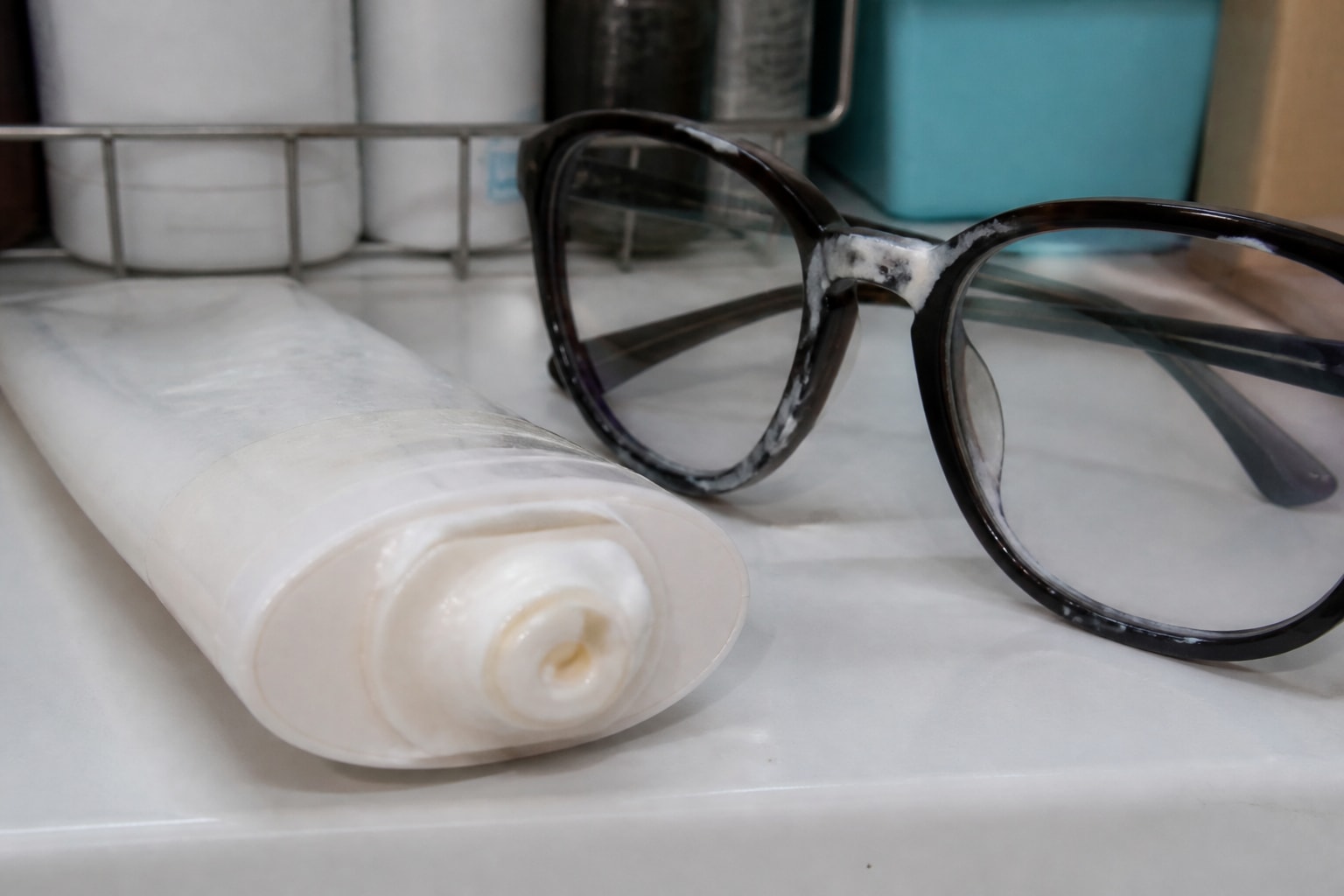
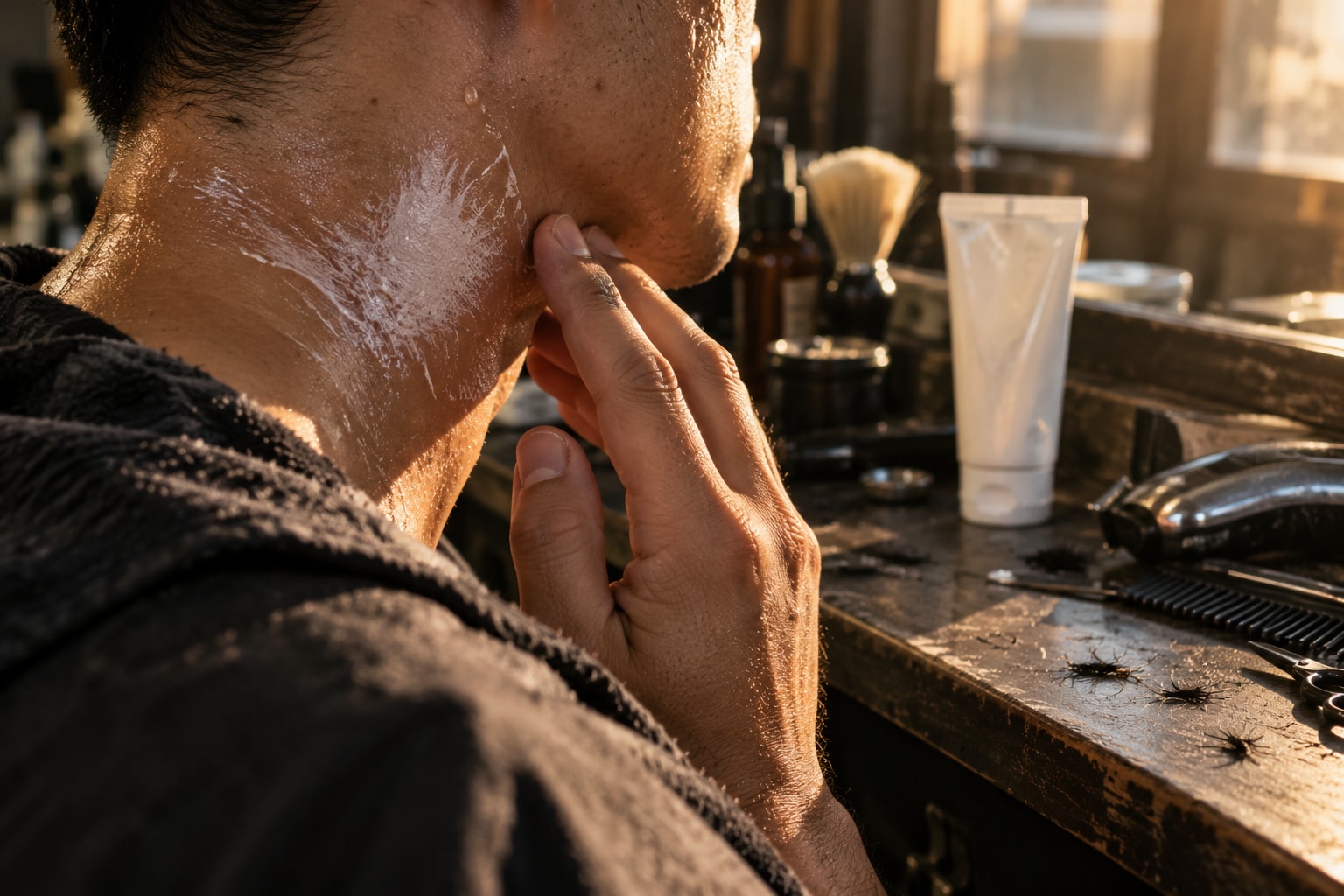
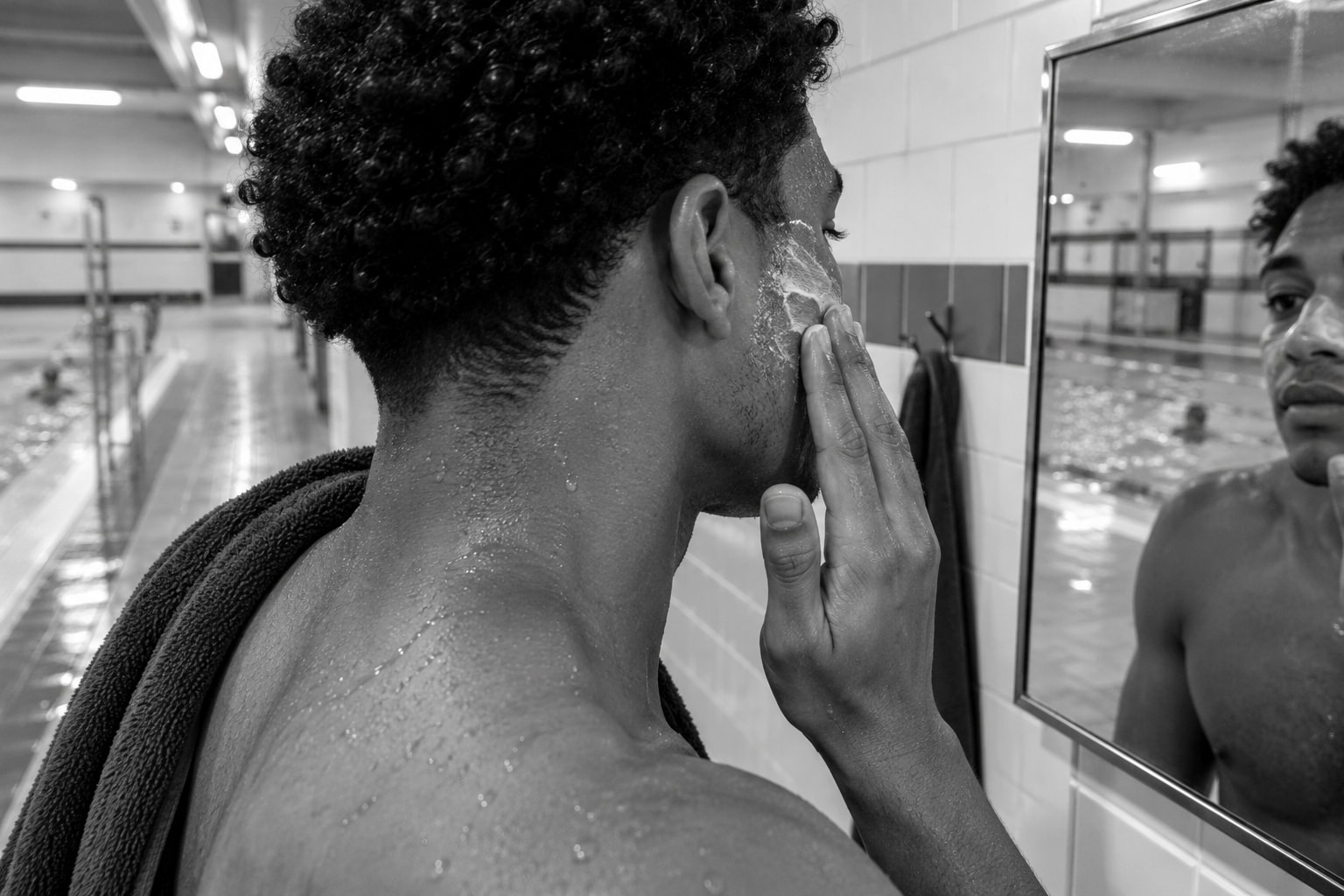
Why does sunscreen turn white when you sweat? Sweat can lift and redistribute the sunscreen film, leaving pale trails or beads. This effect is easier to see when the dry formula already leaves a faint white cast.
Lab studies support wash-off and uneven redistribution, but they didn't measure the colour of sweat streaks on human faces. Treat white runoff as a sign that coverage may be uneven, not proof that every trace of protection has gone.
Why sweat can make sunscreen look white
Sunscreen works best as an even film across your skin. Sweat rises from below that film, then moves across it as droplets or streams.
A 2021 laboratory study used an artificial sweating surface to watch what happened to sunscreen. Perspiration reduced protection in two ways. It washed away some product, thinning the film, and moved some product into an uneven pattern.
Higher sweat rates caused a larger loss of measured UV protection. A larger application amount still gave more protection before and after sweating, despite more product being moved. Using less sunscreen isn't a sound fix.
A second lab study changed the sunscreen formula itself. Water-repelling film formers reduced wash-off. Small water-absorbing particles changed how sweat spread and made some test formulas less runny. This helps explain why two sunscreens with the same SPF can behave differently during a workout.
Neither study recorded visible white trails on real faces. The colour explanation is an evidence-based inference. Sweat moves the film, and pale residue becomes easier to see when it collects in lines or droplets.
Mineral filters can make that residue more obvious. DermNet notes that zinc oxide and titanium dioxide interact with visible light and can leave white residue. Smaller particle grades tend to leave less of it.
That doesn't mean every white streak comes from a mineral sunscreen. Check the ingredient list rather than judging the formula by colour alone.
White streaks, pilling, or a normal cast?
These problems can look similar, but their timing separates them.
- An even pale or grey finish that appears as the sunscreen dries is a white cast.
- Wet white lines or milky beads that appear only after sweating point to film movement and runoff.
- Dry rolls, crumbs, or tiny flakes that form while rubbing products together are pilling.
Pilling has its own evidence. A 2024 study tested product layering in 528 women aged 20 to 49 in Guangzhou. Of them, 217 experienced pilling, and most observed events occurred after sunscreen was applied.
The study involved one city, only women, and a set product routine. It doesn't tell you how every formula will behave. It does show why dry crumbs before exercise call for a layering test, not a sweat-resistance test.
What white runoff means for UV protection
You can't read the remaining SPF from the colour of a streak. A white line may contain concentrated product, while nearby skin has a thinner film. Clear-looking skin may still hold sunscreen.
The useful conclusion is narrower: the original film may no longer be even. The sweat-simulator study measured lower protection after wash-off and redistribution, but it can't tell you how much protection your face lost.
Follow the reapplication rule instead of guessing. The NHS says to reapply after sweating, towel drying, water exposure, or rubbing. The American Academy of Dermatology also advises reapplying after swimming or sweating, according to the label.
Water-resistant doesn't mean sweatproof. DermNet notes that no sunscreen is fully waterproof or sweatproof, and water-resistance claims have time limits.
How to stop white sunscreen streaks when sweating
Start with the changes most likely to preserve protection.
- Apply sunscreen to dry skin. The American Academy of Dermatology advises applying it 15 minutes before you go outdoors. That gives the film time to form before heat and sweat begin.
- Choose a water-resistant formula for exercise, hot weather, or outdoor work. This won't prevent all movement, but it is designed for conditions where water or sweat is expected.
- Pick a finish that looks acceptable before you sweat. If a sunscreen starts chalky, movement can make the residue more visible. Try a clear-drying or tinted option that still meets your protection needs.
- Test your layers if you see dry flakes. On one ordinary day, apply the sunscreen to clean, dry skin without your usual base products. If pilling stops, add those products back one at a time on later days.
- Reapply after heavy sweating. If you wipe your face, remember that rubbing and towel drying can remove more of the film.
Don't solve the cosmetic problem by spreading a smaller amount. The NHS states that applying sunscreen too thinly reduces the protection it gives. A better formula is a better trade.
A simple indoor wear test
Test a new sunscreen before relying on it for a long outdoor session. Apply your normal amount to clean, dry skin, then wait 15 minutes.
Check the finish in indirect daylight. Next, do a short indoor workout and note whether you get wet white lines, dry crumbs, or only shine. Use the same skincare layers each time so the comparison means something.
Repeat on another day with one change, such as removing a base product or switching to a water-resistant formula. This won't measure SPF. It will show which routine gives you the most stable visible film without deliberate sun exposure.
FAQ
Does white sweat mean my sunscreen has stopped working?
No. The colour can't show how much UV protection remains. It does suggest the film has moved, so follow the label and reapply after sweating rather than assuming coverage is still even.
Do mineral sunscreens turn white more often when sweating?
Mineral filters such as zinc oxide and titanium dioxide can leave visible white residue, so their runoff may be easier to notice. The sources reviewed here didn't directly compare visible sweat streaks across mineral and non-mineral formulas.
Is white sunscreen residue the same as pilling?
Usually not. Pilling forms dry balls or flakes during application or rubbing. Sweat-related residue appears wet and develops after your skin starts perspiring.
Can I apply less sunscreen to prevent white streaks?
No. Thin application lowers protection. Keep the recommended amount, let it set on dry skin, and choose a water-resistant formula with a finish you can wear comfortably.