Quick answer
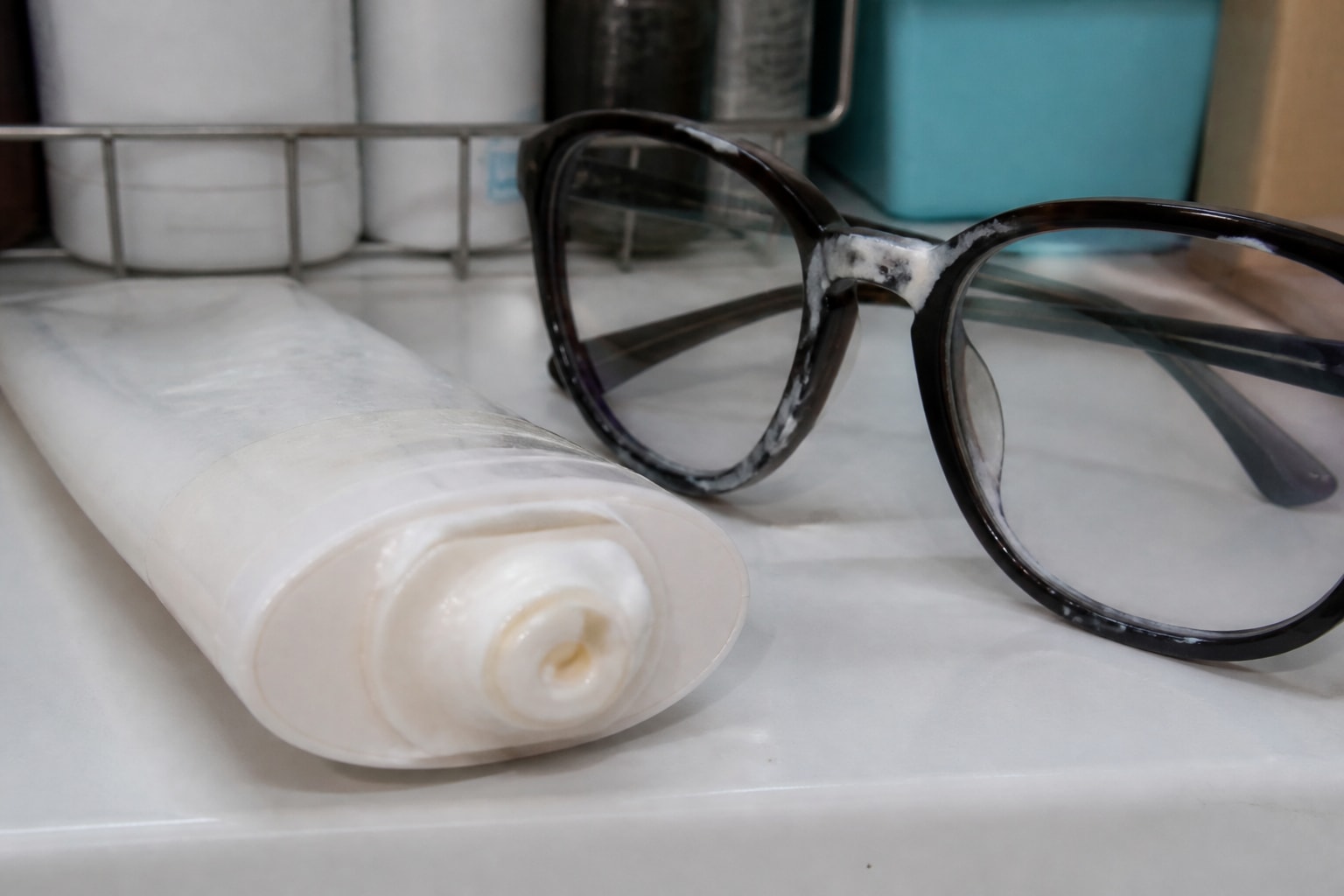
Why does micellar water feel sticky? Some cleanser ingredients can stay on your skin after its water dries. These include mild cleansing agents, glycerin and thickeners. A tacky finish alone doesn't mean your skin is damaged or still dirty.
If the feeling bothers you, rinse with lukewarm water after wiping, use less product or try another formula. Stop using it if stickiness comes with burning, itching, redness, swelling or flaking.
Why micellar water can leave a sticky film
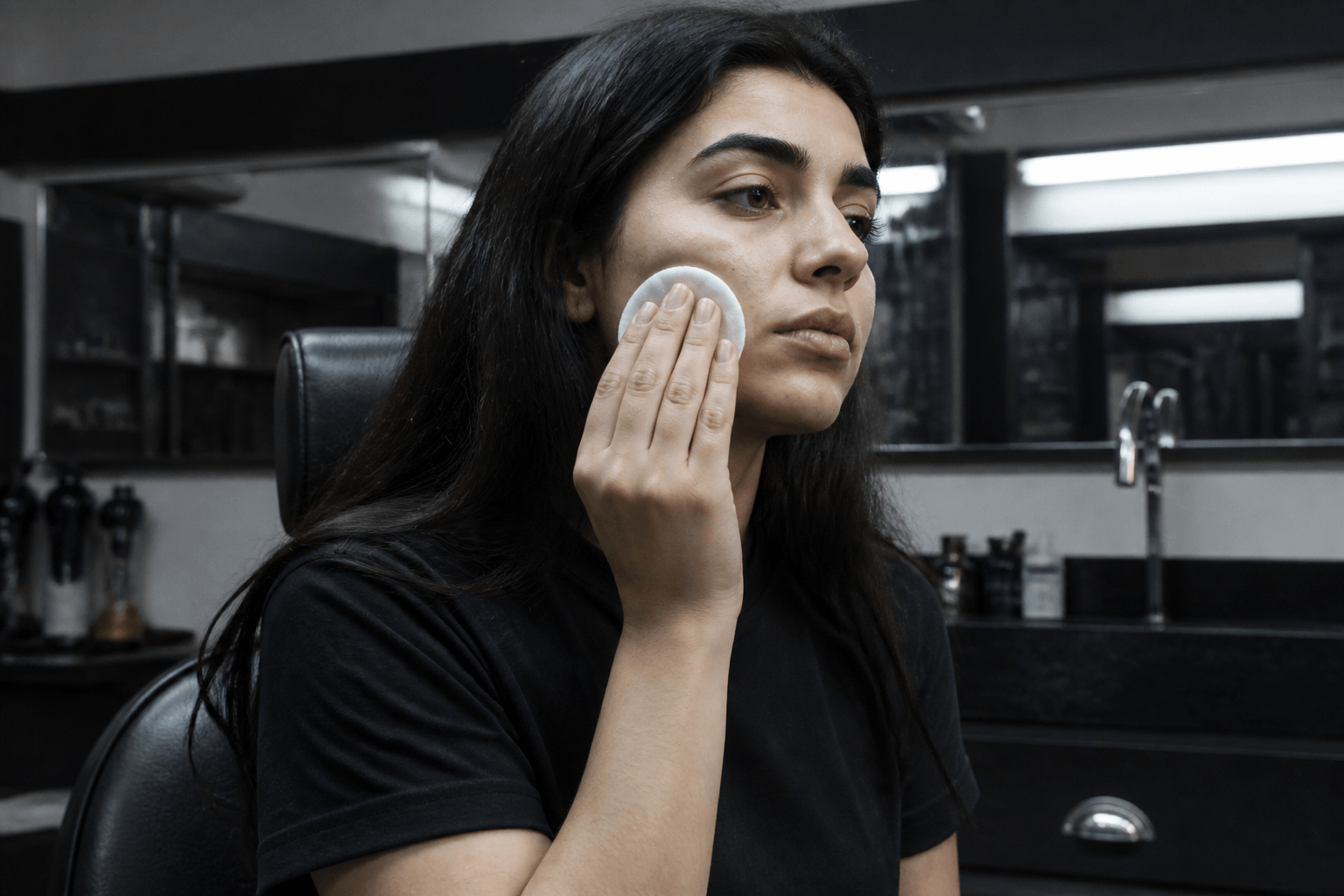
A micellar water is a dilute cleanser, not plain water. Its surfactants have water-loving and oil-loving sections that loosen sunscreen, makeup, sebum and dirt for a damp pad to lift away.
Formulas can also contain preservatives and other texture agents. After the water dries, part of that formula may remain. A leftover film may explain the tacky feel, but no direct test has confirmed that link.
Published work looks more often at cleansing, skin comfort and pH, so nobody can identify the cause from touch alone.
A 2024 study tested 30 micellar waters with pH readings from 4.25 to 7.87. Twenty-one carried a no-rinse claim. The study didn't measure stickiness, but it showed that formulas and label instructions differ across products.
First identify what you feel
Sticky, oily, tight and irritated aren't the same, so naming the feeling helps you choose a sensible next step.
- Sticky skin catches slightly under a clean fingertip after it dries; without redness or itch, this points more toward product finish than skin injury.
- Oily skin feels slippery and may look shiny because of the formula, sunscreen or makeup that wasn't fully removed.
- Tight skin feels stretched after cleansing, and DermNet notes that over-cleansing can remove surface oils and increase water loss.
- Irritated skin burns, stings, itches, reddens or flakes. Swelling or blisters are stronger warning signs.
A sticky finish isn't a cleanliness test, and your face doesn't need to feel tight, dry or squeaky after cleansing.
Four reasons one routine feels stickier
You use more than the pad needs
A dripping pad leaves more liquid to dry on your face and may tempt you to keep wiping. Use enough to dampen the pad, then stop when it no longer lifts visible product.
It mixes with makeup or sunscreen
Cleveland Clinic says micellar water removes dirt, oil and most makeup. Heavy or waterproof products may need another gentle oil-based or water-based cleanser.
If the pad stops lifting colour but your face stays slick, use a second cleanser; rubbing harder only adds friction.
The formula doesn't suit your preferred finish
Two bottles marked for sensitive skin can contain different surfactants, water binders and preservatives. They can dry down differently. A no-rinse label doesn't promise that every person will like the after-feel.
You apply it over other skincare
If you use it over moisturiser or sunscreen, you're combining product films; test it once on bare skin.
Should you rinse micellar water off?
Many micellar waters are designed to stay on, which is reasonable when the label permits and your skin feels comfortable.
Rinsing is reasonable when the finish feels sticky because instructions aren't universal, so check your bottle first.
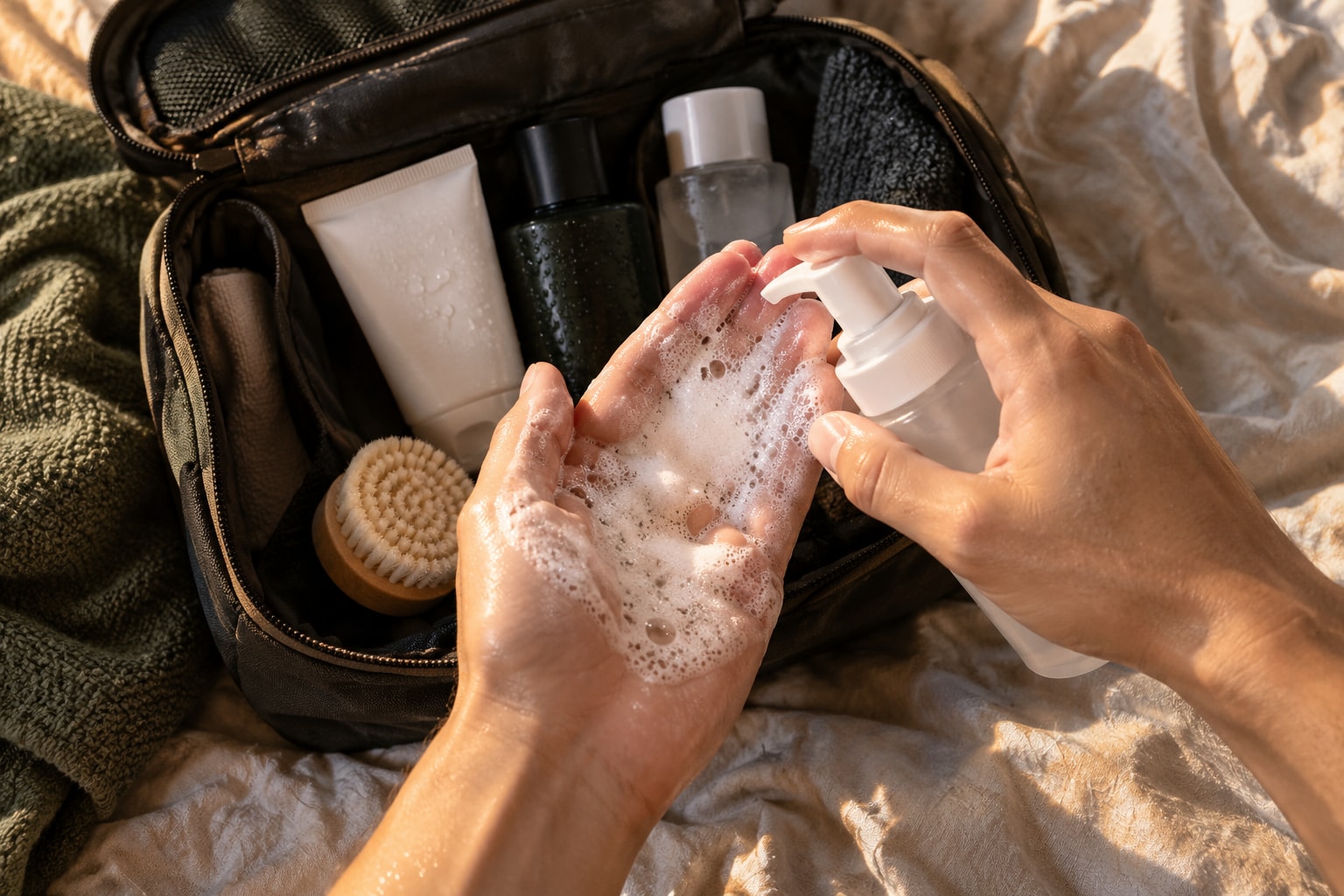
Use lukewarm water and your fingertips, then pat dry with a soft towel. The AAD advises this gentle method.
If you wear water-resistant sunscreen or heavy makeup, follow with a mild rinse-off cleanser. Don't keep cleansing until your skin feels tight, since that can reflect dryness or irritation rather than a better result.
Run a three-night residue test
Only try this if your skin isn't already irritated, and keep the rest of your evening routine unchanged.
- On night one, use your normal amount, then note how many pads you use and whether your skin feels sticky after ten minutes.
- On night two, repeat the routine, rinse once with lukewarm water after wiping, then check the finish again.
- On night three, if the label permits leave-on use, use a little less without rinsing and stop when the pad looks clean.
If rinsing removes the tackiness, that suggests a leave-on film; if a smaller amount fixes it, the amount likely mattered. If neither change helps, switch formulas or use a gentle rinse-off cleanser.
Change one thing at a time, and don't add an exfoliating acid, scrub or alcohol toner during the test. Those changes can create irritation and hide the original problem.
What to change if it stays sticky
You don't need to force one cleanser to work, so pick the smallest change that solves the problem.
- Rinse the current product after use if your skin stays comfortable.
- Try another fragrance-free micellar water and follow its label.
- Use micellar water only to loosen makeup, then follow with a gentle cleanser.
- Replace it with a mild rinse-off cleanser if you prefer a clean, residue-free finish.
- Press the damp pad onto stubborn makeup before wiping, rather than scrubbing back and forth.
Test a new formula within a stable routine, not during one hurried use over a different sunscreen.
When stickiness is more than a texture issue
If you develop burning, itching, redness, swelling, blisters or lasting flaking, rinse and stop. Surfactants, fragrance or preservatives may trigger reactions.
See a dermatologist if symptoms continue, return or spread around your eyelids, since a selfie can't diagnose the cause.
FAQ
Is micellar water supposed to feel sticky?
Some formulas leave a noticeable film, but stickiness isn't a required sign that micellar water worked. If your skin is calm, the issue is usually comfort; rinse it or choose a finish you prefer.
Can I rinse micellar water off with plain water?
Yes; use lukewarm water, rinse gently and pat dry. Rinsing is a practical option even when the label says the product can stay on.
Does sticky micellar water clog pores?
Touch alone can't show whether a product will clog your pores. If breakouts repeatedly begin after a new formula and improve after stopping it, avoid that product and track the pattern.
Do I need a second cleanser after micellar water?
Not always, because micellar water may be enough for light makeup and everyday dirt. A mild second cleanser makes more sense for water-resistant sunscreen, heavy makeup or a finish you dislike.