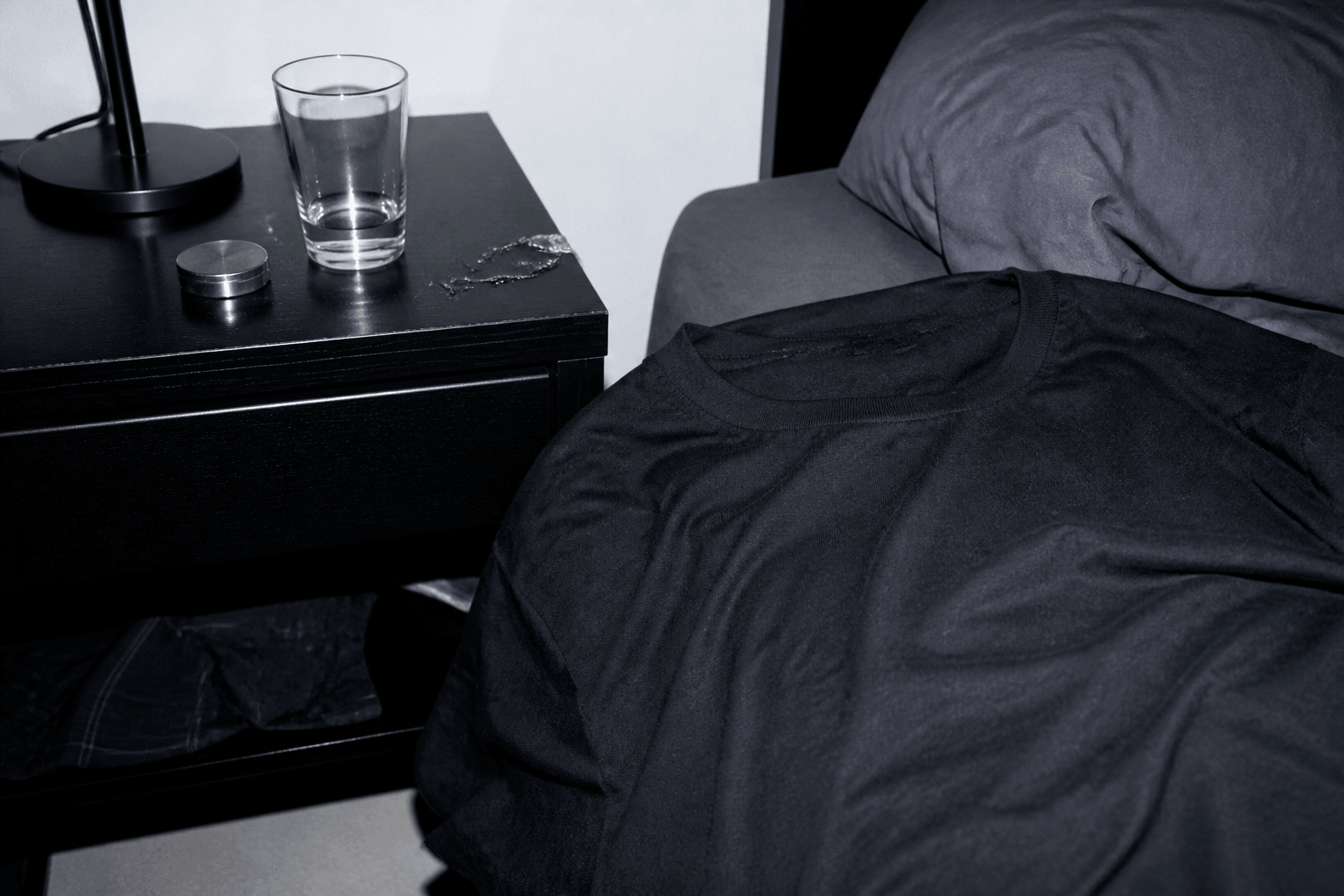
Quick answer
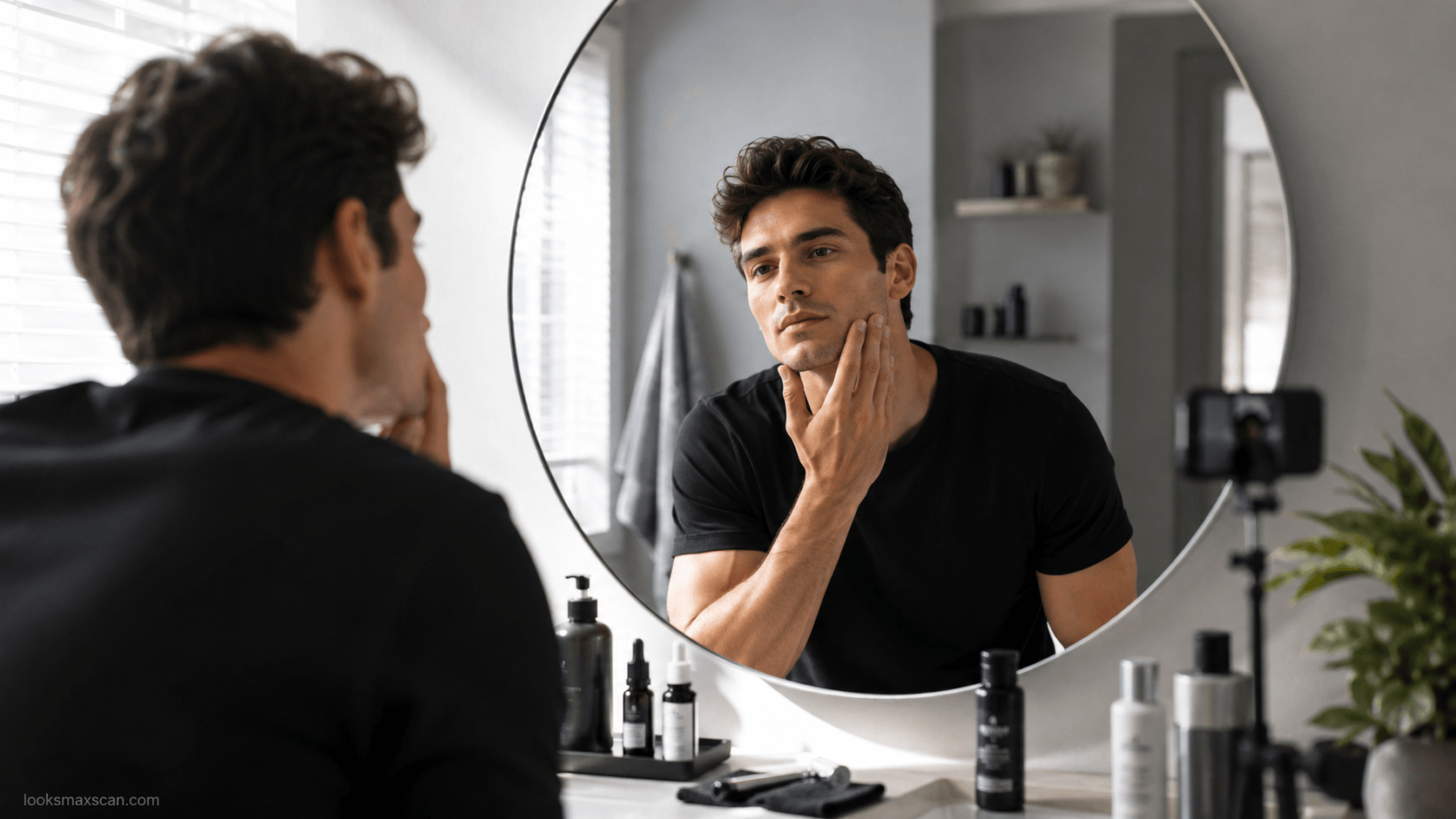
Why does black clothing make me look pale? Black creates a dark frame around your face, so your skin can appear lighter by comparison. This is a visual contrast effect, not a change in your skin.
A recent clothing study found that darker garments made faces look fairer to observers, but that doesn't make black unflattering. Judge the full outfit under steady lighting, based on the effect you want.
Black changes the comparison, not your skin
Your eyes don't judge skin colour in isolation because they compare it with nearby colours and levels of brightness. A mid-tone area can look lighter beside a dark surround and darker beside a light one.
Vision researchers call this simultaneous lightness contrast, which Brooks and colleagues tested using identical central faces. The central faces appeared lighter against darker-skinned surrounding faces and darker against lighter-skinned ones.
Clothing isn't the same as a ring of faces, but a newer experiment tested garments directly. Zhang and colleagues used 22 plain sweatshirts that varied in hue, colourfulness and lightness. Lower-lightness clothing made the wearer's facial skin look fairer to the young Chinese observers.
So the pale effect can be real, but it is still an effect of perception.
Pale and washed out aren't the same thing
Pale describes how light your skin appears, while washed out means the face seems less defined or balanced within the outfit. You can look paler in black and still like the result.
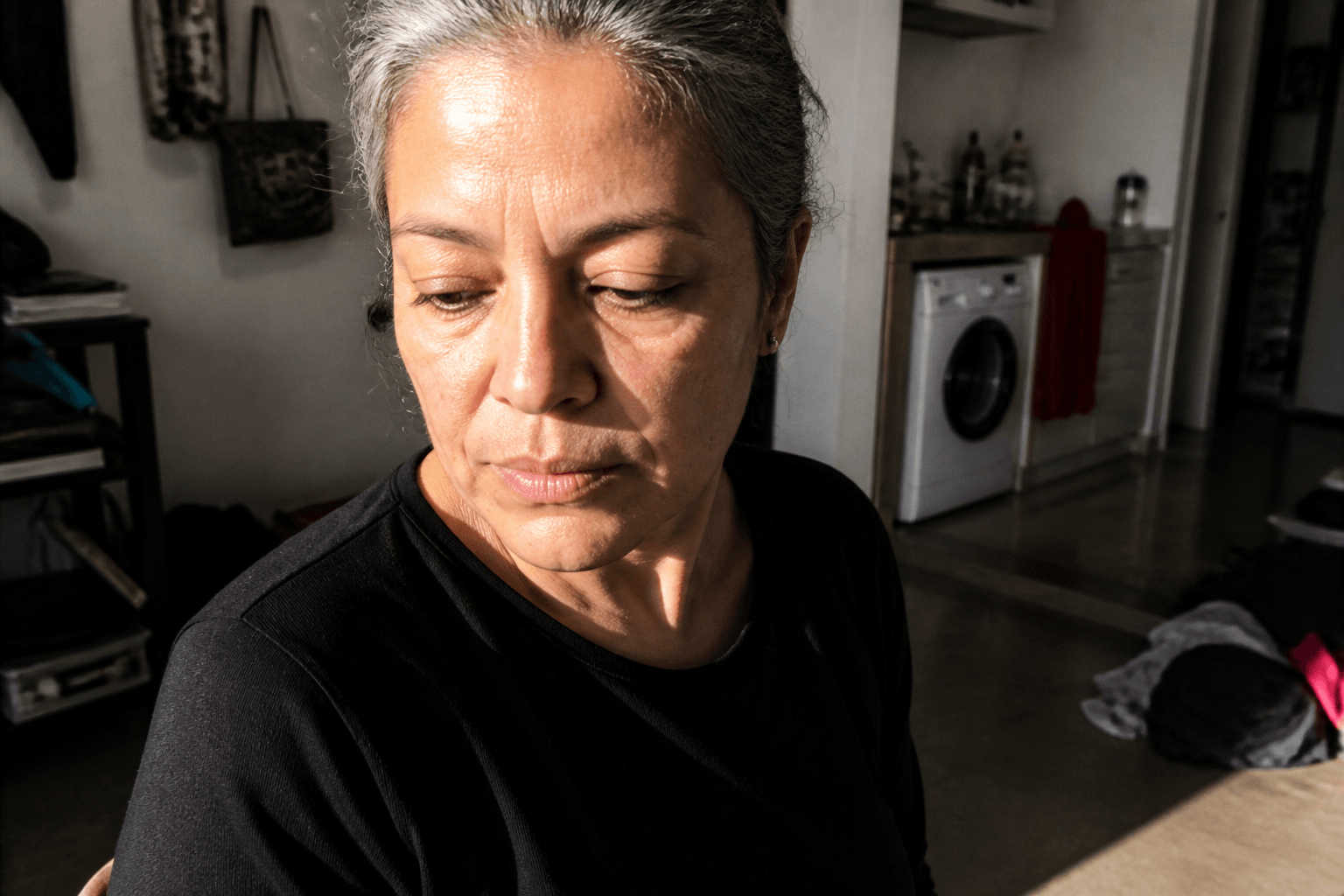
The difference depends on your full face, not a skin-tone label alone. Hair, brows, eyes, lips and facial hair all change the contrast people see. A black crew neck also places more darkness beside your face than black trousers or an open jacket.
Personal-colour systems sort people by warm or cool undertones and named seasons, but the science is less tidy. Perrett and Sprengelmeyer noted that these categories aren't scientifically defined and that styling advice is inconsistent.
Their two experiments did find that complexion affected clothing-colour preferences. Observers chose cooler blues more often for six fair-skinned faces and warmer orange-reds for six tanned faces. Yet the study used only 12 White women's faces and simulated clothing.
That supports testing colours against your face, but it doesn't prove everyone belongs to one fixed palette.
Run a black-versus-charcoal test
You don't need an app, a skin-tone quiz or a new wardrobe. Use one black garment and one near-black option, such as charcoal, ink navy or deep brown.
- Stand beside a window in indirect daylight, with overhead lights off to avoid mixing warm and cool light.
- Keep your face, hair, background and usual grooming the same, then hold each garment at the same height below your chin.
- Compare matte fabrics with a similar neckline and surface area, since a shiny shirt and wool jumper change more than colour.
- Check the mirror first, then take two phone photos from the same marked position without portrait mode or a beauty filter.
- If your camera allows it, lock focus and exposure before switching garments, and don't move closer for the second photo.
- Repeat the pair where you expect to wear the outfit, since office LEDs can give a different result from daylight.
Look for one clear change at a time. Does your skin look lighter? Do under-eye shadows or redness stand out more? Do your eyes, lips or facial hair look clearer against one colour?
Skip the score and pick the frame that gives the effect you prefer.
Why the mirror and phone may disagree
Lighting changes how colours appear. NIST researchers use controlled lamps to study this because the same objects and skin can look different under warm, cool or poorly rendering light.
A phone adds more variation. A 2023 study photographed skin-tone standards with smartphones at different angles and distances. Angle changed captured lightness and colour, while distance changed lightness, and flash didn't reliably remove that variation.
This is why a single changing-room selfie is weak evidence, so compare garments within the same session and camera setup. If the result disappears when you repeat it, the first photo probably measured the setup more than the shirt.
Keep black without the stark frame
If you like black but dislike its effect near your face, change its placement before replacing it.
- Choose a lower neckline or wear the black layer open.
- Put a charcoal, navy, cream or muted-colour collar between the black fabric and your face.
- Keep black for trousers, shoes or bags, where it can't frame your complexion.
- Test a softer black or textured fabric against the exact garment, rather than shopping by colour name alone.
These changes preserve an all-dark wardrobe while reducing the amount of pure black beside your skin. You don't need to tan, lighten your skin or cover your face with makeup to suit a shirt.
What the evidence cannot decide
Clothing can change perceived skin lightness, but the research doesn't name one objectively best colour for you. The direct studies used narrow groups, controlled settings and either simulated outfits or a limited set of garments.
They also measured different outcomes, and perceived fairness is not the same as looking healthy, attractive or like yourself. Cultural taste and personal style shape those judgments.
Use the evidence for what it can do: explain why the effect happens and improve your test. Your preferred result is still yours to choose.
FAQ
Does black make everyone look paler?
Dark surroundings can make adjacent skin appear lighter, but the size of the effect varies. Your colouring, neckline, fabric, lighting and viewing distance all change the final comparison.
Is black bad for warm undertones?
There is no strong evidence that everyone with a warm undertone should avoid black. Rigid warm-versus-cool rules simplify a more complex visual judgment, so compare black with a nearby alternative under the same conditions.
Why do I look pale in black in photos but not in a mirror?
The room light, phone processing, camera angle and distance can change recorded skin colour. Use matched photos in steady light, then confirm the result in a mirror before blaming the garment.
Will charcoal make me look less pale than black?
Often, charcoal creates a smaller lightness jump beside the face, so the effect may look softer. Test the actual fabrics, because sheen, neckline and lighting can matter as much as the colour name.