Quick answer
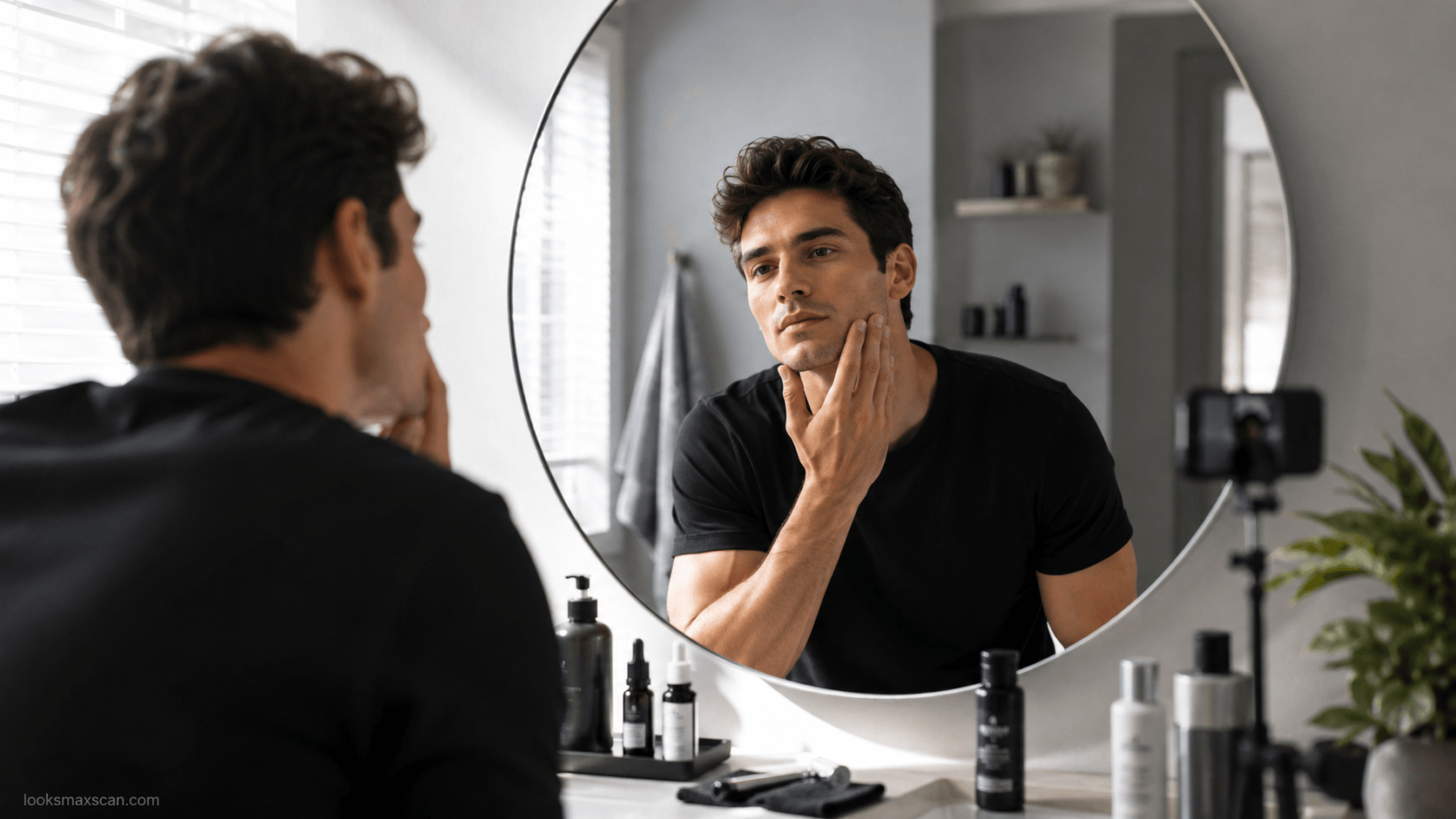
Face symmetry matters less than most online “perfect face” content makes it seem. Symmetry can be measured with facial landmarks, but it is not the same thing as attractiveness, confidence, health, or real-life presence. For most people, a better glow-up strategy is to focus on controllable visible signals: skin clarity, grooming, hairstyle, facial hair, eyebrows, under-eyes, posture, expression, and photo quality.
A face symmetry check can be interesting. A glow-up plan should be useful.
What face symmetry actually means
Face symmetry usually means comparing the left and right sides of the face: eye height, brow height, cheek width, jawline position, mouth corners, nose alignment, and head tilt. AI tools can estimate these points from a photo and calculate differences.
But there is a catch: photos create fake asymmetry all the time. A tilted head, side lighting, uneven expression, camera lens distortion, or one raised eyebrow can make a normal face look uneven. Before interpreting symmetry, the photo needs to be straight, well-lit, and neutral.
Why symmetry gets overhyped
Symmetry is easy to turn into a viral score. It feels objective because it uses measurements. But attractiveness research is more complicated. Studies have found mixed results on how much symmetry independently predicts attractiveness, and other factors such as averageness, facial surface cues, skin tone, texture, expression, and cultural or personal preference can also matter.
In other words, a perfectly mirrored face is not automatically a better face. Real people are not geometry homework.
What an AI symmetry check can help with
A responsible symmetry check can help you notice:
- Whether your head is tilted in photos
- Whether one eyebrow is usually raised
- Whether your smile is uneven in a specific expression
- Whether lighting makes one side look heavier
- Whether camera angle is distorting the nose, jaw, or cheeks
These are useful because many of them are controllable. You can fix pose, lighting, camera distance, expression, haircut balance, eyebrow grooming, and facial-hair edges.
What it cannot tell you
A symmetry scan cannot tell you whether you are attractive. It cannot know how you look in motion, how expressive you are, how people respond to your personality, or how your face reads in real life. It also cannot diagnose jaw, eye, dental, neurological, or medical issues.
If you have sudden facial drooping, new weakness, pain, injury, severe swelling, or a major change in facial movement, do not use a cosmetic scan. Seek urgent medical help when appropriate.
The better glow-up framework
Instead of asking “is my face symmetrical?”, ask “what can I improve in 30 days?”
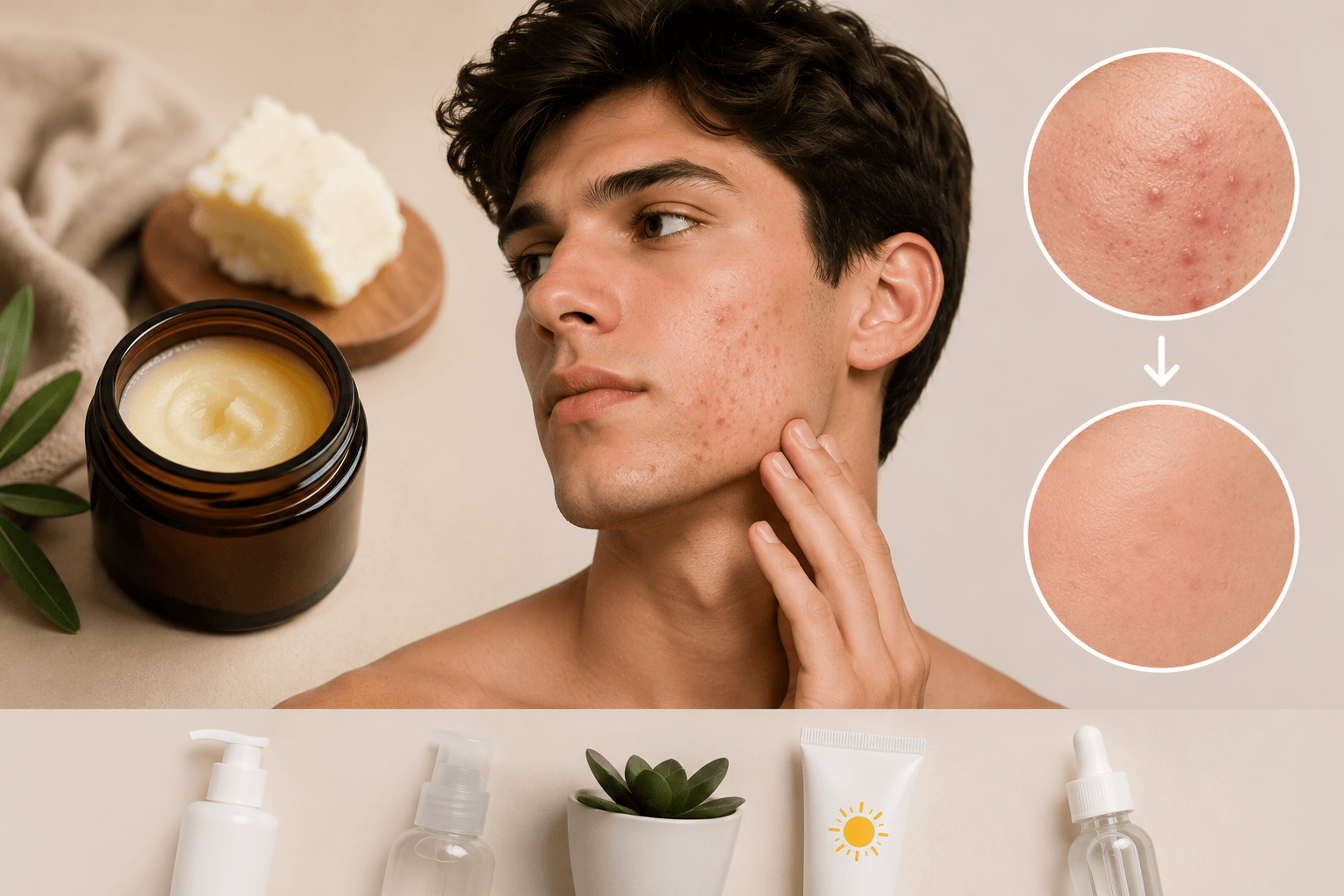
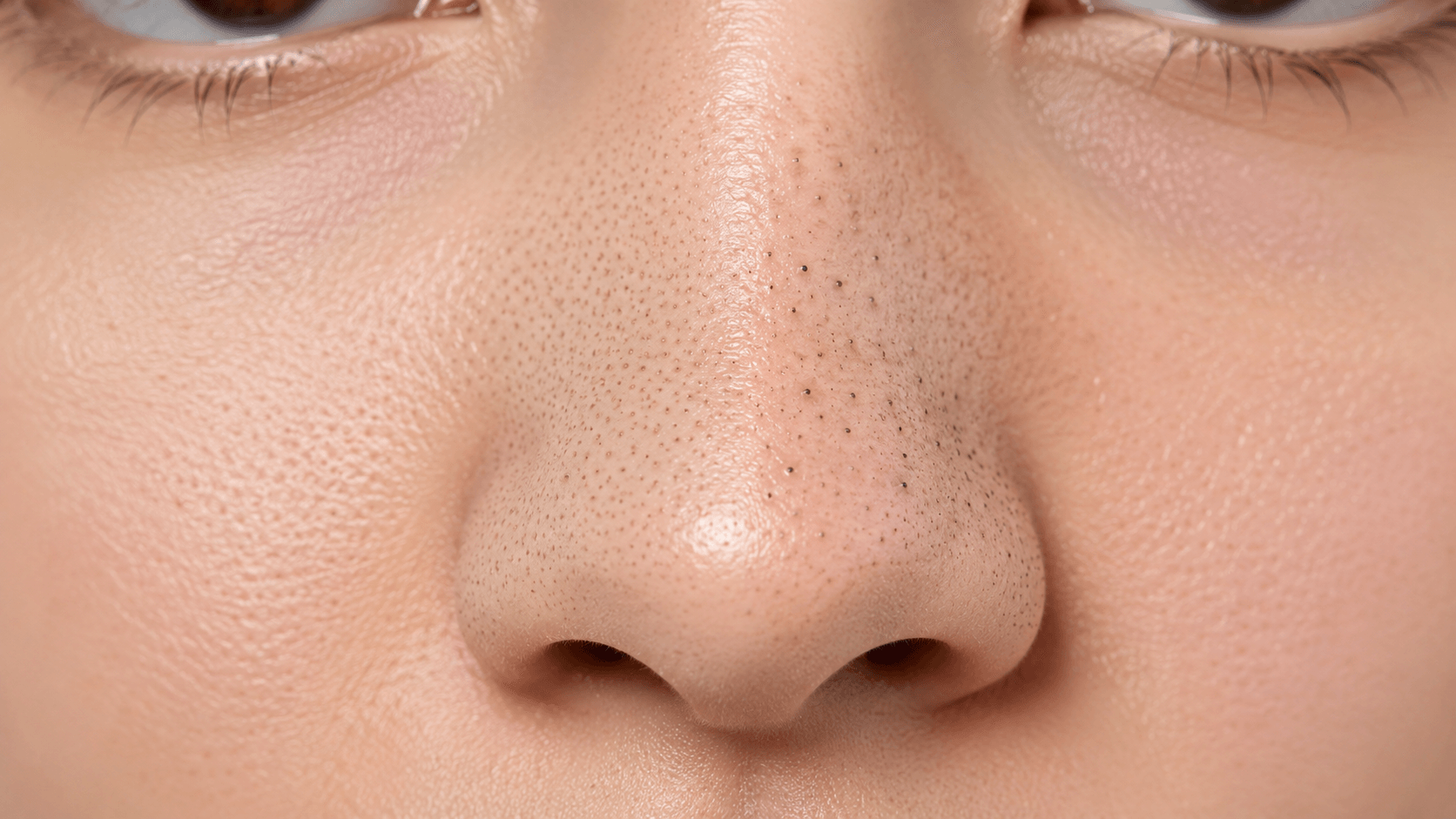
Start with skin clarity. Acne, redness, irritation, oiliness, and dullness can change how healthy and rested you look.
Then check under-eyes. Sometimes the fix is not anatomy; it is sleep, allergies, hydration consistency, sunscreen, or lighting.
Then check framing. Hair, eyebrows, facial hair, glasses, neckline, and clothes near the face can change the perceived balance of the face without changing the face itself.
Then check photo presence. A straight camera, relaxed expression, clean background, and front-facing light can make a bigger difference than chasing tiny symmetry measurements.
How to use symmetry without obsessing
Use symmetry as a photo-quality signal first. If the scan says one eye is lower, retake the photo with the phone level and your head straight. If the result changes, the issue was probably pose. If the same pattern appears in every neutral photo, decide whether it is actually worth caring about.
Most minor asymmetry is normal. The goal is not to remove every difference between the two sides of your face. The goal is to stop avoidable photo mistakes and improve high-impact details.
A practical 30-day glow-up plan
Week 1: Fix photo setup. Use the same camera distance, eye-level angle, and soft front-facing light.
Week 2: Improve grooming and framing. Clean up hair shape, eyebrow edges, facial hair lines, and neckline.
Week 3: Focus on skin consistency. Keep the routine simple and avoid irritation.
Week 4: Retake your scan and compare the top visible opportunities, not just the symmetry score.
Symmetry is a measurement. A glow-up is a system. Focus on the system.
Run a private AI face and glow-up scan on GlowUpFace.