Quick answer
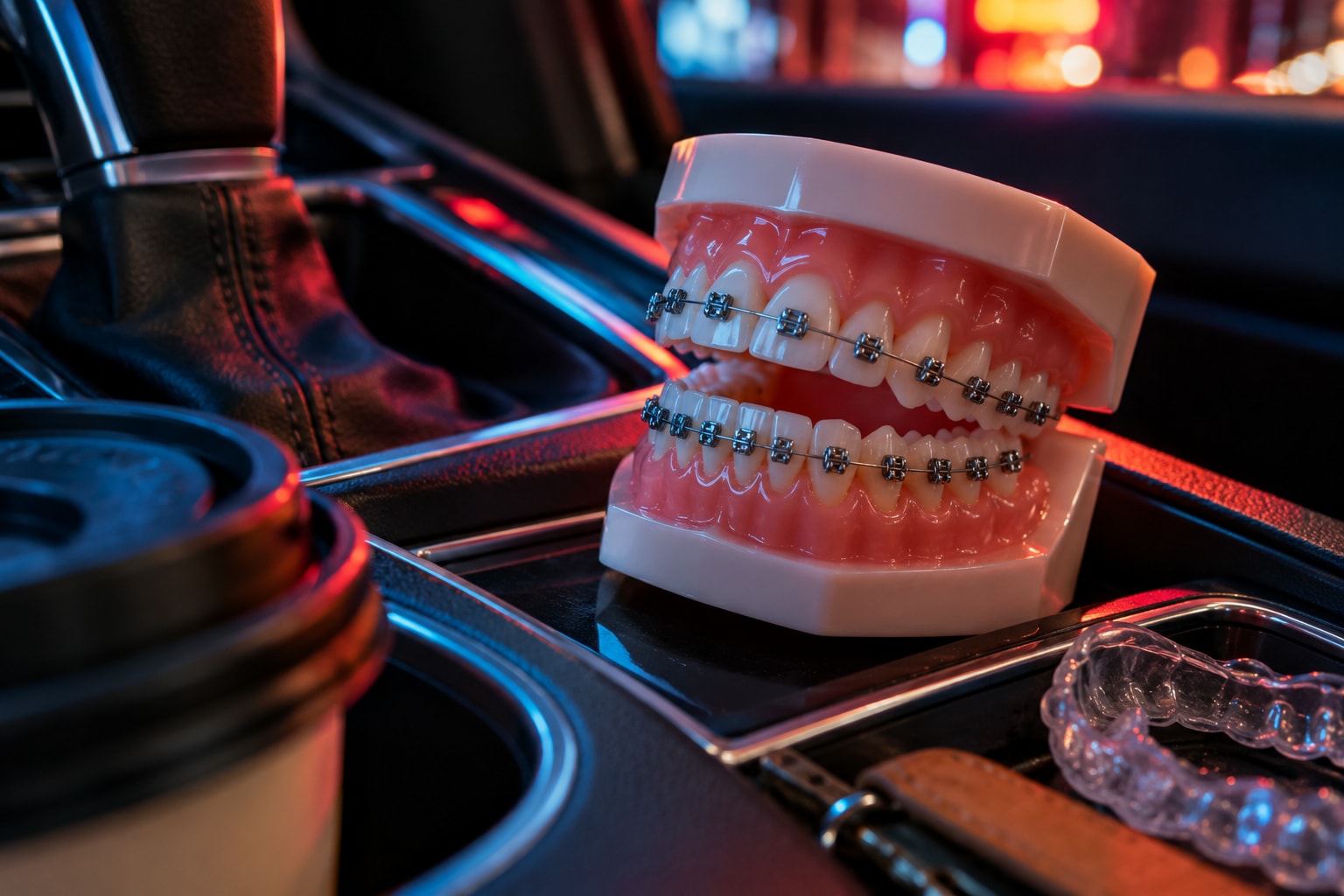
Why are braces brackets at different heights? Usually, the orthodontist is positioning each tooth for a planned final height, angle, and bite. Teeth have different shapes and starting positions, so a correct bracket setup may look uneven.
An uneven row isn't proof of bad placement, but a bracket that moves or separates needs a call to your orthodontist.
Why the brackets do not need to form a straight line
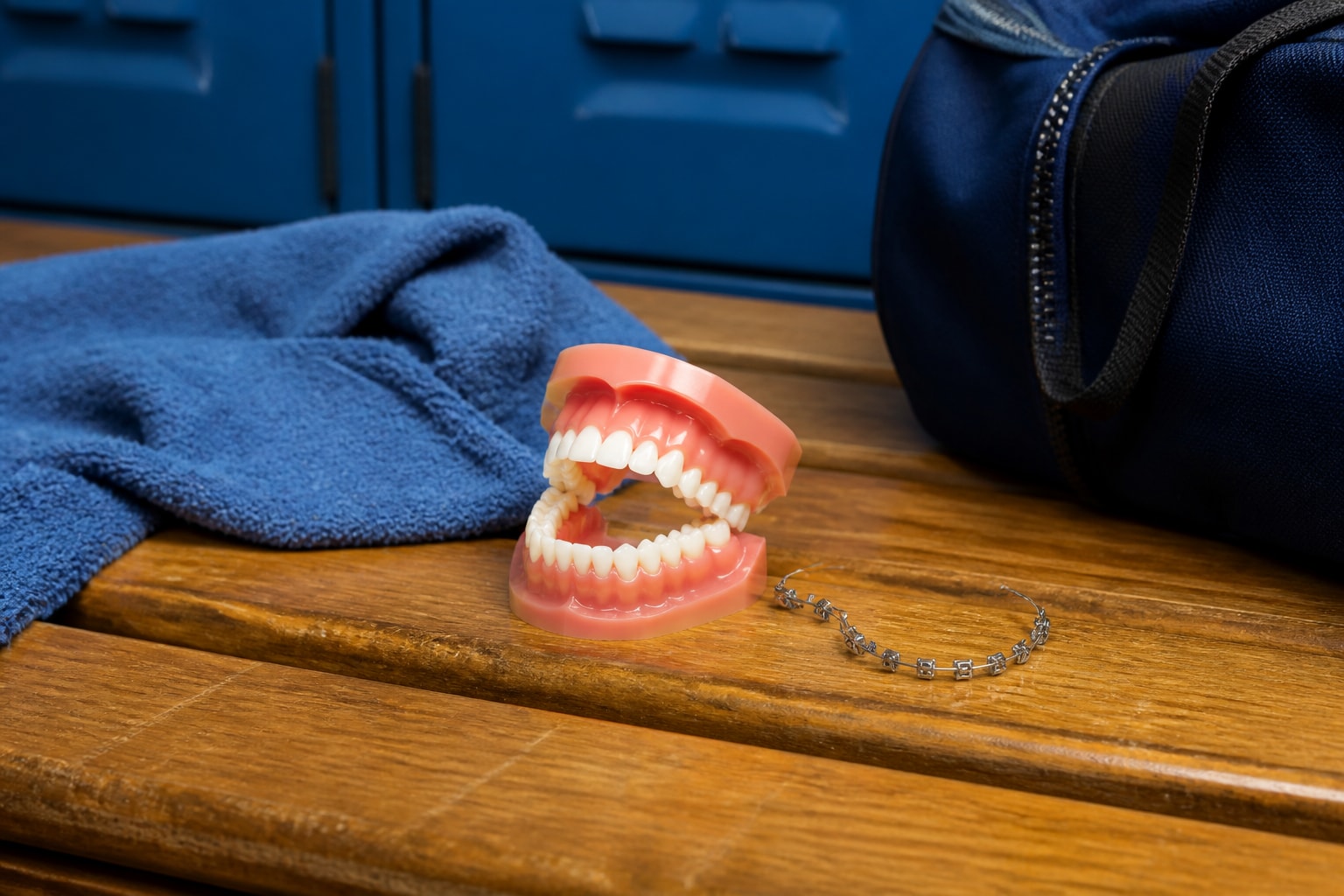
A bracket is a small handle bonded to a tooth, while the archwire passes through and applies planned force.
That means the bracket's position matters more than how tidy the row looks today. Moving a bracket up, down, or slightly sideways changes how force reaches that tooth. Its angle can also affect the tooth's final tip and rotation.
The American Association of Orthodontists explains that brackets and wires work together to guide teeth toward positions set in your treatment plan. The visible metal is a tool, not a preview of the finished smile.
Each tooth has a different shape
Front teeth, canines, and premolars have different crown shapes, while their edges, cusps, and gumlines sit at different levels.
Orthodontists therefore use landmarks on each tooth instead of drawing one flat line across every bracket. A bracket may look closer to the gum on a short tooth and lower on a long tooth.
Wear, chips, fillings, and natural crown differences can change those landmarks. Your orthodontist plans around the tooth you have, not an idealised diagram.
Different heights can shape the smile arc
The upper front teeth do not always finish with their biting edges on one level. Small planned differences can help the front teeth follow the curve of the lower lip when you smile.
A 2021 survey asked 434 Brazilian orthodontists how they would place brackets on upper central and lateral incisors. In that case, 78.3% preferred a 0.5 mm height difference between those brackets. The survey measured professional preference, not patient outcomes or a universal rule.
That limit matters because your bite, tooth wear, crown size, and smile line may call for another setup.
Crooked teeth make the row look more uneven
A rotated tooth presents a slanted surface to the camera or mirror. A tooth sitting higher in the gum also carries its bracket higher at the start.
As the teeth align, the relationship between the brackets becomes easier to judge. An early photo cannot show the roots, bite contacts, or three-dimensional treatment target.
This is why comparing your braces with another person's photo tells you little. Even two people with similar crowding can need different bracket positions.
Can a bracket be placed incorrectly?
Bracket placement is precise work, but small placement differences can occur. Tooth shape and severe rotation can make the ideal bonding point hard to reach at first.
A systematic review of indirect bonding found that planned and actual bracket positions can differ. It also found no settled evidence-based cutoff for a clinically acceptable placement error. Many studies use professional grading limits, but those limits do not decide whether your bracket needs moving.
The useful question is whether each bracket is producing the movement your orthodontist planned, not whether the row looks perfect.
Orthodontists often review bracket positions after the teeth have partly aligned. They may rebond one later or add a small bend to the wire. Repositioning can be a normal finishing step and does not automatically mean the original treatment failed.
Planned height or loose bracket?
A firmly bonded bracket should stay fixed against the tooth, without spinning, sliding along the wire, or lifting away from the enamel.
These signs are more useful than visual height alone:
- The bracket has looked the same since it was fitted. That supports planned placement, though only your clinic can confirm it.
- The bracket moves when your tongue touches it. It may have detached from the tooth.
- The bracket slides on the wire or turns sideways. Contact your orthodontist.
- The wire has come out, feels sharp, or cuts your mouth. Ask the clinic what to do before your next visit.
- Your bite repeatedly strikes a bracket. Report it so the clinic can decide whether it needs adjustment.
Do not test the bond by pushing hard because a loose bracket can remain caught on the wire after its adhesive fails.

What to ask at your next appointment
Take one clear photo in good light if the clinic accepts messages. State which tooth concerns you and when you first noticed the difference.
Then ask three direct questions:
- Is this bracket height intentional for my final tooth position or smile arc?
- Is the bracket still fully bonded to the tooth?
- Do you expect to reposition it during finishing?
Those questions separate treatment design from a hardware problem and give your orthodontist something specific to check.
Do not bend the wire, move the bracket, or try to glue it back. Changing the setup can alter the planned force, while a home bond cannot restore the intended position. A photo also cannot replace a bite check in the chair.
When to contact the clinic sooner
Uneven bracket heights alone can usually wait until your next planned visit. Call sooner if a bracket is loose, a wire is displaced, or pain keeps getting worse.
The American Association of Orthodontists also advises prompt contact for a broken bracket or loose wire. Heavy bleeding, trouble breathing or swallowing, major facial trauma, or a knocked-out tooth needs urgent care.
FAQ
Should every braces bracket be centred on the tooth?
Not always, at least not by the centre you see on an uneven or rotated crown. Orthodontists use tooth landmarks, crown shape, and the planned three-dimensional movement. The visual centre may not match the position that serves the treatment plan.
Does a bracket near the gum mean the tooth will move down?
You cannot predict the direction from bracket height alone, so ask your orthodontist what that bracket is intended to do. The tooth, arch, wire, bracket design, and treatment stage all affect movement.
Why did my orthodontist move a bracket halfway through treatment?
Teeth are easier to assess after early crowding and rotation have improved. Rebonding lets the orthodontist refine height, angle, or root position before the final wires and bite adjustments.
Can different bracket heights make my teeth uneven?
They can influence final tooth position, which is why placement gets checked during treatment. But an uneven bracket row may be deliberate, and only an examination can show whether a change is needed.