Quick answer
Lips look thinner after braces removal for two main reasons: the brackets no longer support the lips, and tooth movement may have changed their position. Your lip tissue hasn't necessarily become thinner.
Three-dimensional studies find small average changes immediately after brackets come off, though individual results vary. The useful next step is to separate the bracket effect from changes created during treatment.
Two different changes can alter your lip profile
Bracket removal and orthodontic treatment aren't the same event.
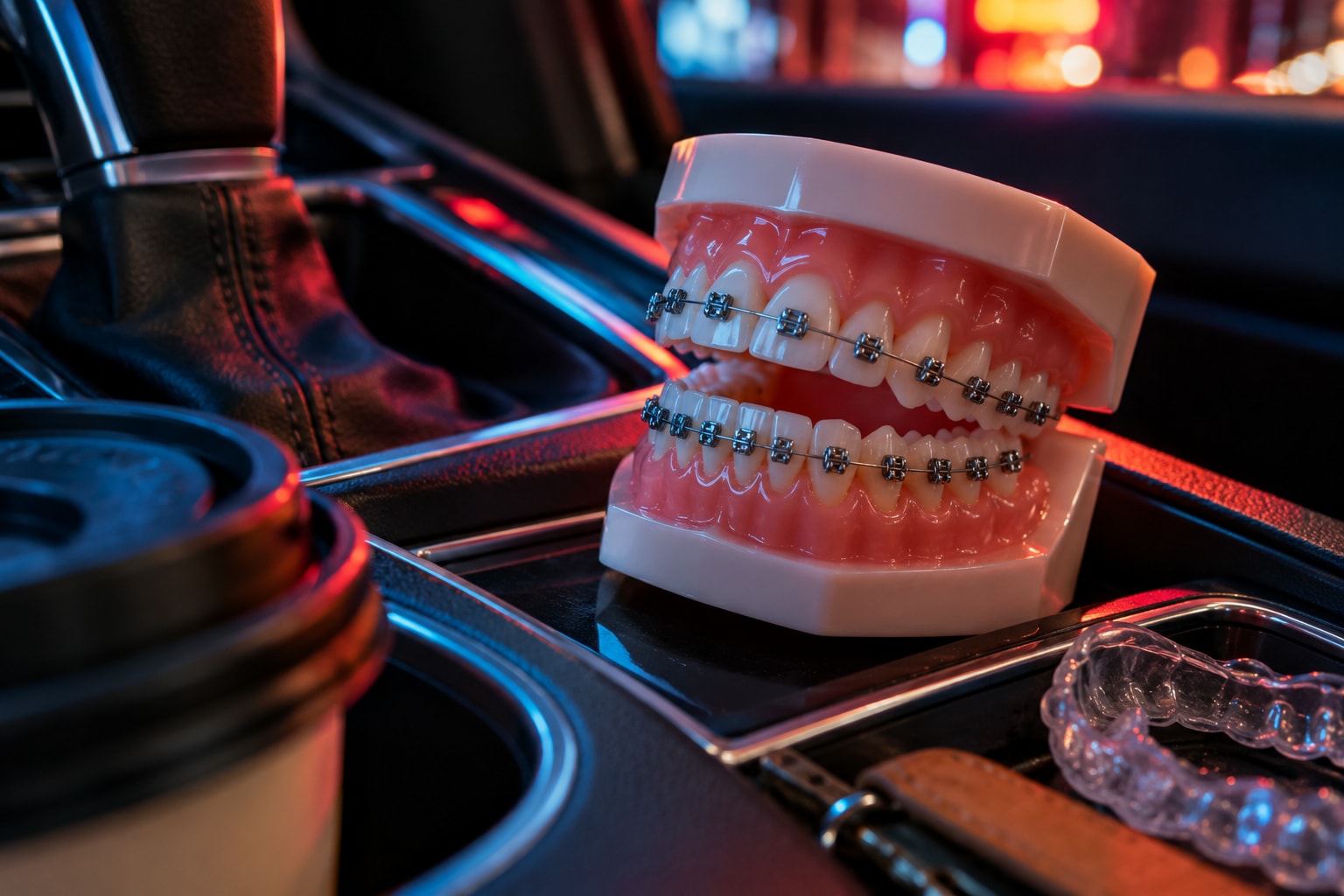
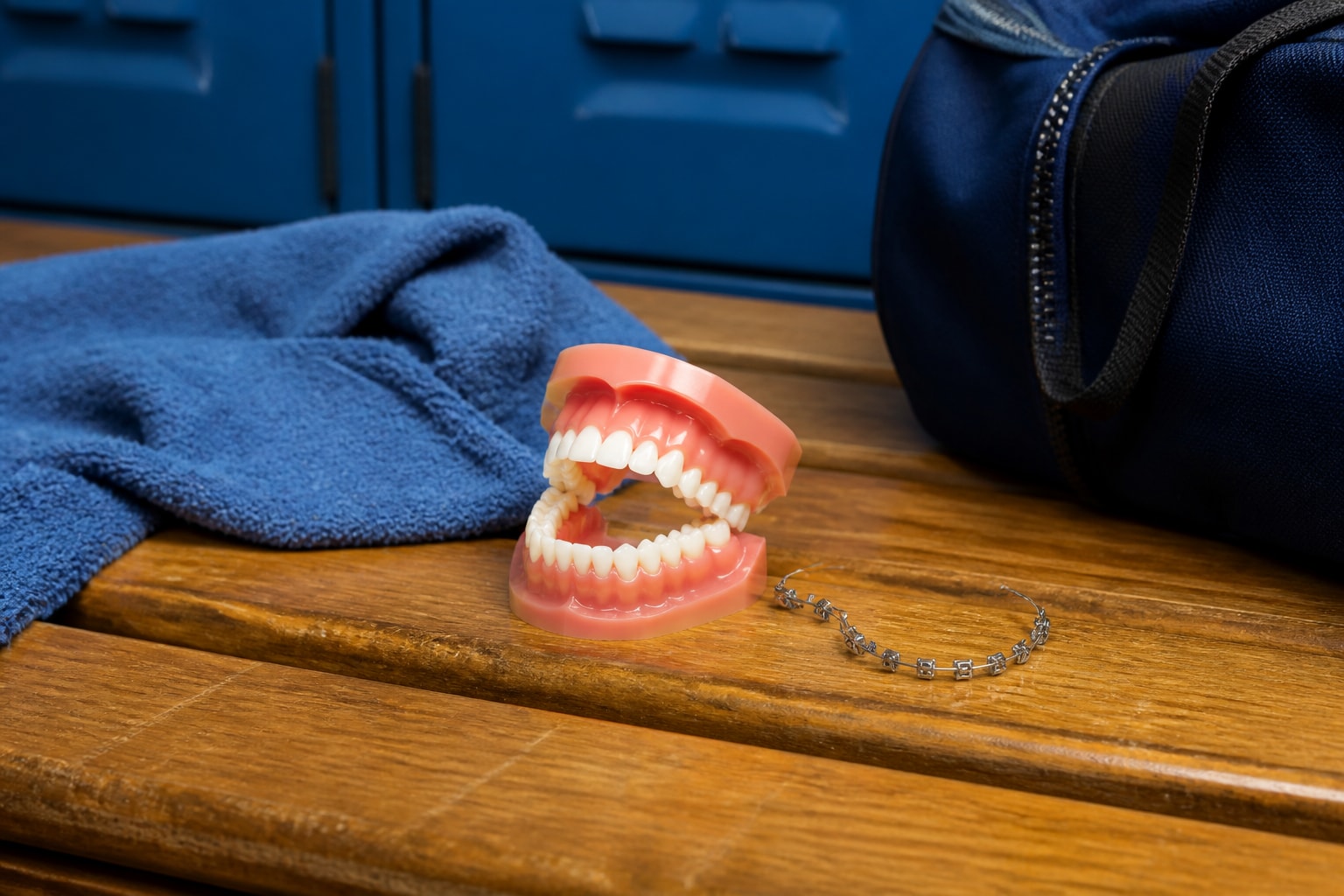
Fixed brackets sit on the front of your teeth. Once they come off, your lips can rest a little farther back. That shift happens even though the lips themselves haven't lost tissue.
Treatment can also move the front teeth over months or years. If the incisors move backward, the lips may follow to some degree. The response isn't perfectly predictable because lip thickness, muscle tension, starting tooth position, and the amount of movement differ.
This distinction changes which photos matter. A photo taken with braces and another taken after removal mainly show the appliance effect. Pretreatment and final photos show the combined result of tooth movement, growth, expression, and the missing brackets.
What studies found after brackets came off
The best direct evidence points to modest average movement, with real variation between people.
A 2012 study recruited 50 people and compared three-dimensional images taken before and after appliance removal. The researchers excluded 11 images because the facial expression changed. In the remaining group, average lip changes stayed below the study's 1.5 millimetre clinical threshold. Some participants had larger changes at the mouth corners or lower lip.
A second study measured 20 adults with a mean age of about 27. The lower lip and one mouth-corner landmark moved backward by about 0.44 to 0.56 millimetres. The researchers found no comparable upper-lip change.
A 2026 study also found that immediate changes varied with vertical skeletal pattern. Average upper and lower lip prominence moved by less than one millimetre in its reported groups. The authors warned that an immediate scan can't establish the long-term position.
These numbers are useful, but limited. The samples were small, measurements differed, and most data describe the first moments after removal. They measure landmarks and profiles, not whether you personally feel that your lips look full.
Check what changed before trying to fix it
Start with records, not a close selfie.
Ask your orthodontist for your pretreatment and final facial photographs. If possible, also keep a relaxed photo from the last week with braces. Those three points help separate the starting profile, treatment result, and bracket effect.
Recreate the comparison under controlled conditions:
- Use the same camera, lens, distance, and height.
- Face the same soft light and avoid flash.
- Keep your head level instead of pushing your chin forward.
- Take one image with relaxed lips and one natural smile.
- Compare front and side views at the same size.
Expression matters. In the 2015 study, the team fixed lighting, head position, makeup, and facial relaxation because small changes can move lip landmarks. A face scan or selfie can't explain the cause if those inputs change.
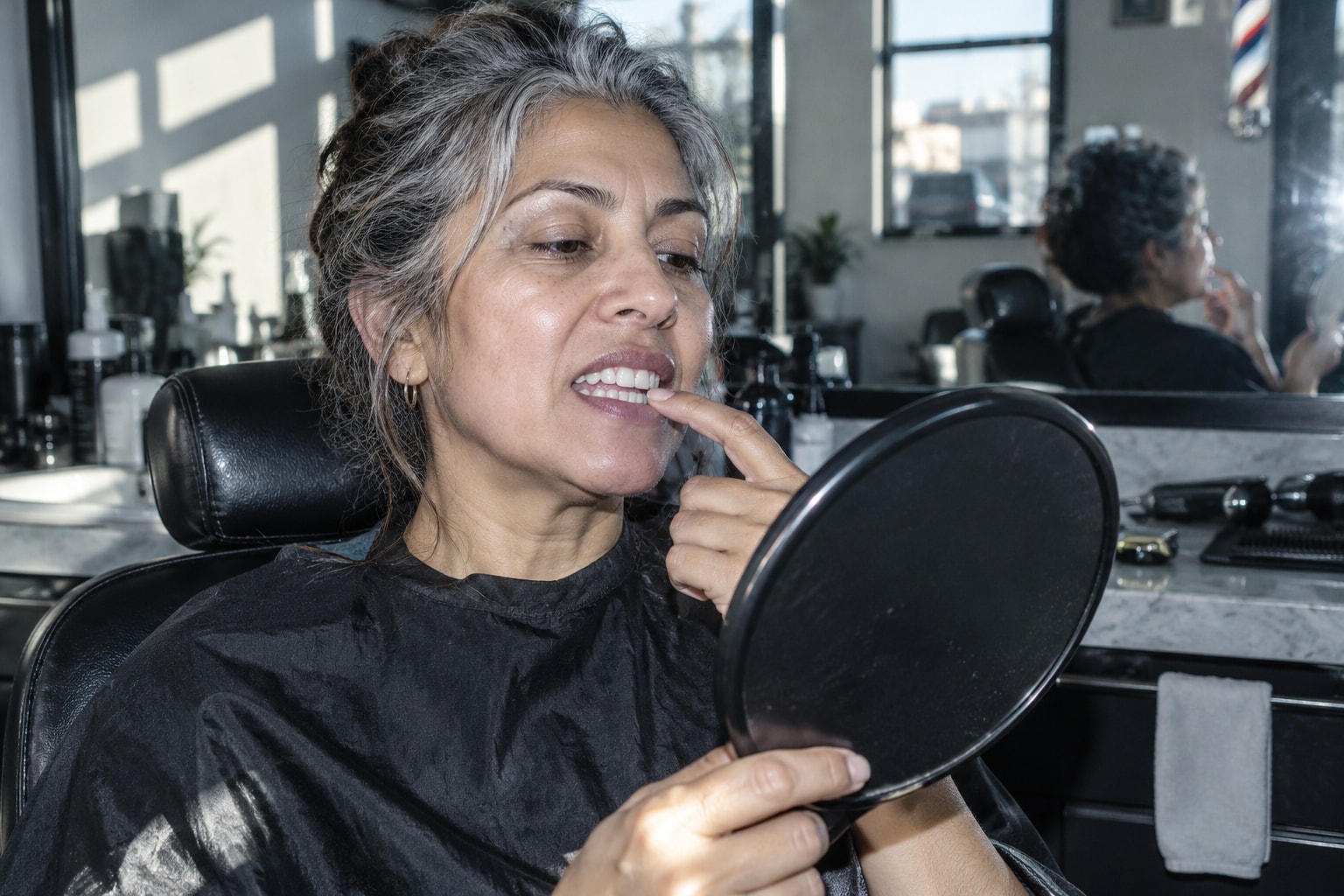
Give the new look a little time before judging it. The American Association of Orthodontists says many people need a week or two to get used to the feel of teeth without brackets. Familiarity isn't the same as tissue change, but it can affect how strange the result seems.
Read the treatment plan, not internet rules
If your final profile differs from your pretreatment profile, ask what happened to your incisors. Useful questions include:
- How far did my upper and lower incisors move?
- Did their angle change?
- Was space closed after extractions?
- Is my bite stable and is my retainer fitting correctly?
- Do the clinical records show a lip-position change?
Don't assume that extractions always make lips thin. A systematic review found more lip retraction on average in extraction groups, but averages don't predict one person's result. Treatment mechanics and starting anatomy still matter.
The same caution applies to claims that braces make everyone fuller. Brackets add temporary bulk, but each mouth responds differently. A measured comparison is more useful than a social-media before-and-after taken at another angle.
What you can safely do
Wear your retainer exactly as prescribed. Skipping it won't reliably restore lip fullness, and it can let teeth move away from their planned positions. Contact your orthodontist if the retainer feels painful, won't seat, or suddenly becomes tight.
Don't bend a retainer or use a DIY tooth-moving device. Ask your orthodontist about any change you want instead.
If the difference still bothers you after a consistent comparison, book a review with your orthodontist. Bring the photos and ask to see the final tooth positions beside the original plan. That conversation can establish whether you are seeing bracket removal, planned tooth movement, or a camera difference.
Don't use a day-one selfie as the reason for filler or repeat orthodontics. If you later consider an injectable, speak with a qualified medical professional and mention the recent dental treatment.

When to get help sooner
Contact your orthodontist if your bite feels different, teeth appear to be shifting, or the retainer no longer fits. Ongoing pain, swelling, or marked asymmetry also deserves a professional check.
Sudden one-sided facial drooping is different. If it appears with arm weakness, numbness, or speech trouble, call your local emergency number now. Those are recognised stroke warning signs, not a cosmetic effect of braces removal.
FAQ
Do lips go back to normal after braces are removed?
The extra support from brackets ends as soon as they come off. Tooth movements created during treatment remain, so your final profile may not match either your braces-on look or your pretreatment look. Many people also need time to become familiar with the bracket-free appearance.
Can braces permanently make lips look thinner?
Orthodontic treatment can change apparent lip fullness when it changes front-tooth position or angle. That doesn't mean the lip tissue was removed or damaged. Your orthodontist can compare records and explain the actual tooth movement in your case.
Can a retainer make my lips look thinner?
A retainer is designed to hold tooth position, not change lip volume. Its visible effect depends on its thickness and type, but you shouldn't stop wearing it for appearance reasons. Ask your orthodontist to check any fit concern.
How long should I wait before judging the result?
Use a consistent comparison after one or two weeks, when the bracket-free feel is less unfamiliar. Direct studies mostly measured immediate change, so they can't promise a precise settling date. If the concern remains, compare clinical records with your orthodontist.