Quick answer
If a tooth turned gray after braces, book a dental exam rather than trying to whiten it first. The color may come from surface stain, leftover bonding resin, decay, an old injury, or a change inside the tooth. A gray tooth isn't proof that the pulp has died, and a photo can't settle the cause.
Start by separating surface and internal color
Dentists group color changes by where they start: an extrinsic stain sits on enamel, while an intrinsic one starts within enamel or dentin. Some changes mix both.
Surface stains can collect on plaque, while braces bonding resin may also affect enamel color. A laboratory study of extracted premolars found that some thin leftover resin picked up more test stain after brackets were removed. Polishing reduced that difference, making resin a possible surface cause rather than a proven reason for one gray tooth.
Internal color is different, and Cleveland Clinic links a sudden color change in one tooth with injury or decay. Gray color may reflect damage to the pulp, which contains the tooth's nerves and blood vessels. A past knock can matter even if you barely remember it.
Those patterns are clues, not a home test. Any new darkening in one tooth deserves an exam because shade alone can't diagnose a dead tooth.
Did the braces cause it?
The timing makes braces seem like the obvious cause, but the evidence is less certain.
A 2021 systematic review asked whether moving teeth with braces causes pulp death, also called necrosis. Across 12 studies, routine movement wasn't shown to cause pulp death, though some found temporary blood-flow changes. The evidence was weak, so it can't rule out rare harm.
The review also found a major blind spot: many studies didn't adequately account for trauma, decay, fillings, calcified canals, or past dental work. Any of these can change how a tooth responds.
So don't assume your orthodontist damaged the tooth, and don't assume the timing is harmless either. Your dentist needs to assess this tooth.
What to do now
Book a general dental exam soon, and tell your orthodontist if your braces are active or were recently removed. Explain when you first saw the change and whether it appeared during treatment or after removal.
Mention any past hit to the mouth, even one from years ago. Also report pain, lingering hot or cold sensitivity, pain when biting, swelling, a bad taste, or a small gum bump.
Seek urgent dental care for swelling, pus, fever, severe pain that starts on its own, or strong pain when biting. If swelling makes breathing, speaking, or swallowing hard, get emergency medical care now.
Until you're seen:
- Brush gently with fluoride toothpaste and a soft brush.
- Keep flossing or use the cleaning method your dental team taught you.
- Don't scrape the tooth or pick at possible adhesive.
- Don't test it with acids, charcoal, or whitening strips.
Wait on whitening. Cleveland Clinic says injury-related discoloration needs a dental assessment, while professional whitening works best on surface stains. Whitening response isn't a pulp-health test, and bleaching may change the surrounding color without explaining the gray tooth.
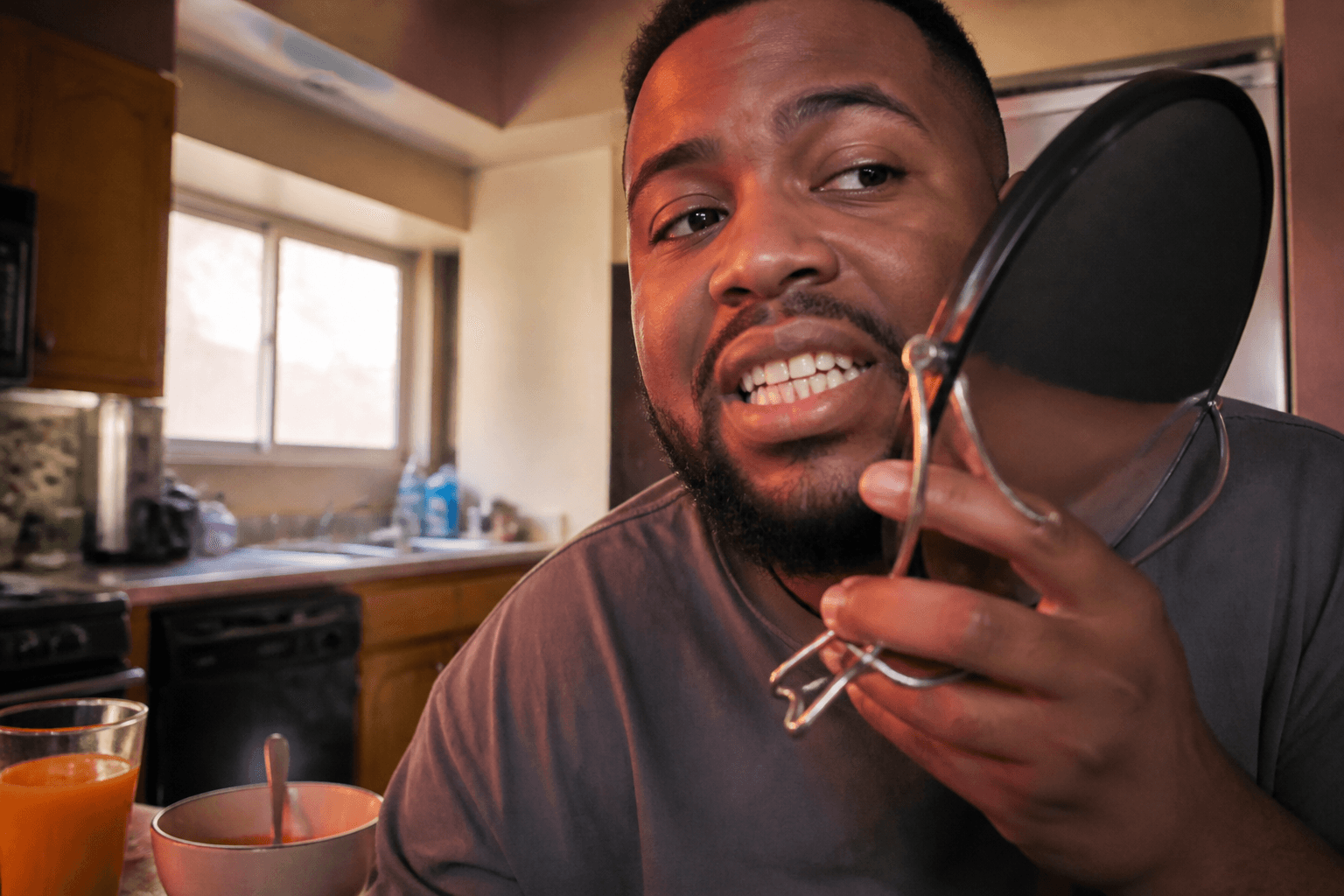
Take one clear photo to record when you noticed the change. A photo can't diagnose pulp health, so show it to your dentist as one part of the history.
What the dentist may check
A proper pulp diagnosis uses several pieces of evidence, and the American Association of Endodontists says no single clue can settle it.
Your dentist may review your dental history and check the tooth for decay, cracks, fillings, plaque, or leftover bonding material. They may tap the tooth, check tenderness, and take dental X-rays. Cold or electric tests compare its response with neighboring teeth and the matching tooth on the other side.
These tests have limits, since a tooth may not respond after recent trauma or because its canal has calcified. Some teeth may not react even without pulp death, so one negative cold or electric result isn't enough.
Pain isn't required either, since the AAE notes that a dead pulp may cause no symptoms. A painless gray tooth still deserves a check.
Sometimes the findings conflict, so repeat testing or referral to an endodontist may be safer than immediate treatment.
Why an immediate root canal isn't automatic
A small 2017 Korean case series followed 28 discolored teeth found during braces treatment in one dentist's records. Cases involving known trauma or other dental disease were excluded.
The paper reported color follow-up for 24 teeth observed without treatment: eight became lighter, while 16 stayed discolored. None showed worsening color or a new problem on the dental X-rays used in the study.
That study can't give your personal odds because it never reported how many patients or teeth were screened. It also lacked a control group, and its color assessment relied partly on photographs. Still, it shows why discoloration alone shouldn't trigger immediate root canal treatment.
A dentist still needs to decide whether monitoring is safe. The authors proposed reducing braces force, testing the tooth, and watching selected cases before starting treatment that can't be undone. They didn't endorse waiting at home without an exam.

Treatment depends on the cause
If the color is surface stain, a dental cleaning or polish may remove it. A dentist can also check for leftover bonding resin and polish it when appropriate.
If decay is present, the tooth needs treatment for that decay. If testing confirms pulp necrosis, a dentist or endodontist may recommend root canal treatment. That decision comes from the full diagnosis, not shade alone.
Once the cause is treated or ruled out, your dentist can discuss color correction. The choice may include professional whitening, bonding, or a restoration. Each option fits a different cause.
Avoid abrasive DIY fixes because Cleveland Clinic warns that some store-bought whiteners can harm enamel. It says to avoid activated charcoal and citric acid. Neither remedy treats disease inside a tooth.
FAQ
Can braces make one tooth turn gray?
A gray tooth can appear during braces treatment, but timing doesn't prove that braces caused pulp death. A 2021 review didn't find that routine tooth movement caused pulp death, though its evidence was weak. Trauma, decay, fillings, and other factors still need checking.
Can a gray tooth return to its normal color?
It can, but the cause matters: eight of the 24 teeth observed without treatment in the small 2017 series became lighter. That selected sample can't predict your outcome, so a dentist should monitor any improvement.
Will whitening fix a gray tooth after braces?
Whitening may help some stains, but it won't diagnose or treat an unhealthy pulp. Surface and internal color changes respond differently, so get the tooth examined before using strips, trays, or whitening toothpaste.
Is a painless gray tooth still a concern?
Yes, because a dead pulp can cause no pain, and one darkened tooth may follow injury or decay. Arrange a dental exam even if the tooth feels normal.