Quick answer
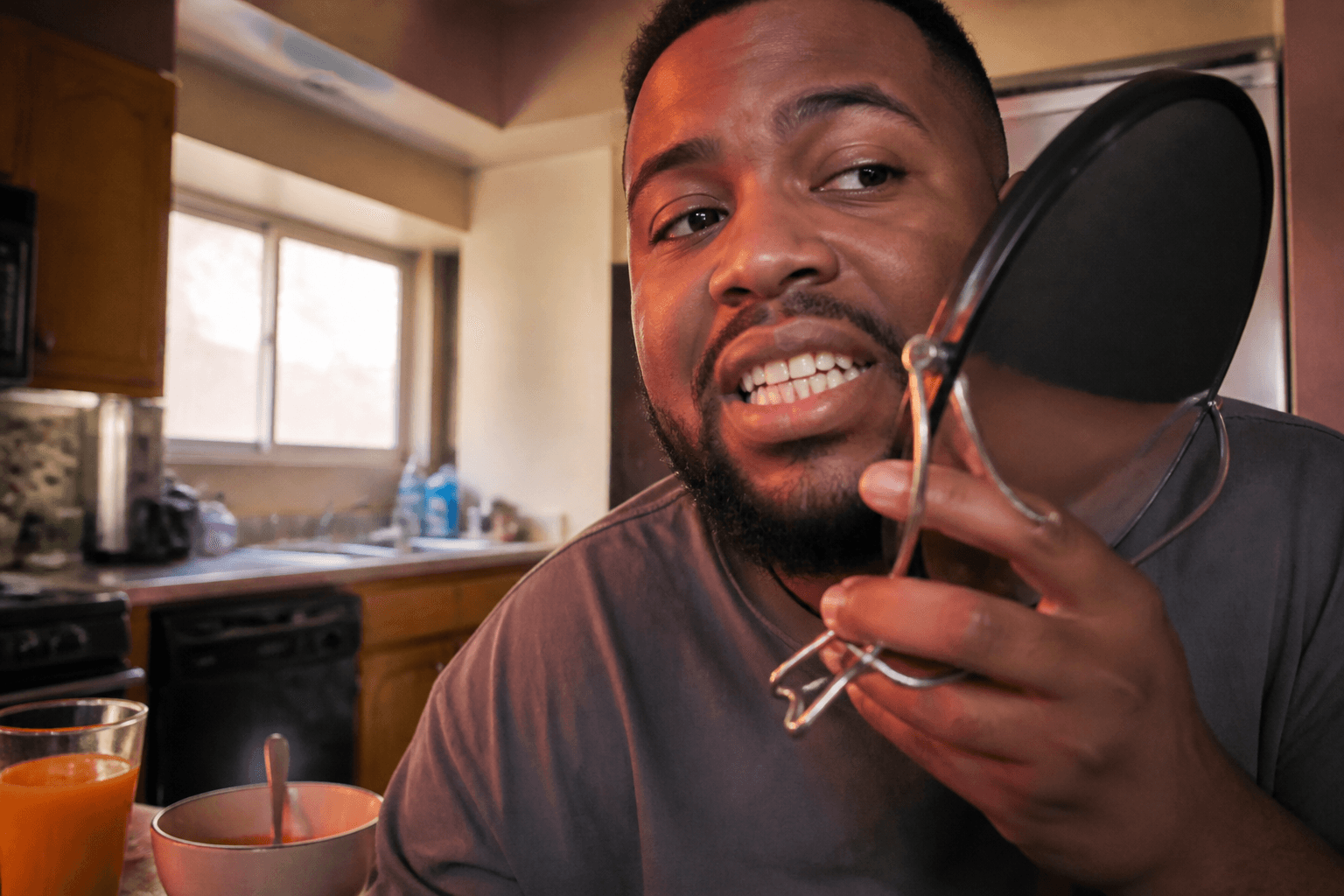
Why do front teeth flare after braces? The usual reason is space: straightening crowded incisors can tip their crowns toward the lips. That change may be planned, unwanted, or caused later by relapse. A close selfie can't separate those cases, so ask your orthodontist to compare your records, bite, gums, and retainer fit.
What “flared” teeth actually means
Orthodontists call forward tipping of an incisor proclination. The crown leans toward the lip relative to the root and jaw. This differs from moving the whole tooth forward, although both changes can happen together.
You can't judge the angle against a phone screen. Orthodontists measure it against the upper or lower jaw on a side-view X-ray. They also check how the upper and lower incisors meet. A tooth that looks angled in one photo may still fit the planned bite.
Natural front teeth aren't supposed to match one universal angle. Their final position depends on your starting bite, jaw relationship, roots, gums, and available bone. The useful question is whether the new angle suits your mouth, not whether each tooth looks vertical.
Crowding is the main reason teeth tip forward
A crowded dental arch has too much tooth width for the available space. Once braces line up overlapping or rotated teeth, that space must come from somewhere.
An orthodontic plan can create space in several ways. It may widen part of the dental arch, move teeth backward, remove a small amount of enamel between selected teeth, or extract teeth. Another option is to accept some forward tipping of the incisors. No single choice is right for every mouth.
A 2016 study by Yitschaky and colleagues followed 96 non-extraction cases with crowded lower teeth. For each millimetre of crowding relieved, the model predicted about 0.5 degrees of proclination and 0.2 millimetres of forward movement. Those figures aren't a rule for you. They show why alignment and flaring often occur together.
The British Orthodontic Society makes the same tradeoff clear. In a crowded mouth, trying to fit every tooth without enough space can leave the front teeth or lips more prominent. That doesn't mean extractions were automatically needed. It means the space plan should have been deliberate and explained before treatment.
The appliance alone doesn't decide the result
Switching from braces to clear aligners doesn't guarantee less flaring. The treatment plan still has to solve the same space problem.
Hennessy and colleagues tested this in 44 adults with mild lower-front crowding. Fixed braces produced an average 5.3-degree change, while clear aligners produced 3.4 degrees. The difference wasn't statistically significant, but the study was small and covered mild crowding, so it can't settle every case.
The useful takeaway is narrower: ask where the space will come from, rather than assuming one appliance will protect the tooth angle.
Planned change, unfinished result, or relapse?
Timing gives you the first clue.
- If the teeth looked flared as soon as the braces came off, the position probably developed during treatment. It may have been planned, or it may need review against the agreed goal.
- If the angle changed months or years later, relapse or continued tooth movement becomes more likely. A retainer that feels tight, no longer seats fully, or has broken supports that explanation.
- If your bite feels different, the upper teeth seem farther ahead, or the gums are receding, don't diagnose the cause from a mirror. Arrange an orthodontic assessment.
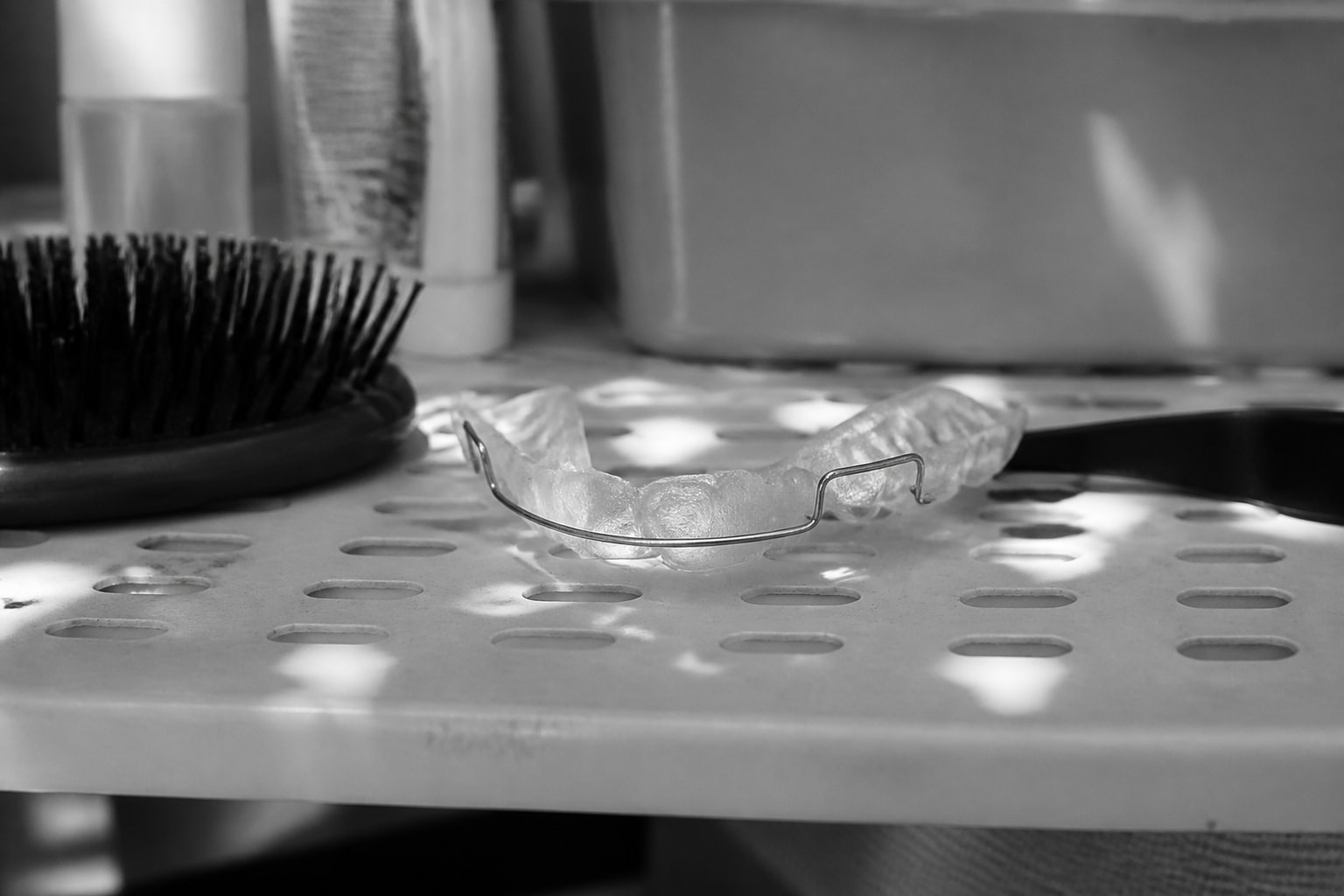
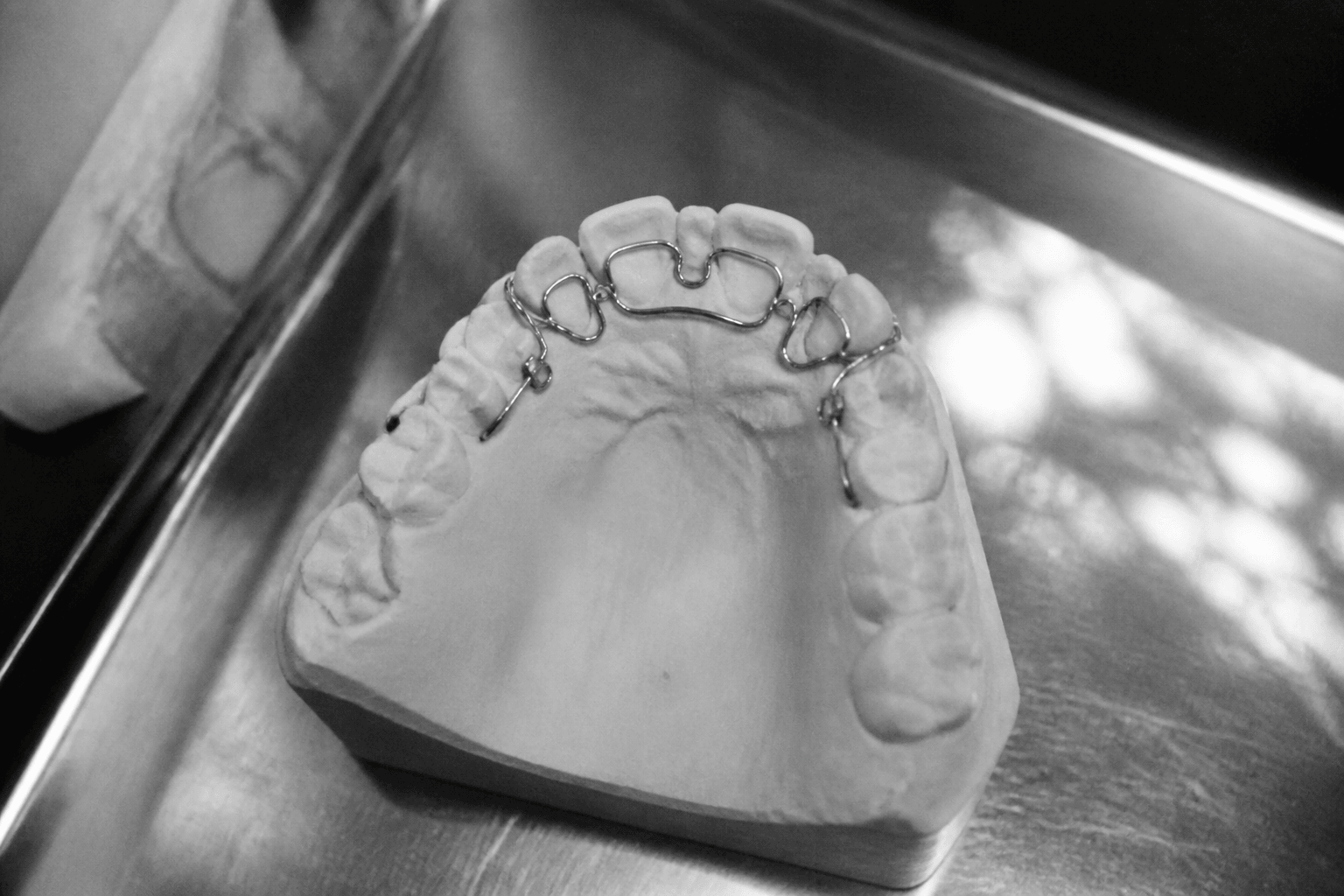
Retainers hold a finished position, but they don't solve every unwanted tooth angle. The American Association of Orthodontists says shifted teeth may need a retainer adjustment, a new retainer, or another short course of treatment. Don't force a retainer that no longer fits.
Check the records, not one close photo
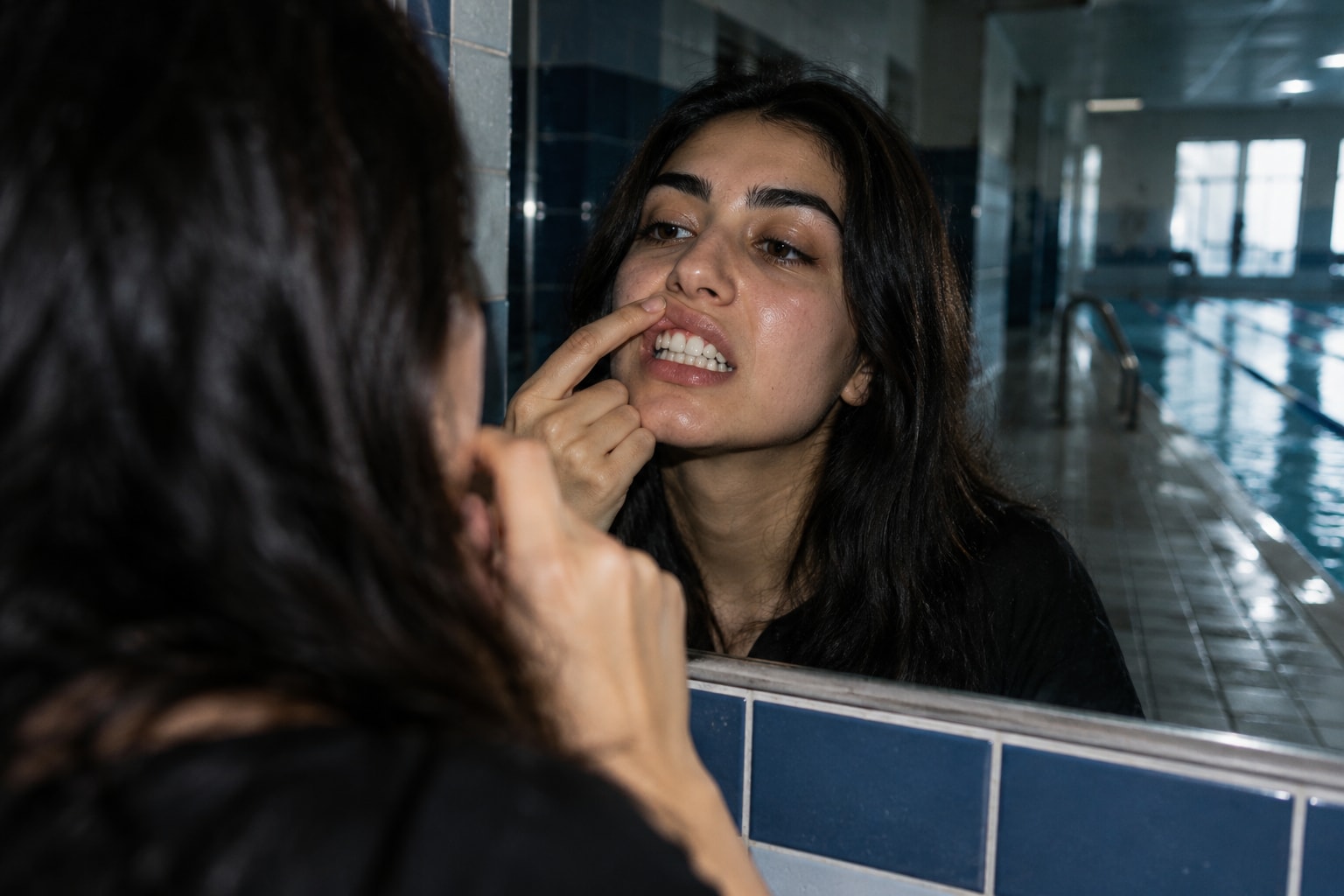
Phone photos can change how prominent the front teeth look. Dental photography studies show that focal length, camera position, distance, and head position can distort comparisons. A wide-angle selfie taken close to your mouth is poor evidence of tooth movement.
Use photos only to document a change under the same conditions. Keep the camera, distance, head angle, lighting, and expression consistent. Even then, photographs show appearance, not root position or bone support.
Your orthodontist can compare stronger evidence:
- pre-treatment and post-treatment side-view X-rays;
- digital scans or dental models;
- measured overjet and the way your teeth meet;
- root position, gum levels, and periodontal health;
- your written treatment goal and planned incisor angle.
Ask to see the comparison, since “the teeth are straight” doesn't explain whether their forward angle changed or whether that change was intended.
Does flaring damage the gums?
Flaring isn't proof of damage, and a 2018 systematic review examined lower-incisor inclination and gum recession in adults. It found no strong evidence that proclination with fixed braces causes gum recession.
That conclusion has a limit because the review found only two suitable observational studies. Their methods differed too much for a meta-analysis. It doesn't prove that every amount of outward movement is safe for every jaw.
The British Orthodontic Society warns that pushing teeth beyond their supporting bone can raise the risk of recession. These points aren't contradictory, since average results can't replace an assessment of your bone, gum thickness, hygiene, and planned movement.
Book a dental or orthodontic review if you notice new root exposure, gum bleeding, tooth mobility, pain, or a changing bite. Those signs need an examination, regardless of how the teeth look.
What to ask your orthodontist
Take your original concern and make it measurable. These questions produce more useful answers than asking whether the result “looks normal”:
- How many degrees did my upper and lower incisors change?
- Was that change written into the treatment plan?
- Did the crowns tip, or did the roots move as well?
- Is my overjet and bite within the goal we agreed?
- Are the roots well supported by bone, and are my gums stable?
- If I want less flare, where would the required space come from?
- What are the tradeoffs of leaving it, using aligners or braces again, creating space, or seeking a second opinion?
A qualified orthodontist needs records before recommending a fix. More treatment may be reasonable when the bite, gum health, stability, or agreed appearance is off. It may add cost, time, root movement, and retention needs, so a small healthy difference may be better left alone.
Space-making isn't a home project. Don't file between your teeth, wear online elastic bands, or try to bend a retainer. Those steps can damage enamel, gums, roots, or your bite without controlling the movement.
FAQ

Is some forward tilt normal after braces?
Yes, some proclination can be an expected part of aligning crowded teeth, especially when treatment doesn't create all the space elsewhere. Whether the amount is suitable depends on your bite, roots, gums, jaw relationship, and stated treatment goal.
Can a retainer pull flared teeth back?
A standard passive retainer is mainly designed to hold teeth where treatment left them. Some minor movement may be managed with an adjusted or new appliance, but a larger angle change usually needs a new orthodontic plan. Ask before wearing a painful or poorly fitting retainer.
Do clear aligners cause less flaring than braces?
Not reliably, based on one randomized trial of 44 adults with mild lower crowding. Clear aligners and fixed braces produced no statistically significant difference in proclination. Planning and space management matter more than the marketing label.
Do flared teeth always cause gum recession?
No, a systematic review found no strong evidence that orthodontic proclination alone causes recession. The evidence base was small, so your bone support, gum tissue, hygiene, and amount of movement still need clinical assessment.