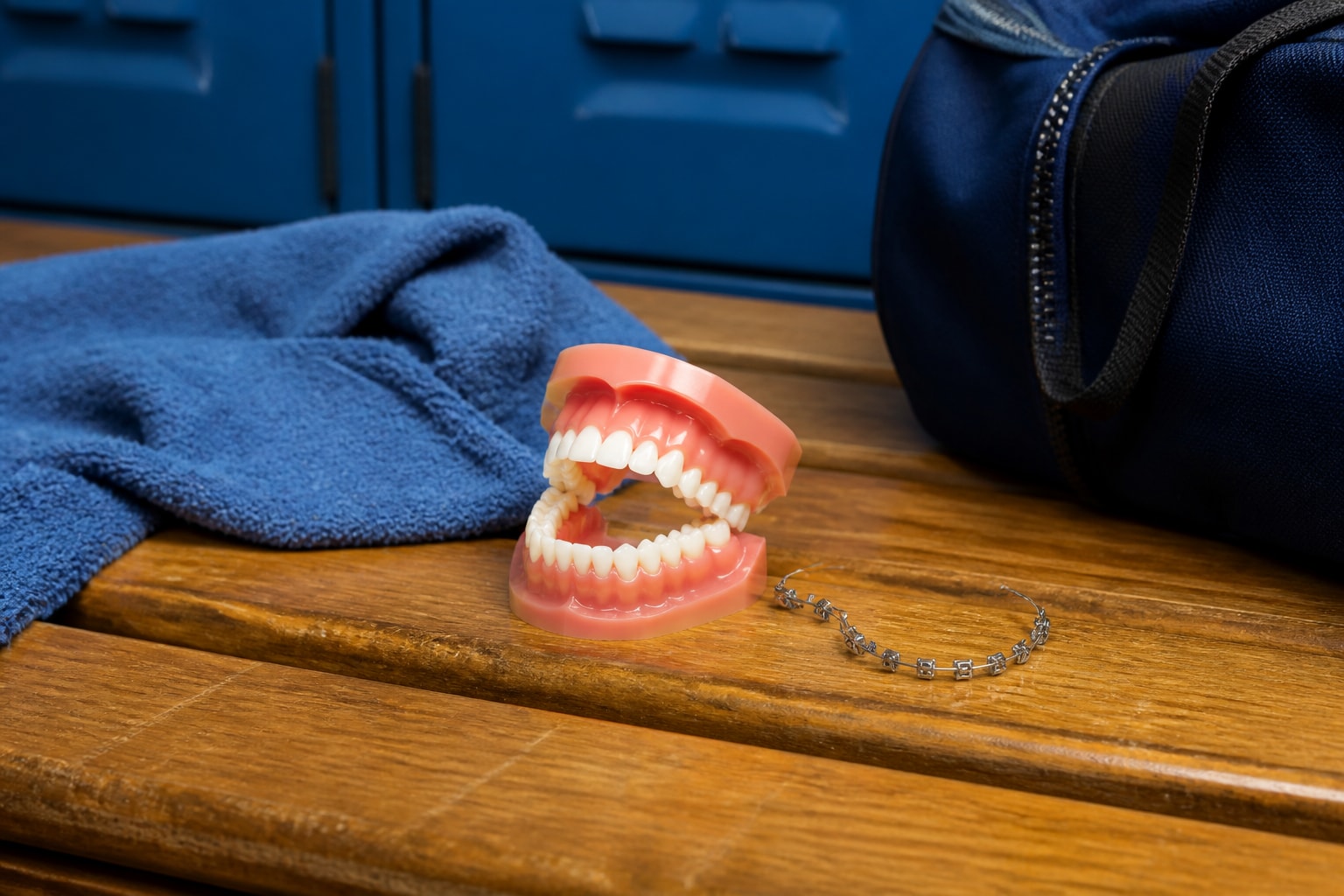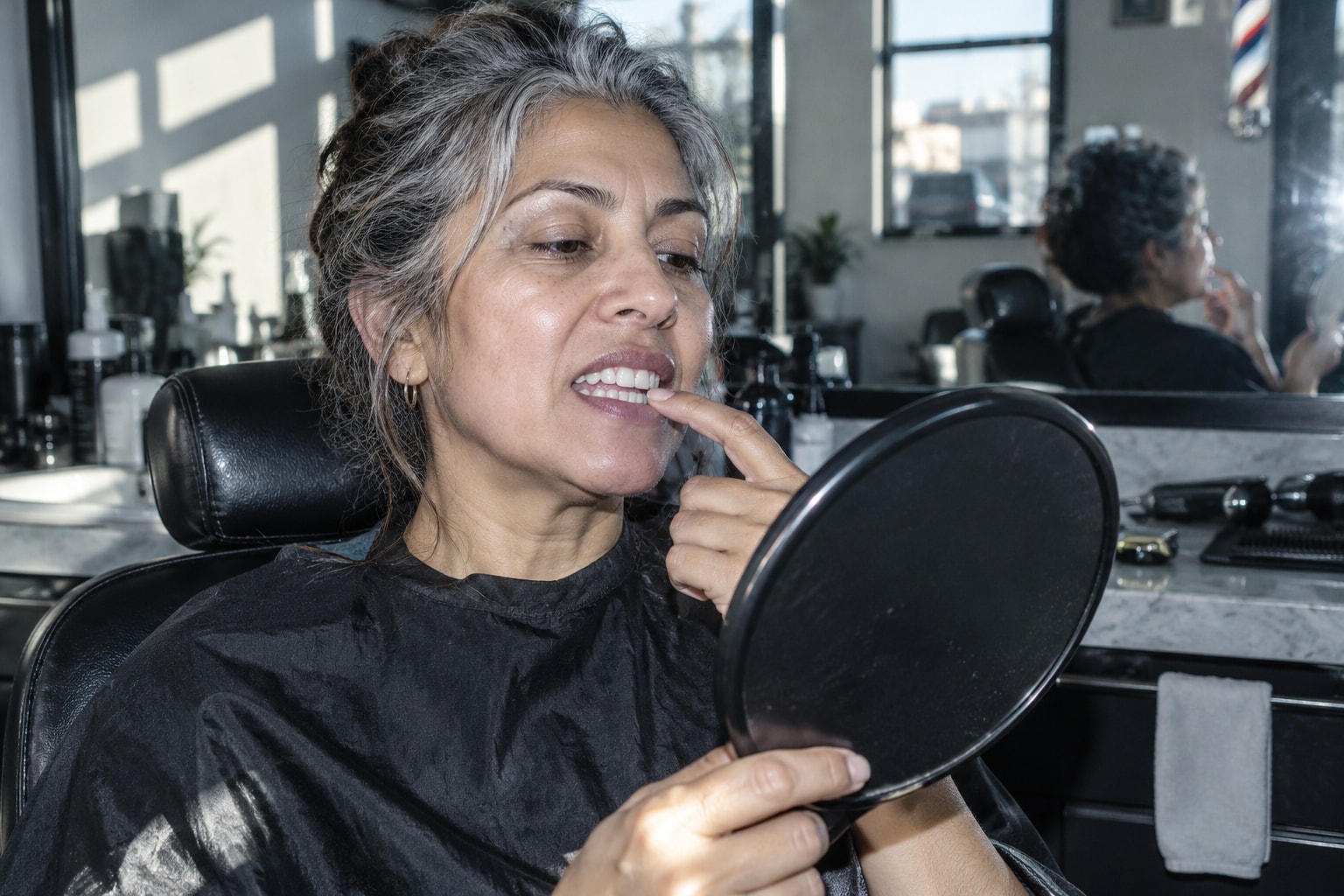
Quick answer
Why is my smile arc flat after braces? Orthodontic leveling, overbite correction, or front-tooth inclination can straighten the upper biting-edge curve, but braces aren't the only explanation. Your lip movement, tooth wear, head position, and camera angle can create the same look.
Compare matched before-and-after records before deciding that treatment caused the change. Ask an orthodontist to review the tooth positions and your bite. Don't alter elastics, bend a retainer, or file your teeth yourself.
What a flat smile arc means
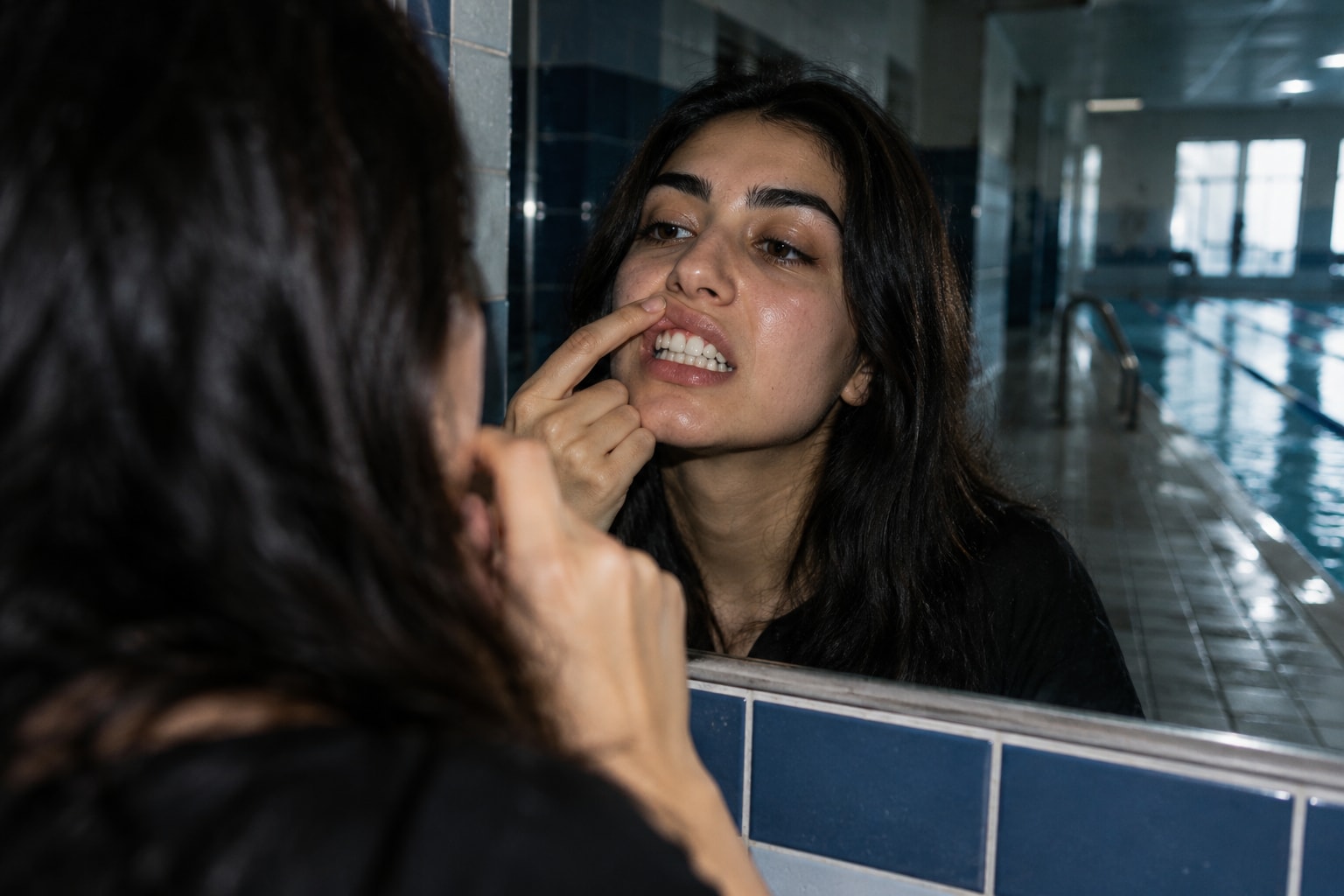
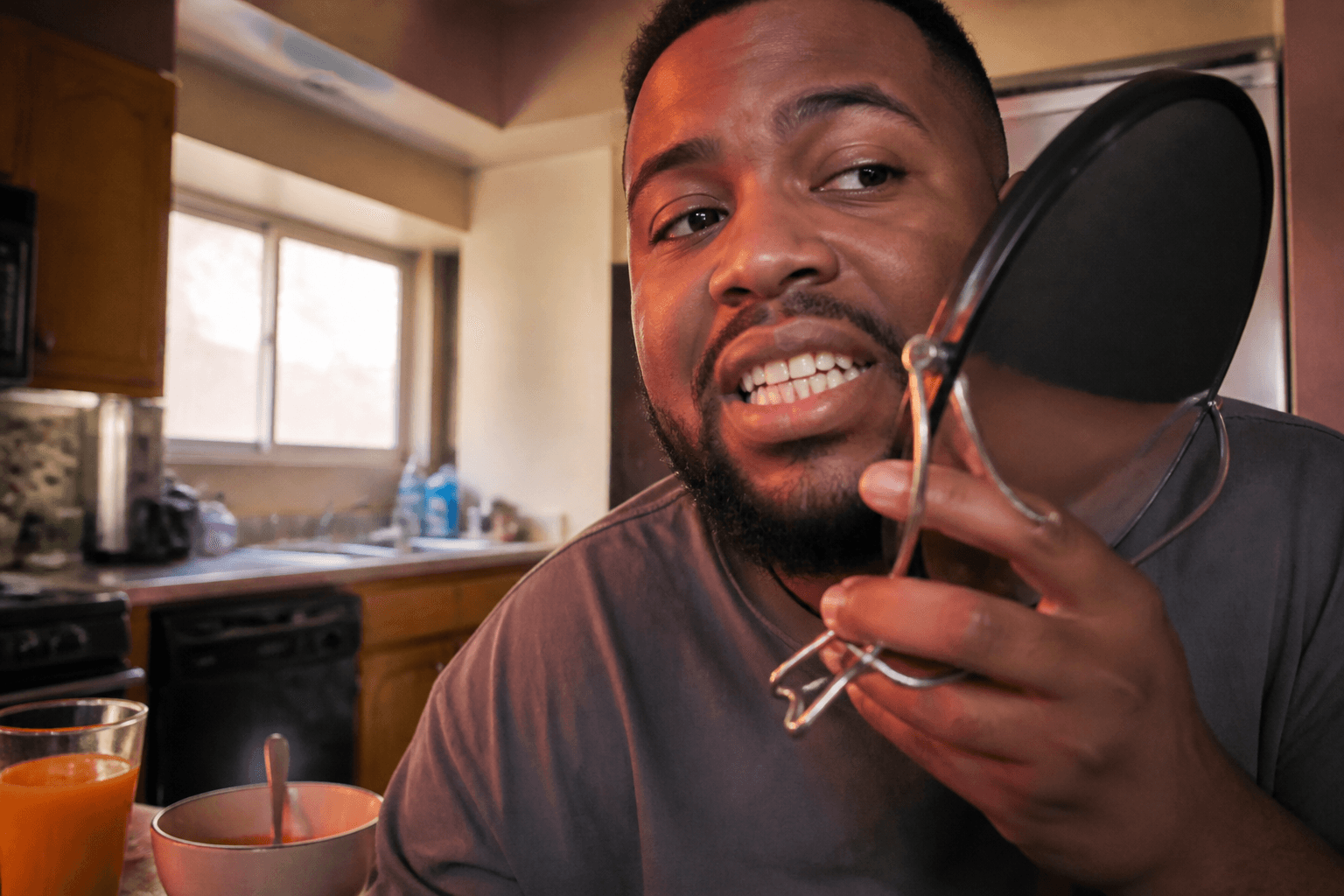
Your smile arc is the relationship between two curves during a posed smile. One follows the biting edges of your upper front teeth. The other follows the top border of your lower lip.
Orthodontists call the arc consonant when those curves roughly follow each other. A flat arc means the upper biting-edge line looks straighter than the lower-lip curve. It doesn't diagnose a bad bite or failed treatment.
It also isn't an objective score of your smile. In a 2025 randomized trial, a special bracket method produced a more consonant arc than standard placement. Yet orthodontists and laypeople didn't rate the resulting smiles differently, while general dentists preferred the special-placement group.
That mixed result matters. A measurable curve change won't always create a visible improvement for you or other people.
First, rule out the photograph
Head and camera position can change the arc without moving a single tooth. A review of smile-arc assessment found that tipping the head back can make the upper edge line look flatter. Shooting upward from below can do the same.
Make a fair comparison before booking treatment:
- Use the same camera, distance, light, and facial framing.
- Hold your head naturally instead of lifting or dropping your chin.
- Place the camera straight in front of your mouth, not above or below it.
- Take three relaxed, posed smiles because lip movement varies between attempts.
- Compare full-face views as well as close crops of the teeth.
Your orthodontist's original smile photographs are a better baseline than an old social-media picture. Those records may also show whether the arc was already fairly flat.
How orthodontic treatment can change the curve
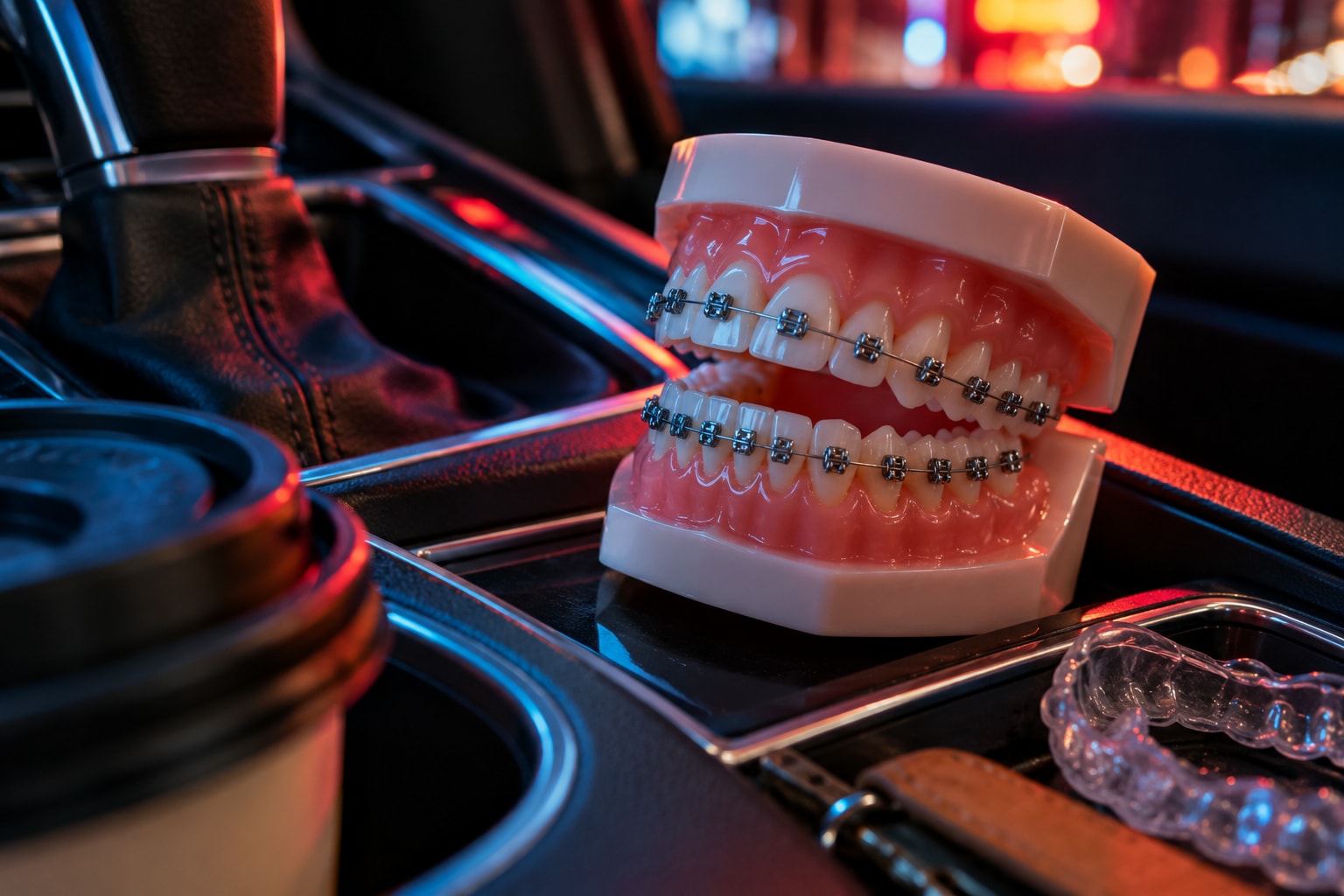
Braces and aligners control where each tooth finishes. Small vertical differences between the central incisors, lateral incisors, and canine tips shape the upper edge line. A bracket position or digital setup that levels those edges differently can change the curve.
Overbite correction is another possible factor because some plans reduce a deep bite by moving or tilting front teeth. Those changes can affect how much upper tooth shows and how the biting edges line up against the lower lip.
A 2019 prospective trial followed 32 people treated for a deep overbite. Both treatment groups showed less upper-incisor display and flatter arcs during overbite correction. Some arcs improved again by the end of treatment.
That study doesn't show that braces usually flatten smiles because it covered two methods in a small, specific group. It does show why your original bite and treatment mechanics matter more than a generic online claim.
Upper-incisor inclination can also change the projected curve, as tipped-forward teeth may present a flatter-looking edge line from the front. Tooth wear can straighten the line too, even when the tooth roots haven't moved.
Your lower lip completes the arc, and its shape and movement come partly from your anatomy and muscle pattern. Orthodontics can move teeth, but it can't reliably redesign how your lower lip curves during every smile.

What to ask your orthodontist to compare
Ask for a side-by-side review of your pretreatment and final records using similar head position, camera height, and smile effort. A useful review looks beyond one cropped selfie.
The orthodontist should check:
- the vertical positions of your upper incisors and canines;
- the forward or backward inclination of the upper incisors;
- upper-tooth display at rest, during speech, and during a posed smile;
- your overbite and overjet;
- the lower lip's shape and movement; and
- worn, chipped, or uneven biting edges.
You can say: “The upper tooth-edge curve looks flatter against my lower lip than before. Can we compare my original and final smile records and identify what changed?”
Then ask what any proposed correction would move and how it would affect your bite, treatment time, and retention plan.
If you're still in treatment, raise the concern before braces come off or before your last aligners. If treatment has ended, keep wearing your retainer as prescribed. The NHS explains that retainers hold teeth against moving back; changing or stopping one isn't a safe test.
Can the curve be changed after braces?
Sometimes, but the right option depends on the cause, and an orthodontist may recommend no change, a limited refinement, or broader retreatment. Worn or uneven edges may need input from a restorative dentist instead.
The 2025 bracket-placement trial offers some evidence that planned vertical positioning can protect the arc. Only 41 people aged 11 to 25 completed it, and its objective result didn't improve ratings from orthodontists or laypeople.
That is a useful limit because a technical correction can move the measurement without delivering the difference you expect.
A 2023 systematic review reached a similarly cautious point about orthodontics and smile attractiveness. Nine of its ten studies had a serious risk of bias, so the possible improvement after treatment remained uncertain.
Before more treatment, ask to see the expected movement on your own records and discuss the likely visual change and bite tradeoffs. A second orthodontic opinion makes sense when the proposed treatment is large and the concern is small.
Don't file your tooth edges, add unprescribed elastics, bend a retainer, or use mail-order aligners. These choices need a diagnosis and professional monitoring.
A practical decision rule
If the arc looks flat only in one selfie, repeat the photo under matched conditions and stop there if the difference disappears.
If it stays different across matched photos, compare the original orthodontic records because a consistent change is worth discussing.
If your bite works well and the difference is slight, more movement may offer little visible return. The goal isn't to chase one geometric feature. It is to make an informed choice about a smile you can use comfortably.
FAQ

Can braces make your smile arc flat?
Yes. Bracket placement, leveling, overbite correction, and incisor inclination can flatten the upper biting-edge curve. Natural anatomy and photo angle can produce the same appearance, so matched records are needed before assigning a cause.
Can a flat smile arc be fixed after braces?
It may be adjustable when tooth position caused it, but there is no single fix. An orthodontist must check your bite, tooth display, lip movement, and records because a more curved result isn't worthwhile in every case.
Will my retainer make the smile arc rounder?
A standard passive retainer holds the prescribed tooth positions rather than creating a new arc, so keep wearing it as directed. If you want a change, ask your orthodontist whether active treatment would be needed.
Is a flat smile arc unattractive?
There is no universal answer because smile ratings depend on the whole face, lips, tooth display, and the viewer. In the 2025 trial, orthodontists and laypeople didn't prefer the group with the more consonant measured arc.