Quick answer
If one tooth is not tracking with Invisalign, don't force the tray or move ahead on your own. Seat the current aligner as your provider showed you, check your wear time and attachment, then contact the practice if the gap persists. Clear aligner movement isn't perfectly predictable, and a small plan change or refinement can be routine.
What “not tracking” actually means
Tracking describes how closely your teeth follow the positions planned for each aligner. A tracking problem means one tooth hasn't reached the position that the current tray expects.
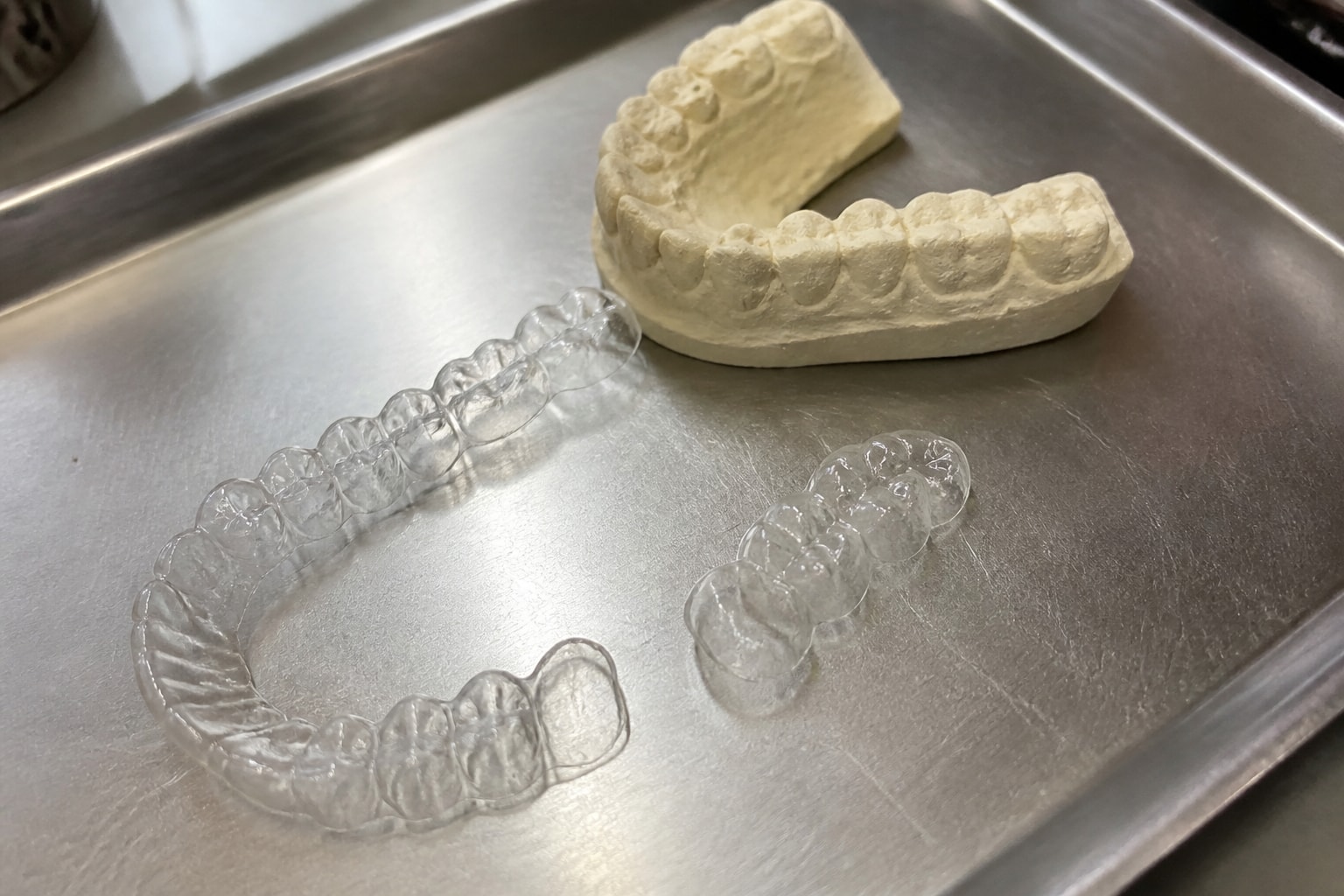
The usual visible clue is a gap between the tooth edge or chewing surface and the plastic. The tray may also lift or rock around the same tooth. If that gap remains or grows across tray changes, it deserves a clinical check.
A new aligner can feel tight at first. Fit alone can't tell you why a tooth appears behind. A warped tray, trapped debris, a lost attachment, or the wrong tray can create a similar picture.
Treat the photo as evidence, not a diagnosis.
Why a single tooth can fall behind
Clear aligners apply a planned sequence of small forces. Real teeth don't always reproduce the digital plan exactly.
A 2020 systematic review found low-to-moderate certainty for the efficiency of specific clear-aligner movements. Its authors concluded that many movements may not finish with one set of trays. This is why a lagging tooth doesn't automatically mean you failed treatment.
Several practical issues can also affect fit:
- The aligner hasn't been worn for the hours prescribed by your provider.
- The tray isn't fully seated around that tooth.
- An attachment has come off or no longer engages its matching pocket.
- The aligner is cracked, distorted, or from the wrong stage.
- The planned movement needs a clinical adjustment.
The American Association of Orthodontists says clear aligners need regular professional monitoring. Even a well-planned case can need a midcourse change for poor tracking or an unwanted bite change.
Check these five things first
This check gathers useful information. It doesn't replace an orthodontic review.
1. Confirm the tray number
Check that the upper and lower trays match the stage you should be wearing. Compare the printed number with your schedule. Don't skip forward to see whether a later tray fits.
2. Inspect the aligner
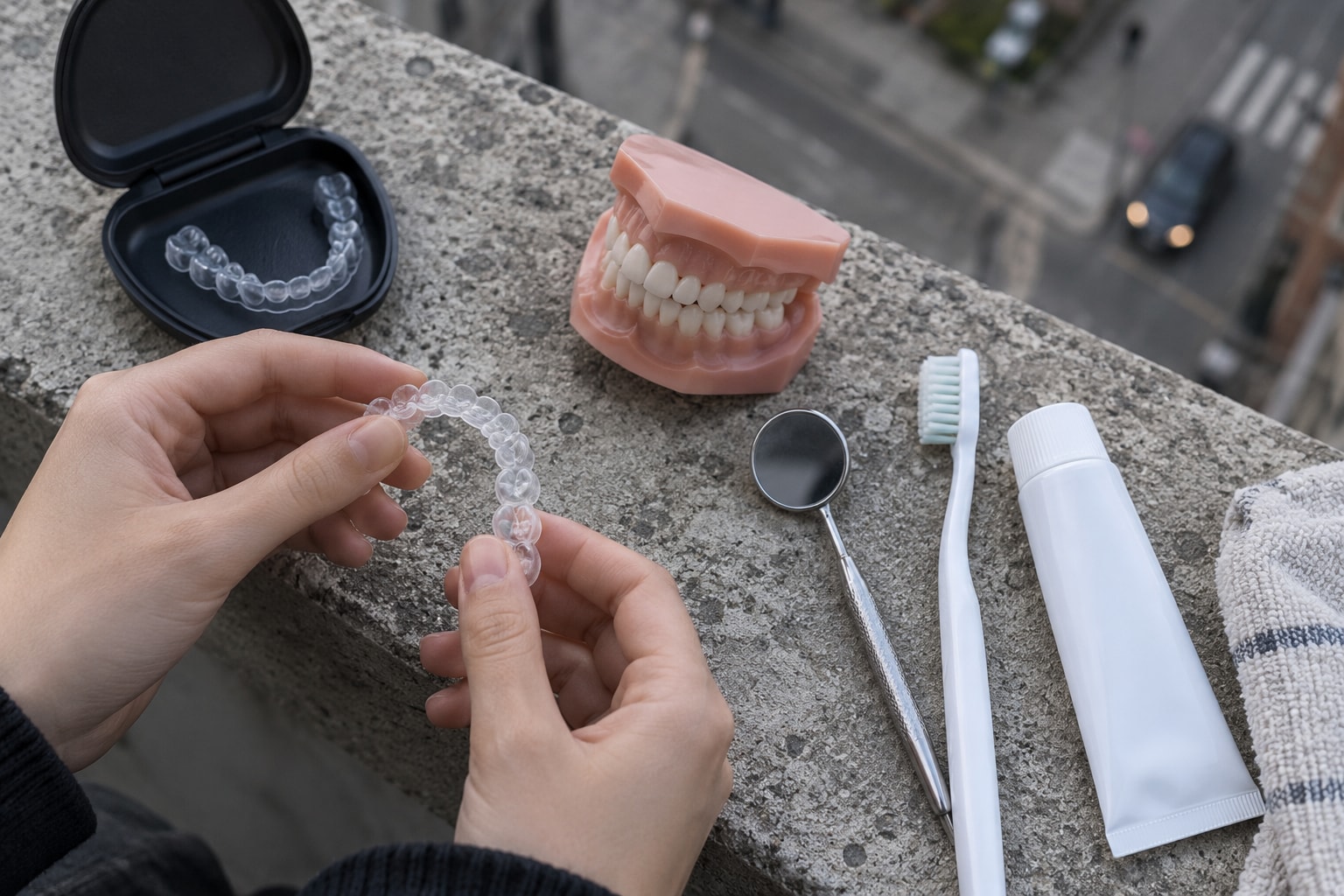
Rinse it with lukewarm water and look for a crack, bend, or distorted edge. Invisalign recommends lukewarm water for routine cleaning. Don't bend, cut, file, or heat the tray yourself.

3. Seat it evenly
Press the aligner into place with clean fingers, working from one side to the other. Use a seating aid only if your provider supplied or approved one. Invisalign says its Munchies devices help seat aligners. A seating aid can't explain a lagging tooth or replace a clinical review.
4. Look at the attachment
Check whether the tooth once had a small bonded attachment. If it looks missing or chipped, tell the practice. Don't try to replace or glue it yourself.
5. Record the pattern
Note the tray number, day of wear, usual daily wear time, and when you first saw the gap. Take one front photo and one close side view with the tray in place as directed. Don't force it for the photo. Use bright, even light and the same camera distance for follow-up images.
When to contact your provider
Contact the practice before the next scheduled change if the gap stays visible, gets larger, or affects several trays. Call sooner if an attachment falls off, the aligner won't seat, or the tray becomes damaged.
Sharp pain, swelling, trauma, or a sudden bite change also needs prompt advice. Mild pressure with a new tray can be normal. Severe or worsening symptoms aren't a tracking test.
Don't wait for a routine appointment if your next tray clearly won't fit. Each tray assumes earlier planned movements have happened. Your clinician needs to decide whether you should stay in the current tray, return to another one, or change the plan.
What the orthodontic provider may change
The provider can check tray fit, attachment engagement, tooth position, gum health, and your bite. The next step depends on what they find.
They may ask you to wear the current aligner longer. They may replace an attachment, change the planned movement, or take a new scan for refinement trays. Those are clinical choices, so advice from another patient's case isn't a safe substitute.
Midcourse corrections occur in clinical treatment. A 2022 retrospective study of 314 Invisalign patients found that about 26% needed a midcourse correction. The other 74% completed the first series without one.
That number isn't your personal risk. The study came from one clinical sample, and more complex plans were more likely to need correction. It does show why a refinement isn't proof that clear aligner treatment has failed.
Avoid the tempting DIY fixes
Don't force a tray over a tooth, bite hard on random objects, or stack two aligners. Don't cut the plastic around the gap or boil the tray. These moves can alter where force lands without showing what caused the poor fit.
Don't change your schedule based only on an app or selfie. A prospective study of AI-based remote monitoring found inconsistent advance-or-wait instructions across repeated scans. Smartphone photos can help your provider, but they shouldn't overrule the treatment plan.
Mail-order adjustments are a worse trade. Moving teeth changes your bite as well as the visible smile. The AAO recommends ongoing supervision so poor tracking and bite changes are caught early.
Make your progress photos useful
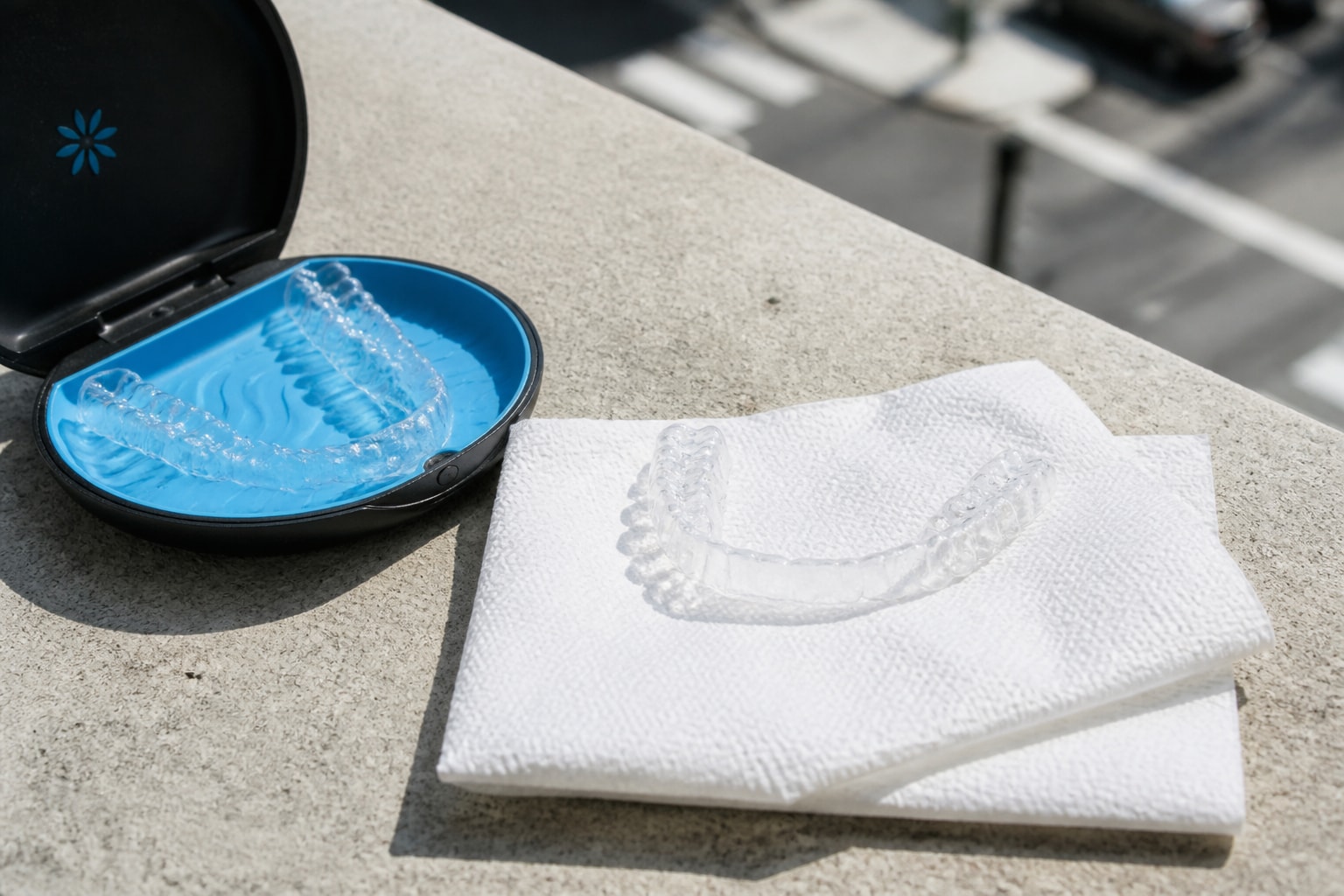
Take photos after brushing, with the aligner clean and fully seated. Keep the lens, light, head angle, and zoom consistent. A close photo should show the tooth edge, nearby attachment, and plastic gap without digital smoothing.
Save the original file privately. Send it only through the channel your clinic recommends.
FAQ
Can one tooth catch up with Invisalign?
Sometimes. Better seating or more wear time may help when your provider identifies a minor fit issue. Other cases need an attachment change, a revised plan, or refinement trays.
Should I move to the next tray if one tooth isn't tracking?
Ask your provider before advancing when a visible gap persists or worsens. The calendar alone can't show whether that tooth completed its planned movement.
Do aligner chewies fix a tracking problem?
A provider-approved seating aid can help press an aligner fully into place. It can't make an unsuitable tray stage correct, replace a missing attachment, or guarantee tooth movement.
Does a refinement mean Invisalign failed?
No. Clear-aligner predictions have limits, and midcourse changes occur in clinical practice. A refinement updates the plan from your teeth's actual position.