Quick answer
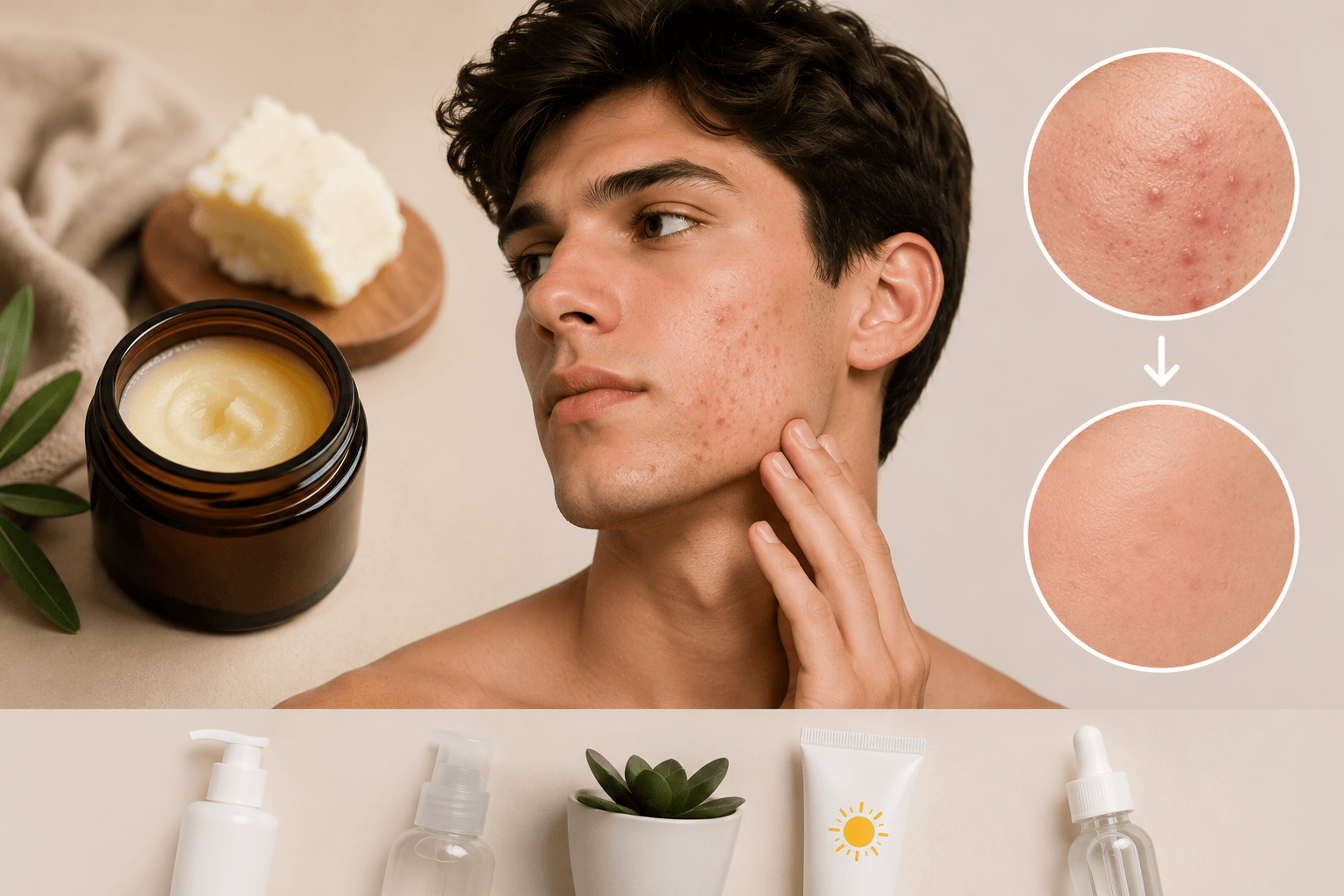
The AI face is the smooth, symmetrical, high-contrast, edited version of a person that appears in AI portraits, face filters, avatar apps, and generated glow-up images. It can be fun, but it can also distort expectations. A generated face is not a realistic skincare plan, a medical assessment, or a fair comparison to a normal front-camera photo.
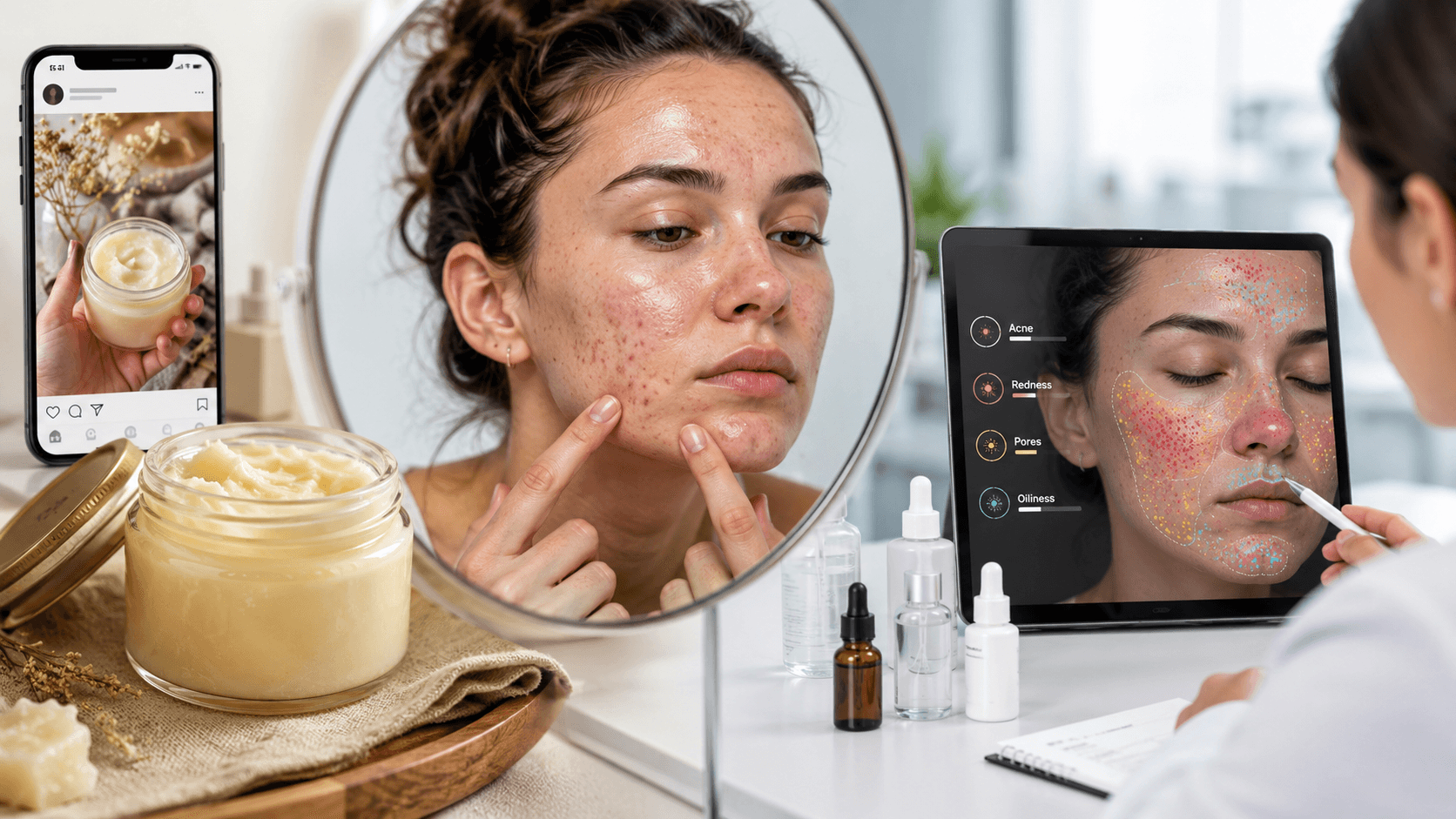
The useful path is to treat AI as a measurement and planning tool, not as a fantasy mirror. LooksMax Scan focuses on visible skin signals such as acne, pores, redness, oiliness, and dark circles. Those signals are more actionable than trying to become a generated avatar.
Why this is trending
People want to look like AI versions of themselves because AI images remove uncertainty. They smooth texture, improve lighting, sharpen the jaw, brighten the eyes, even out skin, change hair, and optimize the face for a specific visual style. The result can feel like a preview of a better self.
Social media makes the effect stronger. When everyone sees edited portraits, filters, and synthetic profile pictures, normal texture starts to look unfinished. Pores, asymmetry, redness, under-eye shadows, and facial movement can feel like flaws, even though they are normal parts of being human.
AI also gives users a sense of control. If a generated image shows a clearer, sharper, brighter version of you, it is tempting to ask how to become that image. The problem is that the image may be partly impossible. It may combine flattering lighting, fictional skin, altered proportions, and a beauty standard that changes from model to model.
What the evidence says
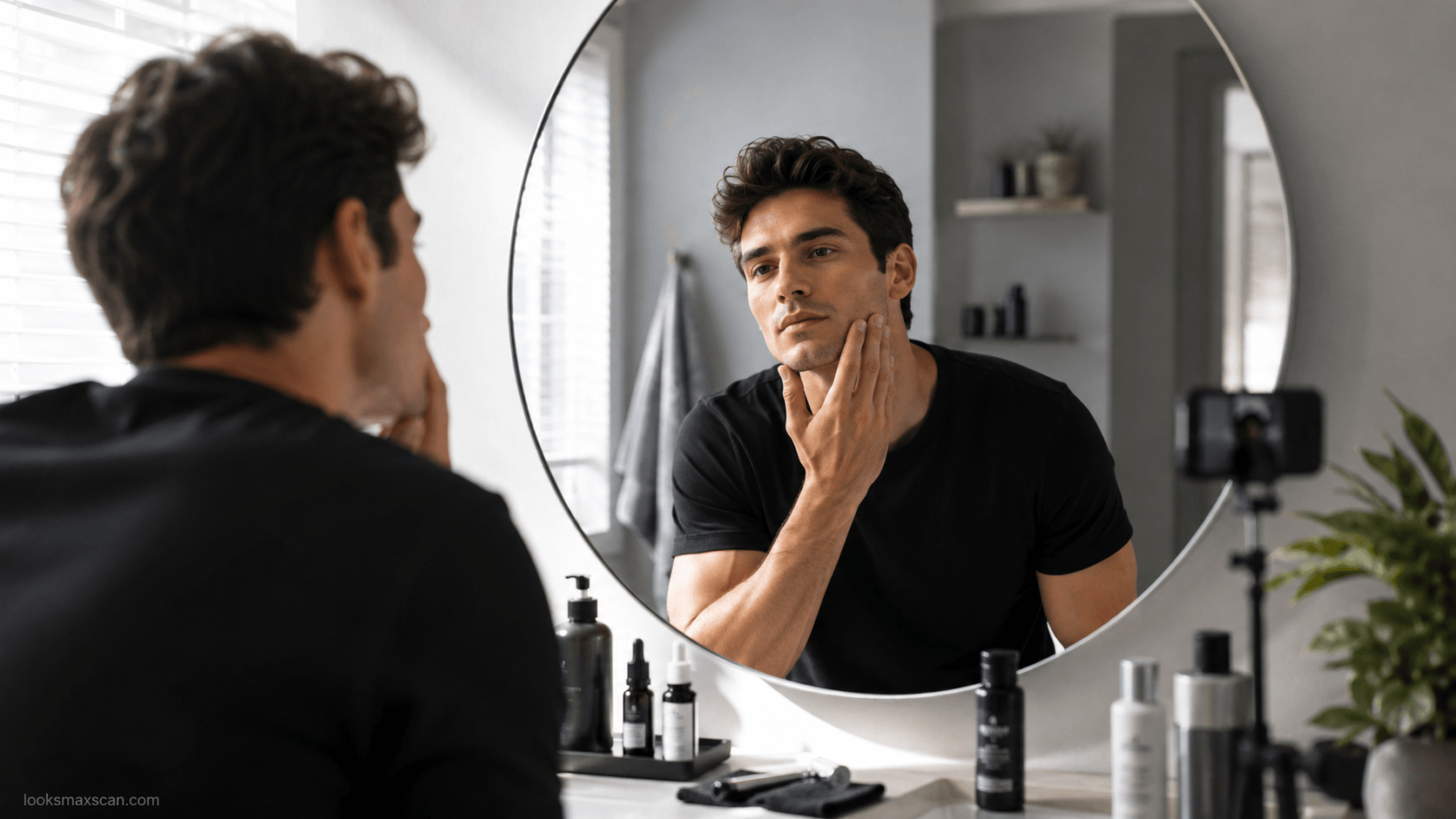
Computer vision can be useful when it measures specific patterns. Face-landmark systems can map facial regions. Skin-analysis models can estimate visible signals. A tool can show where shine is strongest, where redness appears, or whether under-eye darkness changes in comparable photos.
Generative AI is different. It creates an image that looks plausible, not a guarantee that the result is natural, safe, or achievable. A generated glow-up may erase pores, alter bone proportions, change skin color, remove natural folds, or create a face that only works from one angle. It is a visual suggestion, not evidence.
For appearance content, the ethical line matters. A helpful tool should not tell users that normal skin is unacceptable. It should help them identify what is realistic to improve and what should be accepted as ordinary variation.
What LooksMax Scan can help you check
LooksMax Scan is not trying to make you look like a synthetic person. It is built to answer practical questions from a real photo.
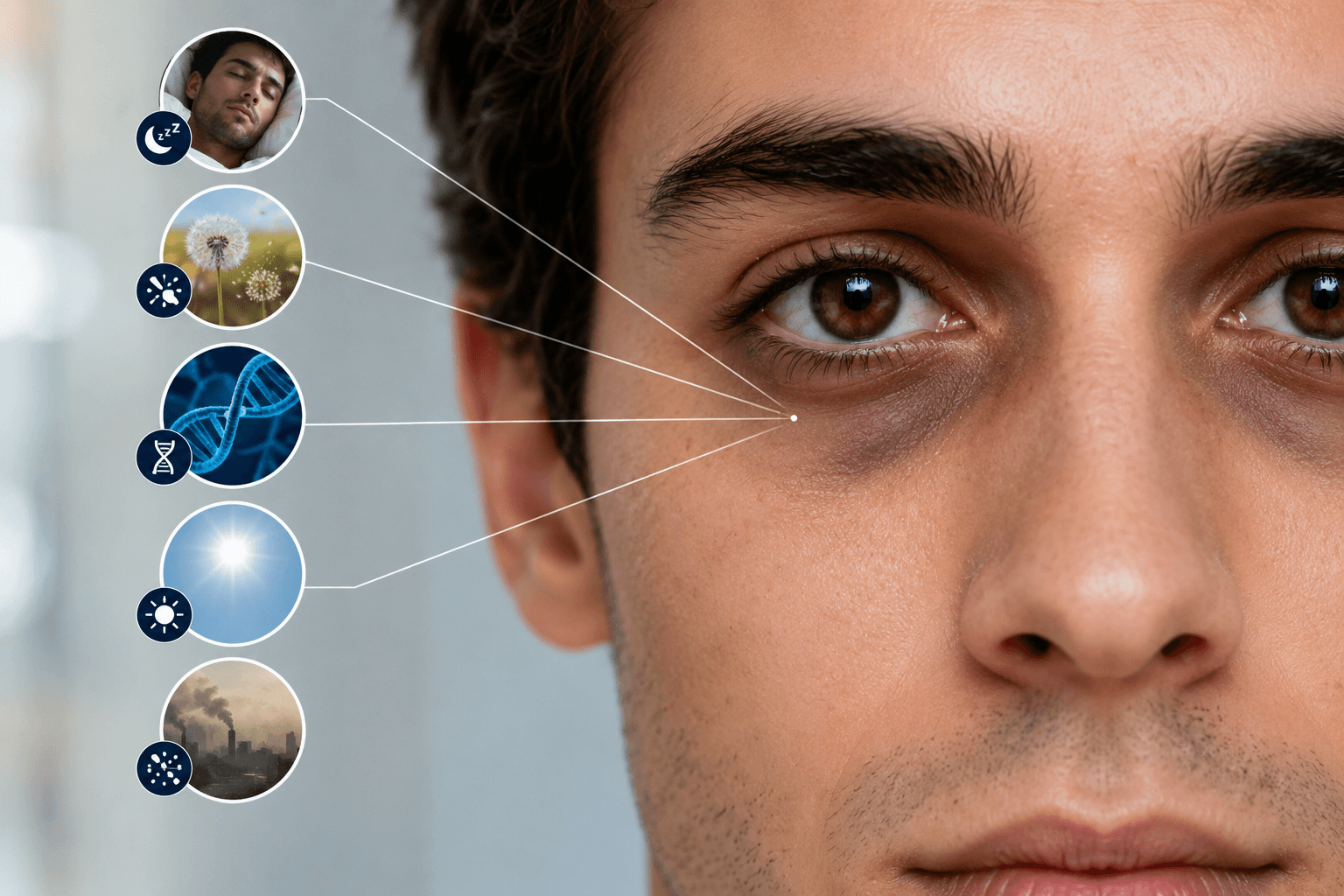
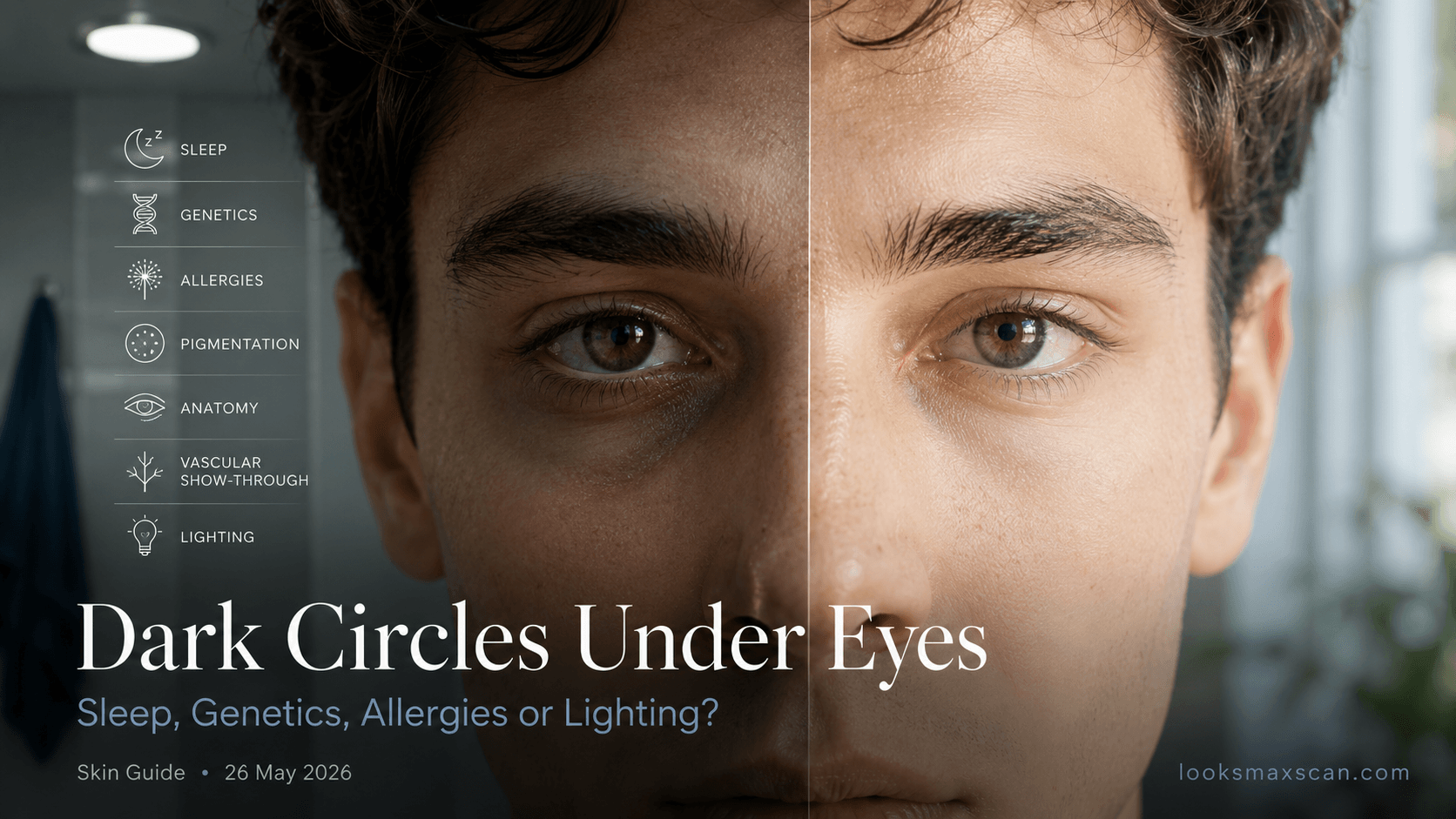
Is acne the main visible issue, or is redness more noticeable? Is shine concentrated in the T-zone? Are pores most visible around the nose and cheeks? Are dark circles partly caused by lighting? Did a new routine reduce irritation or just change the photo conditions?
Those questions are useful because they connect to real actions. You can adjust cleansing, reduce irritation, improve sunscreen consistency, stop over-scrubbing, avoid pore-clogging products, or take better progress photos. You can also notice when a concern is persistent enough to ask for professional help.
The tool's face mapping helps keep analysis zone-specific. A full-face score would hide the difference between chin breakouts, cheek redness, nose shine, and under-eye darkness. Zone-level feedback is more useful for real routines.
What it cannot diagnose
LooksMax Scan cannot diagnose skin disease, predict surgical outcomes, or tell you how to become an AI avatar. It cannot promise glass skin, perfect symmetry, a new jawline, or a filter-like face. It also cannot control every photo variable. Lighting, camera quality, lens distance, expression, makeup, facial hair, and filters can affect results.
It should not be used to chase impossible standards. If AI images make you feel worse about normal skin texture, take a break from generated glow-up content. A tool should help you make decisions, not make your face feel unacceptable.
Practical next steps
Use AI images as inspiration only if they lead to realistic habits. Clearer skin in an AI portrait might translate to a gentler routine, sunscreen, acne care, better sleep, or professional advice. It should not translate to panic about normal pores.
Take one unfiltered baseline photo in even light. Run a scan. Pick one metric to improve. If oiliness is the top signal, do not start five acne actives at once. If redness is the top signal, do not scrub harder. If dark circles are the top signal, compare lighting and sleep before buying random products.
Remember that attractiveness is not a single filter setting. A healthier face project includes skin comfort, sleep, grooming, posture, confidence, and how you feel in ordinary life. The AI face is a picture. Your real face is the one you live with.
Run a private AI skin scan on LooksMax Scan.