Quick answer
AI face symmetry analysis can estimate how closely the left and right sides of a face align in a photo. It can compare landmarks around the eyes, brows, nose, mouth, jaw outline, and face contour. That can be useful for visual feedback, but it is not a medical diagnosis, not a full attractiveness score, and not a perfect measurement of your real face.
Symmetry also matters less than the internet often claims. Almost every human face is asymmetrical. Camera angle, lens distance, expression, hair, facial hair, lighting, posture, and image quality can make asymmetry look stronger or weaker. A helpful face scan should show measurable signals while avoiding shame.
Why this is trending
Face symmetry is one of the most searched beauty and looksmaxxing topics because it sounds objective. Unlike vague advice such as "look better," symmetry feels measurable. People want to know whether their eyes are level, whether their jaw is uneven, whether one cheek is wider, or whether a selfie looks distorted.
AI makes this curiosity stronger. A model can place landmarks on a face, draw lines, and output numbers instantly. The danger is that a clean-looking interface can make an imperfect measurement feel like scientific truth.
The trend also comes from side-by-side mirror edits. Social media posts duplicate one side of a face to create perfectly symmetrical versions. Those images are interesting, but they are not necessarily more attractive or more natural. They often look strange because real faces have expression, movement, and asymmetry.
What the evidence says
Facial symmetry has been studied in attractiveness research, but it is only one factor among many. Skin quality, averageness, sexual dimorphism, facial expression, grooming, age cues, health cues, and cultural preference can all shape perception. A symmetrical face with irritated skin, harsh lighting, and a tense expression may look less appealing than a slightly asymmetric face with clear skin and relaxed presence.
Computer vision can estimate landmarks. MediaPipe's Face Landmarker, for example, outputs a face mesh with hundreds of landmarks from images and videos. Those landmarks can support symmetry-style measurements, but they are still based on the input photo. If your head is turned three degrees, the model may measure perspective more than true structure.
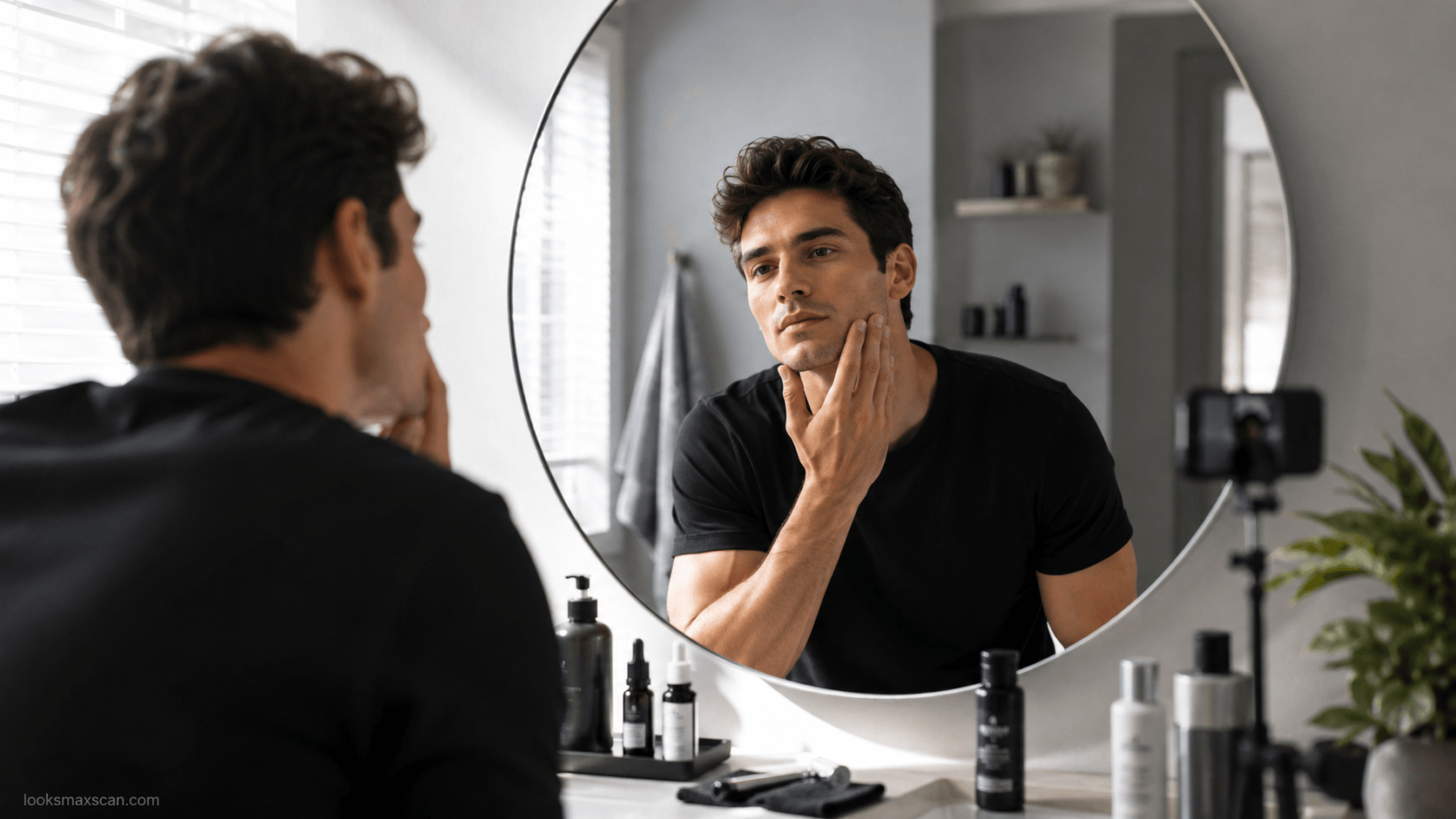
This is why symmetry analysis should be framed as photo-based guidance. It can be useful for checking whether a selfie angle is distorting your face, but it should not become a verdict about your face.
What LooksMax Scan can help you check
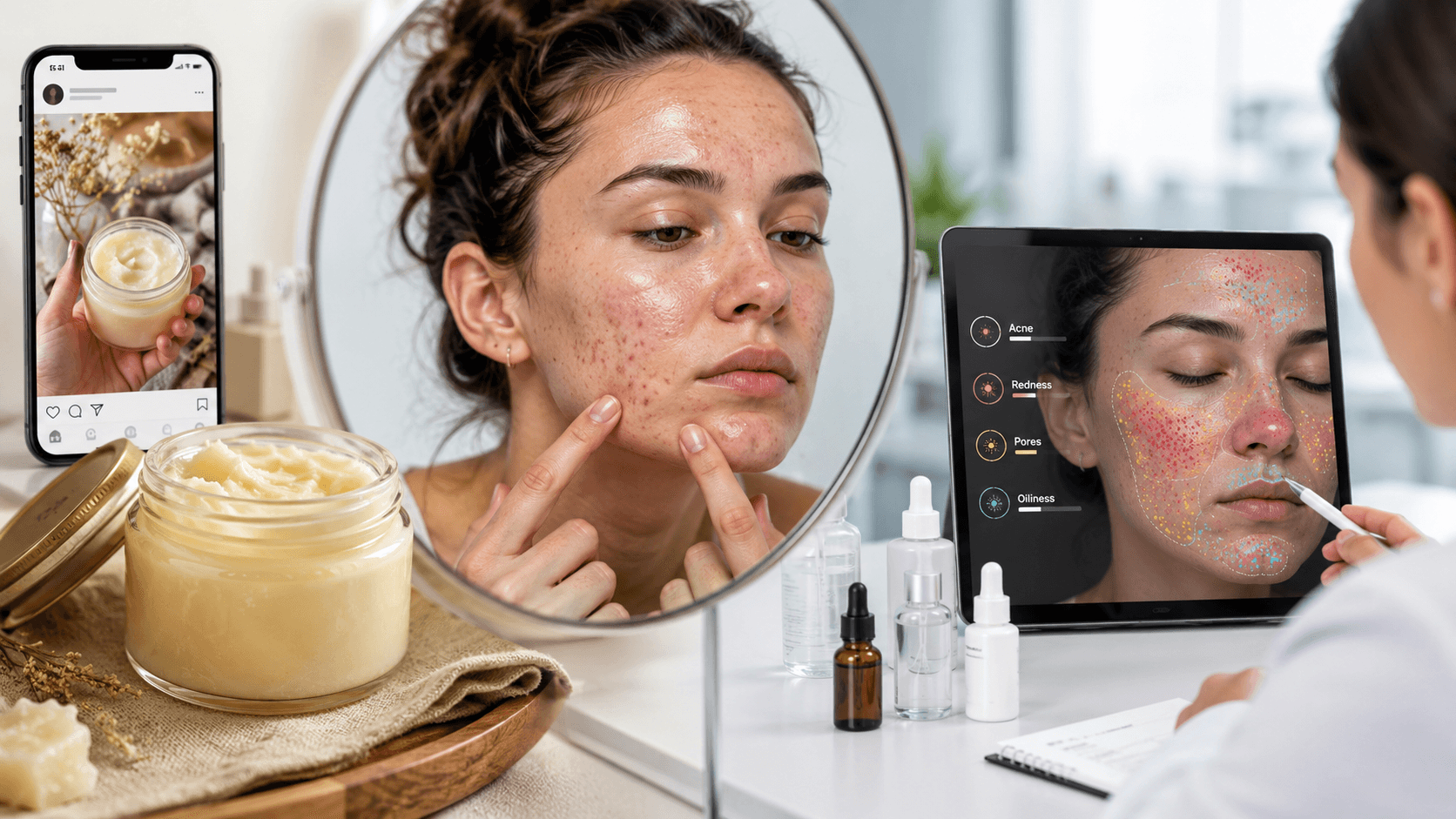
LooksMax Scan's current live module focuses on skin: acne, pores, redness, oiliness, and dark circles. Symmetry and jawline metrics are on the roadmap, but the present tool already uses face mapping to make skin analysis zone-specific.
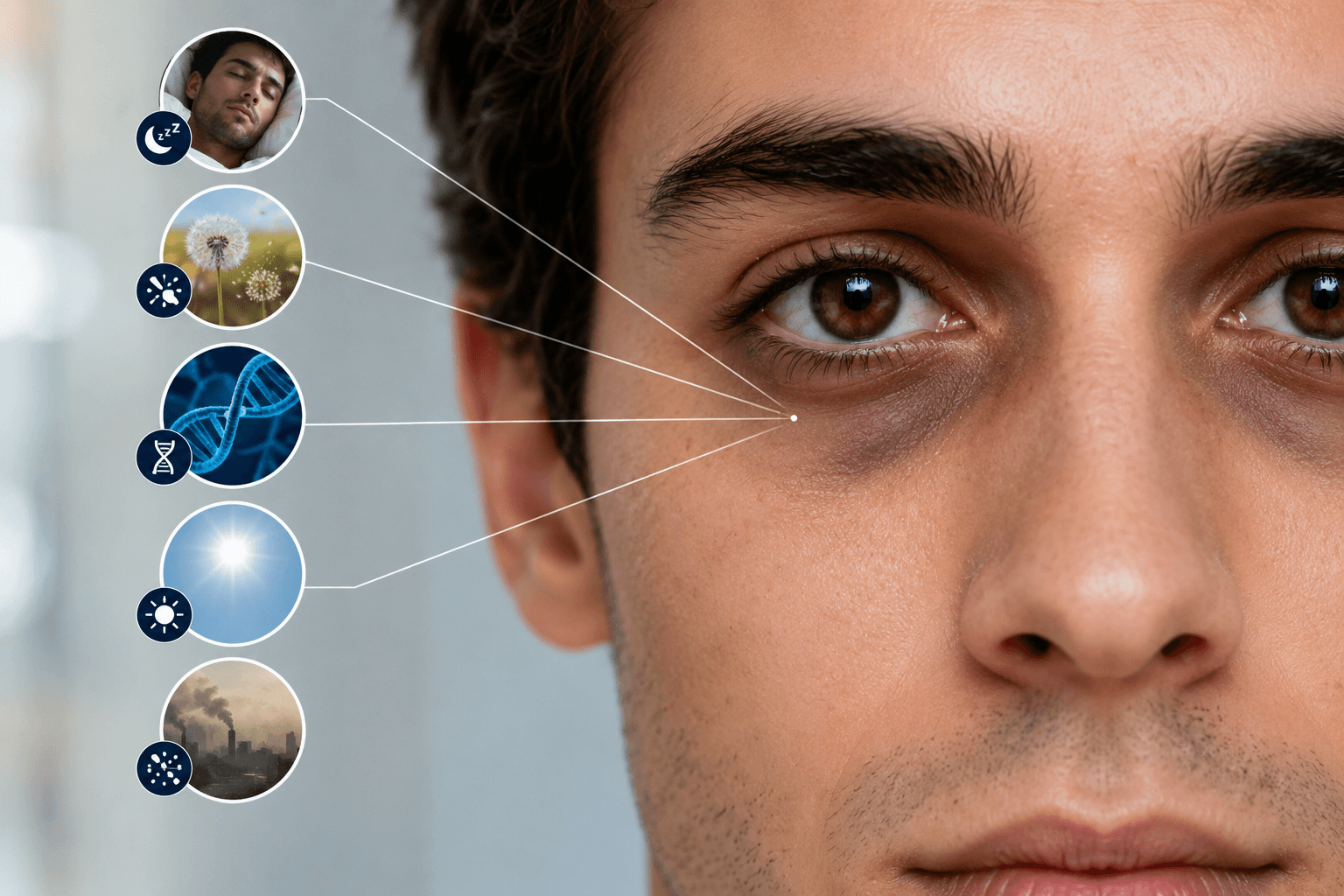
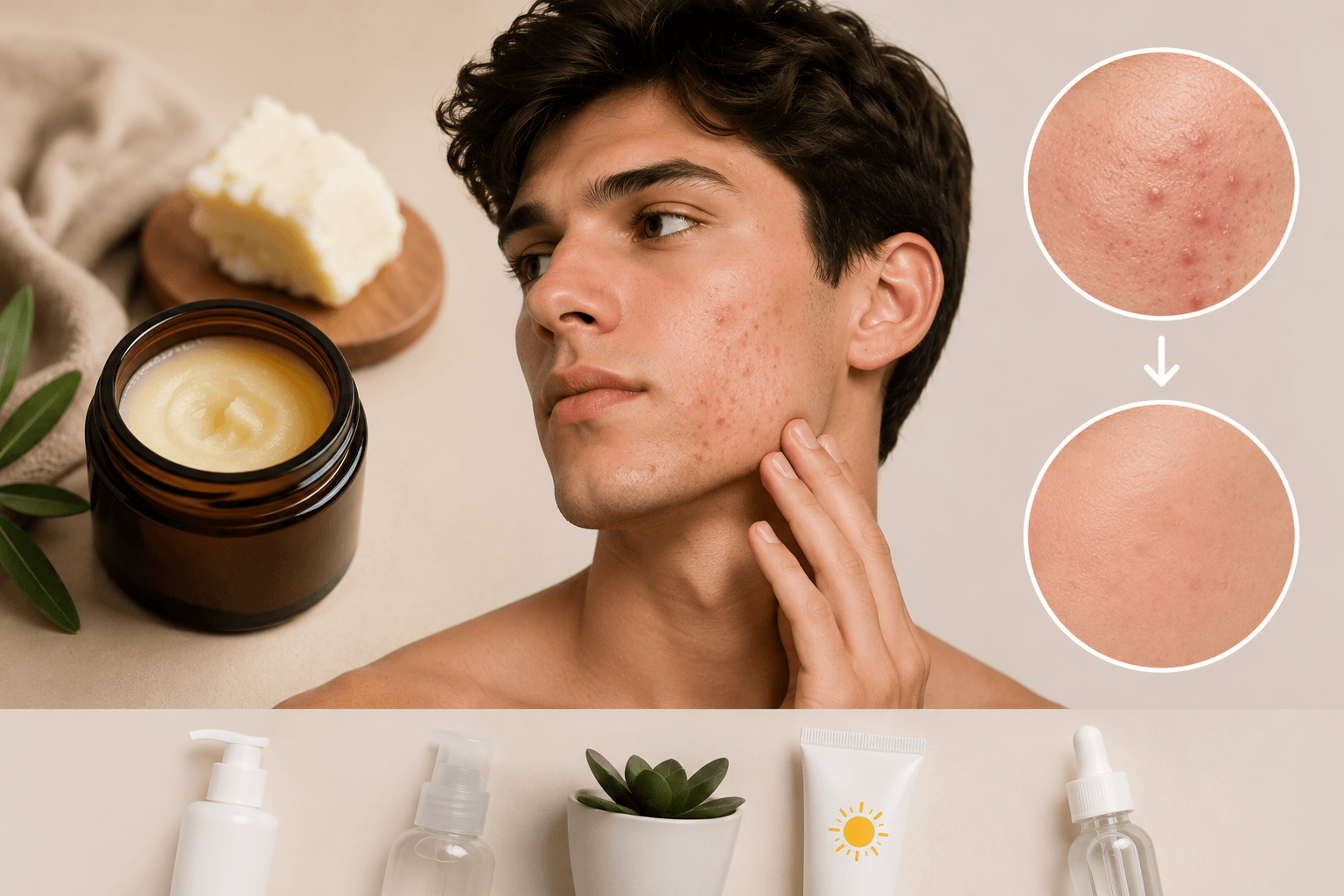
That matters for symmetry content because many people blame structure when the issue is actually presentation or skin. Under-eye darkness can make one eye area look heavier. Cheek redness can make the face look uneven. Acne concentrated on one side can pull attention and create the impression of imbalance. Shine on the nose or forehead can change how the center of the face is perceived.
Before obsessing over bone symmetry, run a skin scan and ask: are visible skin signals affecting the way my face reads in photos? If one side has more redness, irritation, breakouts, or shadow, that may be more actionable than structural asymmetry.
What it cannot diagnose
LooksMax Scan cannot diagnose facial asymmetry causes, jaw disorders, dental alignment, neurological conditions, eye disorders, swelling, injury, or any medical condition. If asymmetry is sudden, painful, associated with weakness, vision changes, drooping, injury, swelling, or neurological symptoms, seek urgent medical care.
A future symmetry score would also not tell you your worth or attractiveness. It would be a measurement of landmarks in a photo. It would not know your expression, personality, confidence, movement, styling, or how people perceive you in real life.
Practical next steps
If you want to evaluate symmetry fairly, start with better photos. Use a front-facing camera position at eye level. Keep the lens centered. Stand far enough back to reduce distortion. Use even lighting. Keep expression neutral but relaxed. Pull hair away from the face if it hides one side. Take several images instead of judging one frame.
Then separate structure from surface signals. Is one cheek redder? Is acne clustered on one side? Are dark circles stronger under one eye because of lighting? Is your head tilted? Are you sleeping on one side, holding a phone against one cheek, shaving unevenly, or styling hair in a way that changes the outline?
Improve the variables you can control before worrying about perfect symmetry. Skin clarity, grooming, posture, sleep, and lighting often change facial perception more than tiny landmark differences.
The healthiest symmetry mindset is simple: measure if useful, do not worship the number, and remember that natural asymmetry is normal.
Run a private AI skin scan on LooksMax Scan.