Quick answer
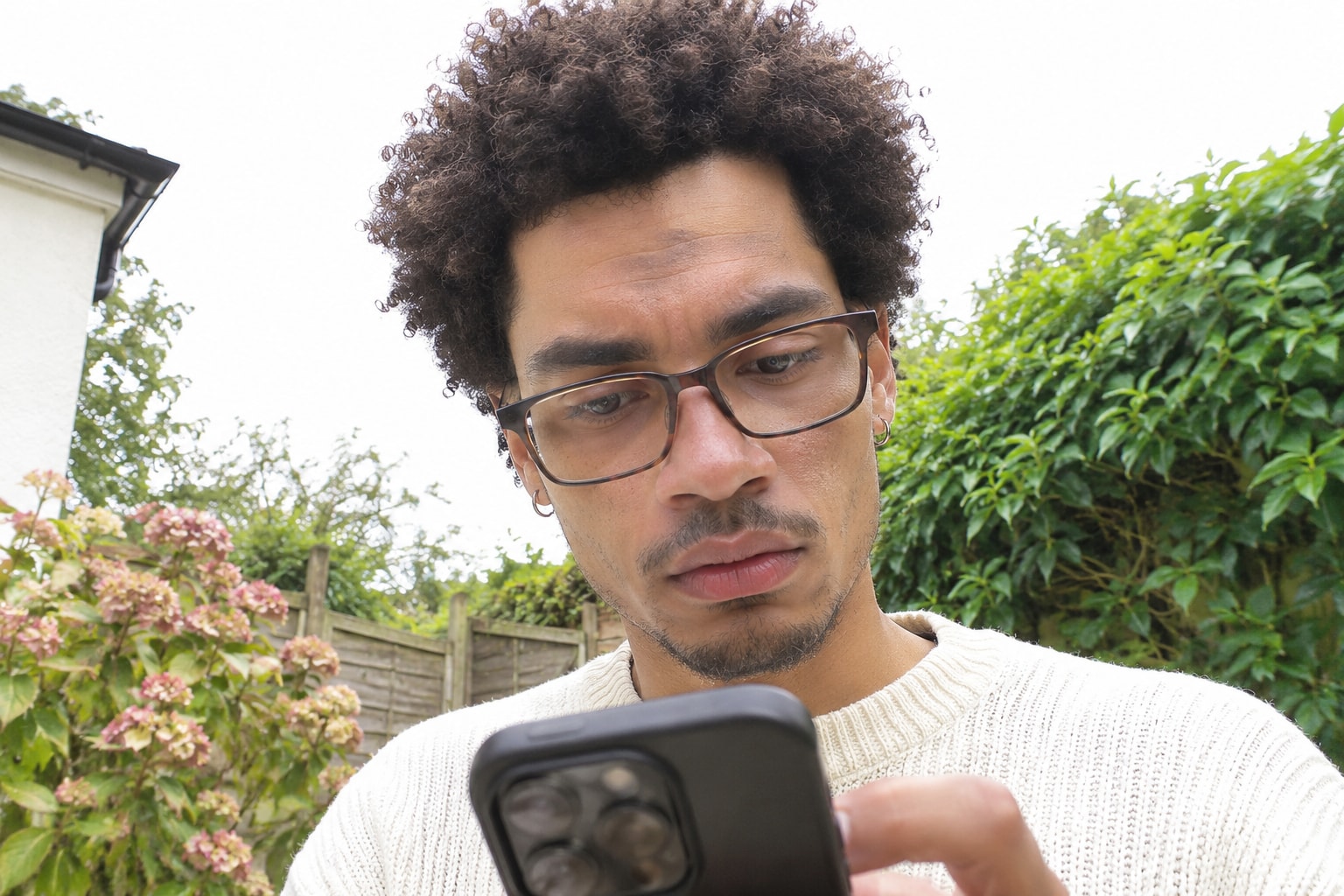
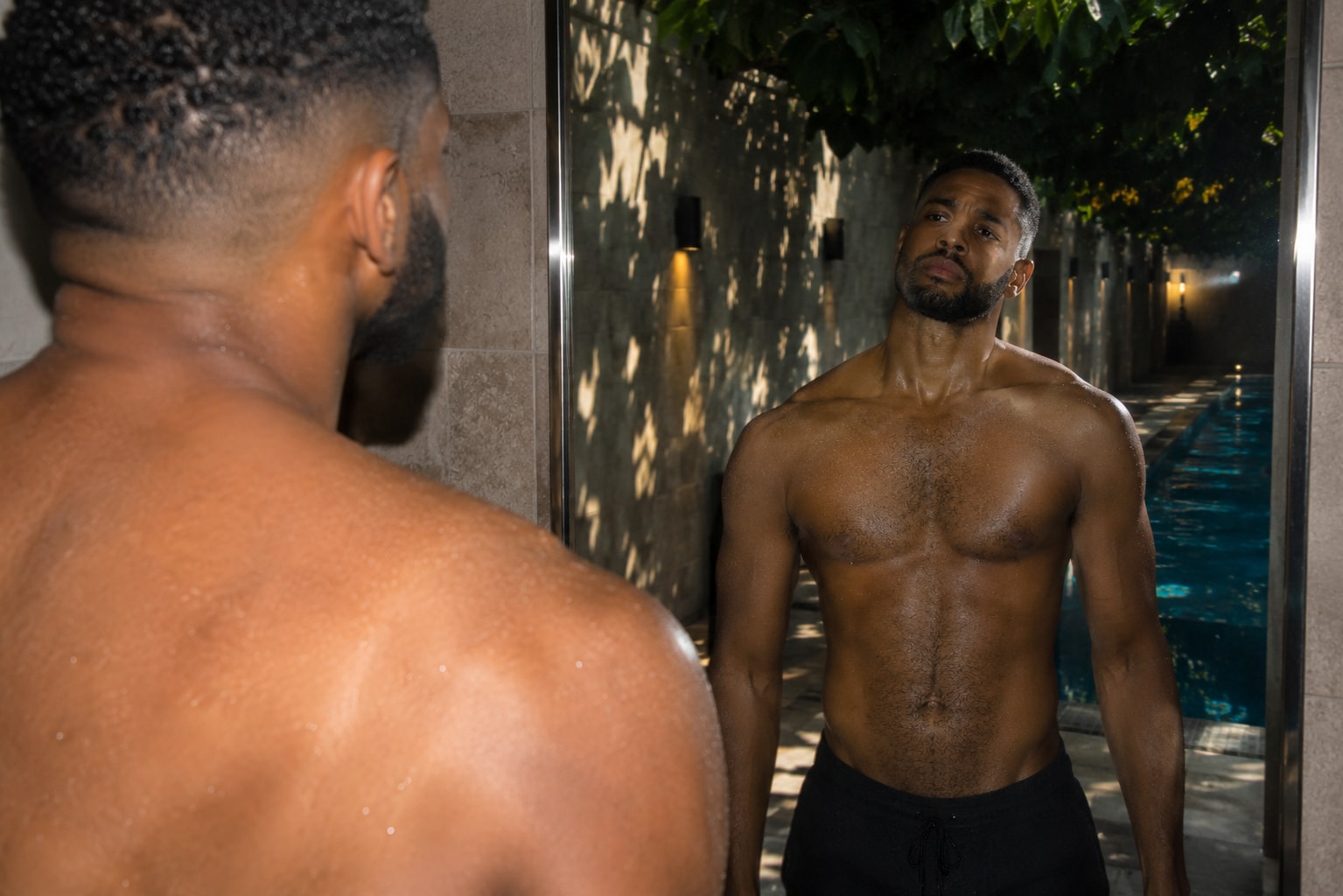
When one shoulder looks higher in photos, the image may be misleading. A tilted phone, raised camera arm, turned torso, or uneven stance can shift the shoulder line. Repeat the picture with a level, hands-free setup before treating the difference as part of your body.
If the same side stays higher in several controlled views, the asymmetry may be physical. It still doesn't identify the cause. Persistent differences, especially with pain, weakness, uneven ribs, or a prominent shoulder blade, deserve a qualified assessment.
Why one shoulder looks higher in photos
A casual photo mixes your posture with the camera's position. If the phone rolls a few degrees, every horizontal feature slopes with it. A selfie adds another variable because the arm holding the phone lifts or moves one shoulder forward.
Your stance can do the same thing. Bending one knee, shifting weight to one hip, turning slightly, or holding a bag changes the visible shoulder line. The Scoliosis Research Society describes positional curves that appear with an uneven stance and disappear when the stance changes.
Research photographs use tighter controls. A review of photographic posture analysis found that landmark choice helps reduce measurement error. A 2024 scoliosis study used standardized back photos and trained observers to measure visible shoulder and waist asymmetry.
That controlled method isn't comparable to judging a cropped mirror selfie.
Run a repeatable photo check
Test the image before testing theories about your body:
- Place the rear camera on a stable support at mid-chest height. Turn on the grid or level tool.
- Stand far enough away to include your head, shoulders, waist, and hips without using a wide-angle close-up.
- Use a flat floor. Keep your feet even, knees straight, weight balanced, and arms hanging loosely.
- Remove bags, jackets, and one-shoulder straps. Move long hair away from the shoulders for the back view.
- Take one front and one back image. Walk around, reset your stance, then repeat both views.
- Compare the shoulder tops, shoulder blades, waist gaps, and whether your head stays centered over your pelvis.
Don't chase tiny pixel differences. Clothing seams, hair, shadows, and a slightly rolled camera can move the apparent shoulder line.
Use a simple result rule. If the higher side changes or disappears, pose or setup is the leading explanation. If the same side stays higher in all four images, you have repeatable visible asymmetry, not a diagnosis.
What a consistent difference can mean
Several different conditions can produce a similar outline. A photo can't tell you what to stretch, strengthen, or treat.
A positional difference
The Scoliosis Research Society distinguishes positional curves from fixed structural curves. A bent knee or tilted pelvis can create a temporary curve that resolves when the stance changes.
This doesn't mean poor posture caused scoliosis. The NHS says idiopathic scoliosis isn't thought to result from posture, exercise, or diet. In most idiopathic cases, the exact cause remains unknown.
Shoulder-blade position or movement
The American Academy of Orthopaedic Surgeons explains that weakness, tightness, injury, or nerve problems can alter a shoulder blade's position. The difference may show at rest or become clearer while you move your arms.
Relevant clues include pain, weakness, limited overhead movement, fatigue, or a shoulder blade that visibly protrudes. Those signs need an examination because a photograph can't separate muscle control, joint injury, and nerve problems.
Scoliosis
Uneven shoulders appear on both NHS and Scoliosis Research Society lists of possible scoliosis signs. Other signs include a tilted trunk, uneven hips or waist, one prominent shoulder blade, or ribs projecting more on one side.
One sign doesn't establish scoliosis.
A clinician checks your back while you stand, bend, walk, and change position. The Scoliosis Research Society says clinicians may use a scoliometer, then standing X-rays when the examination suggests a spinal curve.
An injury or physical change
New asymmetry after a fall or shoulder injury is different from a long-standing, painless shape. The AAOS lists muscle, nerve, bone, and shoulder-joint injuries among possible causes of altered shoulder-blade position.
Don't assume a one-sided workout will correct it. The wrong exercise may ignore the real cause or aggravate an injury.

What to do next
If your shoulders become level after resetting the photo, change the setup rather than trying to change your body. Keep the camera level, use a timer, relax both arms, and distribute your weight evenly.
Book a routine appointment with a GP or physiotherapist if the difference remains after controlled retakes. A professional can compare your resting position with your movement and test shoulder strength.
Arrange an assessment sooner if:
- A child or teenager develops a persistent difference during a growth period.
- One shoulder stays higher alongside uneven ribs, hips, or waist.
- The change appeared after an injury.
- You have pain, weakness, restricted movement, or obvious shoulder-blade winging.
- The difference is becoming more noticeable over time.
Don't force the higher shoulder down or copy corrective exercises from social media. Treatment depends on the cause. AAOS guidance supports targeted physical therapy for some shoulder-blade disorders, but the program follows an examination.
Judge appearance with a fair setup
Your target is a repeatable image, not perfect symmetry. Use the same camera height, distance, stance, clothing, and light when comparing photographs.
Don't keep retaking pictures until you find the harshest frame. One controlled front-and-back set gives you more useful information than a folder of casual selfies.
An AI tool can mark a visible shoulder line, but it can't test movement, muscles, nerves, or the spine. It also can't know whether the floor or camera was level. Treat the image as a reason to retake consistently or seek an examination, not as a rating of your body.
FAQ
Does one uneven shoulder mean I have scoliosis?
No. Uneven shoulder height is one possible sign of scoliosis, but stance and shoulder-blade problems can create a similar appearance. Diagnosis requires a physical examination and sometimes a standing X-ray.
Can poor posture make one shoulder look higher?
Your position can make the shoulders look uneven at that moment. Shifting onto one leg or tilting the pelvis may change the line. Poor posture isn't considered a cause of idiopathic scoliosis.
Can gym exercises fix uneven shoulders?
Only when the exercise matches the cause. Targeted rehabilitation may help a movement-related shoulder-blade problem, but it won't correct every spinal, joint, or nerve condition. Get assessed before training one side differently.
Which photo gives the fairest comparison?
Use a level rear camera on a stable support, with your whole upper body centered in the frame. Stand naturally with equal weight on both feet and arms relaxed. Take both front and back views, then repeat after resetting your stance.