Quick answer
Why is one eyelid more hooded than the other? Usually, the two sides differ slightly in crease height, brow position, skin fold, or lid height. A stable difference visible in old photos is often normal anatomy, while a new or worsening droop needs an eye exam. Get urgent help if it starts suddenly or comes with double vision, unequal pupils, eye pain, weakness, or sight changes.
Hooding and ptosis are not the same
Hooding describes skin and soft tissue folding over the upper eyelid crease. Ptosis means the upper eyelid edge sits lower, though excess skin and ptosis can occur together.
Your eyebrow matters too because a lower brow can push more skin toward the eyelid. In contrast, someone with a low lid may lift that eyebrow without noticing, partly hiding the original difference.
Look straight ahead with your forehead relaxed, then compare the brow, the crease, and the upper lid edge. A crease hidden by skin points toward hooding, while a lid edge closer to the pupil may be ptosis. A lower brow can mimic either one.
This check cannot tell you the cause because swelling changes these lines, while a raised brow can mask a low lid.
Why one eyelid can look more hooded
Normal left-to-right variation
Perfectly matched eyelids are not the human default. A 2024 study used standardized 3D photographs of 301 German volunteers without eye conditions that affect eyelid position. The average absolute difference in upper crease height was 0.65 mm in women and 0.90 mm in men.
Those figures do not set a medical cutoff because the sample included only White European adults. A group average cannot diagnose your eye. The useful point is simpler: measurable differences exist in healthy people.
Age-related skin changes
The NHS notes that eyelids can droop or become more hooded with age. Skin and supporting tissue do not always change at the same rate on both sides. A slow shift across several years is different from a lid that drops this morning.
Brow position and compensation
People with a lower lid may raise the brow to keep the eye more open. This can create a higher brow and deeper forehead lines on one side.
That is why brow height alone cannot identify the cause. Eye clinicians assess the lid edge, pupils, eye movements, brow position, and sight together.
Temporary swelling or irritation
Allergy, blepharitis, conjunctivitis, a stye, or another source of swelling can make one fold look heavier. Itch, stickiness, flaking, redness, or tenderness makes a temporary eyelid problem more likely.
Do not treat recurring swelling as a face-shape issue; ask a pharmacist, optometrist, or doctor if it persists, hurts, or keeps returning.
True eyelid ptosis
MedlinePlus lists loose skin, muscle weakness, nerve problems, age, injury, and disease among causes of a drooping lid. Moorfields Eye Hospital also lists long-term contact lens wear, prior eye surgery, cysts, and swelling.
A selfie cannot separate those causes, but an eye exam can check the lid margin, vision, pupils, and eye movements.
A fair three-photo check
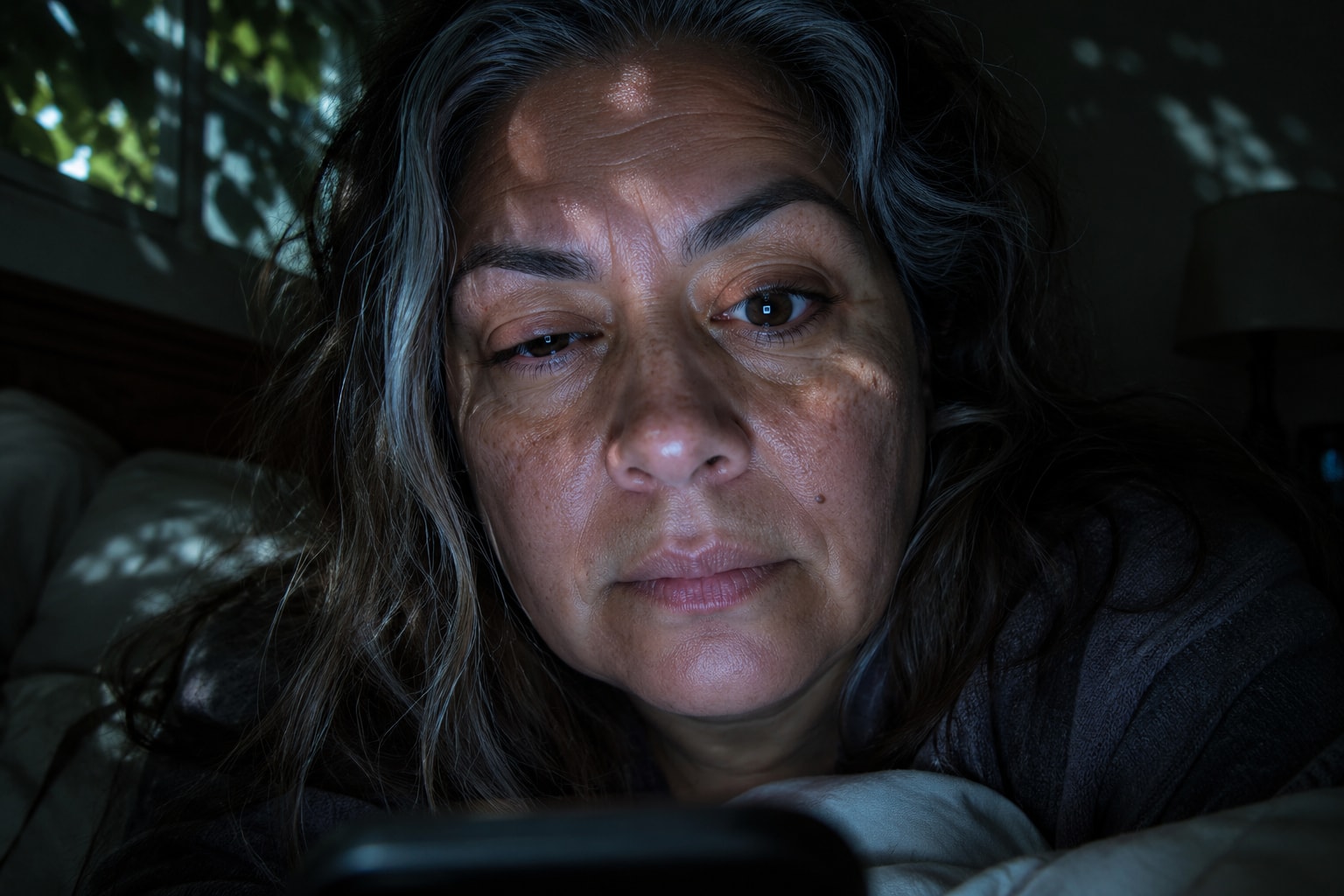
Do not judge the difference from one close selfie because head position, expression, and brow tension can move the lines you compare.
Use this simple tracking setup:
- Keep the camera, distance, and light the same, then look straight ahead.
- Relax your forehead, remove eye makeup, and switch off beauty filters.
- Take one photo on three different days at the same time.
- Compare the lid edge, crease, and brow separately.
Researchers use standardized head position and straight-ahead gaze for a reason. Without a repeatable setup, you cannot tell whether the eyelid changed or the photo did.
Old photographs can also show whether the difference is longstanding. MedlinePlus specifically notes that clinicians may compare current drooping with older photos.
A private face scan can help you log the visible pattern under matched conditions. It cannot test eyelid muscles, pupil responses, eye movement, or your visual field. Treat the scan as a record, not a diagnosis.
What can safely improve the appearance
If the difference is stable and symptom-free, you do not need identical eyes; start with reversible changes.
- Shape each eyebrow conservatively because removing too much from one side can make the gap look larger.
- Apply liner and shadow with both eyes open, mapping each eye instead of copying the same line.
- Stop a new eye product if hooding began with itching, redness, or swelling.
- Keep progress photos private, and avoid checking them repeatedly during the day.
Do not order prescription eyelid drops online or assume tape, massage, or exercises address the cause. None of those tells you whether the difference comes from skin, brow position, swelling, muscle, or nerve function.
If the difference bothers you, book an optometrist or ophthalmologist before considering a cosmetic procedure. The useful first step is identifying the structure involved because any treatment depends on that finding.
When to get an eye check
Sudden eyelid drooping is not a grooming problem, and the NHS advises urgent assessment. NSW Health lists sudden ptosis, unequal pupils, double vision, eye misalignment, or other neurological signs as emergency criteria.
Get urgent medical help if the change is sudden or comes with:
- unequal pupil sizes
- double vision or trouble moving an eye
- new facial or limb weakness
- eye pain, a sight change, or a severe headache
- a hot, red, painful, or tender swollen eyelid
Book a routine eye exam if the difference is gradual but keeps progressing. Do the same if it blocks upper vision, causes eye strain, follows an injury, or changes through the day. Children with a drooping lid also need an eye specialist because a covered pupil can affect visual development.
A stable difference seen in old photos, with no symptoms or vision change, is less urgent, though only an examination can confirm it.
FAQ
Is it normal for one eyelid to be more hooded?
A mild and stable difference can be normal. The 2024 3D study found measurable left-to-right differences in healthy volunteers, especially in upper crease height. Normal variation does not explain a sudden or progressive change.
Can swelling make one eyelid look more hooded?
Allergy, irritation, blepharitis, conjunctivitis, or a stye can add temporary swelling to one lid. Seek care when swelling is painful, hot, bright red, persistent, or linked to sight changes.
Is a hooded eyelid the same as ptosis?
Hooding usually refers to skin covering the crease, while ptosis refers to a low upper lid edge. The two can occur together, and brow position can make either look stronger.
Can an AI face scan diagnose eyelid ptosis?
A scan can record visible asymmetry in a photo, but it cannot examine muscles, nerves, pupils, or visual fields. Use consistent images for tracking, then take a new or changing droop to an eye professional.