Quick answer
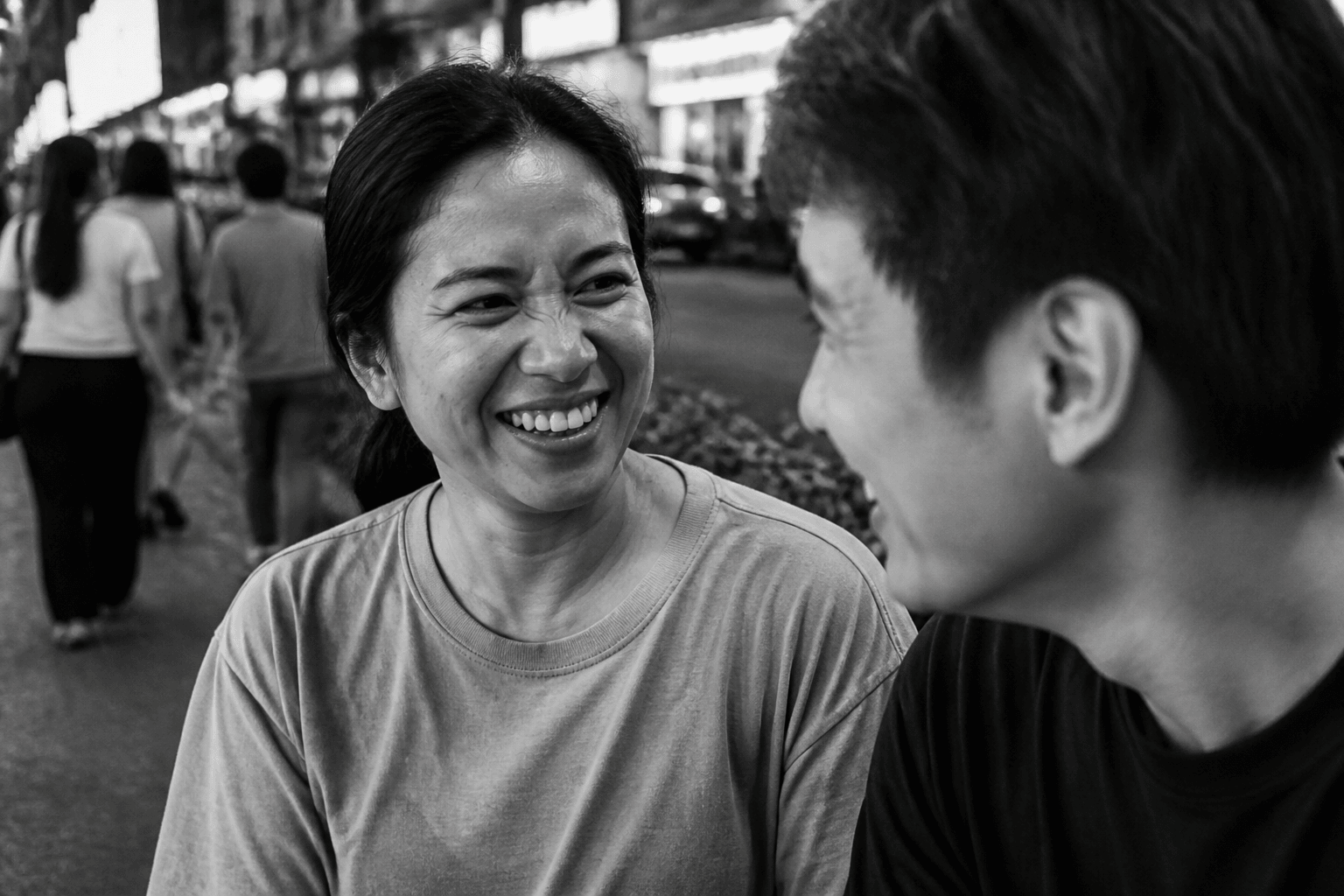
Why does my nose look wider when I smile? Smiling pulls on the soft sides of your nose, so the nostrils often spread and flare. This is common facial movement, not a sign that your nose is growing or being damaged.
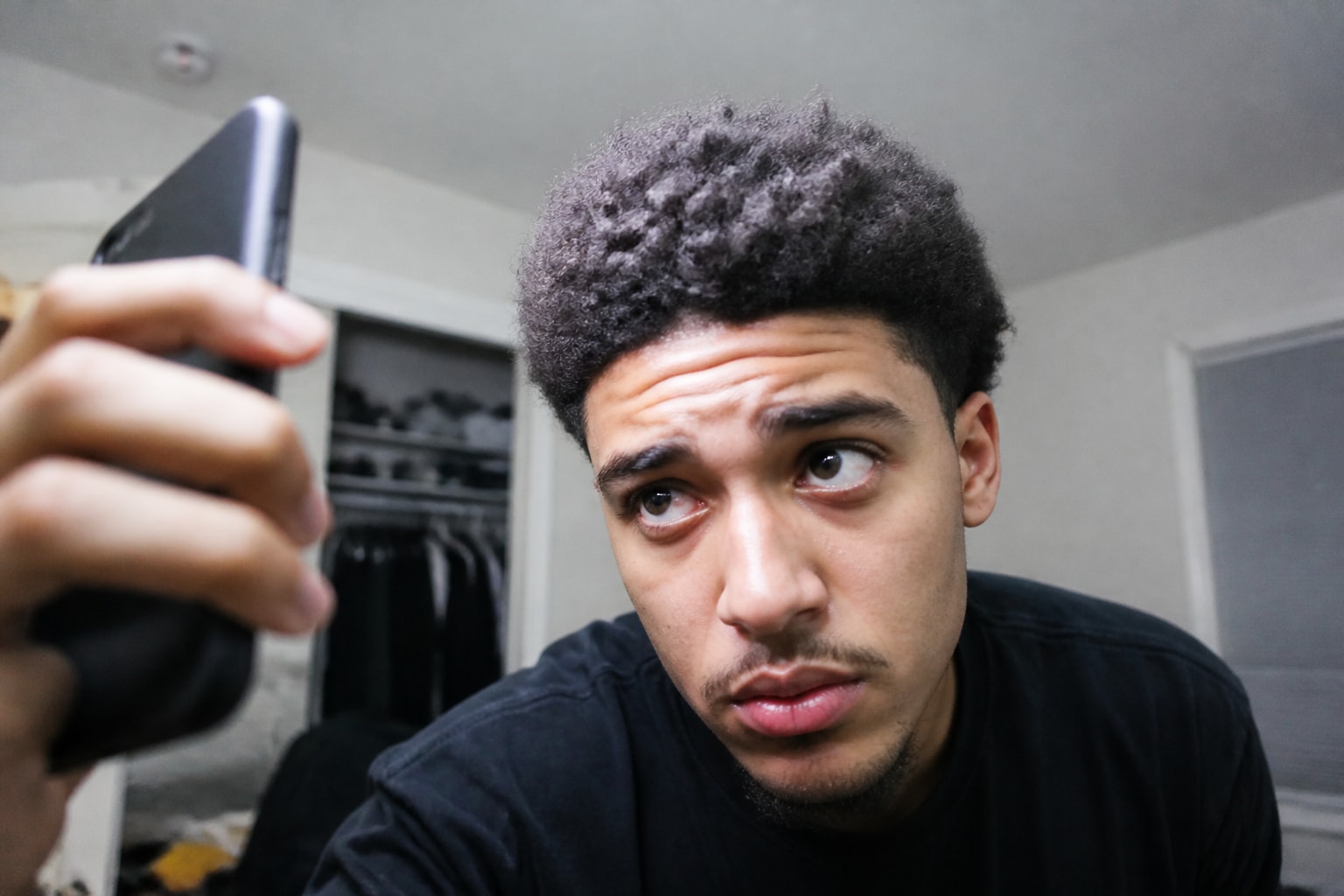
A close phone photo can make the change look bigger, so check from farther back while your face moves.
Your nose moves with your smile
The width comes mainly from the alae, the soft outer walls around your nostrils. Several small muscles link the nose, upper lip, and cheek, and a broad smile can pull the alar base outward. The tip can also move downward, which changes the nose's balance from the front and side.
The effect is measurable: Beiraghi-Toosi and colleagues photographed 50 adults at rest and during a maximum smile. The alar base widened in 46 people, while alar flare increased in 48. That group was 90% women and came from one centre, so the percentages won't fit every population. Still, the group usually had a wider-looking nose during a smile, without one clear "overactive" muscle behind it.
People classed as having more depressor septi activity did not show greater alar widening. Several muscles act together, and their pull differs between faces.
Why the change looks stronger on some faces
Your resting shape sets the starting point, so the same pull looks different on wider and narrower alar bases. Cartilage support, skin and tissue thickness, muscle pull, and cheek motion all shape the final look. These are normal differences, not flaws that demand correction.
The nose can also seem wider when its tip moves. Your eye reads the tip, nostrils, cheeks, and upper lip as one changing shape. Small shifts across several areas may look larger than any one measurement.
One side may move more than the other, and a frozen frame makes this brief difference easier to spot. It does not prove that one side of your nose has grown.
Close selfies can exaggerate the width
Ward and colleagues made a mathematical model of close-range portrait distortion. At about 30 centimetres, nasal breadth appeared 29% to 30% larger than at 1.5 metres. The model used average face data rather than people smiling for a camera. Even so, it explains why an arm's-length selfie is a poor ruler for nose width.
Smile photos create a timing problem because a camera can freeze maximum pull while people usually see your face moving. Two effects can stack: a close camera enlarges the centre, while a maximum smile spreads the alae. The image does not tell you that your resting nose has changed.
A fair one-minute check
Use one short test before judging the change:
- Set the phone about 1.5 metres away and use its main camera.
- Keep the lens at eye level with soft, even daylight.
- Record ten seconds as you move from rest into a natural smile.
- Watch once at normal speed, then compare one resting frame with one smiling frame.
- Skip beauty filters, portrait reshaping, and close front-camera shots.
- Keep the clip private; you do not need to post it.
This setup shows the movement without the worst close-camera effect. If widening appears only at peak smile, you are seeing a change in motion rather than a new resting width.
Do not measure casual photos with a ruler because the 50-person study standardised head position and scale to limit error. Run this check once, not every day.
What you can change at home
No home method has been shown to narrow the alar base for good during a smile. Nose exercises work the muscles that move the nostrils, but no clinical evidence shows they reshape adult cartilage or bone.
You do not need to train yourself out of smiling.
A practical, low-risk change is your photo setup: step back and choose a frame from natural motion, not a forced maximum smile. This gives you a fairer record without trying to suppress a normal expression.
What professional options can and cannot do
If the movement bothers you in person, a clinician must first identify what is moving. Resting alar width, nostril flare, tip drop, and upper-lip pull are different things that one still selfie cannot sort out.
Good assessment uses several angles; Brito and colleagues' framework checks front, side, and base views before rhinoplasty. Add a resting and smiling video to show the motion that static photos miss.
A 2024 systematic review included 23 papers; some reported improvement in dilated nostrils or a drooping tip. The authors asked for larger studies, so results are less certain than social posts imply. Botulinum toxin cannot narrow nasal bone or cartilage.
Nasal botulinum toxin targets expression muscles, so do not buy it online or follow a DIY injection map. Bad placement may change nearby movement or leave asymmetry, so only a licensed clinician with nasal anatomy experience should assess it.
Narrowing the nasal structure requires surgery, and rhinoplasty can alter nostril width and support. It carries real risks and cannot promise a motionless nose. The American Society of Plastic Surgeons lists breathing problems, infection, altered feeling, scarring, and possible revision among those risks.
If you consider surgery, a qualified surgeon should review both breathing and appearance. Most people with a stable smile-related change need no treatment; changing it is a preference, not a health requirement.
FAQ
Does smiling make your nose permanently wider?
Normal smiling creates a short-lived soft-tissue change, and your nose returns toward its resting position when the muscles relax. No good evidence shows that ordinary smiling makes an adult nose wider for good.
Why do my nostrils flare when I smile?
Several muscles that move the upper lip and nose can also pull the alar base outward. The amount varies between faces; in the 50-person study, 48 participants had more flare during a maximum smile.
Can nose exercises stop widening when smiling?
No clinical evidence shows that nose exercises can narrow an adult nose for good. They may change how you pose for a moment, but they do not reshape bone or cartilage.
Can Botox make my nose look narrower when I smile?
It may reduce dynamic flare in selected cases, but the evidence is limited and the change is temporary. A licensed clinician must assess your movement and explain possible effects on nearby muscles.