Quick answer
How to fix a patchy beard depends on why it looks patchy. Genes and age set much of your natural growth pattern, while length and grooming change how much skin shows. Shaving and beard oil cannot create new follicles. Topical minoxidil has some early evidence, but facial use is off-label and can irritate your skin.
A new, round, smooth, or fast-growing gap is different from lifelong uneven growth. Ask a dermatologist to check that pattern rather than treating it as a cosmetic problem.
Why is my beard patchy?
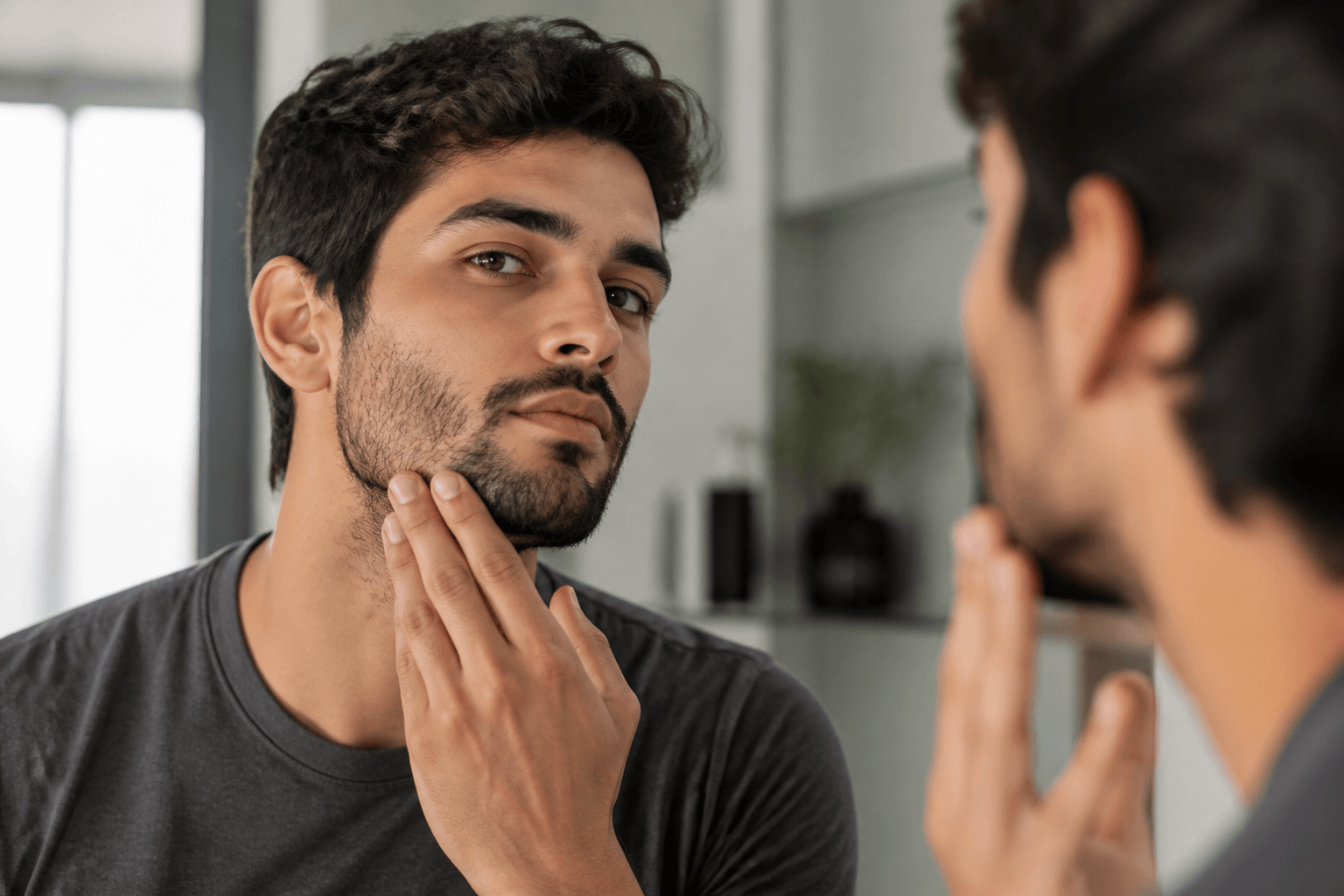
Most stable patchiness starts with your follicle pattern. Genes affect how thick facial hair becomes, where it grows, and when it reaches its mature pattern. Cleveland Clinic dermatologist John Anthony says beard thickness and coarseness often keep developing from ages 18 to 30.
This means an uneven beard at 19 may fill in further with age. It does not mean everyone will grow a full beard by 30. Your final coverage can still include lighter cheeks, gaps beside the mouth, or a stronger chin and moustache.
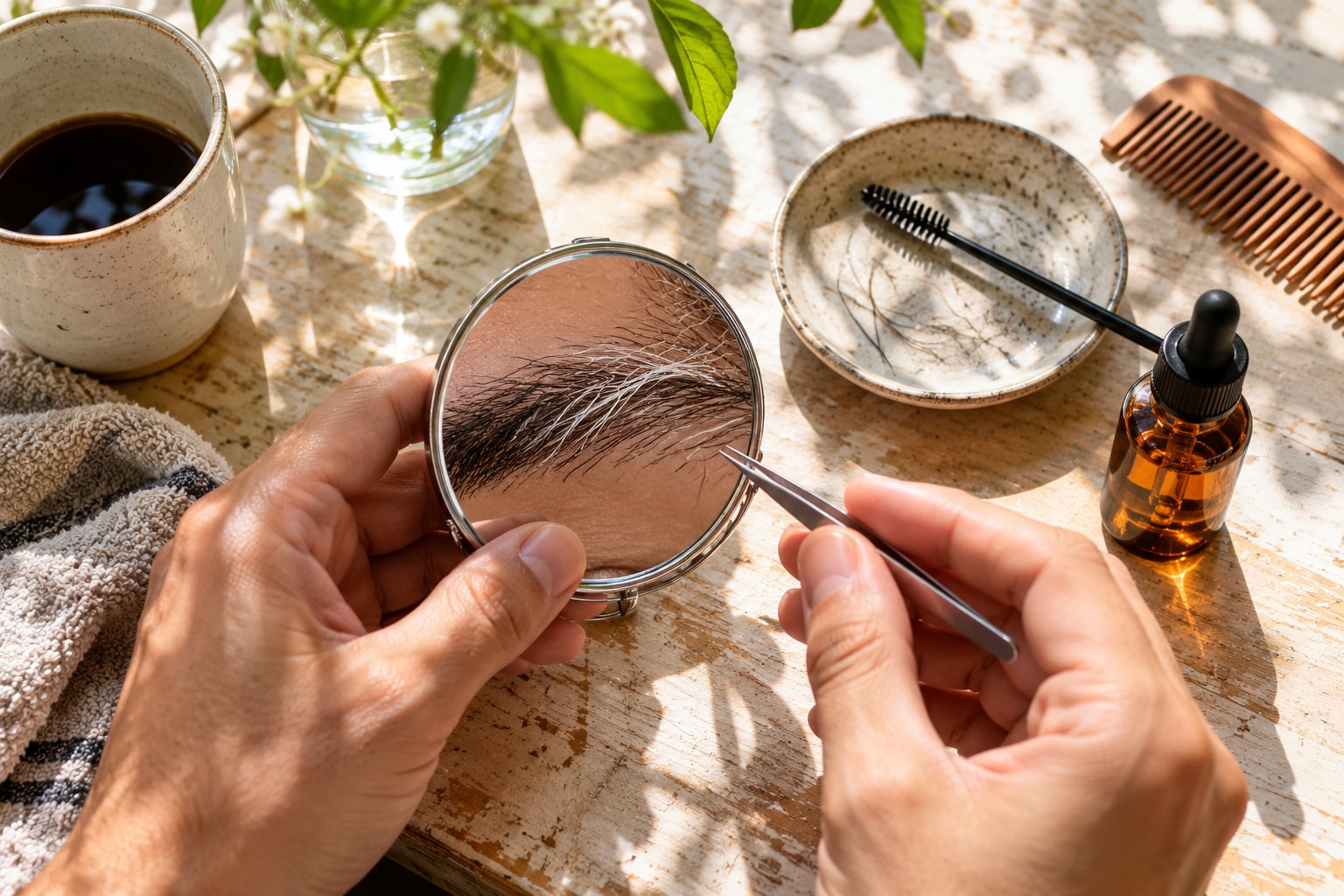
Hair colour also changes what you see. Dark hair against light skin shows small gaps clearly. Blond, red, grey, and fine hairs may be present but create less contrast. Camera sharpening and overhead light can exaggerate both patterns.
A patch can also be hair loss rather than low natural density. Alopecia areata often causes round areas of hair loss on the scalp or beard. Cleveland Clinic advises a medical check when a beard change is new, unusual, or asymmetrical.
Look at the timeline, not just the mirror. Lifelong uneven coverage points in a different direction from hair that vanished over several weeks.
Will a patchy beard fill in with age?
It may, especially in your late teens or twenties. Cleveland Clinic places common beard development across the 18-to-30 age range. That is a broad window, not a deadline or a promise.
Compare yourself with your own earlier growth, not someone of the same age. People inherit different follicle maps and different responses to the hormones produced during puberty. A brother can grow dense cheeks while yours remain light.
Give a young beard time before buying a stack of growth products. Take one photo every four weeks under the same conditions. A year of steady change tells you more than a close-up taken after three days of stubble.
Age does not explain sudden bald spots, redness, scale, pain, or broken skin. Those signs deserve a clinician's view.
Can low testosterone cause a patchy beard?
Low testosterone can affect facial hair, but it is not the usual explanation for a few sparse zones. Cleveland Clinic says testosterone is likely normal when puberty occurred normally and other body hair developed.
Do not use testosterone or online hormone products to chase denser cheeks. Hormone treatment has medical risks and needs a diagnosis. A beard alone cannot diagnose a hormone problem.
Speak with a clinician if sparse facial hair comes with reduced sex drive, erectile problems, loss of body hair, or other health changes. That conversation should cover your whole health, not an appearance target.
How can you make a patchy beard look fuller now?
The fastest improvement usually comes from matching the style to the growth you have. The American Academy of Dermatology suggests trimming away sparse zones or choosing a style that uses your denser areas.
Start by letting the beard grow long enough to reveal its pattern. Some gaps become less visible when nearby hairs gain length. The AAD suggests using a small amount of beard wax to hold those hairs in place.
Then test one even length. Mixed stubble lengths create light and dark areas that resemble missing hair. A short boxed beard may suit strong jaw growth, while a goatee can use a dense chin and moustache. Clean stubble can look better when coverage is even but not dense.
Keep the borders deliberate. A tidy neckline and cheek line make uneven growth look like a chosen shape. Do not carve the cheek line down each time you find one weak spot. That can leave less beard than the patch required.
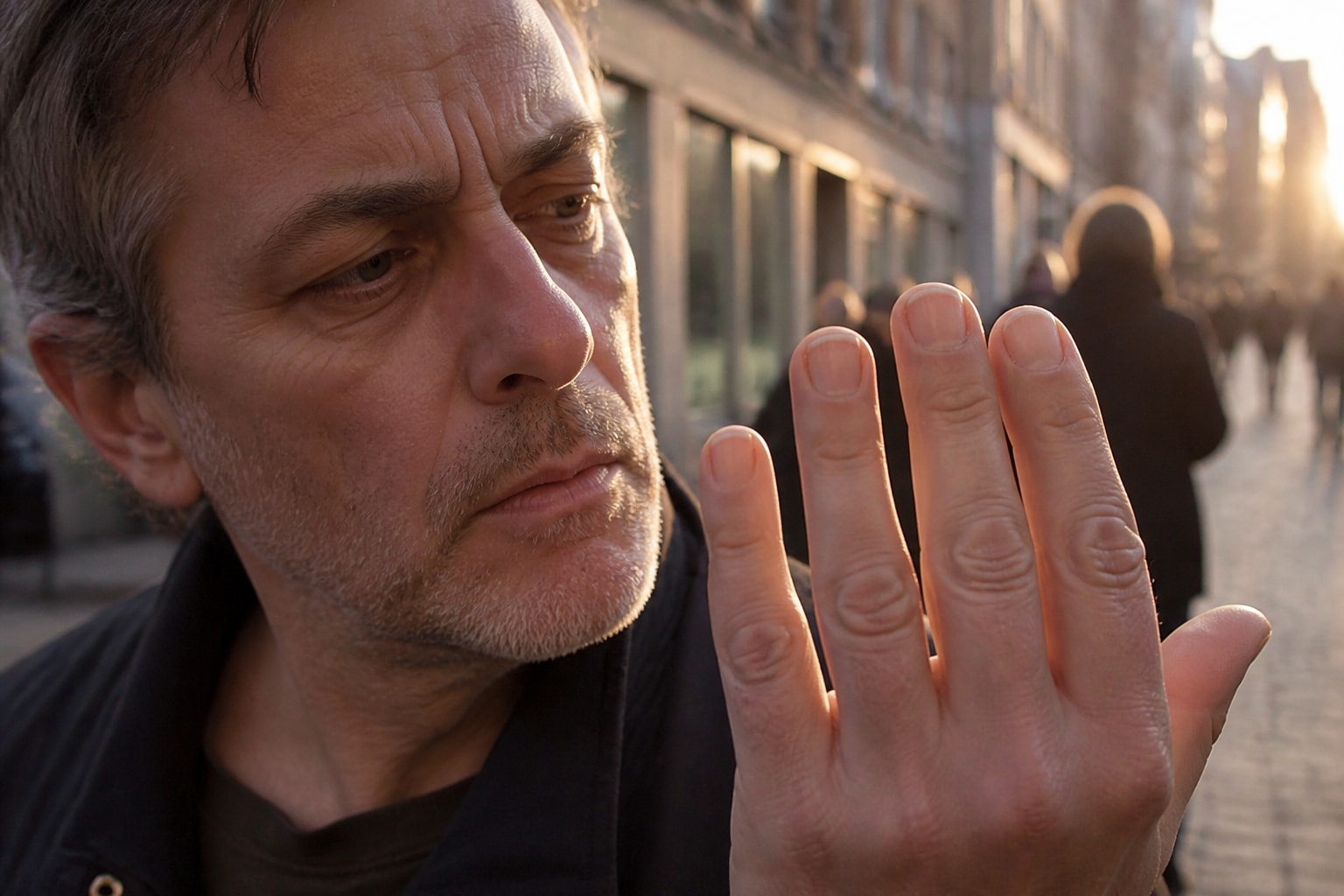
Take a normal-distance photo before trimming again. Magnified bathroom inspection rewards tiny corrections that other people never see.
Does shaving make a beard grow thicker?
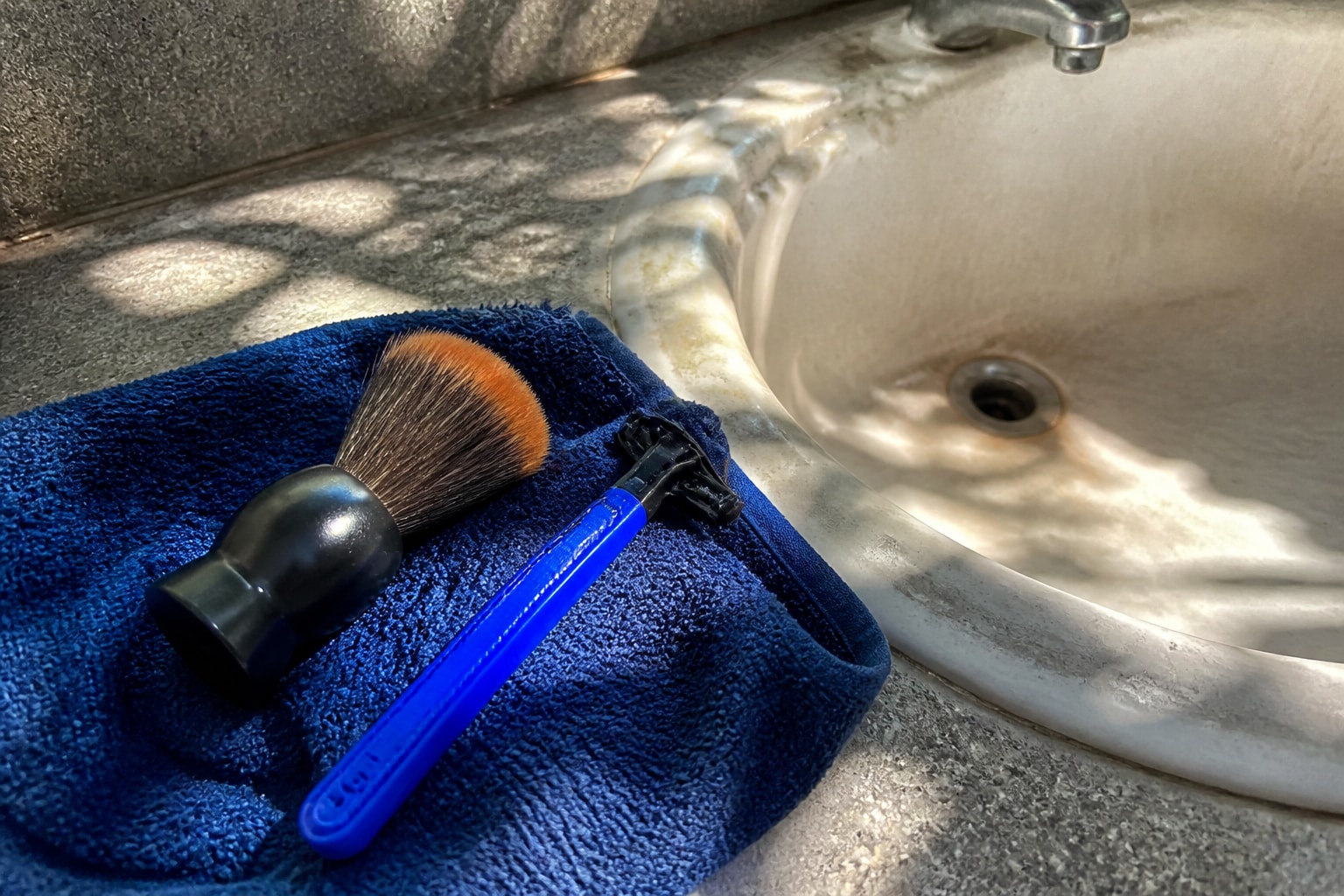
No. Mayo Clinic says shaving does not change hair thickness, colour, or growth rate. A razor cuts the shaft above the skin and does not add follicles below it.
Fresh stubble can look darker because each hair has a blunt tip. It may also feel coarser for the same reason. That temporary effect probably created the old claim that shaving makes a patchy beard fill in.
Shave for the style you want, not as a growth treatment. If you get ingrown hairs, the AAD recommends shaving in the direction of growth. Avoid pulling the skin tight or pressing hard with the razor.
Does beard oil help patchy beard growth?
Beard oil can soften dry hair and the skin beneath it. It can make an existing beard look neater and reduce a rough, flaky finish. The AAD places beard oil in daily care for normal or dry skin, not in a hair-regrowth plan.
That distinction matters. Softer hairs may sit together and cover skin more evenly, but an oil does not create new follicles. A glossy finish can even make sparse zones more visible under direct light.
Choose care by skin type. The AAD suggests beard conditioner for acne-prone skin and a fragrance-free moisturizer for sensitive skin. Use a small amount, then add more only if needed.
Wash your beard and the skin beneath it every day with a gentle cleanser. This removes oil, dead skin, and debris that can contribute to irritation. Healthy skin will not rewrite your genetics, but it makes your beard easier to wear.
Does minoxidil work for a patchy beard?
Minoxidil for beard growth has promising but limited evidence. A 2016 randomized trial enrolled 48 men aged 20 to 60. They used either topical 3% minoxidil or a placebo on the chin and jawline for 16 weeks. Forty-six completed the trial.
Doctors rated the minoxidil group's photographs higher at week 16. The average hair-count increase was 5.00 with minoxidil and 0.35 with placebo. Participants also rated their results higher. Hair diameter did not differ between groups.
A second randomized trial, published in 2026, studied 69 transgender men on stable gender-affirming hormone therapy. After 12 weeks, 3% minoxidil increased beard density and diameter more than placebo. It also improved measured moustache growth.
The newer result supports a real drug effect, but it answers a narrower question. Everyone in that trial was already taking stable hormone therapy. You cannot assume the same size of change for a different population.
Both studies were small and short. Both tested 3% liquid, not a typical 5% beard routine from social media. Neither compared foam with liquid or tracked what remained after stopping.
Minoxidil is approved and labelled for scalp hair loss, not beard growth. The AAD advises speaking with a dermatologist before facial use because raw, irritated skin is common. Do not copy a study dose or a creator's routine without medical advice.
What about derma rolling and beard-growth stacks?
The controlled beard trials did not combine minoxidil with derma rolling, oils, or supplements. They cannot tell you whether a stack works better or remains safe on facial skin.
Puncturing irritated skin and adding several products also makes reactions hard to trace. Do not use an aggressive DIY needling routine on your face. A dermatologist can discuss qualified treatment if your concern goes beyond grooming.
Skip unprescribed hormones and mail-order drug mixtures. More risk does not make a cosmetic result more certain.
When should a dermatologist check a patchy beard?
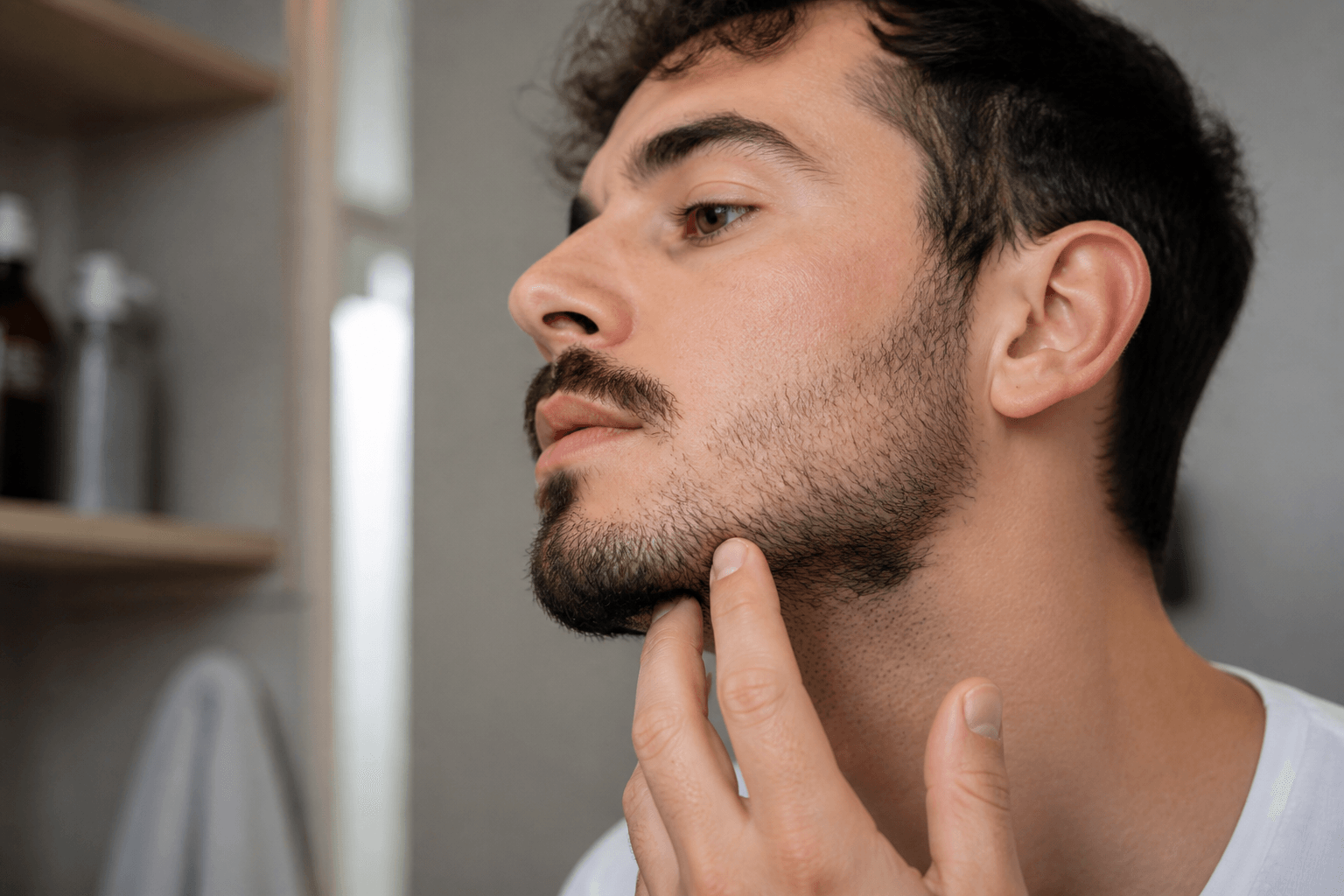
Get a medical opinion when the pattern changes rather than simply grows slowly. A round or oval smooth patch can be alopecia areata. A lasting rash, pain, broken skin, bleeding, or a changing lump also needs attention.
The AAD notes that acne, ingrown hairs, and other beard problems can look alike. A dermatologist can identify the cause instead of asking you to guess from a photo.
Bring a few dated pictures if the change comes and goes. Keep them private if you prefer. Use the same beard length, angle, distance, and light so the comparison shows hair rather than camera changes.
A practical plan for uneven beard growth
First, decide whether the pattern is stable or new. Book a medical check for sudden loss, symptoms, or a sharply defined patch.
For stable growth, let the beard reveal its pattern before choosing a style. Trim to one length, then keep the strongest zones and simplify the weakest ones. Use wax only when longer neighbouring hairs can cover a small gap naturally.
Clean and moisturize according to your skin type. Change one product at a time. Stop any product that leaves the skin raw or persistently irritated.
Take monthly photos for three months before judging progress. Use the same camera setup and beard length. Do not turn the comparison into a face rating; you are tracking coverage and skin comfort.
If you still want a medical growth option, take those photos to a dermatologist. Ask what evidence applies to you, what side effects to watch for, and when to call the trial unsuccessful.
FAQ
Will a patchy beard eventually fill in?
It can gain thickness through your twenties, since many beards keep developing between ages 18 and 30. Genetics still shape the final pattern, so full coverage is not guaranteed.
Does shaving every day help a patchy beard?
No. Shaving changes the visible tip of each hair, not its thickness, colour, growth rate, or follicle count. New stubble only looks darker and feels coarser.
Can beard oil grow hair in bald spots?
Beard oil can soften dry hair and skin, which may improve grooming. It has not been shown to create follicles or regrow a medically bald patch.
Can minoxidil fill a patchy beard?
Two small controlled trials found improved facial hair growth with topical 3% minoxidil. Facial use remains off-label, long-term retention is unknown, and skin irritation is a known concern.
What do alopecia beard patches look like?
Alopecia areata often appears as a new round or oval area of smooth hair loss. Ask a dermatologist about sudden, expanding, unusual, or asymmetrical beard gaps.