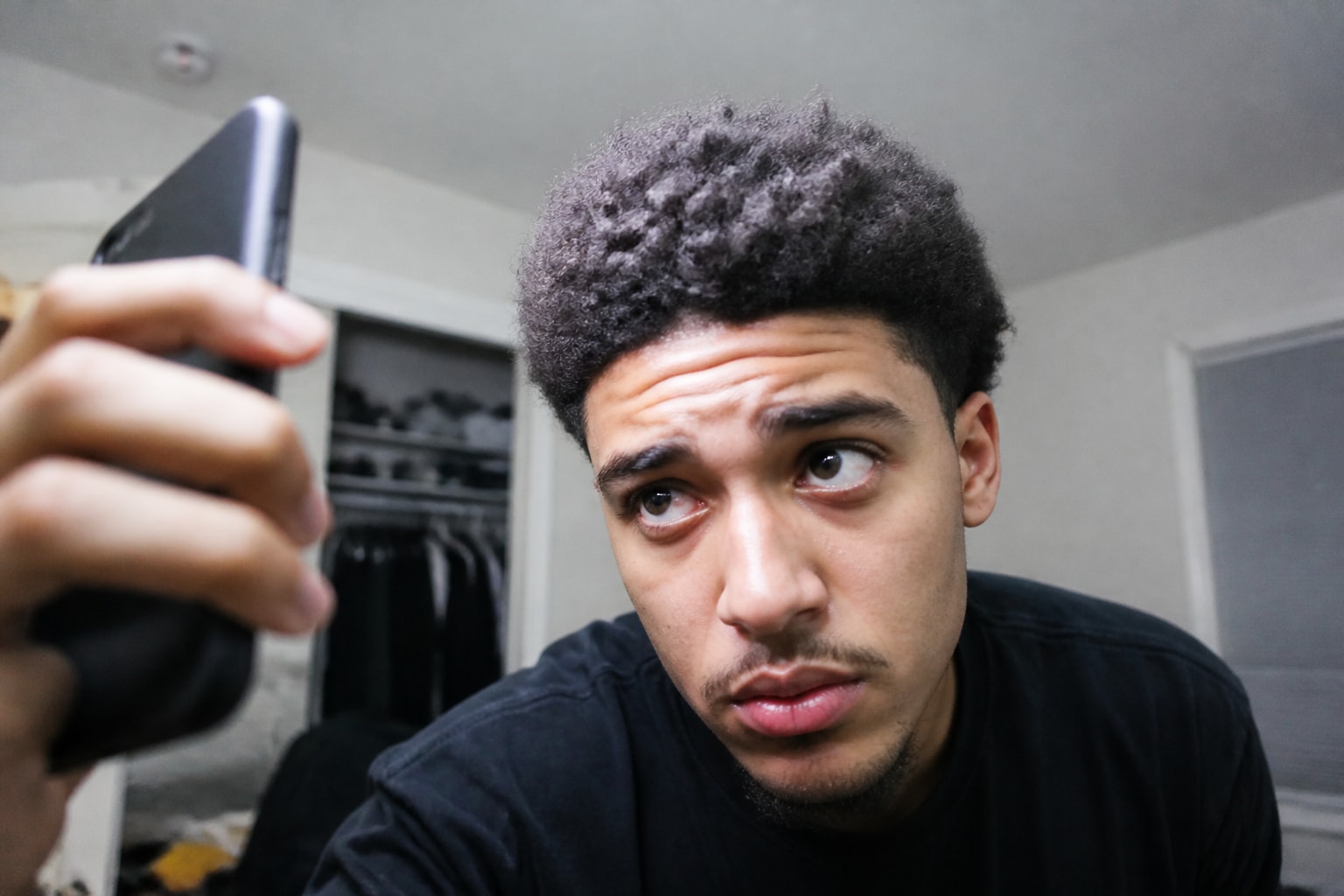
Quick answer
Hair clips leave dents when they hold strands in a bend, especially while damp hair dries. Start by clipping fully dry hair loosely, and check the clip for rough edges or snagging. For an existing crease, gently restyle the affected section instead of repeatedly pressing it with a hot straightener. A temporary bend alone doesn't mean your hair is damaged.
Why the crease stays after the clip comes out
A clip can hold hair in a shape you didn't intend to set. Moisture helps explain why that bend can linger after you release it.
A 2006 laboratory study by Franz-Josef Wortmann and colleagues measured how water changes the physical behavior of hair. It supports moisture as part of the explanation, though the researchers didn't test clips or dent-removal methods.
Check whether you're seeing a bend or breakage
A smooth bend along otherwise continuous strands points toward a styling crease rather than a snapped hair. Check whether it disappears after your usual wash and gentle styling. That's a useful observation, but it doesn't rule out damage elsewhere.
Stop using the clip if you notice repeated snagging, snapped hairs or pulling at your scalp. The American Academy of Dermatology explains that damaged hair becomes fragile and can break. Repeated tension from tight styles can also lead to lasting hair loss.
Z Hair Academy recommends smooth edges because rough plastic can catch and break strands. If hair catches in a hinge, open the clip and free it gently.
Don't pull through the snag.
How to remove a clip dent gently
Work on the affected section instead of exposing all your hair to another round of heat.
Writing in Allure, hairstylist Garren recommends misting fine or straight hair with water, then gently combing and blow-drying. Use low heat, as Gloucestershire Hospitals NHS Foundation Trust advises.
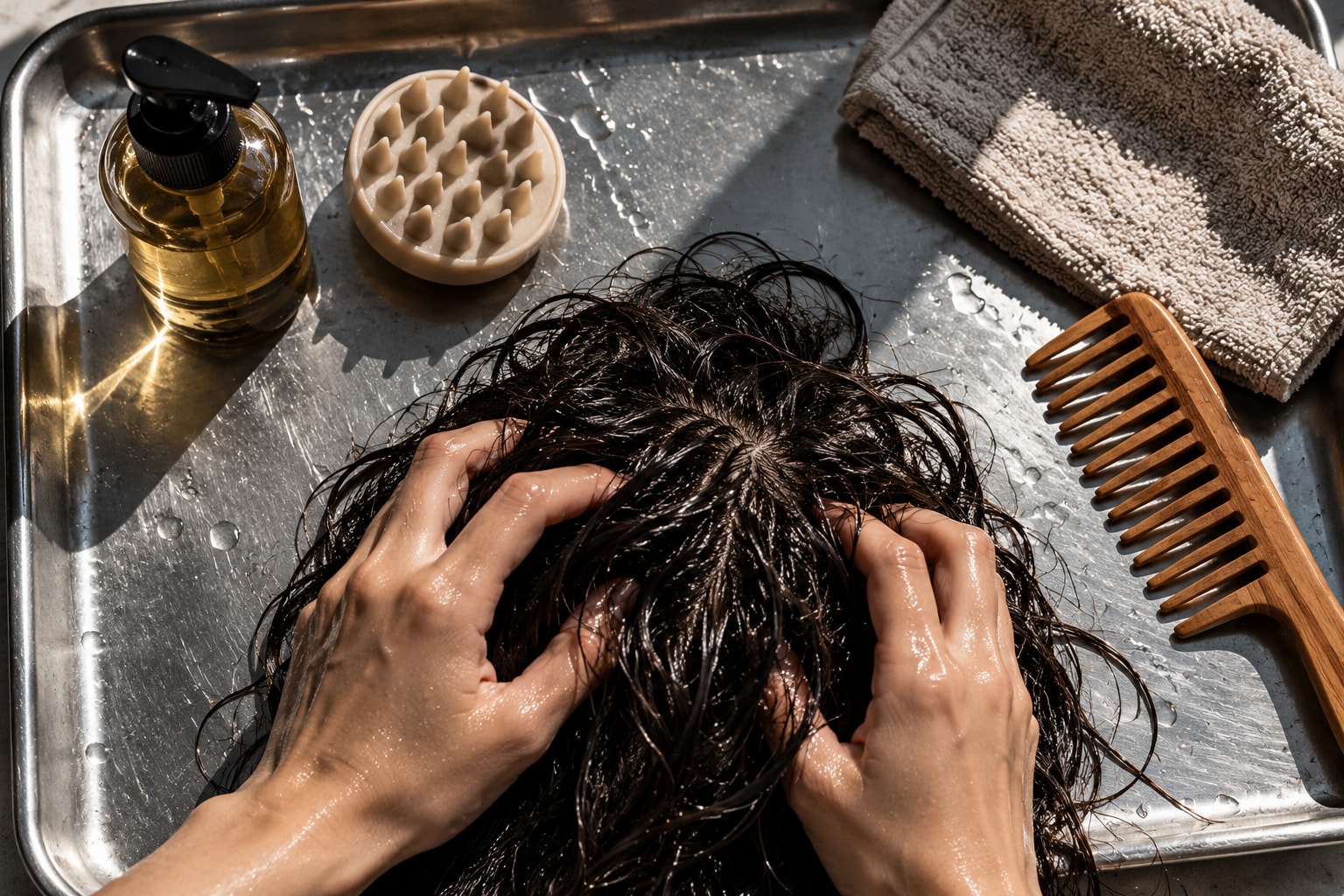
The American Academy of Dermatology recommends using a wide-tooth comb gently, with timing that suits your hair. Let straight hair dry a little before combing; detangle textured hair or tight curls while damp.
If the section tangles, use your usual conditioner as directed to help it release without force. The NHS explains that conditioner coats the hair shaft and reduces friction during handling.
If your hair is naturally curly but currently straightened, adding moisture may disturb the straightened style. Try a small section first, then decide whether a larger touch-up is worth it.
Don't put a flat iron over damp hair. The academy advises using flat irons only on dry hair, with low or medium heat. Repeated high-heat passes can turn a temporary styling problem into damage.
Change these two things before buying another product
1. Check the hair inside the clip
Garren's prevention advice is to avoid tying back damp hair, because the crease can set as it dries. Check the section underneath before fastening your clip.
There's no need to turn up the heat to hurry this step. The NHS recommends the lowest dryer heat and power settings to limit damage.
2. Reduce pulling and choose a smooth clip
Aim for a secure hold without twisting your hair tightly against your scalp. Z Hair Academy warns that a claw clip can still create tension when the hair underneath is wound too tightly.
Inspect the teeth, seams and hinge, and replace clips with broken parts that catch strands. Open the clip fully during removal instead of dragging it through your hair.
A padded clip is reasonable to try, but treat 'crease-free' as a claim to check on your own hair. The hair-fiber study can't tell you which accessory will leave the fewest marks.
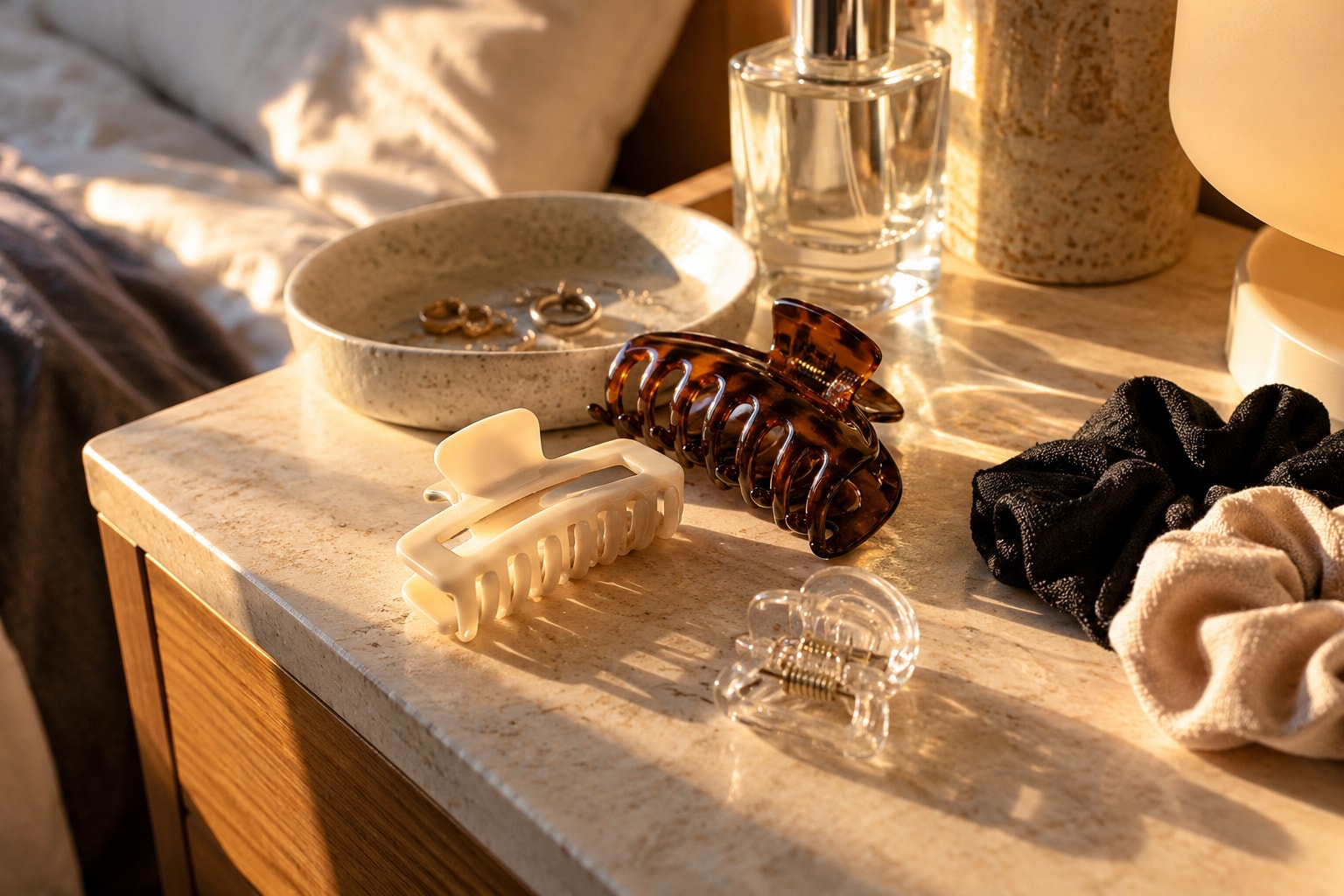
Compare two normal styling days
Keep your wash products and styling routine the same while you compare the two accessories.
- On the first day, use your usual clip with a loose hairstyle.
- On another similar day, try a different smooth clip with the same hairstyle and roughly the same wear time.
- After removal, note the crease, any snagging and whether the style felt comfortable.
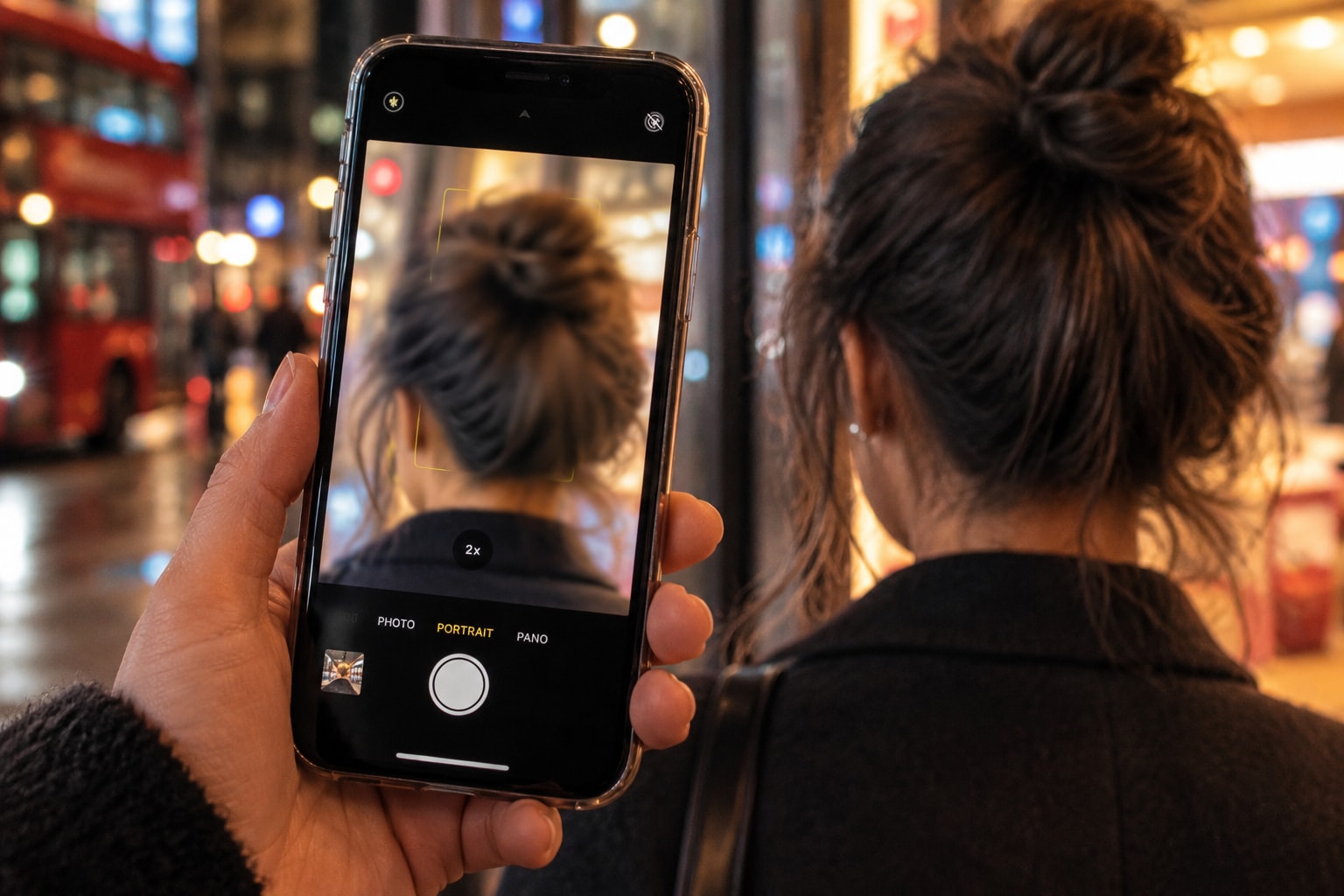
If you take pictures, use the same view and lighting so the comparison is useful. Keep them on your own device; no face scan or public upload is needed.
Choose the option that holds comfortably and releases cleanly, even if neither eliminates every bend.
FAQ
Why does my hair dent after only a few minutes?
A short wear time doesn't rule out a temporary crease or prove your hair is unhealthy. Check whether the clip holds the section in a sharp bend or pulls at the roots. The available hair-fiber research doesn't establish a mark-free wear time for clips.
Are claw clips better than ponytails for avoiding dents?
A loosely fitted claw clip may suit you, but it isn't guaranteed to prevent marks. Both accessories can pull when used tightly. The American Academy of Dermatology recommends loose styles and covered hair elastics; choose whichever holds your hair without repeated snagging or tension.
Do clip dents mean I need a protein treatment?
A dent alone isn't a reason to start a protein treatment. If your hair keeps breaking despite gentler handling, or you're noticing thinning, see a dermatologist. The American Academy of Dermatology recommends assessment when changing hair-care habits doesn't help.
Can I sleep in a claw clip?
Z Hair Academy advises against it because the clip can press into your scalp or break during sleep. Remove it before bed. If you need to secure your hair, choose a loose style that doesn't pull or place a hard accessory against your head.