Quick answer
Does beard oil cause acne? It can. A greasy formula may add to follicle blockage, especially if you are acne-prone or use more than your beard needs. But not every beard oil causes breakouts, and bumps beneath facial hair may be razor bumps or dermatitis instead.
The cleanest test is to stop only the beard oil for four to six weeks. Keep the rest of your routine steady. If fewer new bumps appear, replace it with a non-comedogenic beard conditioner or fragrance-free moisturizer and use a small amount.
How beard oil can trigger a breakout
Acne starts inside a hair follicle, where oil and dead skin cells form a plug that can inflame into a red pimple. Cleveland Clinic specifically lists beard oils and waxes among greasy grooming products that can plug follicles.
That does not make every oil acne-causing, since your baseline acne tendency, the finished formula, the amount, and where it lands all matter. Beard oil may be one contributor rather than the whole cause.
Product-related acne often shows up as new whiteheads or small, flesh-colored bumps where the product touches your skin. Larger pimples can occur, and the timing offers a clue if the pattern began after a new oil or heavier application.
A label such as “non-comedogenic” or “won’t clog pores” is useful, though it is not a promise. The American Academy of Dermatology says these products do not cause breakouts in most people. Your skin may still react.
First check what kind of bumps you have
Several beard-area problems can look alike, and treating every bump as acne can irritate your skin or hide the real pattern.
Product-related acne
Look for whiteheads, blackheads, flesh-colored bumps, or inflamed pimples. They often sit in the part of your beard that receives the most oil. Acne usually builds over time rather than appearing as an immediate itchy rash.
Razor bumps or folliculitis
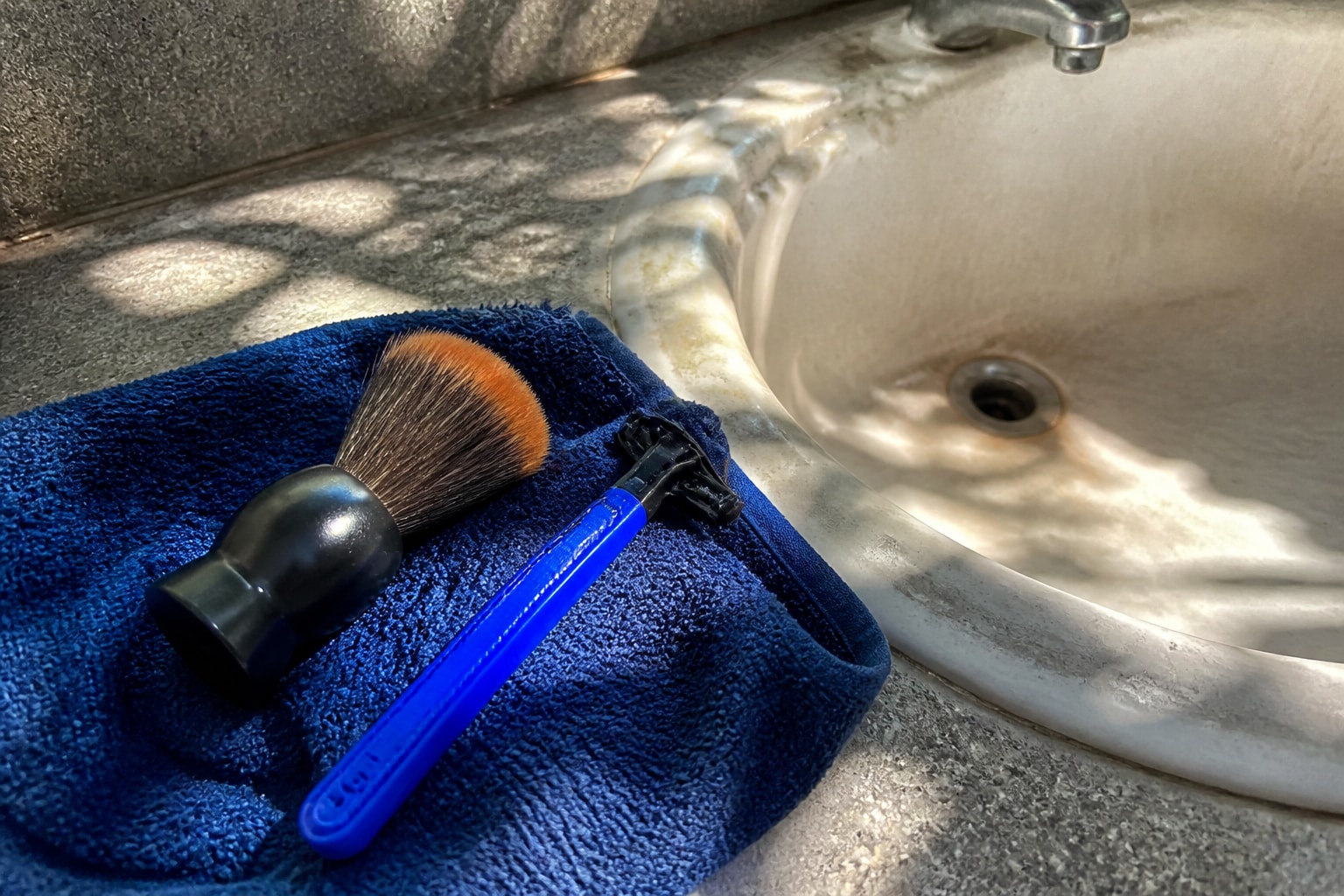
Folliculitis can look like a sudden acne outbreak around hairs, with spots that itch, hurt, or have a red ring. Shaving can damage follicles, which is why these bumps often cluster along a freshly shaved neck or beard line.
Bumps that follow shaving point more toward razor bumps, and beard oil will not fix the shaving cause. If the bumps keep returning, a dermatologist can separate folliculitis, ingrown hairs, and acne.
Irritant or allergic dermatitis
Burning, strong itching, scale, swelling, or a spreading rash fits a contact reaction better than acne. DermNet notes that fragrance is a common cause of cosmetic contact dermatitis. A reaction may begin within hours, or after days of repeated use.
Stop the product if you develop those signs, and do not continue a four-week acne test through a worsening rash. Facial swelling, breathing trouble, or throat tightness needs urgent medical help.
Run a controlled four-to-six-week test
Changing five products at once gives you no useful answer, so test one variable.
- Keep private baseline photos of both sides of your beard in the same room and light. Count new bumps weekly, rather than judging one close-up each morning.
- Stop the beard oil while keeping your cleanser, shaving schedule, diet, and acne treatment unchanged where practical.
- Wash your face and beard daily with a gentle cleanser. Wash after heavy sweating, but do not scrub or repeatedly strip the area.
- Change your pillowcase and clean anything that holds oily product against your beard. Product residue can remain on fabric.
- Do not squeeze the bumps, because picking pushes inflammation deeper and raises the chance of a lasting mark.
The AAD says acne caused by oily hair products may take four to six weeks to clear after contact stops. Beard oil is not identical to hair pomade, but the same product-acne logic makes that window a sensible check.
Track new spots rather than old marks, which can remain after a pimple flattens and make a working change look ineffective. Consistent lighting also matters because side light can exaggerate both texture and redness.
If new breakouts slow, the oil probably contributed; if nothing changes after six weeks, it may not be the main cause. Review shaving, other grooming products, and your usual acne pattern with a dermatologist if needed.
Choose a lower-risk replacement
Your replacement should match the skin beneath your beard, not a viral ingredient list. The AAD gives different advice by skin type:
- For acne-prone skin, try a beard conditioner labeled non-comedogenic.
- For sensitive skin, use a fragrance-free, non-comedogenic facial moisturizer.
- For normal or dry skin that tolerates oil, use beard oil sparingly.
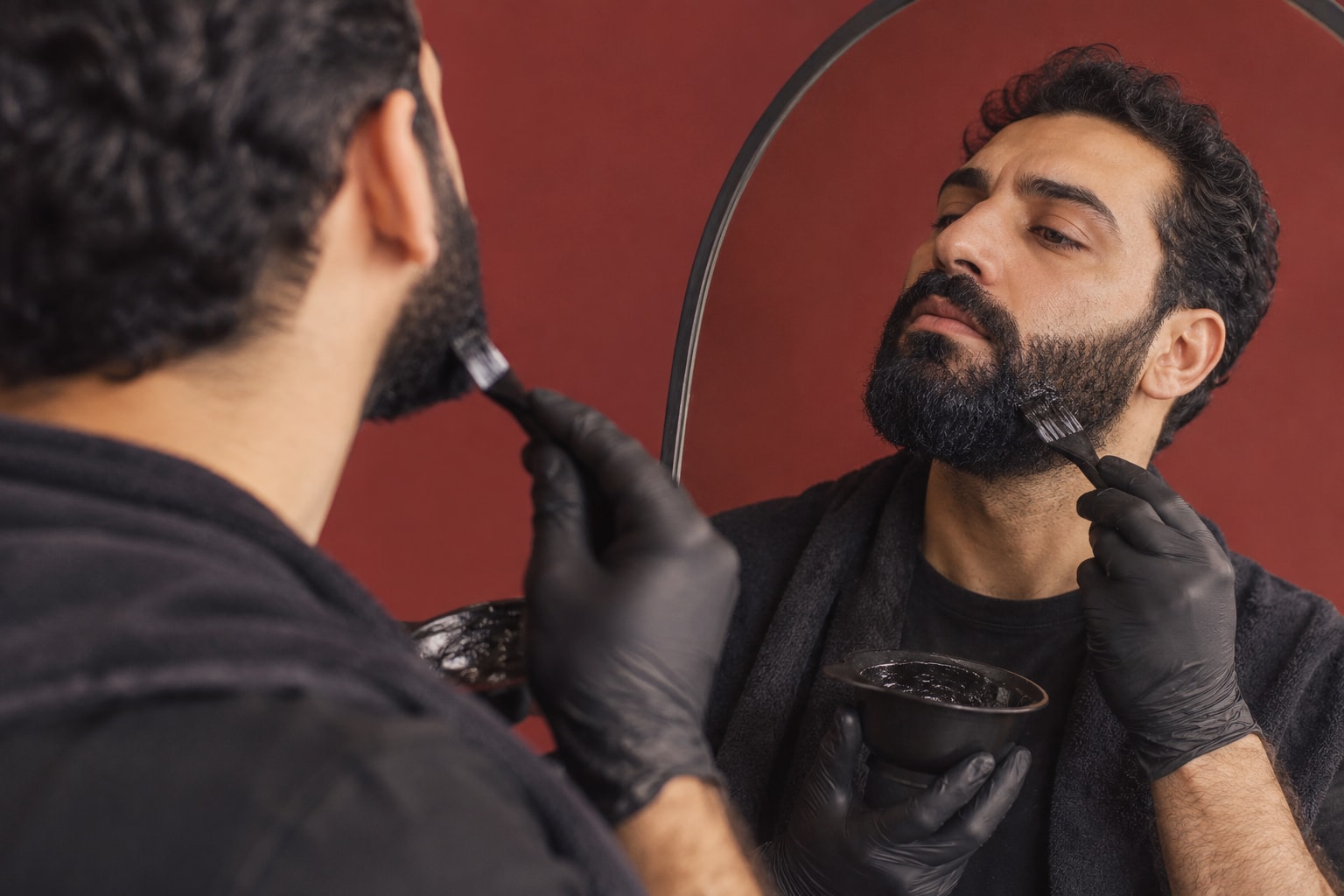
Apply the replacement after washing while the skin is slightly damp. Start with less than you think you need, spread it through the beard, and add more only if dry areas remain. A glossy coating on the skin is not required to soften facial hair.
Introduce one new product at a time, and test a small amount on the inner arm for 24 to 48 hours if you react easily. This can flag some contact reactions, but it cannot prove that a product will never cause facial acne.
“Natural” and “organic” do not tell you whether a formula will suit your skin, since fragrance can irritate and plant oils may feel too heavy. Judge the finished product by your own controlled result.
If stopping the oil is not enough
Keep care simple: the AAD recommends a gentle gel cleanser containing salicylic or glycolic acid for oily, acne-prone skin beneath a beard. Start one active product at a time and follow its label, since over-washing and scrubbing can worsen irritation.
See a dermatologist sooner for deep painful lumps, scarring, draining spots, or a fast-spreading rash. Book a routine review if careful product changes have not helped after six weeks. A clinician can check whether you have acne, folliculitis, razor bumps, dermatitis, or more than one condition.
FAQ
Can I use beard oil if I have acne-prone skin?
You can, but it may not be your best first choice. The AAD recommends beard conditioner for acne-prone skin and beard oil for normal or dry skin. If you keep an oil, choose a non-comedogenic formula, apply it sparingly, and track new bumps.
How long after stopping beard oil should acne improve?
Allow four to six weeks to judge new breakouts, since product-related acne clears slowly even after the trigger is gone. If new spots do not decrease by six weeks, another product or skin condition may be involved.
Can beard oil cause itchy bumps?
Yes, but itchy bumps are not automatically acne: folliculitis can itch or hurt, while cosmetic dermatitis often causes burning, scale, or swelling. Stop the oil if there is a rash and seek care if symptoms persist or spread.
Is non-comedogenic beard oil guaranteed not to clog pores?
No; the label means the product is designed to be less likely to clog pores, and it works for most people. Your skin can still react, so introduce it alone and use the smallest amount that does the job.