Quick answer
Braces glue left on teeth after removal may be cured orthodontic adhesive that wasn't fully removed. A white-spot lesion or enamel change can look similar, so a photo alone can't confirm the cause. Don't scrape, sand, or try to dissolve the mark at home. A raised layer makes adhesive more likely, while chalky or matte color change needs a dentist or orthodontist to check it.
Why glue can remain after debonding
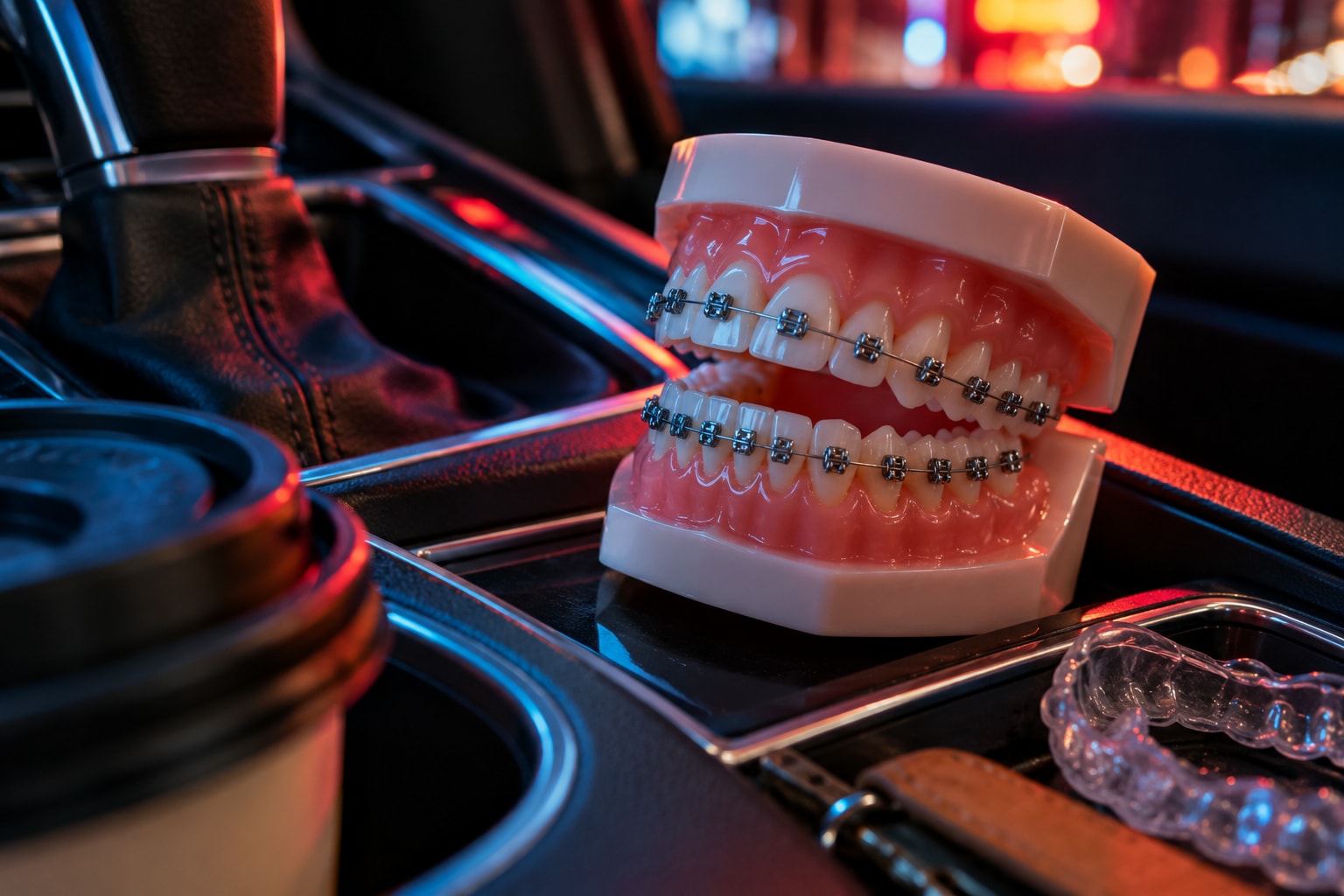
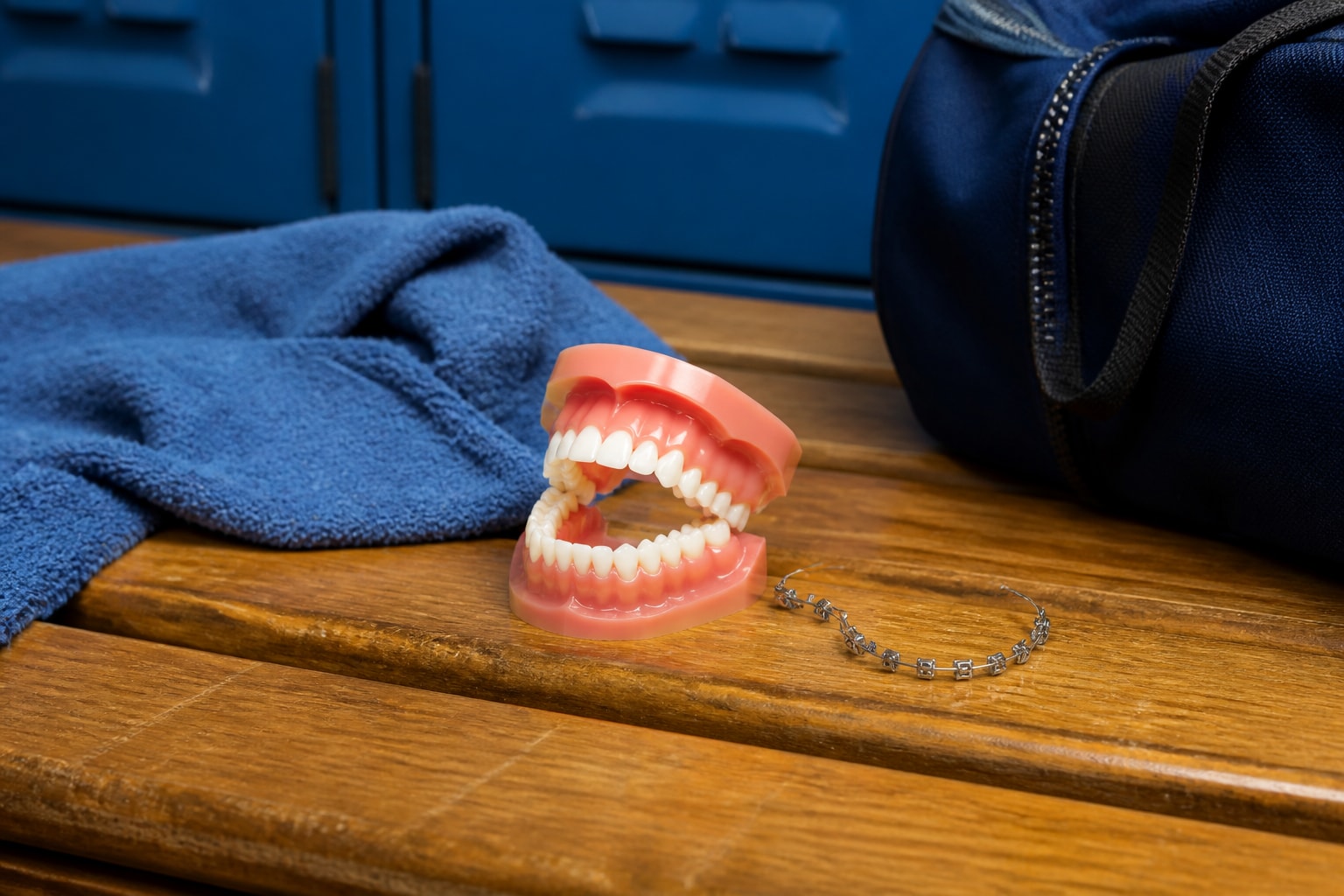
Brackets are attached to teeth with resin-based dental adhesive. When braces come off, the clinician releases each bracket and removes the remaining composite. The hard part is stopping at the boundary between tooth-colored resin and natural enamel.
That boundary can be hard to see, and a 2014 systematic review found wide differences in speed, leftover resin, enamel loss, and final roughness. No method removed adhesive perfectly while returning every tooth surface to its original state.
A 2019 lab study found that UV light detected more fluorescent adhesive than white light. Cleanup was also faster with one of the two adhesives tested. Yet adhesive remnants thinner than 2 micrometers escaped detection.
This doesn't mean every residue check needs UV light, because the method only helps with a suitable fluorescent marker. The experiment shows why normal light can miss some resin.
Rough areas can hold plaque, and composite can change color over time. Arrange a review even when the tooth doesn't hurt.
Glue, a white spot, or an enamel change?
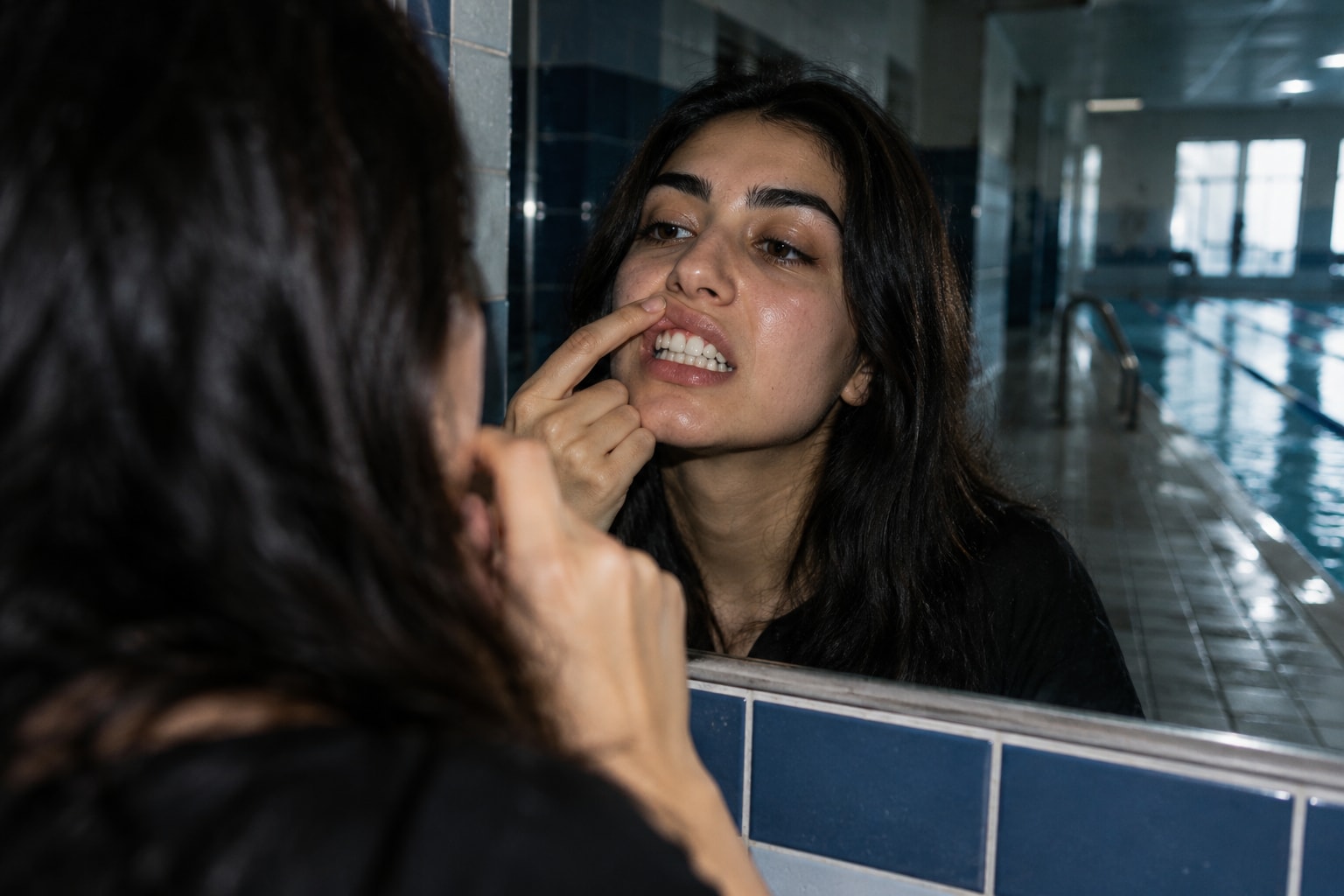
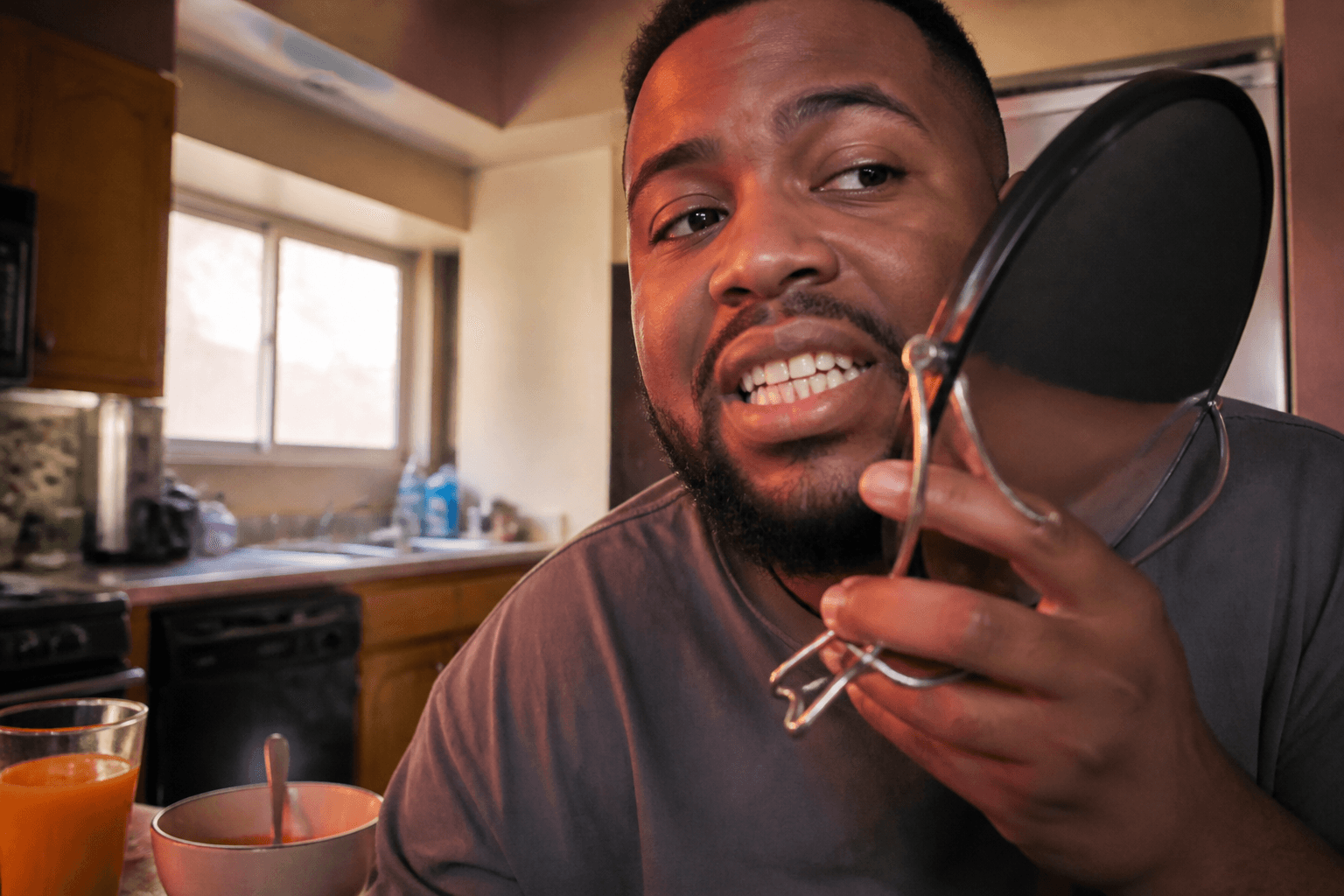
A selfie can't confirm the cause because texture, height, location, and lighting offer clues without proving what the mark is.
Likely adhesive residue
- It feels like a raised or rough layer sitting on the tooth.
- It is close to the former bracket or orthodontic button position.
- It stays in the same place after normal brushing.
- Its color alone doesn't reliably separate adhesive from enamel.
These signs raise suspicion for residue, but they don't prove it.
A white-spot lesion
The American Association of Orthodontists describes demineralized enamel as chalky, cloudy, or matte. Those color changes suggest a white-spot lesion, but an examination is needed to identify the mark.
White spots form when plaque and acid remove minerals from the tooth surface, while brackets can make thorough cleaning harder. Braces don't create these spots by themselves.
Don't ask for more grinding until a dentist or orthodontist identifies the mark. A white spot may need better plaque control, fluoride, or other dental care instead of adhesive removal.
A possible enamel defect
If you see a new notch, feel a sharp edge, or have lasting sensitivity, don't probe the area. Photos can't show whether enamel, resin, or both changed during debonding.
The systematic review found that debonding and cleanup can alter enamel, with the amount depending on the materials and method. Book an examination if the tooth's shape or comfort seems different.
What to do now
- Don't pick or scrape at the patch with a fingernail, metal tool, file, or abrasive powder.
- Brush normally with fluoride toothpaste and clean between your teeth. Harder scrubbing isn't a controlled way to remove cured resin.
- Contact the orthodontist who removed your braces. Name the tooth, describe the exact surface, and say whether you notice a raised layer or color change.
- If your retainer no longer seats fully, contact the orthodontist and bring it to the visit.
- If the original practice isn't available, ask a dentist or another orthodontist to examine it.
You don't need a home adhesive remover or online dental scaler because cured orthodontic resin isn't plaque you can safely scrape away.
What professional cleanup involves
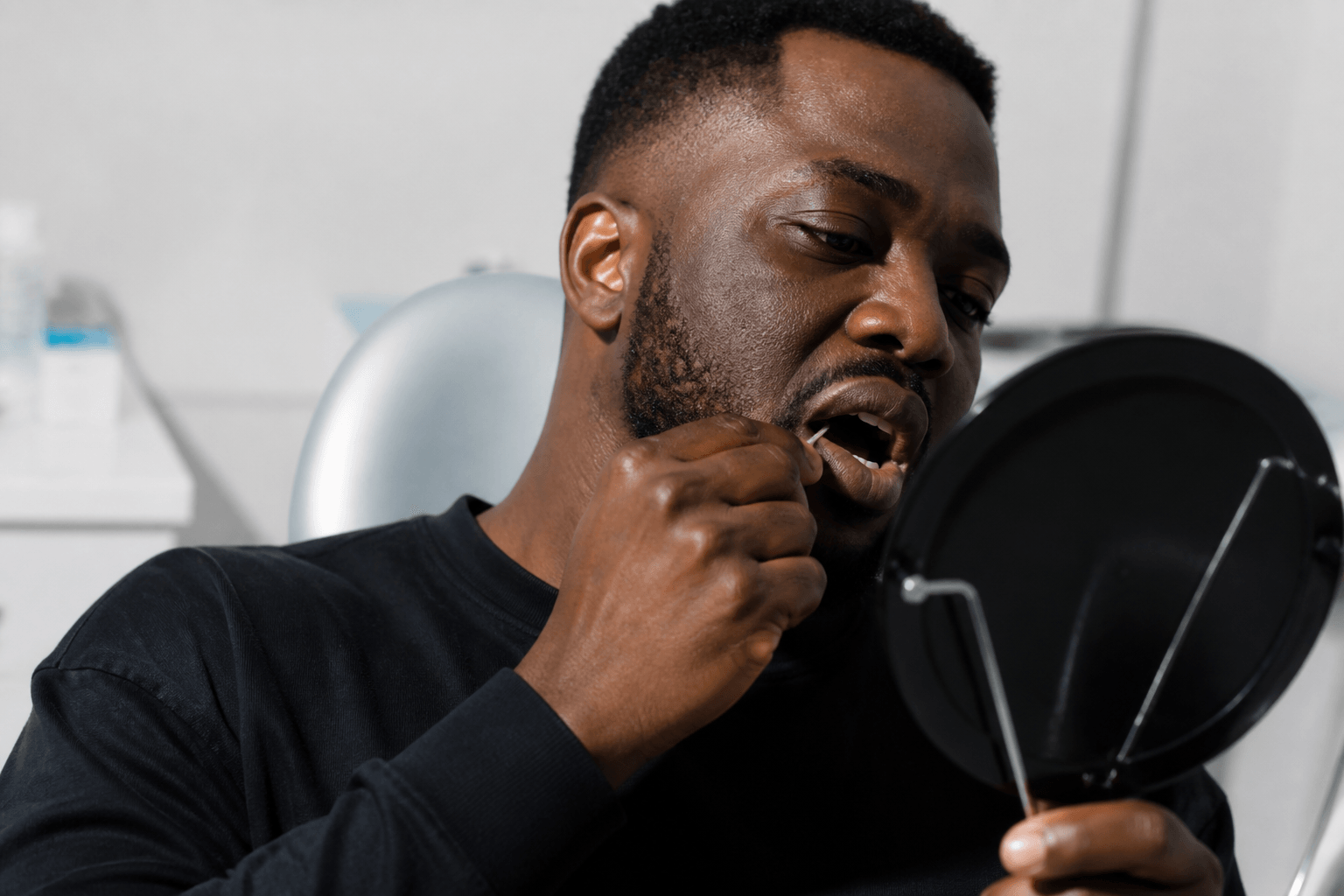
The clinician first identifies where resin ends and enamel begins, sometimes using strong lighting or magnification. Fluorescence may help when the adhesive contains a suitable marker. They then use a dental finishing system and polish the surface.
Method matters, as Ghaleb and colleagues showed by testing three systems on 60 extracted premolars in 2024. Tungsten carbide, Sof-Lex discs, and diamond burs all produced clinically satisfactory removal in the lab, but the diamond group had the roughest enamel. Final polishing with Silicone OneGloss made all groups smoother.
That study used extracted teeth, so it can't name one best method for every mouth, but it shows why careful technique matters.
A clinician controls pressure, angle, speed, visibility, and the stopping point. The studies didn't test home scraping. Their finding that controlled cleanup can alter enamel is why files, scalers, and rotary tools are a poor DIY gamble.
Ask the clinician to show you the checked area before you leave.
When to get checked sooner
Arrange a review for a painless rough patch rather than waiting for it to wear away. Seek an earlier appointment if:
- Your retainer no longer seats fully.
- A sharp area cuts your tongue, lip, or cheek.
- The tooth has new or lasting sensitivity.
- You can see a crack, notch, or missing edge.
- The gum around the area stays sore or swollen.
These signs don't prove enamel damage, but they make an in-person check more useful than another photo or home test.
FAQ
Will braces glue come off by itself?
Don't count on it, because orthodontic adhesive is designed to hold brackets for months or years. Cleanup is a clinical step after debonding, while normal brushing isn't a precise way to remove cured resin.
Can leftover braces glue damage enamel?
The resin doesn't automatically mean enamel is damaged. Yet a rough remnant may hold plaque or discolor, while careless removal can alter the tooth surface. A clinician should identify the material and polish it with controlled tools.
Why do I have white squares where my brackets were?
Marks that look chalky, cloudy, or matte fit white-spot lesions better than a raised layer of glue. They reflect mineral loss linked to plaque and acid around orthodontic appliances. Ask a dentist to check them before anyone treats them as adhesive.
What if my orthodontist says no glue is left?
Ask what else could explain the texture or mark. A second dental examination is reasonable if you still have a sharp edge, pain, sensitivity, or a retainer-fit problem.