Quick answer
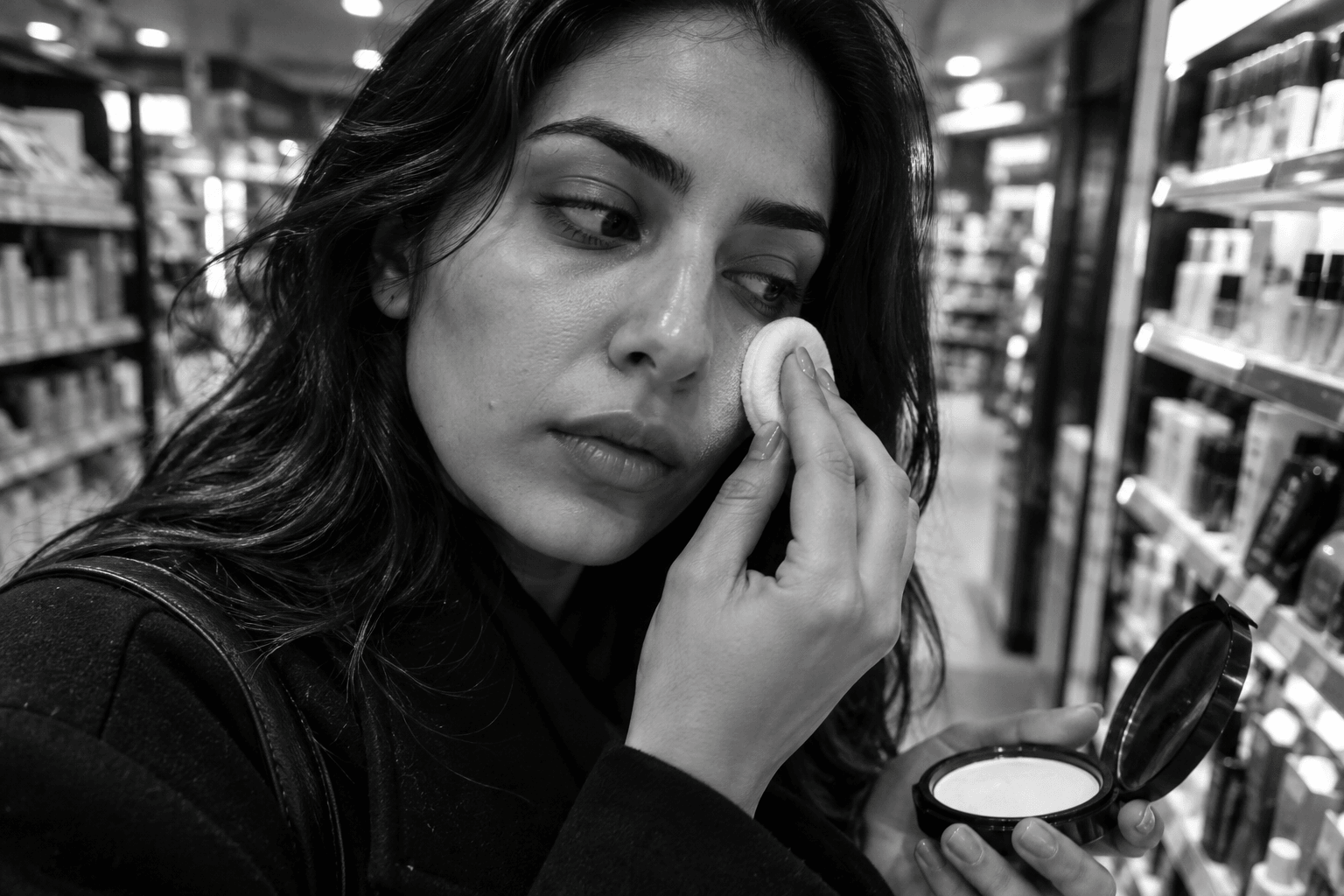
Why does my blush disappear in photos? If the color remains visible in a mirror, the camera may be muting a subtle difference your eyes can see. Direct flash, bright exposure, automatic white balance, and low contrast between blush and skin can all flatten cheek color. Check the mirror at the same moment; if the blush has faded there too, the problem is wear rather than photography.
Start with one simple split
Check a mirror and take a photo under the same light, both after application and when the problem usually appears.
If the mirror shows color but the photo doesn't, focus on lighting and camera settings. If both look bare, test wear time, base products, and the blush formula. This split stops you from solving a camera problem with twice as much makeup.
Why the camera can erase subtle blush
Direct flash flattens the face
Nikon explains that direct flash can produce flat light, glare, and little sense of depth. A makeup artist interviewed by Teen Vogue makes the practical link: direct flash can diminish subtle blush tones.
A shiny upper cheek may reflect the flash while the softer pigment difference gets lost. Take flash and no-flash shots from the same position; if the color returns without flash, the blush hasn't vanished.
Bright exposure loses small color differences
A camera records bright highlights and dark shadows in one image. Adobe explains that clipped highlights turn white and lose detail. Canon gives a specific warning for lighter skin: overexposure can erase freckles and makeup detail.
Check whether the highlights on your forehead and upper cheeks still contain skin color and detail. If those areas are nearly white and textureless, lower the exposure before adding blush. You don't need an artificially dark photo.
Automatic white balance moves the color
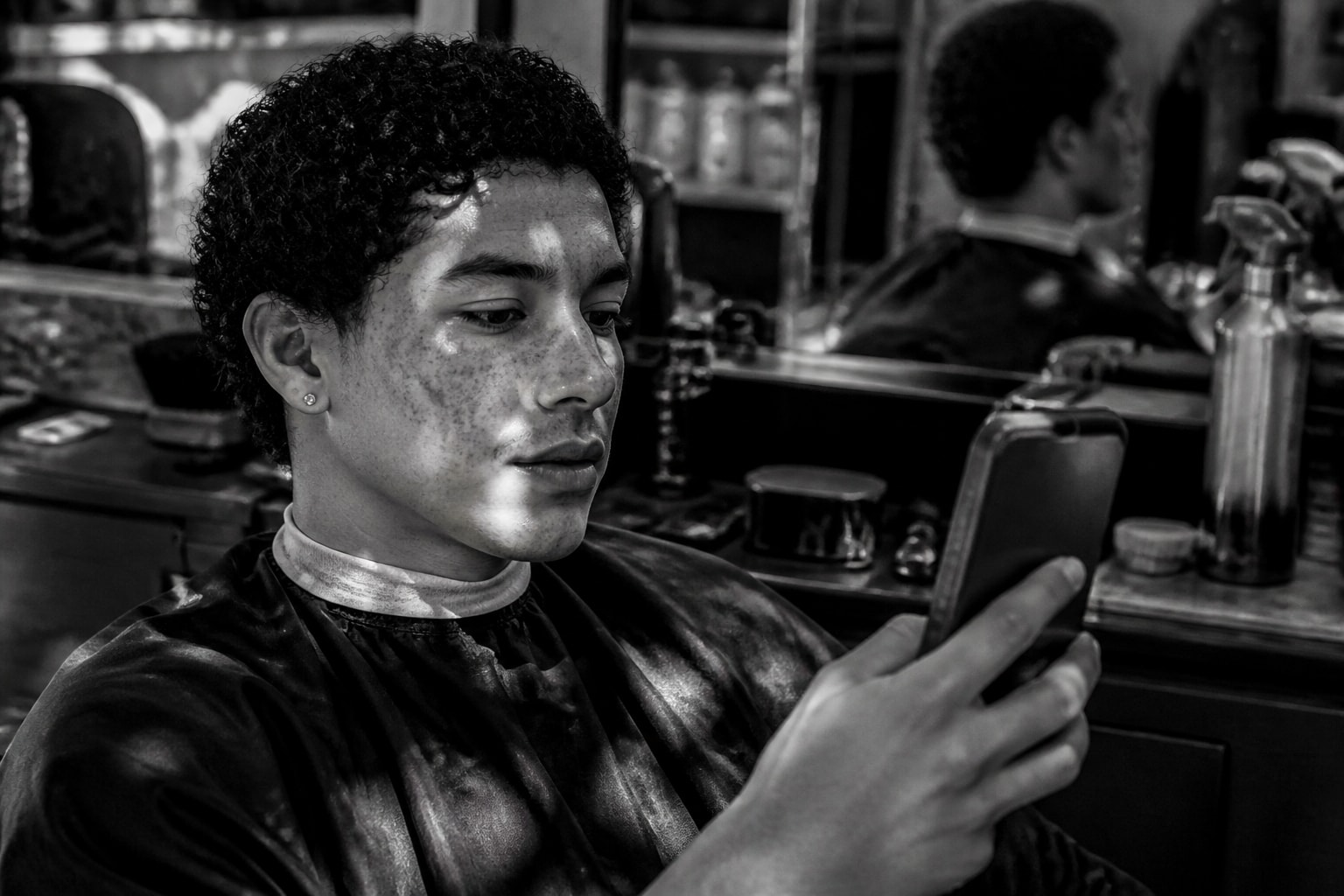
White balance tells the camera what should look neutral under the current light. Canon shows that automatic settings can make skin too warm or too cool. Adobe explains that temperature and tint shift blue-yellow and green-magenta balance.
That matters for blush because a peach shade can merge into warm skin under a yellow lamp. A cool pink may lose separation when processing pushes the whole face toward magenta. Mixed window and lamp light makes either result harder to predict.
Low contrast can hide subtle pigment
Blush visibility also depends on contrast with nearby skin. The peer-reviewed facial-contrast study didn't test blush. It found that cosmetics changed measurable feature-to-skin contrast around the eyes, brows, and mouth. This supports a visual principle, not a blush-specific cause.
Run a five-minute camera test
Make the test controlled enough to reveal one cause, though you don't need studio gear.
- Clean the lens and turn off beauty filters or portrait retouching.
- Stand in soft window light and switch off nearby lamps.
- Mark the phone position and where you stand.
- Take one photo before blush and one after your usual amount.
- Without moving, take a third photo with slightly lower exposure.
- Take one final shot with direct flash.
Compare the full images at the same screen brightness rather than judging from a tight crop.
If blush appears only in the lower-exposure image, bright highlights were hiding it. If it appears in window light but not flash, flat light or glare is the likely cause. If it changes between rooms, white balance or mixed lighting is involved. If it is also gone in the mirror, move on to a wear test.
Fix the failed variable
Change the cause your test found, since more pigment isn't the answer to every photo problem.
For flat light, face a large window and turn slightly so light crosses the cheeks. Soft, angled light keeps more shape than a phone flash aimed straight at you. If you control a separate flash, Nikon recommends bouncing it from a neutral surface for softer light.
For lost highlights, reduce exposure until the bright cheek still has color and detail. Don't raise saturation while testing because that changes every color and hides the original problem.
For white balance, use one main light source, such as daylight with a warm ceiling lamp switched off. If your camera allows it, lock white balance after the first test shot.
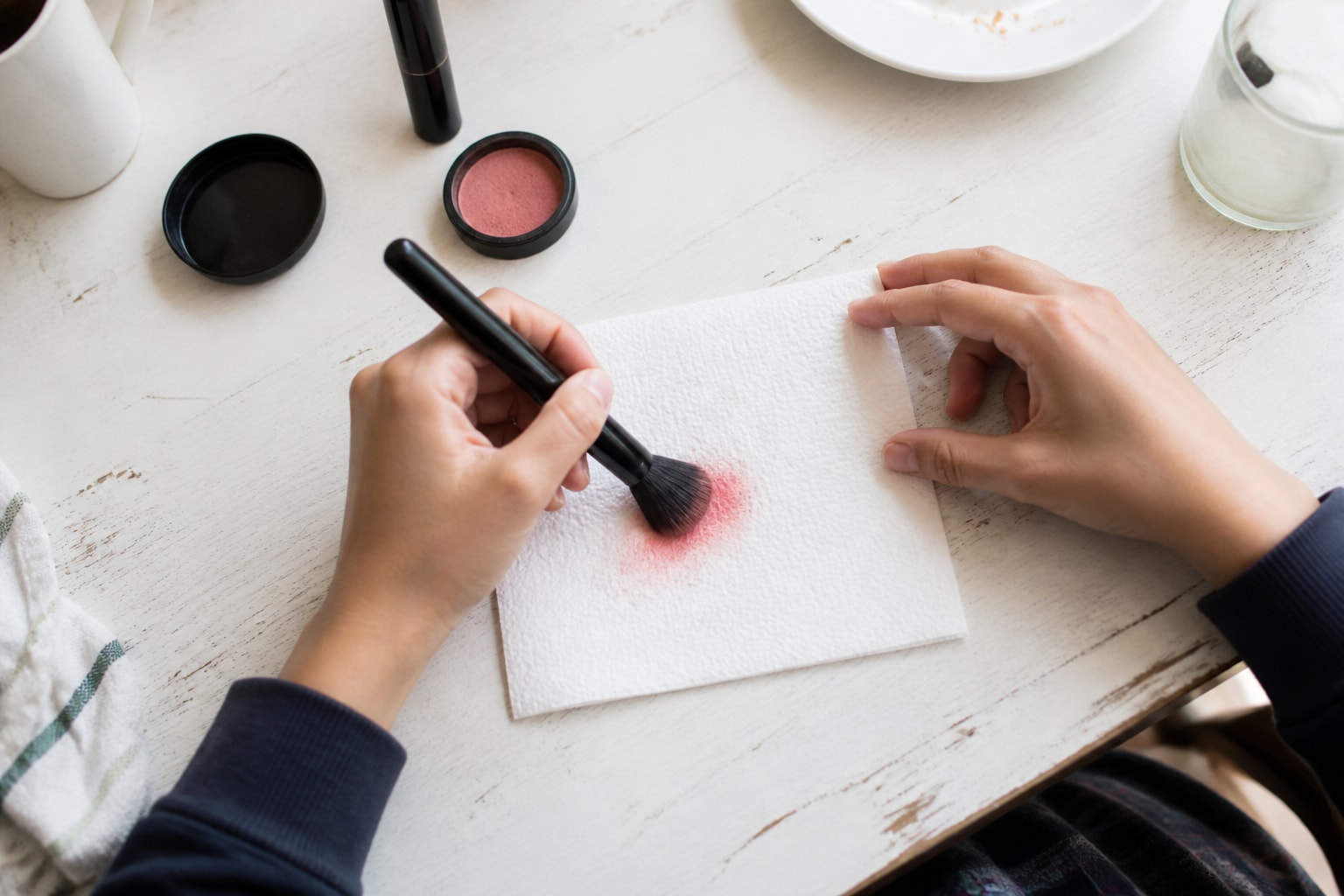
For low contrast, try a slightly deeper or more saturated version of the same color family. Apply a thin layer, take a test photo, and add a little only if needed. Check the mirror before leaving because makeup tuned for hard flash can look heavy in daylight.
Camera fixes apply only while the blush remains visible in the mirror. If it fades in both, the photo is showing wear.
For wear, photograph the blush just after application, then at two fixed times while keeping the lighting and camera position unchanged. On the next day, change one factor: the base, blush formula, or setting method. Changing all three won't tell you which one helped.
Build a repeatable photo setup
A repeatable setup tells you more than one flattering or unflattering picture. Use the same phone, lens, distance, light direction, exposure, filter settings, and a similar expression.
Save one reference image that shows skin color accurately in person, then use it to check later photos without chasing a perfect face.
Keep test shots on your device unless you have a clear reason to upload them.
This matters when you use photos to track skin or grooming changes, because a stable setup separates real changes from camera changes.
FAQ
Does flash wash out blush?
Direct flash can make subtle blush harder to see because it creates flat front lighting and may add glare on the upper cheek. Compare one flash photo with a no-flash photo before applying more product.
Should I use darker blush for photos?
Only after you rule out exposure and lighting. If the camera still mutes the color, test a slightly deeper or more saturated shade, building thin layers and checking in person.
Why does blush show in the mirror but not in a selfie?
A camera sets exposure and white balance for the scene, while a mirror doesn't. Those choices can compress a small color difference, so use one light source, disable beauty filters, and compare controlled shots.
How can I tell if my blush faded or the camera changed it?
Check a mirror and take a photo at the same time. Color in the mirror but not the photo points to image capture, while color missing from both points to wear.