Quick answer
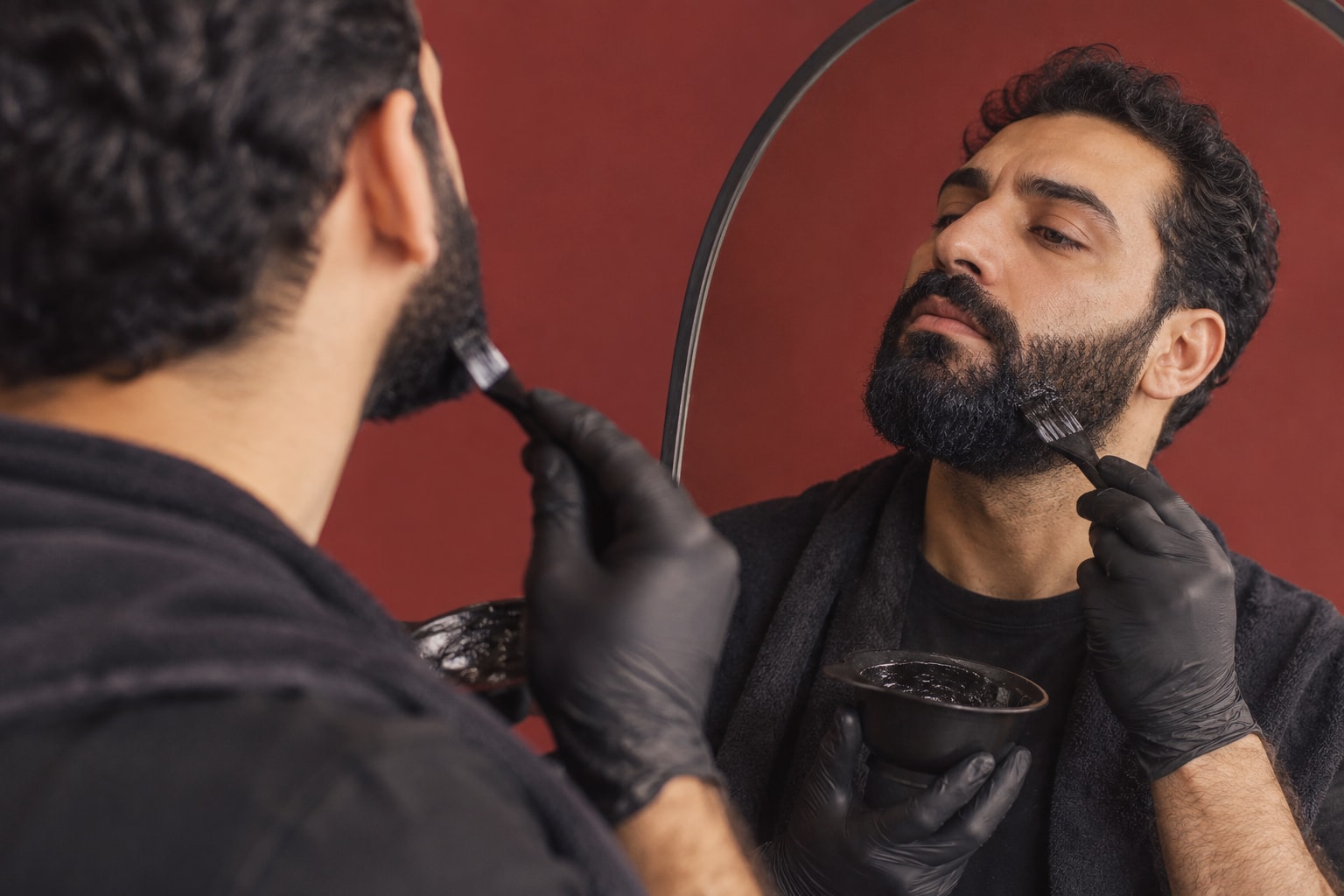
For beard wash vs face wash for dry skin, neither label wins automatically, and a gentle facial cleanser is often enough. Start with one hydrating, fragrance-free cleanser that reaches the skin beneath your beard.
Try a separate beard wash only if it leaves both your skin and beard more comfortable. The result matters more than the product category, scent or amount of foam.
The formula matters more than the front label
Dermatology guidance does not require a beard-branded cleanser. The American Academy of Dermatology tells you to choose a gentle cleanser for your skin type. For dry skin, it recommends a hydrating, fragrance-free product.
Both face washes and beard washes use surfactants to loosen oil and dirt so water can rinse them away. Those ingredients are useful, but some formulas remove too much surface oil or disturb the outer barrier, leaving dry skin tighter, flakier or irritated.
A 2022 review found that traditional soap can alter skin pH and barrier lipids more than synthetic detergent cleansers, known as syndets. DermNet also notes that syndets usually cause less dryness and irritation than soap.
That does not make every face wash mild or every beard wash harsh, since product names do not reveal the whole surfactant system. Fragrance, preservatives and botanical extracts can also irritate some skin.
Use the label as a filter, then let your skin decide.
A quick rule for choosing
Keep your facial cleanser if all four points are true:
- It says hydrating and fragrance-free.
- It is soap-free, or the label describes it as a gentle syndet cleanser.
- Your skin does not feel tight, hot or itchy after rinsing.
- You can massage it through the beard and rinse it out fully.
Consider a beard wash when your current face wash leaves the hairs rough, coated or hard to rinse, but apply the same standards. A beard picture on the bottle does not cancel out fragrance or a drying formula.
Do not use both cleansers back to back, because that makes the cause of any dryness harder to identify. One cleanser should clean both the hair and the skin beneath it.
Run a simple two-week comparison
A controlled comparison isn't a medical test, but it can show which cleanser your skin tolerates better than marketing claims can.
For days 1 to 7, use the face wash once at your normal evening wash. Keep everything else unchanged, including water temperature, moisturizer, shaving schedule and beard products.
Use the same technique each time:
- Wet your face and beard with lukewarm water.
- Work a small amount through the hair with your fingertips.
- Massage the skin gently instead of scrubbing the beard.
- Rinse thoroughly, then pat dry with a clean towel.
- Leave the skin slightly damp before moisturizing.
Track four simple outcomes: tightness ten minutes later, itch during the evening, visible flakes the next morning and roughness after the beard dries. Use a zero-to-three score for each. Zero means none, while three means strong enough to distract you.
For days 8 to 14, repeat the routine with the beard wash, keeping the amount and every other step the same. Stop a product early if it causes burning, swelling or a new rash.
The better cleanser gives you lower scores without leaving a greasy film or new breakouts. If the scores are tied, keep the cheaper single product because two bottles that do the same job offer no appearance benefit.
Read the result correctly
If the face wash wins, keep using it across your face and beard. You do not need a separate beard cleanser merely because the hair is longer.
If the beard wash wins, check what differs: it may be fragrance-free, creamier or easier to rinse through dense hair. You have learned which formula works, not that all beard washes beat face washes.
If both products fail, the bottle category is probably not the main issue. Hot water, vigorous scrubbing, frequent washing or another leave-on product may be contributing, so change one factor at a time.
If your skin feels comfortable but the hair feels coarse, adding another cleanser may make little sense. The AAD separates cleansing from conditioning and recommends a suitable moisturizer, beard conditioner or beard oil based on skin type.
Moisturize the skin, not just the hair
Cleansing removes debris, but it does not replace your moisturizing step. The AAD recommends applying moisturizer immediately after washing while the skin is still slightly damp.
Make sure the product reaches the skin beneath the beard. For normal to dry skin, the AAD lists beard oil as one option. For sensitive skin, it recommends a fragrance-free, non-comedogenic moisturizer. Acne-prone skin may do better with beard conditioner than oil.
Keep this product unchanged during your cleanser test, or you will not know whether the wash or moisturizer changed the result.
Dry flakes are not always simple dryness
Plain dry skin often feels tight and may look flaky without an oily residue. But an itchy rash, greasy patches or scale in the beard can point to seborrheic dermatitis. Cleveland Clinic notes that this condition can affect both the scalp and beard area.
A cleanser reaction is another possibility because DermNet lists fragrance and preservatives among ingredients that can trigger redness, itching, swelling or contact dermatitis. A new rash that follows one product is a reason to stop it, not to keep testing.
Ingrown hairs, folliculitis, eczema and psoriasis can also itch beneath a beard, and a photo or AI scan cannot diagnose the cause.
See a dermatologist if the problem persists despite a gentle routine. Get help sooner for pain, broken skin, acne-like bumps, hair loss, or a spot that grows, changes or bleeds.
FAQ
Can I use face wash on my beard every day?
Yes, if it is a gentle cleanser suited to your skin and rinses cleanly from the beard. The AAD recommends washing the face and beard daily, then moisturizing. Reduce unnecessary extra washes if your skin becomes tight or irritated.
Is beard wash the same as beard shampoo?
Both are sold as rinse-off cleansers for facial hair and the skin beneath it, but formulas vary by product. Compare the ingredient list, intended use and your skin response instead of assuming either matches scalp shampoo.
Will beard wash stop beard dandruff?
It may help if harsh cleansing caused simple dry flakes, but it will not confirm or treat every cause of scaling. Greasy scale, redness and persistent itch can fit seborrheic dermatitis, which may need a dermatologist's diagnosis and treatment plan.
Can I use body wash or bar soap on my beard?
They are poor defaults for dry facial skin. Traditional soap is alkaline and can disturb the skin barrier, while a body-wash label does not show that the formula suits dry facial skin. Choose a gentle, hydrating facial or beard cleanser instead.