Quick answer
Why does moisturizer clump in facial hair? One likely cause is product pilling, where an applied film rolls into flakes as you rub it.
Facial hair can hold the rolls, but no study has measured beard-specific pilling. Press or pat instead of rubbing, then test moisturizer without other leave-on layers; pre-existing itchy or greasy scale points away from pilling.
Work out what is clumping
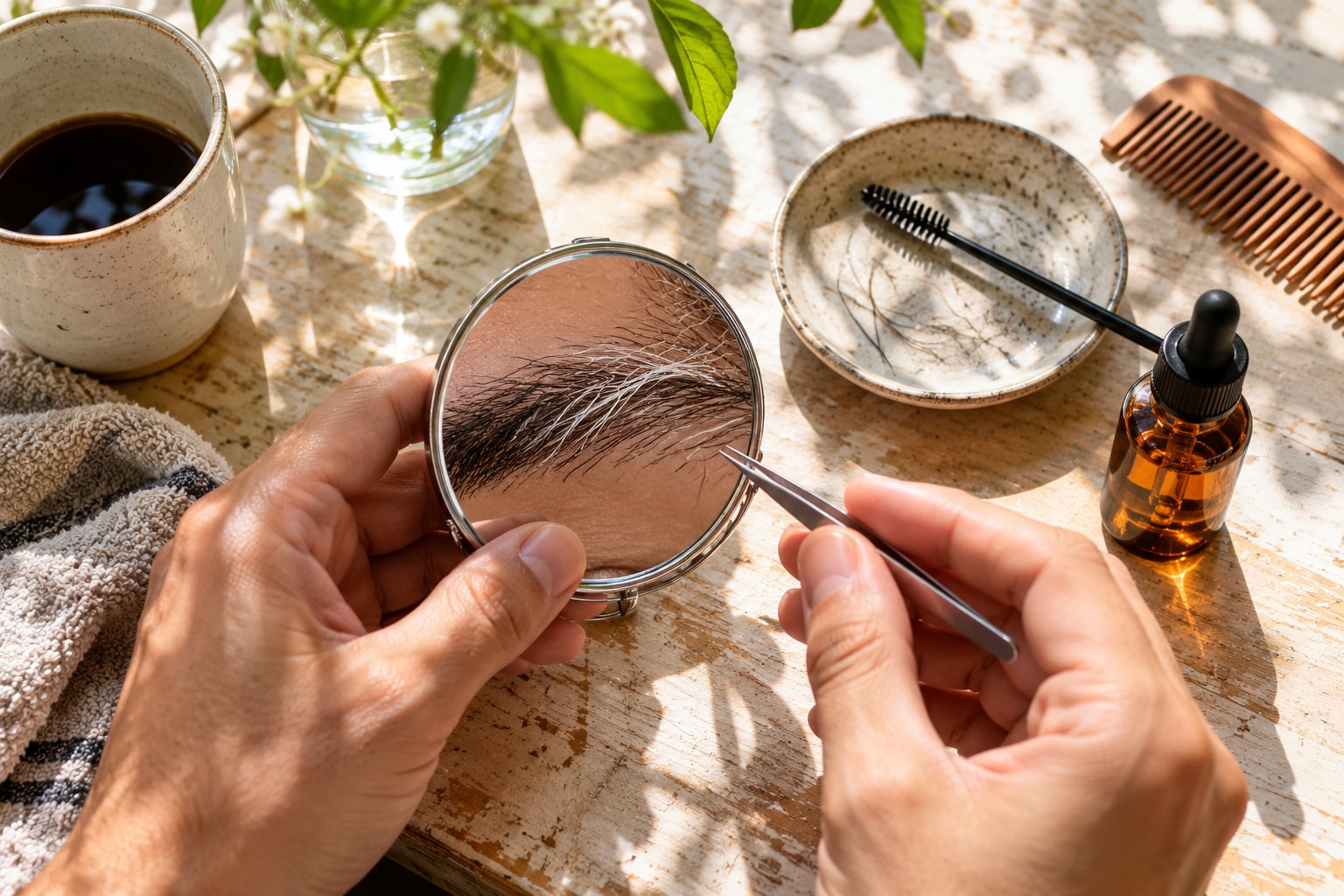
Start with the residue itself; you do not need a magnifying mirror or a new seven-step routine.
- Product pilling appears during or soon after application, forming soft rolls that follow your fingers, gather around hairs, and wash away with the product.
- Dry skin scale may be visible before moisturizer, while the skin can also feel tight, rough, or itchy.
- Beard dandruff can cause white or yellowish scale with an itchy rash, redness, or greasy patches beneath the beard.
- Poor rinsing can leave cleanser or shaving-product residue in the beard.
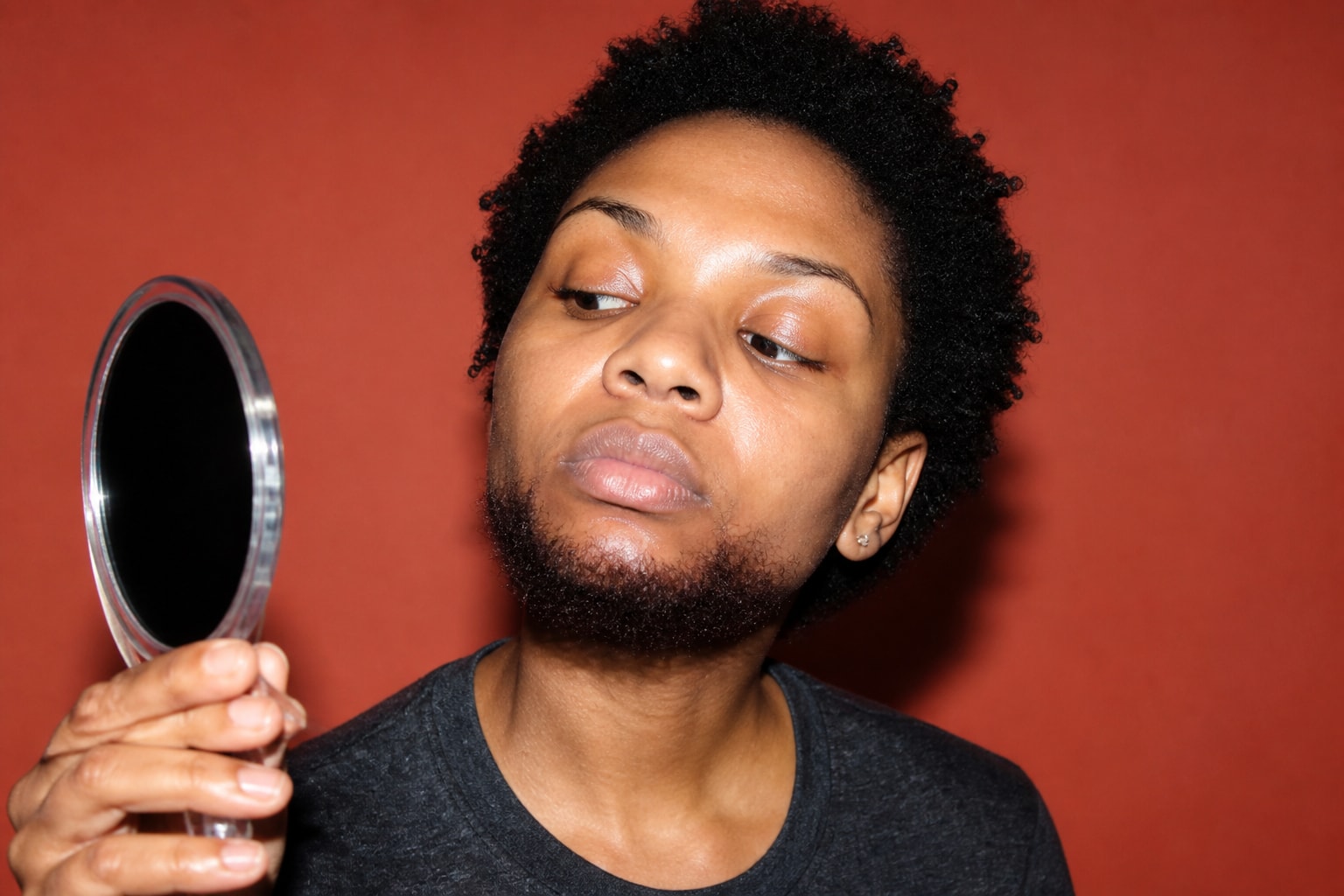
Do the check before buying anything: wash the area, rinse it well, and inspect your bare skin and beard in clear light. Then apply one product; if the clumps appear only after rubbing, pilling is the better working explanation.
This is a visual test, not a diagnosis; persistent scale, broken skin, pain, or acne-like bumps need a dermatologist's assessment.
What the pilling study actually found
A 2024 study, involving 528 women aged 20 to 49 in Guangzhou, China, provides direct evidence on skincare pilling. Researchers layered a base product, sunscreen, and foundation, then recorded visible pilling after each step.
Pilling occurred in 217 participants, or 41%, and most events followed sunscreen placed over a base product. That 41% is not a population estimate because every volunteer had reported pilling before enrolment. Also, 93.2% had Fitzpatrick skin type III.
Circular and straight rubbing motions produced more pilling events than the other application methods tested.
Skin condition also mattered: participants who pilled with both sunscreen and foundation had lower hydration and oiliness, a higher pH, and smoother measured texture.
The limits matter because the study included no men or facial hair, and it did not test moisturizer inside a beard. It also did not compare different product amounts or prove that one ingredient, such as silicone, causes pilling. Clarins funded the study, and two authors worked for the company, so treat it as early industry-backed evidence.
Applying those results to a beard is an inference. Friction can break up a product film, while facial hairs can collect the visible rolls. That explanation fits the timing, but no clinical trial has tested moisturizer clumping inside beards.
Run a one-product reset test
First establish a clean baseline. Keep your normal cleanser, moisturizer amount, and application method unchanged during this first test.
- Wash your face and beard as usual, rinse carefully, then pat with a clean towel and leave the skin slightly damp.
- Skip other leave-on layers for this test, but apply your normal moisturizer in your normal way.
- If it stays smooth, add your usual leave-on products back one per day in the same order.
This phase isolates the layer stack. It does not tell you which combination failed until you reintroduce each product.
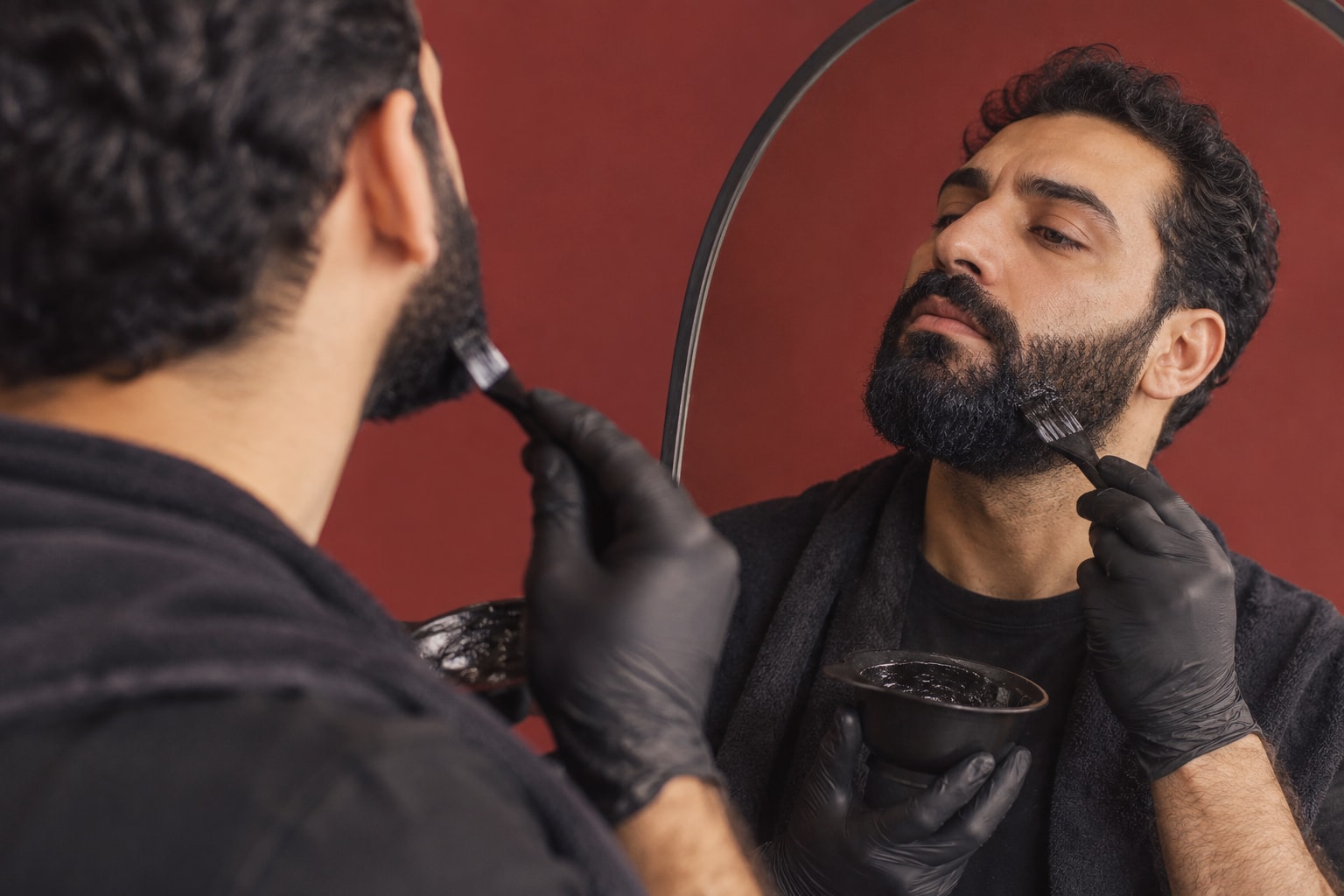
If moisturizer alone still clumps, test application method next. Keep the product, amount, cleanser, and other conditions unchanged. Press or pat it through the facial hair rather than using circular or straight rubbing. For a longer beard, the AAD advises using a clean beard comb to distribute moisturizer.
If that fails, compare formulas under the same conditions. Choose another moisturizer or beard conditioner suited to your skin type. Change nothing else during that comparison.
Amount comes last. The study used a fixed dose and did not compare quantities, so using less is a personal test rather than a proven rule.
Do not scrub the rolls away because aggressive rubbing can irritate beard-area skin without solving the product mismatch.
Match the product to your beard and skin
The American Academy of Dermatology advises moisturizing both the beard and the skin beneath it. Moisturizer helps soften skin and beard hair, and the AAD says to apply it right after washing.
Beard length changes the practical choice, and the AAD recommends a moisturizer suited to your skin type for stubble. With a grown beard, its guidance favors beard conditioner for acne-prone skin, beard oil for normal-to-dry skin, and fragrance-free non-comedogenic moisturizer for sensitive skin.
Those are starting points, not guarantees against clumping, so use beard oil sparingly to avoid a greasy look. If your current cream catches on hair, compare a different texture under the same conditions rather than assuming it will work.
Avoid chasing ingredient myths because the pilling study tested finished product combinations, not isolated ingredients. Two formulas that both contain silicone can behave differently because the full formula, amount, layers, and rubbing all change the result.
When the flakes are coming from your skin
Product pilling should stop when the product is gone, while scale from the skin may remain or return without application.
Seborrhoeic dermatitis commonly affects oil-rich parts of the face, including the beard, eyebrows, and folds beside the nose. DermNet describes ill-defined scale and pink or red patches. The AAD also flags itchy rash, greasy patches, and beard flakes as signs that may fit beard dandruff.
Do not keep adding heavier moisturizer to test that theory. AAD guidance includes dandruff shampoo and short-term treatments for beard dandruff, but the right choice depends on the rash. See a dermatologist if it persists, hurts, cracks, or develops acne-like bumps.
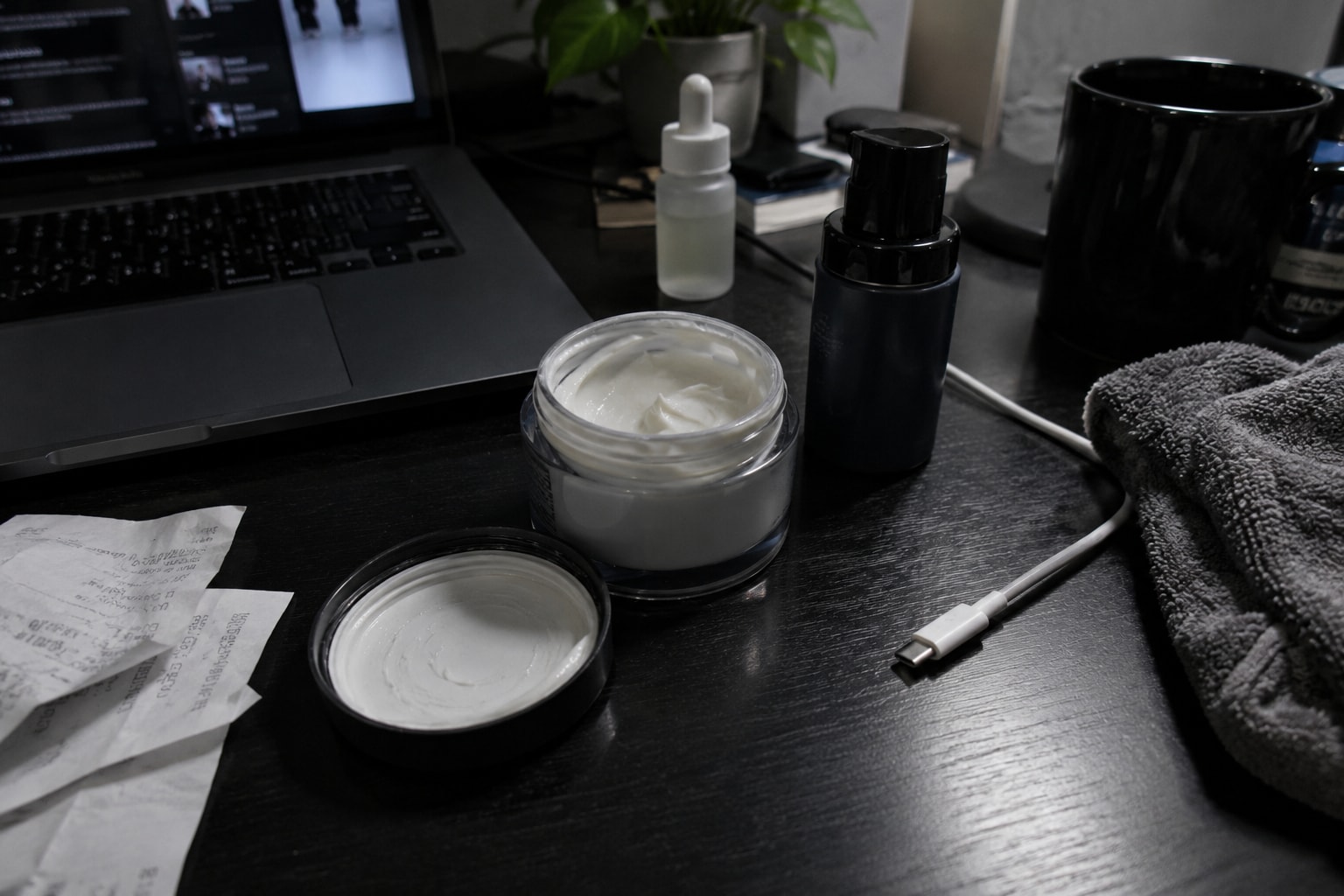
Keep progress photos clean and comparable
Residue can mimic visible texture in a close photo. Remove the clumps before judging whether your skin looks smoother, drier, or more uneven.
For a LooksMax Scan check, use a clear, front-facing image with even light. Keep the same camera distance and lighting for later comparisons. The scan surfaces visible signals; it is not a medical diagnosis.
FAQ
Is white residue in a beard always dandruff?
No. Product pilling appears during application and leaves when you wash the product away. Beard dandruff tends to recur and may come with itch, redness, greasy skin, or scale that was present before moisturizing.
Should I replace face moisturizer with beard oil?
Not automatically. AAD guidance suggests beard oil for normal-to-dry skin under a grown beard, but beard conditioner may suit acne-prone skin better. Sensitive skin may do better with a fragrance-free, non-comedogenic moisturizer. Use any oil sparingly.
Do silicones make moisturizer pill in facial hair?
You cannot tell from the word “silicone” on an ingredient list. The main clinical study did not isolate individual ingredients. Test the finished formula, the amount, your other layers, and how much you rub.
How long should I wait between skincare layers?
The 2024 pilling study did not establish a universal waiting time. Test a longer interval while holding the amount and application method constant. If one product pills on clean skin, the gap between layers is not the main variable.