Quick answer
Beard dye too dark? How to fix it depends on whether the color is in the hair or on the skin beneath it. Non-permanent dye can fade with normal washing, while permanent dye sits deeper and won't simply shampoo away.
Don't cover it with a lighter dye or strip it with bleach, peroxide, lemon, baking soda, or dish soap. If you need a fast correction, trimming or a professional colorist is safer than another chemical experiment on facial skin.
Check the hair and skin separately
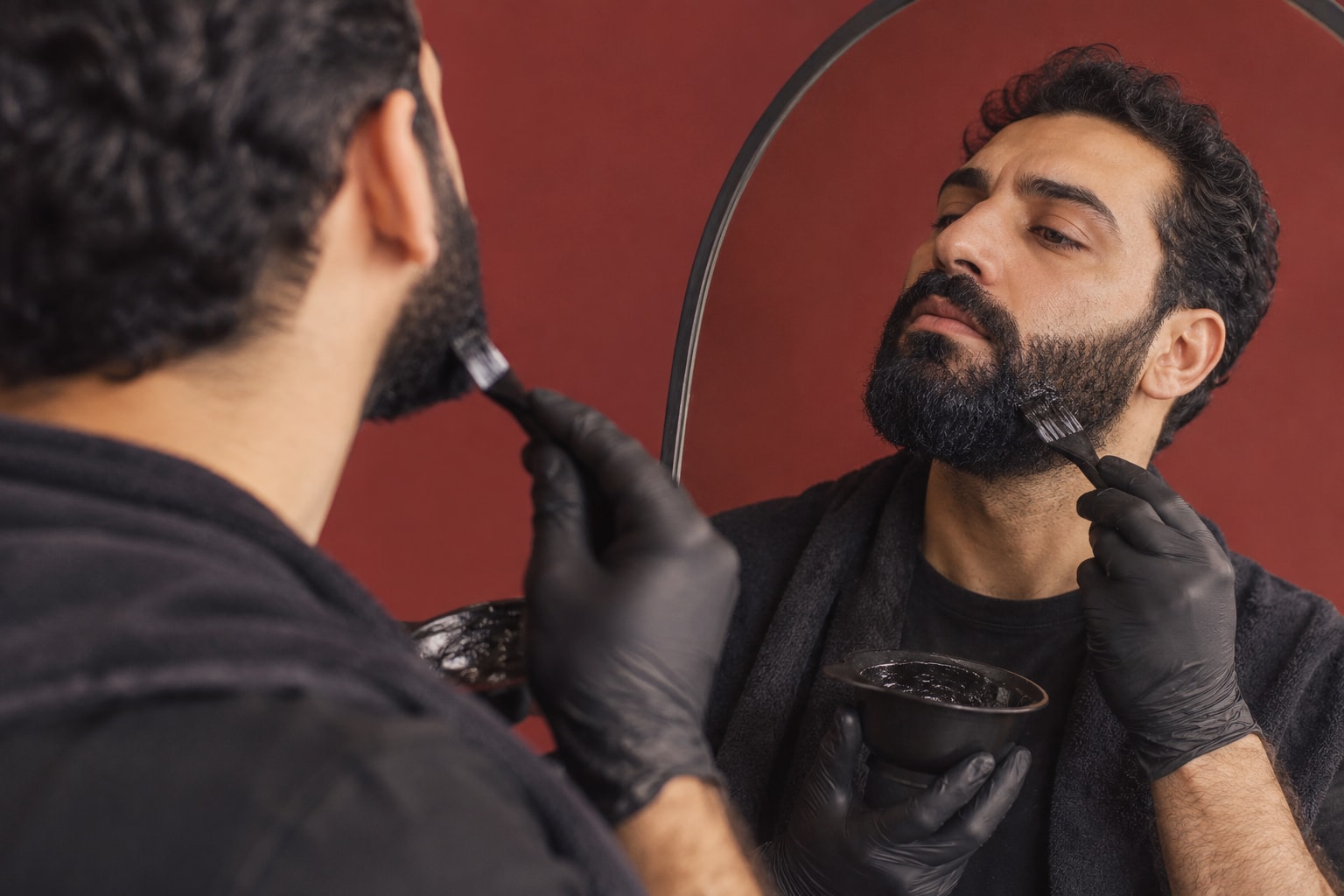
Fresh dye can create two dark layers: colored beard hair and stained skin. Together, they can make a reasonable shade look painted on.
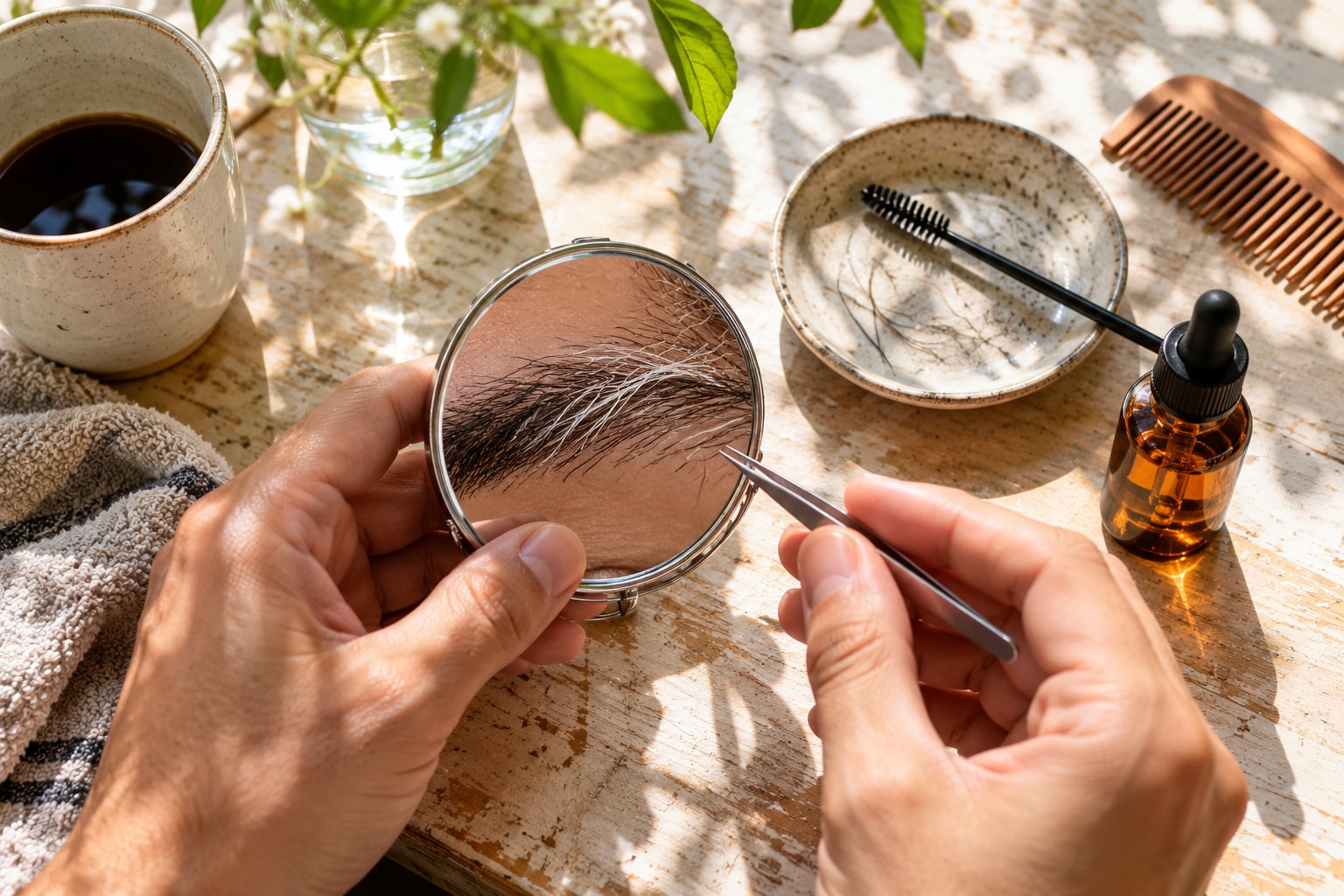
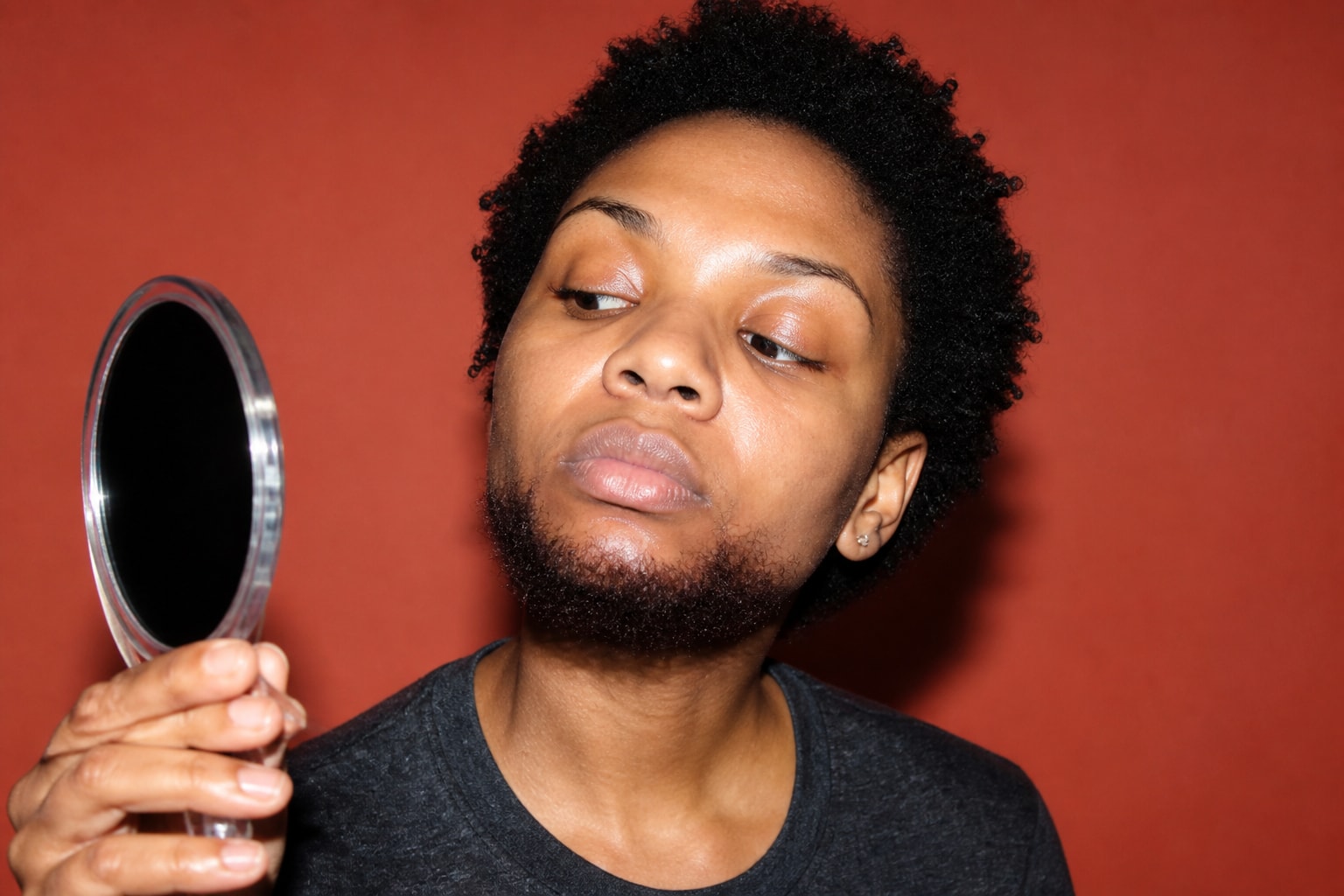
Let the beard dry, then part the hair with a clean comb and check the skin in indirect daylight. Use a mirror and the same light each time instead of judging one phone photo.
If the hair looks acceptable but the skin is stained, don't treat the whole beard again. Rinse well and use a mild facial cleanser once. Avoid hard scrubbing, alcohol, and stain removers that aren't labeled for facial skin.
Burning, itching, swelling, soreness, or blisters can mean irritation or allergy, not a harmless color stain.
Find out which dye you used
Check whether the box says temporary, semi-permanent, demi-permanent, or permanent, and note any separate developer or activator. Your options change with the chemistry.
Temporary color stays mainly on the outside of the hair shaft. Semi-permanent color coats the cuticle and may enter it to some degree, but still tends to fade with washing.
Permanent dye works differently: smaller dye molecules enter the hair and react with a developer, forming larger color molecules inside the shaft. It's designed to remain, while non-permanent color fades across repeated washes.
Washing can reduce surface color, but it can't undo a permanent chemical reaction inside the hair.
Choose the least aggressive correction
If the skin is dark but the beard hair is right
Use gentle cleansing and time instead of chasing the stain with repeated scrubbing. Facial skin is easier to irritate than a hair shaft, and a raw beard line will draw more attention than a temporary stain.
Stop if the area stings, swells, or blisters. A rash may look red on white skin. On brown or black skin, it may look darker brown, purple, grey, or be harder to see.
If a temporary or semi-permanent dye is too dark
Return to your normal, mild beard-washing routine. Each wash may remove some pigment, so assess the dry result before washing again. Several washes in one session can leave the skin tight and sore.
Don't replace that routine with repeated hot washes or a strong scalp clarifying shampoo. The beard sits close to your mouth, nose, and eyes, so irritation is a worse outcome.
If you have an event soon, ask a barber or colorist who works with facial hair. Bring the packaging or a photo of its ingredient list. They need to know whether you used a developer before choosing a correction.
If a demi-permanent dye is too dark
Demi-permanent color uses a developer, so don't treat it like a simple surface stain. Normal washing may soften the shade, but demi-permanent color is made to last longer than direct semi-permanent dye.
Give it time, trim the colored length gradually, or ask a facial-hair colorist for help. Don't stack a lighter dye over it.
If permanent beard dye is too dark
You can let it grow, trim away some dyed length, or book a professional correction. A shorter trim often reduces the visual block of one solid shade without removing the whole beard.
A lighter box dye won't pull out the dark pigment because color doesn't lift existing color. Another application can deepen the result and expose your skin again.
Professional color removal also uses chemicals, so ask whether the service and product are intended for facial hair. A scalp formula isn't automatically suitable near your lips and eyes.
Skip the viral stripping recipes
Search results often suggest baking soda paste, lemon juice, household peroxide, dish soap, or repeated hot clarifying washes. These methods are poorly controlled and may combine abrasion, high pH, acid, or oxidizers near the mouth and eyes.
Don't mix hair-dye products because the US Food and Drug Administration warns that mixtures can hurt hair and scalp. It also says never to leave dye on longer than its directions allow.
Bleach isn't a neutral reset because it changes natural pigment and can damage the shaft while irritating skin. If a correction needs bleach or a commercial color remover, that's a job for a qualified professional.
Make sure this isn't a dye reaction
Hair-dye reactions can appear up to 72 hours after use. The NHS lists burning, stinging, itching, dryness, tightness, soreness, and blisters among the common signs. Many permanent dyes and some semi-permanent dyes contain para-phenylenediamine, known as PPD.
If symptoms start, stop using the product. Rinse the beard and skin thoroughly, then wash the beard with mild shampoo while keeping it out of your eyes and mouth. A pharmacist can advise on a mild reaction. See a doctor if symptoms persist or worsen.
Call emergency services for sudden swelling of the lips, mouth, tongue, or throat, or for trouble breathing or swallowing.
Get a more natural result next time
Do the packet's skin test before every use, as the FDA advises. Don't apply the dye if that test causes a rash. Then check the finished shade on a strand before the full application.
If the strand test looks too dark, choose a lighter shade in a product labeled for facial hair. Follow the stated processing time, and never leave dye on longer than directed. Shade choice is easier to control than improvised chemistry.
Keep dye off the skin as much as the instructions allow. Apply it exactly as the label directs, and wipe accidental marks promptly. Never use beard or scalp dye on your eyebrows or eyelashes.
Record the brand, shade, application time, and result in indirect daylight, giving you a repeatable baseline beyond bathroom lighting or memory.
FAQ
Will washing make dark beard dye lighter?
It can fade temporary and semi-permanent dye, but the pace depends on the formula and your hair. Permanent color may soften, but it won't wash out completely like temporary color. The dyed section must grow out, be trimmed, or be professionally corrected.
Can I put lighter beard dye over darker dye?
No, a lighter dye doesn't reliably remove dark artificial pigment. Another application can add color and raise the risk of irritation, so ask a professional before correcting permanent dye.
How long will beard dye look too dark?
There's no honest single timeline. A skin stain, temporary dye, semi-permanent dye, demi-permanent dye, and permanent dye all behave differently. Check the product type first, then judge changes after normal washes under the same light.
Do I need to shave my beard?
Usually not, because you can let the shade fade, trim the dyed length gradually, or seek professional correction. Shaving removes dyed hair, but it doesn't treat an allergic reaction in the skin.