Quick answer
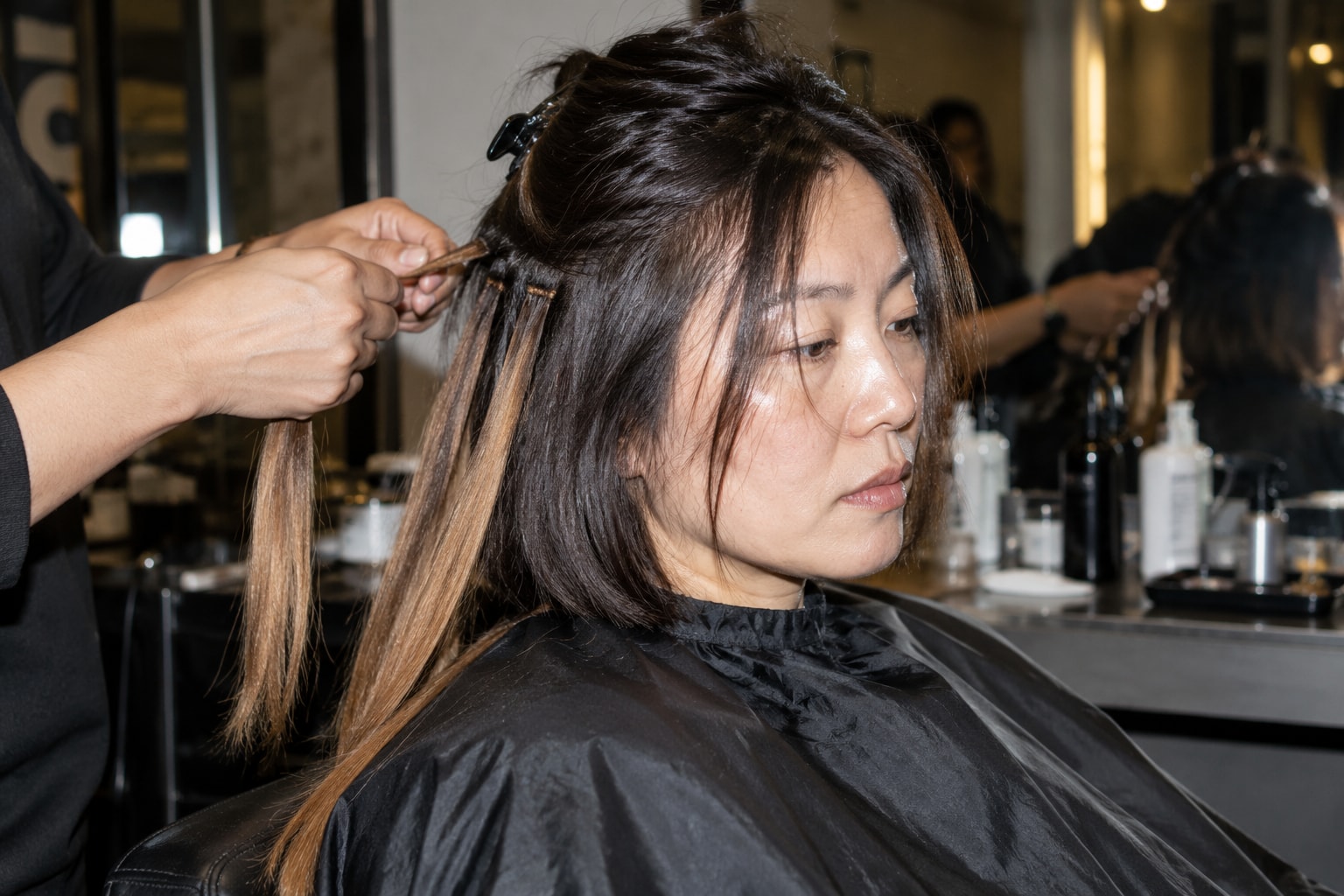
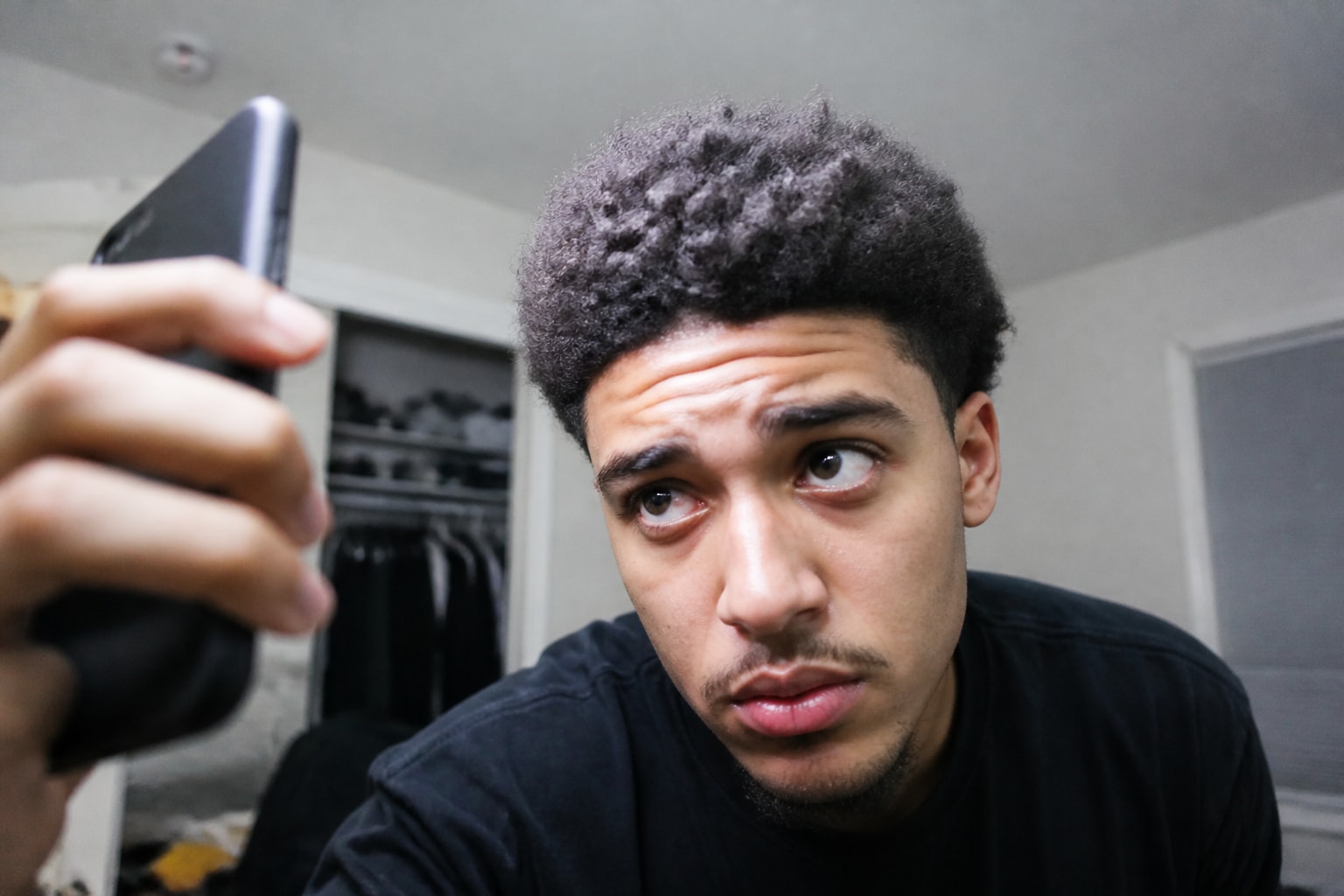
The answer to "why does black hair turn brown in sunlight?" usually starts with lighting. Direct sun often reveals warm brown tones already present, so it doesn't mean your hair changed color in seconds. A shade that remains brown in indirect daylight, especially near older ends, may reflect gradual UV photobleaching.
Both effects can happen together, so the useful clue is whether the brown tone disappears when the light changes.
Sunlight can reveal brown without bleaching your hair
Black and brown hair get most of their color from eumelanin. MedlinePlus explains that a large amount produces black hair, while a moderate amount produces brown hair. Natural hair color sits on a spectrum rather than in two sealed categories.
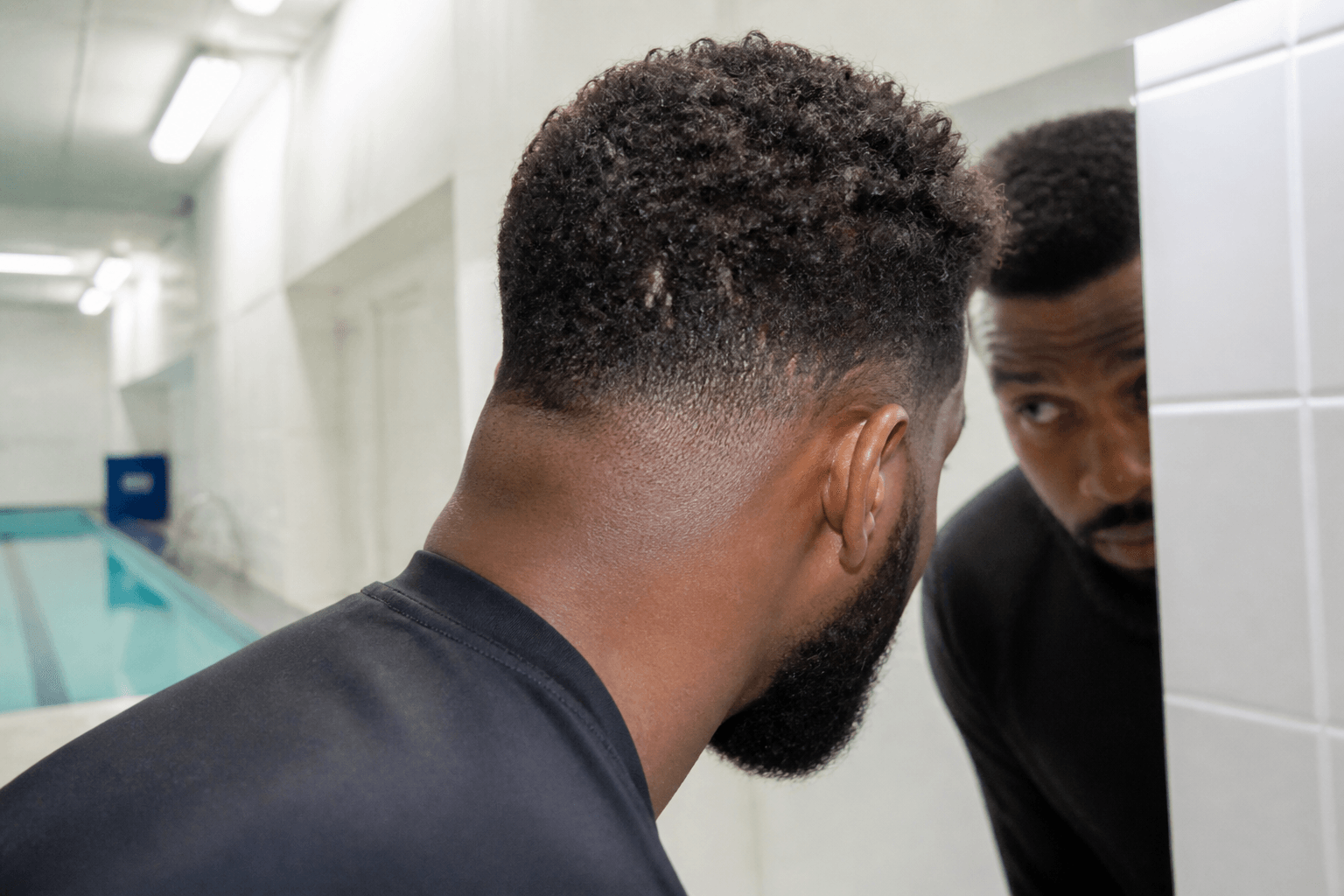
Light changes how you see that pigment because dark hair absorbs much of the visible light that reaches it. Its curved fibers still scatter and reflect some light. Direct sun provides far more illumination than a typical room, making warm tones visible where indoor light reads the same strands as black.
A 2018 review found that hair's absorption and scattering vary with melanin type, pigment concentration and light wavelength. The reviewed measurements weren't selfies or mirror checks, but they confirm that pigment and lighting jointly shape what you see.
This immediate brown shine is an optical effect. If your hair looks black again in shade, the sunlight didn't remove pigment during that brief check.
UV exposure can slowly lighten the strand
Sunlight also contains ultraviolet radiation, which can alter hair over time. This gradual fading is called photobleaching, and it differs from the instant color shift caused by brighter illumination.
Nogueira and Joekes exposed virgin black, dark-brown, blond and red hair to lamps and natural sunlight. Every hair type showed measurable color change and increased protein loss after irradiation. The color change was greater in lighter hair, but dark hair wasn't unaffected.
Their results also separated two parts of the damage. UVB caused about two to five times more protein loss than UVA plus visible light, depending on hair type. UVA was the main contributor to the measured color shifts. A dermatology review reached the same practical distinction: sunlight can degrade both hair pigment and hair protein.
Photobleaching remains after you leave the sun and often shows most on older lengths, since fresh roots have had less time outdoors.
Hair receives pigment while it grows inside the follicle, but that section can't make new melanin after emerging. Conditioner may make a rough strand look smoother, but it won't rebuild pigment lost from that length.
Use this two-light check
You can separate a lighting effect from lasting fade without buying anything.
- Wash and dry your hair as usual, skipping colored sprays, heavy oils and high-shine styling products for this check.
- Look at the roots, middle and ends near a window in bright indirect daylight, but outside the direct beam.
- Check the same section briefly in direct sun while keeping your position and parting unchanged.
Read the result by pattern:
- If the whole section looks brown only in direct sun, lighting is the likely explanation.
- If the ends remain lighter in indirect daylight, accumulated weathering or photobleaching is more plausible.
- If new roots and old ends match in indirect light, there may be no lasting color change at all.
Don't compare a bathroom mirror with a midday phone photo because the light, distance and angle all changed. For tracking, photograph the same section monthly in the same indirect daylight, at the same distance, with filters off.
Does the brown tint mean your hair is damaged?
Not when it appears only under bright light, since that view says more about illumination and pigment than hair health.
A persistent fade can accompany shaft weathering, but color alone can't measure its severity. Sun-exposed hair may become drier, stiffer or more brittle. Roughness, extra tangling, split ends and breakage provide more useful clues than shade alone.
The 2004 irradiation study found protein loss even when it didn't detect clear changes in mechanical properties or surface shape. In other words, a warmer tone doesn't prove severe damage and shouldn't be treated as a health score.
How to limit lasting sun fade
A hat and shade are dependable low-risk options that reduce radiation reaching both the hair and exposed scalp. A wide-brimmed or UPF-labeled hat gives more coverage than a narrow cap.
Apply broad-spectrum, water-resistant SPF 30 or higher to exposed skin, including a visible part or thinning area. The American Academy of Dermatology recommends sunscreen, shade and protective clothing because hair density isn't a substitute for scalp protection.
Keep the rest simple:
- Use a conditioner that suits your hair after washing, especially if the ends feel rough.
- Reduce extra heat and harsh chemical processing when the shaft already feels brittle.
- Don't use long sun sessions to chase an even brown tone. They add more UV exposure instead of restoring pigment.
If you want the faded length darker, ask a qualified colorist about options that don't require more lightening.
See a dermatologist if the color change comes with sudden shedding, bald patches, scalp pain, scaling or marked breakage. Those signs need a hair and scalp assessment. Sunlight optics can't explain them.
FAQ
Is naturally black hair actually dark brown?
Black and brown hair both rely mainly on eumelanin, with the amount and distribution shaping the visible shade. Hair classed as black can still show brown warmth under intense light. It doesn't need to resemble black dye in every setting to be naturally black.
Can sunlight permanently turn black hair brown?
Repeated UV exposure can leave the exposed shaft lighter for its remaining life because it degrades melanin. It doesn't mean sunlight has permanently changed the color produced by every new hair.
Why are my ends browner than my roots?
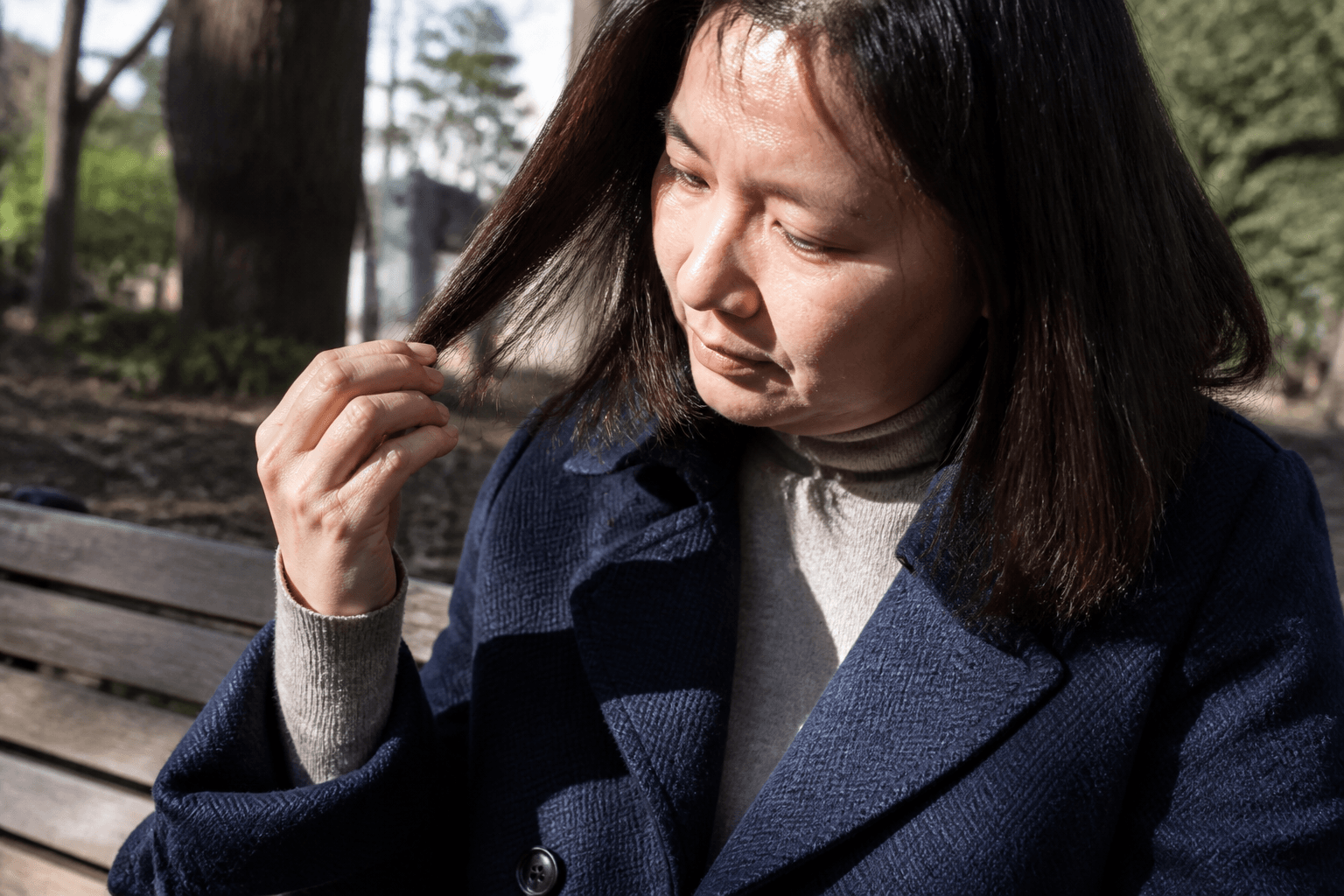
Ends are older and have usually collected more sun, washing, friction and styling exposure, so a root-to-end gradient fits ordinary weathering. Compare it in indirect daylight before blaming UV, since direct sun can warm the whole head visually.
Can shampoo or hair oil restore black pigment?
No shampoo or oil can restore melanin to an emerged shaft, though some products temporarily smooth or deepen its appearance. Lasting color correction needs added cosmetic pigment, or you can let the lighter section grow out.