Quick answer
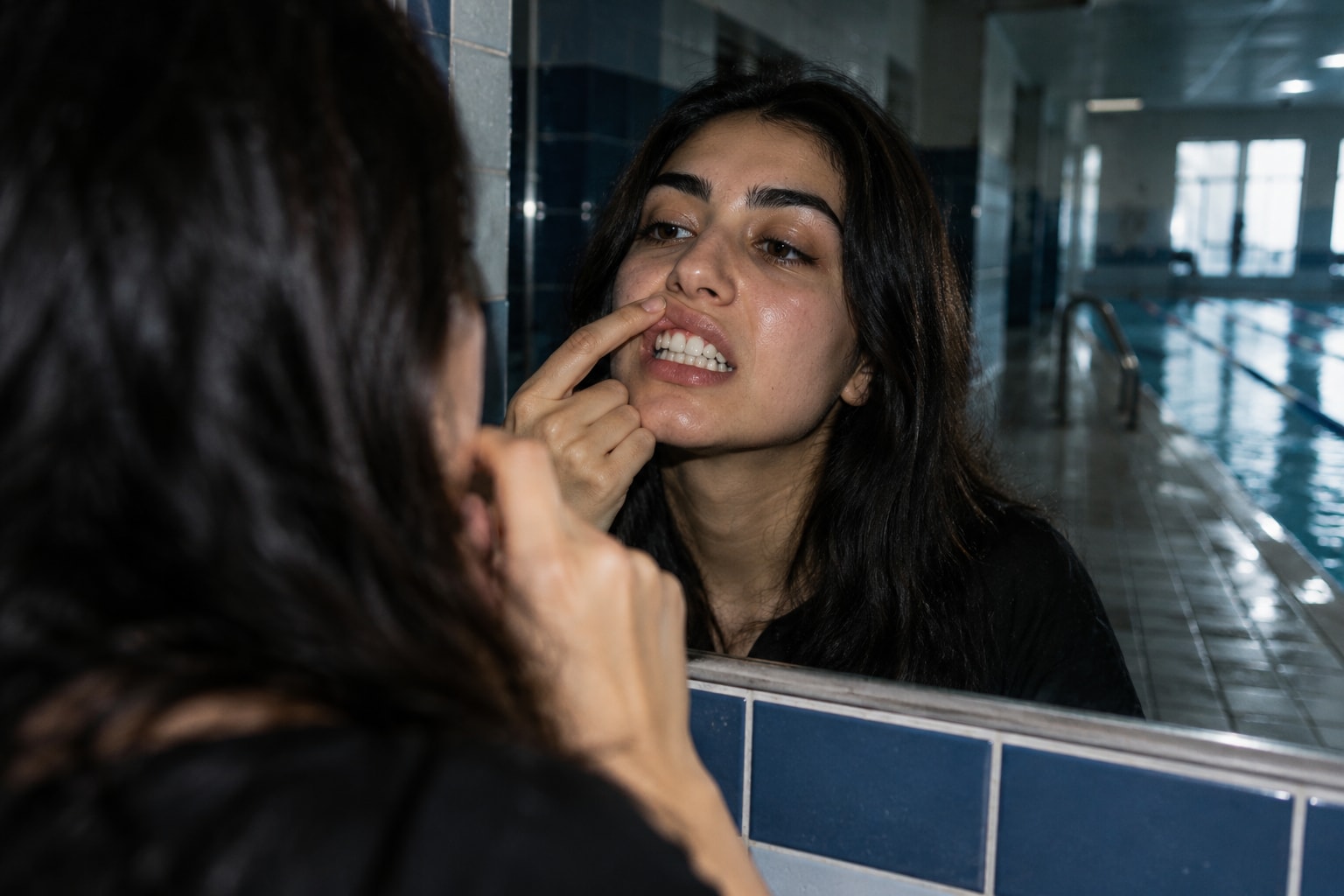
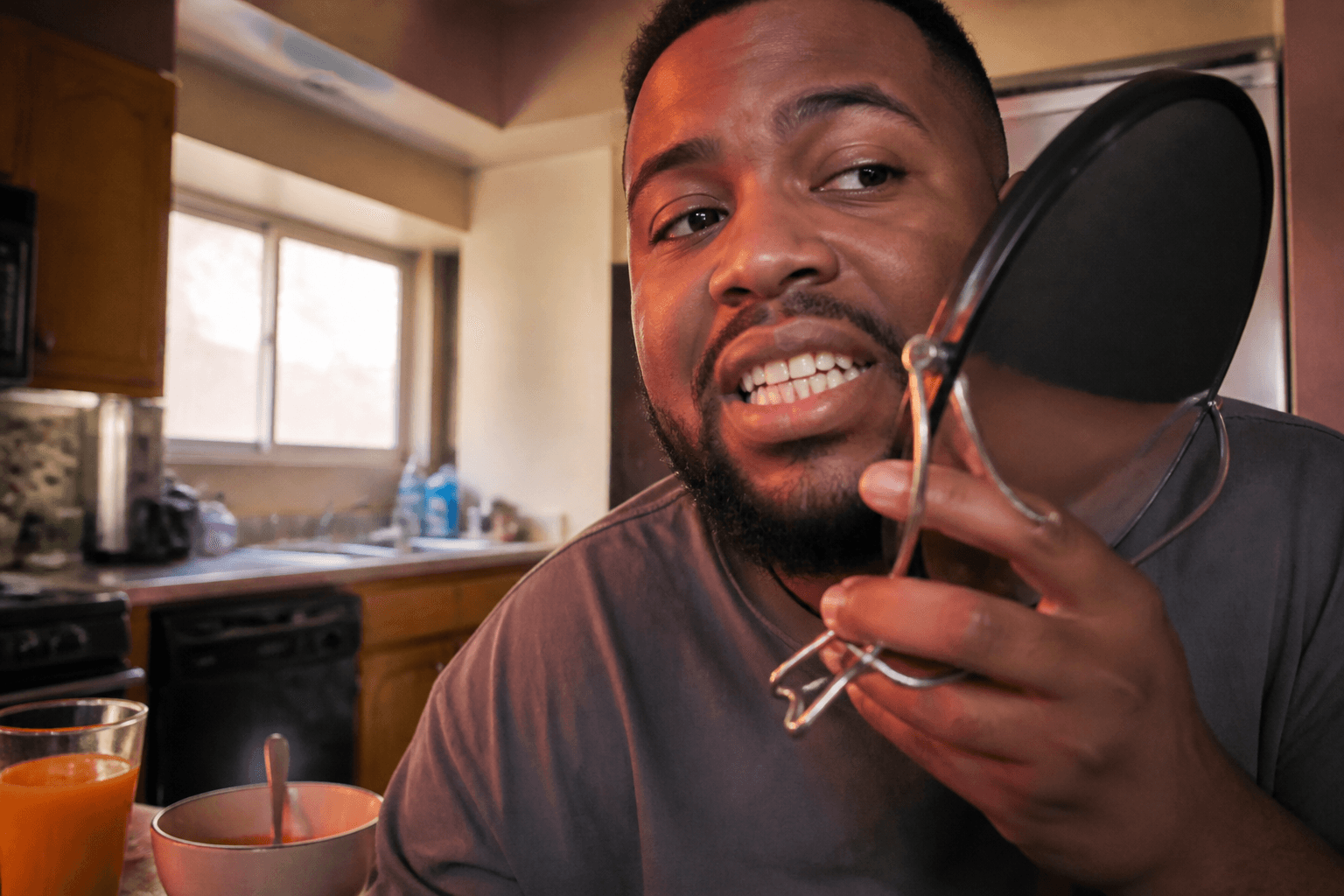
If your upper teeth don't show when smiling, your upper lip may cover more of them or lift less. The front teeth may also sit higher, tilt differently, or have shorter visible crowns. A low smile line is often a normal facial variation, not proof that your jaw is defective.
Check a short video before judging one photo. Tooth display changes between speech, a posed smile, and a genuine laugh. If the pattern bothers you, a dentist or orthodontist can identify the cause before you consider treatment.
Low tooth display isn't one diagnosis
Dentists describe this pattern as a low lip line or reduced upper-incisor display. It is not rare. One survey cited by orthodontist Roy Sabri classified 20% of 454 young dental students as having a low smile line.
That figure isn't a target for your face. The sample was limited to dental and dental-hygiene students aged 20 to 30 in Los Angeles. It simply shows that healthy smiles vary.
The same person can also show different amounts of tooth from moment to moment. Van der Geld and colleagues filmed 122 men during posed and spontaneous smiles. The upper lip rose higher in spontaneous smiles, while posed smiles showed less tooth and a narrower mouth.
This matters if your concern began with a selfie. A camera can freeze the instant before your lip reaches its highest point. A forced photo smile may also be smaller than the smile people see in conversation.
Why upper teeth don't show when smiling
Several features work together. You cannot separate them reliably from a close selfie.
Your upper lip covers more tooth
A longer upper lip can cover more of the upper incisors when your face is relaxed. In a 2018 study, upper-lip length was the strongest predictor of upper-incisor display at rest. Lip thickness and lower facial dimensions also contributed.
That study assessed display at rest, not every kind of smile. Lip length alone does not tell you how high the lip will move when you laugh.
Your upper lip lifts less
Lip movement varies widely. Sabri's clinical review reports a range of about 2 to 12 millimeters from rest to full smile. Someone near the lower end can have healthy teeth and still show little of them.
A posed smile may hide this difference. Watch normal conversation and a genuine smile instead of repeatedly forcing the widest grin you can make.
The visible crowns are short
Front teeth may be naturally small, partly covered by gum, or shortened by wear. These situations can look similar in a photo, but they need different decisions.
Check older photos for a slow change in the tooth edges. Flattening, chips, or new sensitivity make a dental exam more useful than a cosmetic consultation. Do not file your teeth or cut gum tissue yourself.
Tooth position and bite change the view
The vertical position and tilt of the upper incisors affect how they meet the lip. Jaw height and the angle of the bite can matter too. These relationships cannot be read from face shape alone.
This is why online labels such as “recessed maxilla” are not a diagnosis. An orthodontist examines your teeth, jaws, and bite. They may also use photographs, X-rays, impressions, or digital scans when those records are needed.
Age can reduce upper-tooth display
Upper-incisor display tends to decrease with age, especially at rest and during speech. Lower-tooth display often increases at the same time. Drummond and Capelli observed this pattern across 265 adults aged 19 to 60.
Age is a gradual influence. It does not explain a sudden change in your smile or a newly damaged tooth.
Run a fair three-minute check
Use video because a smile is movement, not a single pose.
- Place your phone at eye level and step back from the close-selfie distance. Use the same plain lighting for each clip.
- Record ten seconds of normal speech. Then make your usual photo smile and finish with a genuine laugh.
- Keep your head level. Turn off beauty filters and do not stretch your lips to expose more tooth.
- Review the middle of each movement, not the least flattering frame.
Now compare the patterns. If your teeth appear during a laugh but not a posed smile, expression and timing explain part of the difference. If display stays low at rest, in speech, and while laughing, stable lip or dental anatomy is more likely.
Do not measure millimeters from an unscaled selfie. The clip has no clinical scale, so it cannot diagnose your lip movement or bite.
What can actually help
Nothing needs treatment simply because your smile has a low lip line. If your teeth are healthy, your bite works, and the pattern is stable, leaving it alone is a sound option.
If you want an assessment, start with the feature that may be responsible:
- See a dentist when teeth look worn, chipped, sensitive, unusually short, or partly covered by inflamed gum.
- See an orthodontist when the front teeth seem high, tilted, crowded, or paired with a bite problem.
- Ask for an explanation that covers lip movement, tooth display at rest, tooth position, and bite. A treatment should match the cause.
Do not choose veneers, fillers, jaw surgery, or injections from a selfie diagnosis. Whitening can change tooth colour, but it cannot uncover a tooth hidden by the lip. Restorative work only makes sense when tooth size or wear is part of the problem.
A “lip flip” is not a universal fix either. Cleveland Clinic explains that it uses botulinum toxin to relax muscles around the upper lip. Too much relaxation can cause drooling or trouble drinking and speaking until the effect wears off. Discuss any injection only with a qualified healthcare professional who has assessed your smile in motion.
Avoid DIY orthodontic elastics, jaw manipulation, or attempts to reshape bone. Ask an orthodontist about any proposed tooth or jaw movement.
When an appointment is worth it
Book a dental or orthodontic exam if the change is new, your teeth are wearing down, or your bite feels different. Pain, sensitivity, chipping, trouble chewing, and speech changes also deserve an assessment.
Bring a short speech-and-smile video and a few older photos. They show the clinician whether the pattern is stable and whether a posed picture is exaggerating it.
FAQ
Is it normal if my upper teeth barely show when I smile?
Yes. A low smile line can be a normal mix of lip length, lip movement, tooth size, and tooth position. It becomes a clinical question when it changes, affects function, or comes with tooth wear or discomfort.
Can braces make my upper teeth show more?
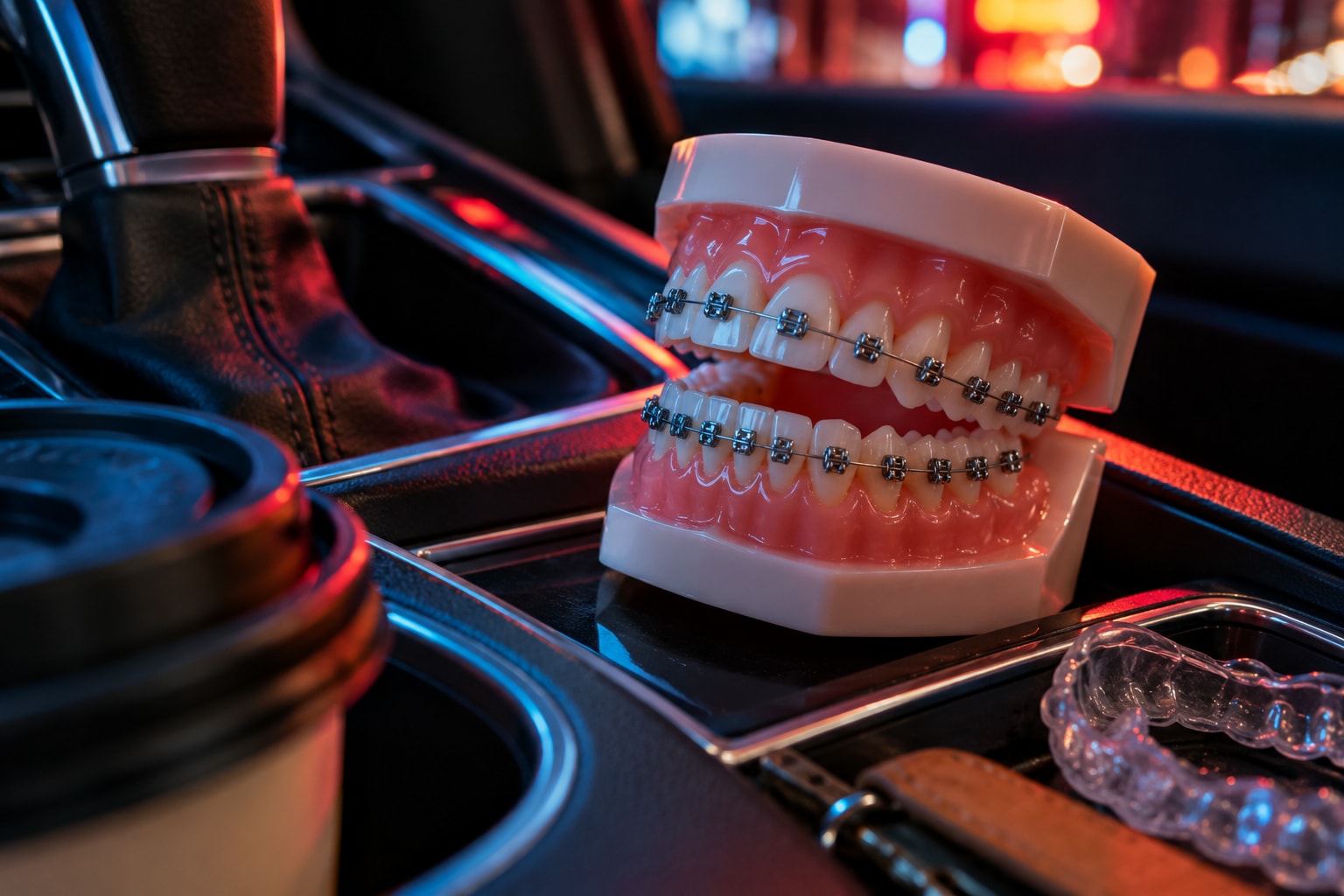
Sometimes. Orthodontic treatment may change tooth display when tooth position, tilt, or the bite is responsible. It will not solve every case because lip length and movement may be the main reason. An orthodontist must assess both.
Will veneers or whitening show more of my upper teeth?
Whitening changes colour, not the amount of tooth uncovered by your lip. Dental restorations may change visible crown shape in selected cases, but they should follow an exam for tooth wear, gum level, and bite.
Why do my upper teeth show in videos but not photos?
A photo captures one brief stage of your smile. A genuine smile often lifts the upper lip higher than a posed smile, so video can show tooth display that one frozen frame misses.