Quick answer
The answer to “why do teeth look jagged after braces?” is usually exposure, not new damage. Braces move teeth into line without normally reshaping the biting edges, so natural bumps, old chips, or uneven wear become easier to see.
A new sharp notch, pain, sensitivity, or an altered bite needs a dental check. Rarely, a small piece of enamel can break when a bracket comes off.
Why the edges can suddenly look uneven
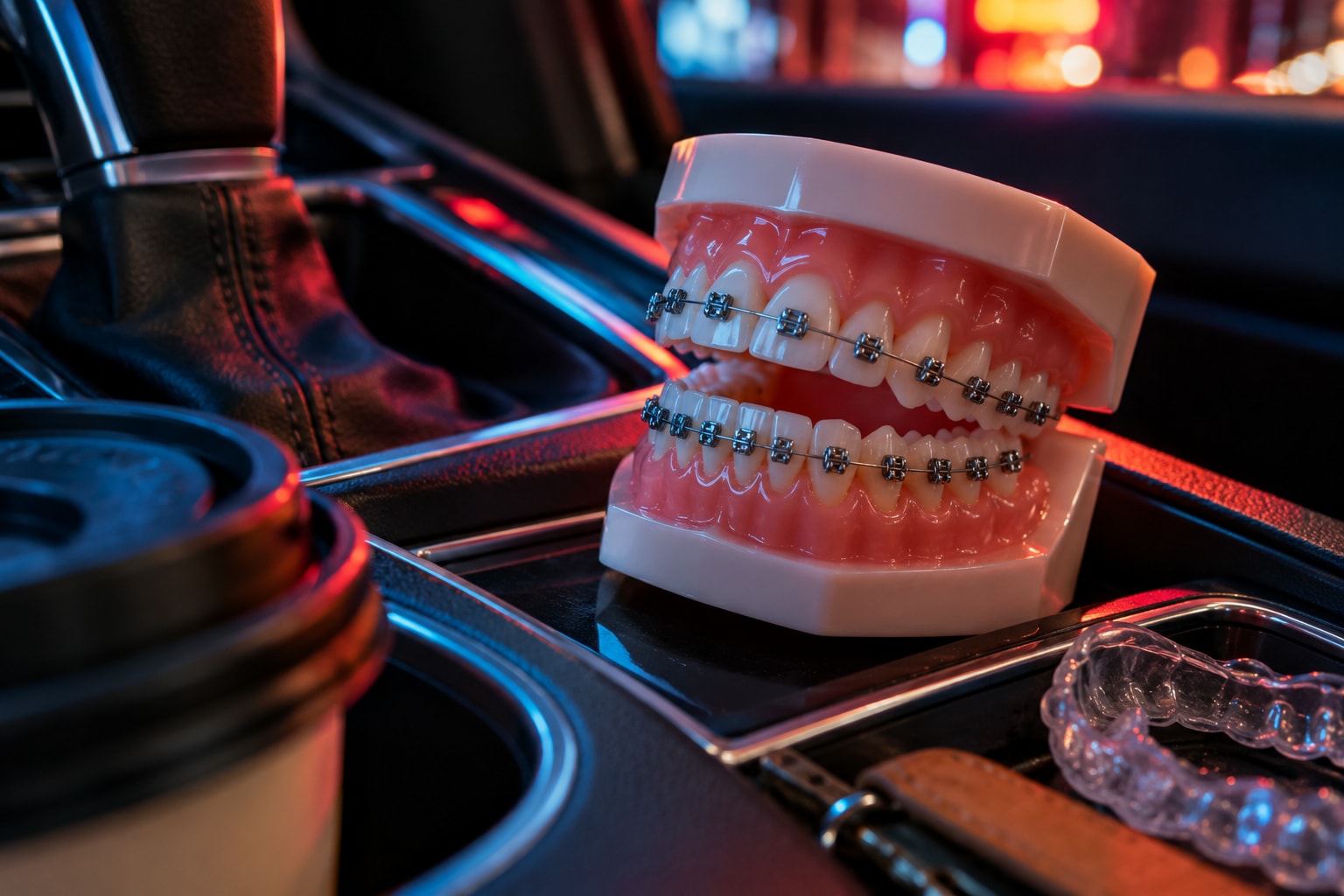
Braces use steady pressure to change each tooth's position and how the upper and lower teeth meet. They don't routinely remove enamel from the biting edge.
Before treatment, a front tooth may be rotated or sit behind its neighbour, which can hide part of its edge. Once the teeth form a straighter row, every small height difference becomes easier to compare.
That visual change can make an old feature look new, especially in a close phone photo. Check your orthodontist's pre-treatment pictures before assuming the brace caused damage.
The four most likely explanations
1. You can now see normal mamelons
Mamelons are small rounded bumps on newly erupted permanent incisors, often forming three shallow lobes rather than one random chip.
These bumps often wear down as the front teeth contact each other, but some remain into adulthood when those edges had little contact.
A 2024 cross-sectional study examined 1,000 incisors from people aged 5 to 40 in northeastern India. Mamelons became less common with age but remained visible on some adult teeth, though one region's percentages shouldn't be treated as universal.
Braces may make retained mamelons more obvious by bringing the incisors into a neat row, but the bumps aren't proof of damage.
2. Crowding hid uneven wear
Front teeth don't always wear at the same rate because contact, acid exposure, and outside friction can change an edge over time. UK oral-health guidance describes tooth wear as a mix of these processes.
The Leicester Hospitals orthodontic leaflet notes that crowded adult teeth can wear unevenly, while straightening removes the overlap that once disguised those differences.
Wear tends to look flatter or slanted, while a small isolated notch may instead be an old chip. A dentist must examine the surface to tell the difference.
3. The new position changes what you see
A tooth can look longer after it rotates toward the camera, and its edge may sit at a different angle after bite correction. Neither change means the crown grew or lost enamel.
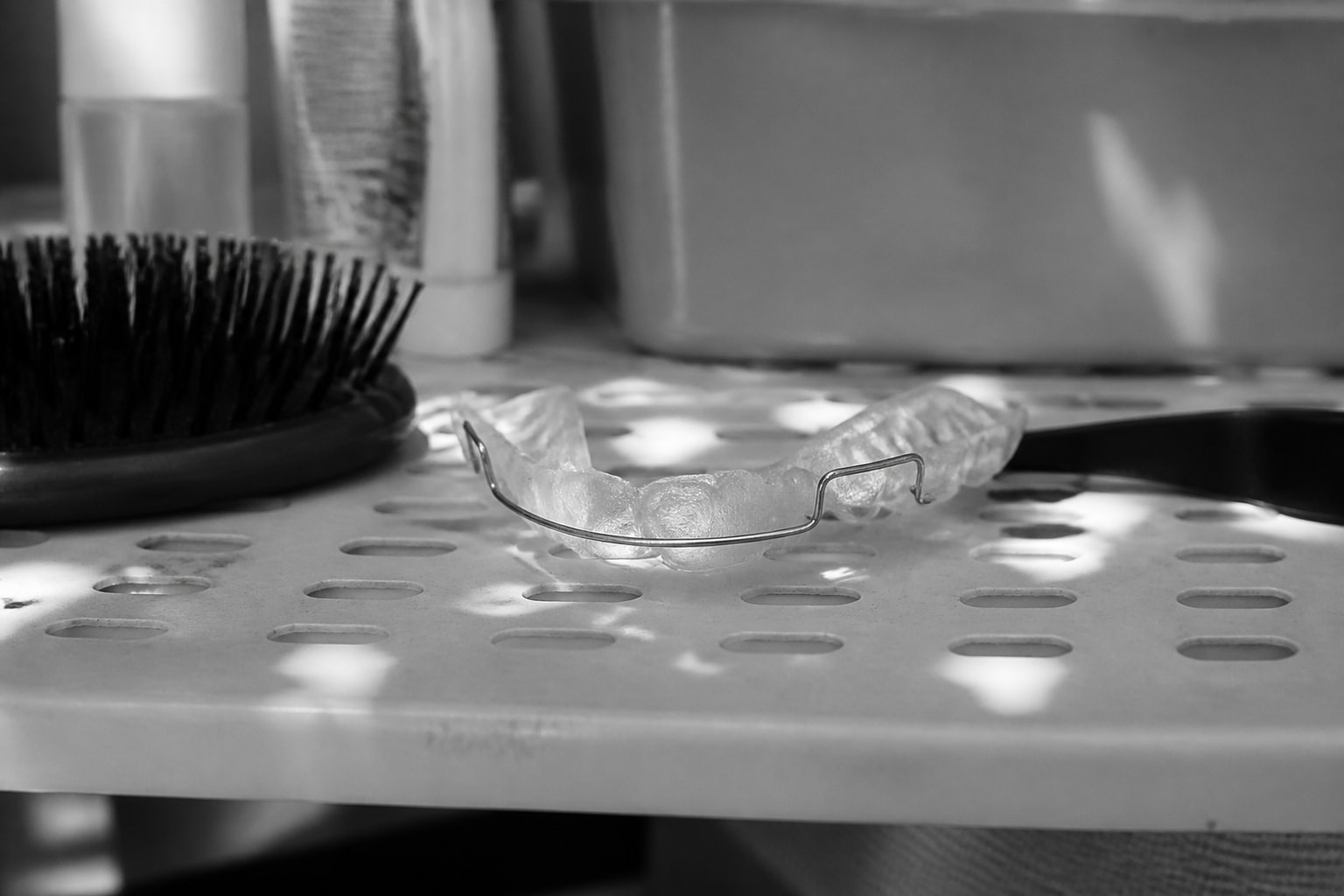
Your retainer matters because teeth can shift toward their old positions after treatment. Contact your orthodontist if the line keeps changing or your retainer no longer fits as expected.
4. Enamel damage happened during bracket removal
This is possible, but it isn't the usual explanation. University Hospitals of Leicester says that, in rare cases, a small piece of enamel can break away during bracket removal.
Don't try to identify this from a selfie. Ask the orthodontist to inspect a spot that appeared at removal or feels newly sharp. A photo can't show enamel depth, a fine crack, or how your teeth contact.
A simple check before changing the teeth
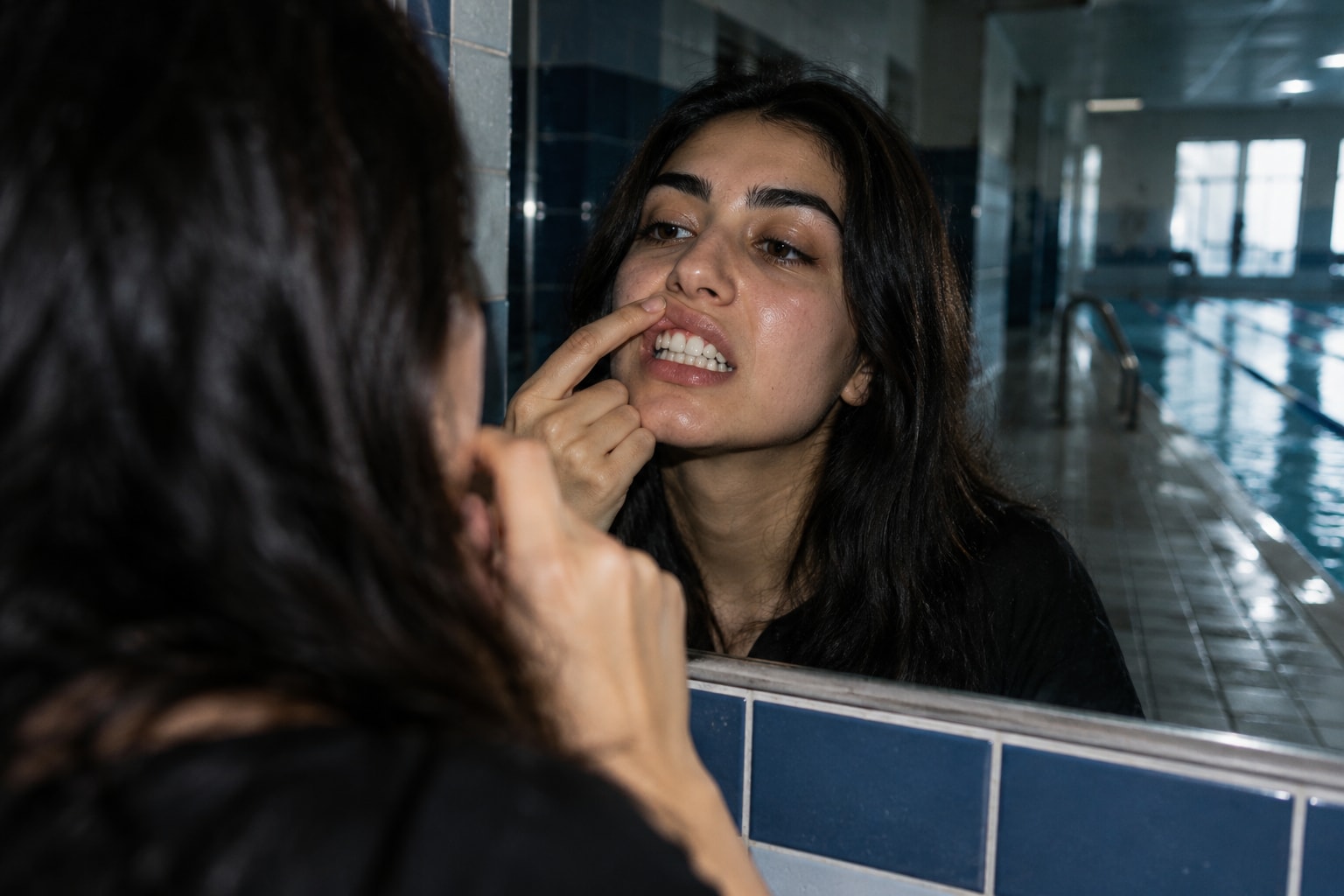
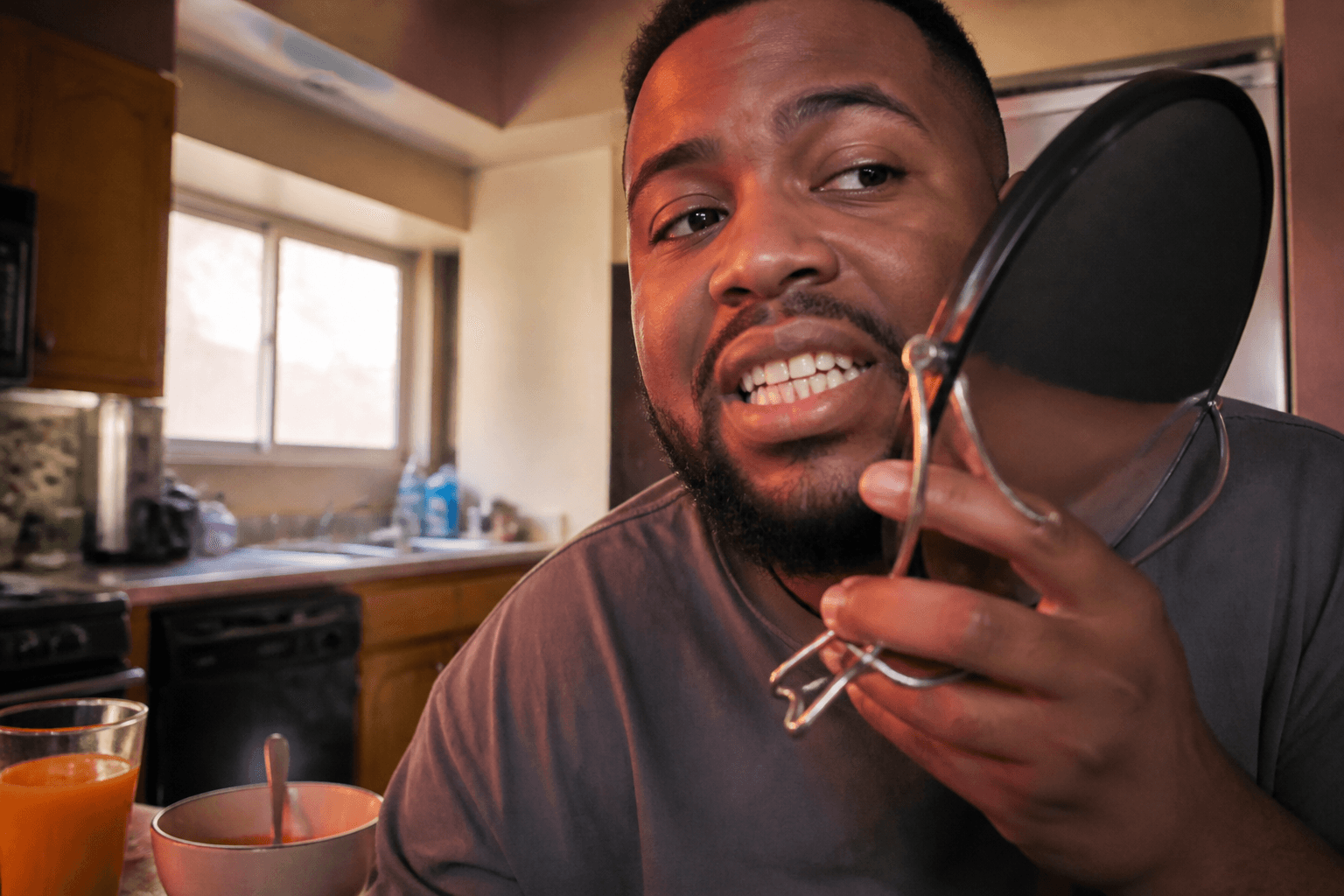
Start with evidence you already have by comparing the same teeth in your pre-treatment and debonding photos.
Look for these patterns:
- Three smooth, rounded bumps across an incisor suggest mamelons.
- A slanted but smooth edge fits uneven wear or the tooth's natural shape.
- One new sharp notch may be a chip and needs an exam.
- A changing edge line with a tight or loose retainer may reflect tooth movement.
Use one clear photo for comparison, not repeated checks throughout the day. Keep the camera distance, lighting, and expression similar because photos can record appearance but can't diagnose enamel damage.
Safe options if the teeth are healthy
You may not need treatment because a slightly uneven edge can be normal, and leaving healthy enamel alone avoids an irreversible change.
For a small irregularity, a dentist may offer enameloplasty, also called tooth contouring. The dentist removes a tiny amount of enamel and polishes the edge, which can correct small shape differences.
The limit matters. Enamel doesn't grow back, and removing too much can raise the risk of cracks, cavities, infection, or lasting sensitivity. Never file your own teeth with a nail file or rotary tool.
For a chip or short edge, a dentist can add and shape tooth-coloured composite resin, often without removing enamel. Bonding can chip or stain and may need repair later, so ask about upkeep before choosing it.
Don't book cosmetic work until a dentist checks your bite and enamel. Contouring the wrong edge can change how teeth meet, while bonding may be better when removing enamel is a poor trade.
When to contact your dentist or orthodontist
Book an assessment if the edge is new, sharp, painful, sensitive to temperature, cracked, or paired with a changed bite or poorly seated retainer.
After direct trauma or a broken tooth, get prompt care and keep wearing your retainer unless your clinician says otherwise. Don't force a retainer that no longer fits. Call your orthodontist.
FAQ
Do braces cause jagged teeth?
Usually not. Braces move teeth rather than cutting their edges, so alignment can reveal mamelons, chips, or wear previously hidden by overlap. Enamel damage during bracket removal can happen, but the Leicester Hospitals leaflet describes it as rare.
Do mamelons go away after braces?
They may wear down if the upper and lower incisors contact during normal use, but some adults keep visible mamelons. A dentist can confirm whether the bumps are normal before you consider changing them.
Will an orthodontist file teeth after braces?
Sometimes, but limited enameloplasty should follow an examination of the teeth and bite rather than happen automatically. Because enamel removal is permanent, ask how much will be removed and whether bonding or no treatment is safer.
Can a jagged tooth edge grow back?
Lost enamel doesn't grow back, but a tiny chip may need no treatment or may be rebuilt with composite resin. The right choice depends on the edge, enamel thickness, symptoms, and bite.