Quick answer
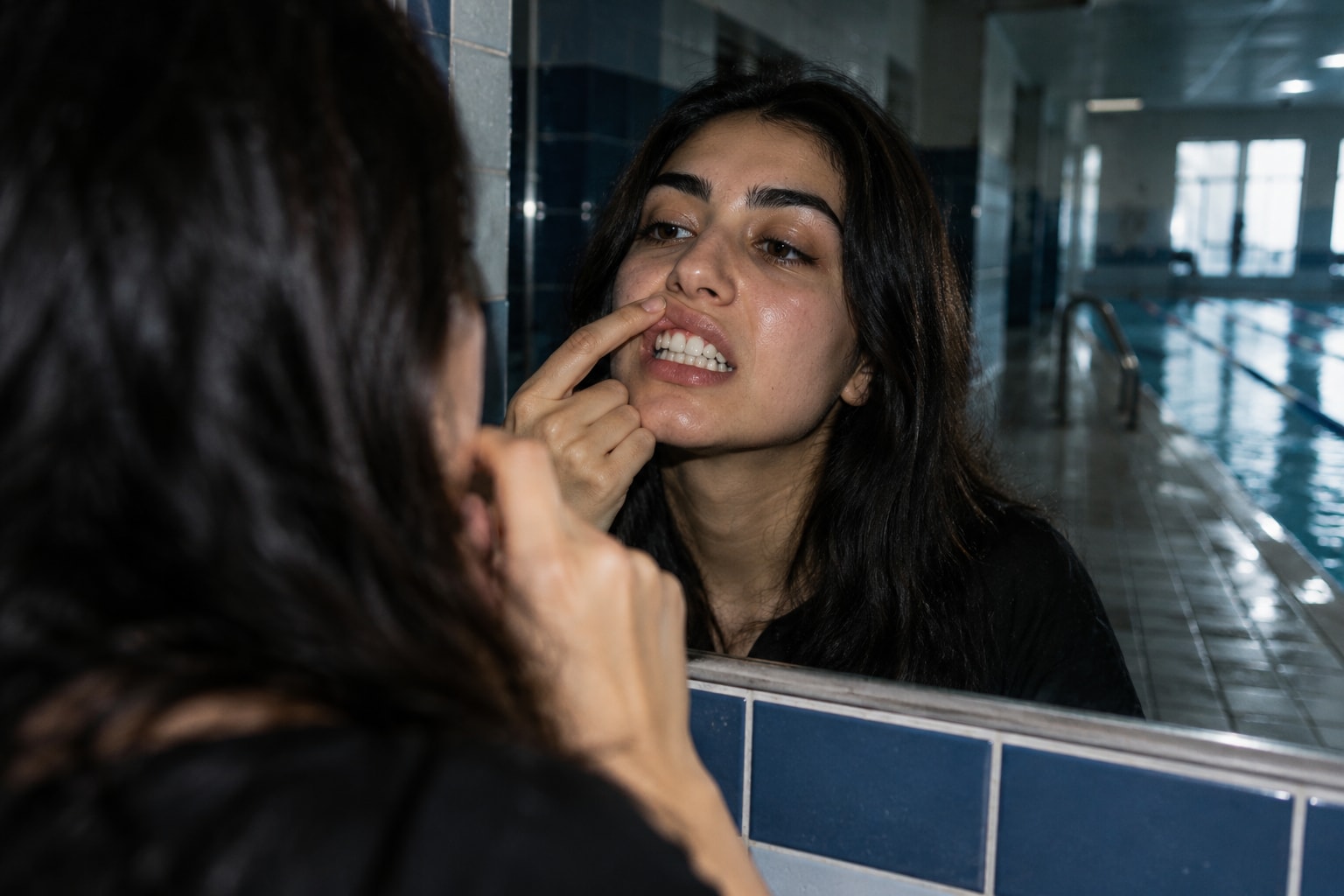
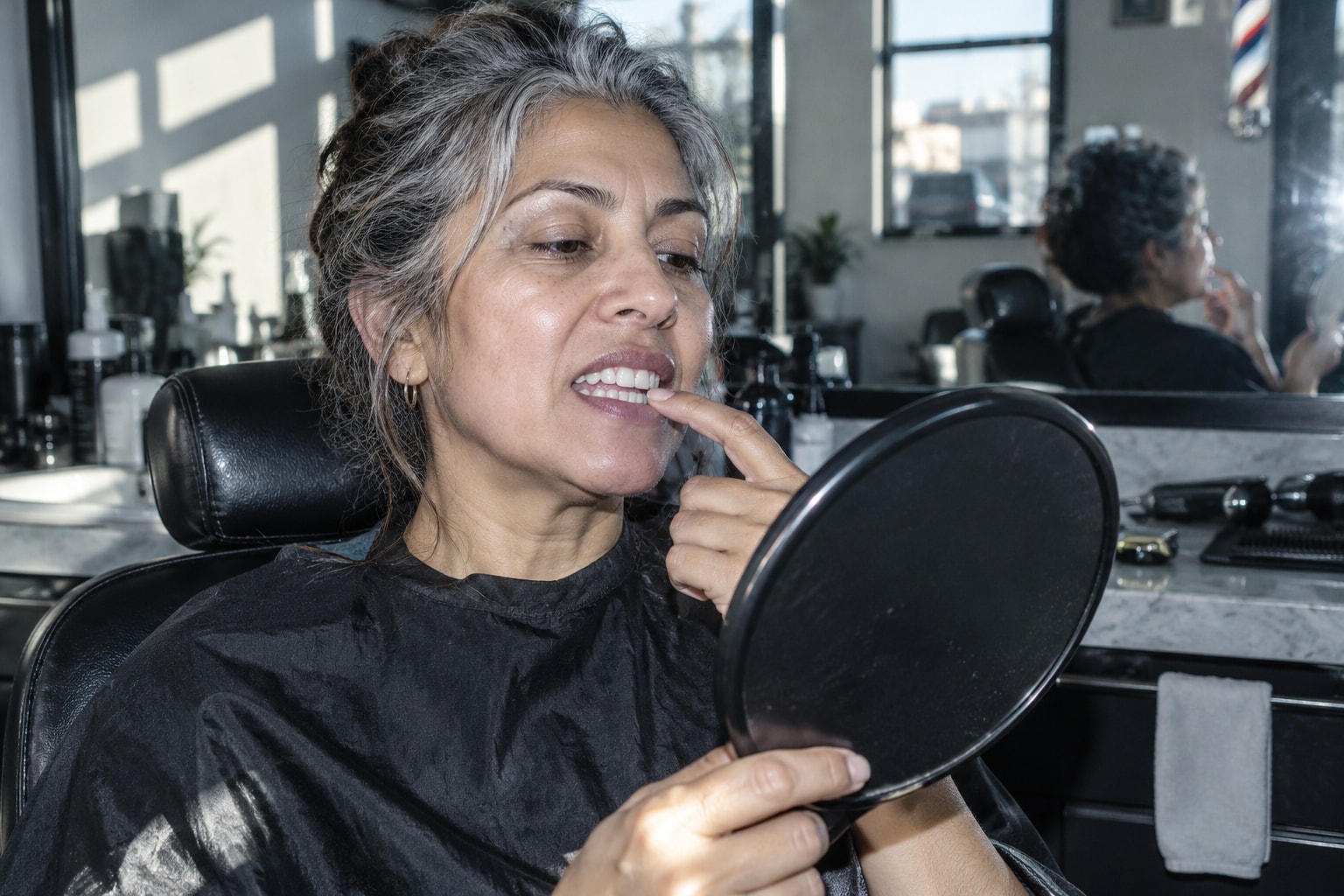
Why does my smile show more gum on one side? Usually, one side of your upper lip lifts farther, or the gum, teeth, or upper jaw sit at different levels. A photo can show the pattern, but it can't identify which tissue causes it.
A long-standing difference is often an appearance concern rather than a disease. A smile that becomes uneven suddenly, especially with facial weakness, needs urgent medical attention.
One-sided gum show is a pattern, not a diagnosis
Dentists call a broad gum-heavy smile excessive gingival display, but one feature doesn't explain every case. Reviews group the causes into lip movement, gum position, tooth position, and upper-jaw structure.
More than one cause can exist at once, so copying someone else's treatment from a before-and-after post can fail.
The word "excessive" is a clinical label, not a verdict on your face, and healthy smiles can naturally show gum. The useful question is whether your left-to-right difference comes from movement or from structures visible at rest.
The four places the difference can start
1. Your upper lip lifts higher on one side
Several muscles raise and spread the upper lip when you smile, and they don't always contract with matching force or timing.
A 2023 review describes an asymmetric gummy smile as one-sided gum exposure linked with uneven contraction of the upper-lip or cheek elevators. This explanation becomes more plausible when your teeth and gumline look level until the difference appears during a full smile.
It is still only a clue because a short clip can't show what makes one side move differently.
2. The gumline or visible tooth height differs
Sometimes the lip moves evenly, but one gum area covers more of the natural tooth crown and makes those teeth look shorter.
Dentists call one possible pattern altered passive eruption, where the gums remain farther down the tooth instead of exposing the full crown. Gum swelling or overgrowth can also change the visible tooth-to-gum balance.
Look at the gum margin, not just the amount of pink above it. Shorter-looking teeth on one side point toward a gum or tooth-level issue. Redness, tenderness, swelling, or bleeding makes a dental check more useful than a cosmetic consultation.
3. The teeth or bite sit on a slant
The upper teeth and their supporting bone may sit lower on one side. Dentists may call this an occlusal cant when the biting plane isn't level.
Tooth overeruption and some deep-bite patterns can also move the teeth and gum margins downward. A level upper lip can then reveal more gum over the lower side.
You cannot confirm a bite problem by holding a ruler across a selfie. A dentist or orthodontist needs to check your bite, tooth wear, midlines, and upper-to-lower jaw relationship.
4. The upper jaw is asymmetric
Some people have a skeletal cant, where the upper jaw is higher on one side. A 2024 clinical review lists development, genetics, and past trauma among possible contributors.
This is different from a lip that simply lifts unevenly. Clinicians compare the face from the front and side, tooth display at rest, lip movement, and the dental plane. X-rays or cephalometric analysis may be needed when the jaw itself is suspected.
Don't assume the most structural explanation first, since lip and dental causes can create a similar picture without a major jaw difference.
Check the pattern without diagnosing yourself
A frozen selfie is weak evidence because posed and spontaneous smiles do not show the same amount of tooth and gum. A 2022 video study found different gingival display across static and dynamic smiles.
Use a short recording instead:
- Keep the camera level and directly in front of you.
- Record your face at rest, a small social smile, and a natural full smile.
- Keep your head upright rather than matching the tilt you see on screen.
- Repeat the clip on another day in the same setup.
Then ask two simple questions. When you show your upper teeth gently, does the gumline itself look sloped? Does one lip edge rise farther as you move into a full smile?
This won't diagnose the cause, but it gives a dentist a clearer record than one selected photo. It also stops you reacting to a single frame caught between expressions.
Avoid pulling your lip hard to measure the gums because forced movement changes the pattern you are trying to observe.

Who should assess it first?
Start with a general dentist who can check gum health, visible crown height, tooth position, and your bite. They can also compare upper-lip movement at rest and during a smile.
The next specialist depends on the finding:
- A periodontist assesses gum levels and altered passive eruption.
- An orthodontist assesses tooth position, bite, and a canted dental plane.
- An oral and maxillofacial team assesses a suspected skeletal difference.
- A suitably qualified medical clinician assesses treatment aimed at lip movement.
Bring your short videos and note whether the pattern has always been present. Mention braces, dental work, injury, gum swelling, or any recent change.
Treatment has to match the cause
You don't need treatment for a stable, healthy difference that doesn't bother you. A small difference alone isn't a reason to alter a healthy smile.
If gum inflammation or overgrowth changes the gumline, the first step is dental treatment for that problem. Removing healthy gum tissue before checking the cause can give the wrong result.
A periodontist may consider gum reshaping or crown lengthening for selected gum-level causes after checking the bone beneath the gum. These are clinical procedures, not DIY grooming.
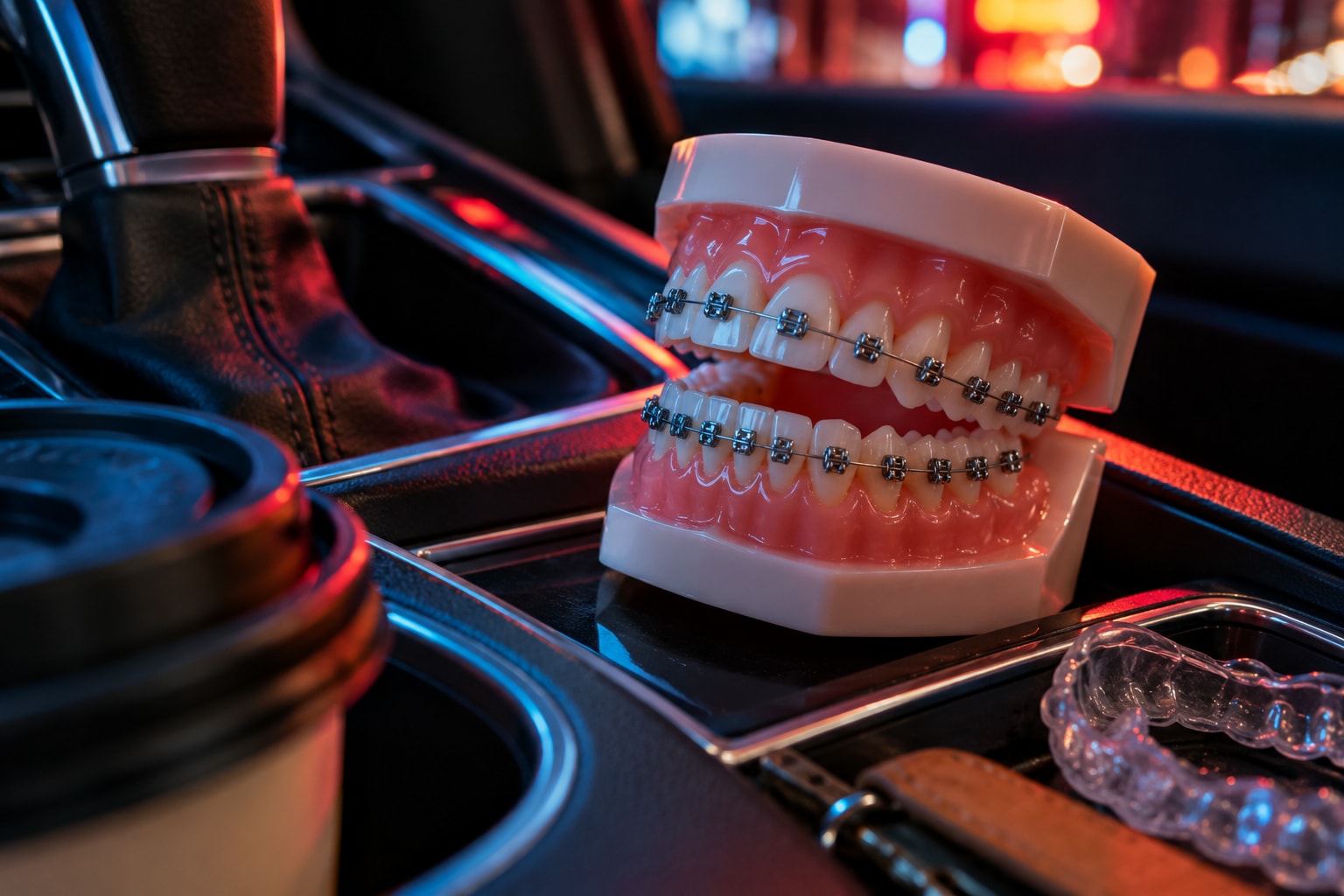
Orthodontic treatment may help when tooth position or the biting plane drives the difference. Do not change retainers, add elastics, or copy appliance hacks without an orthodontist.
Botulinum toxin can temporarily reduce upper-lip lift in selected muscle-driven cases, but it doesn't level teeth, gums, or bone. One-sided treatment also requires careful assessment because changing muscle pull can create a different imbalance.
Skeletal treatment is reserved for diagnosed jaw problems, not used as a casual looksmaxxing step.
Face exercises, mewing, and manual pushing cannot tell these causes apart, and clinical reviews don't establish them as corrections for this pattern.
When an uneven smile needs urgent help
Call emergency services if one side of your face suddenly droops and you struggle to smile, especially with arm weakness or slurred speech. The NHS lists these as FAST warning signs of stroke, even when they later improve.
Seek prompt dental care for new gum swelling, pain, bleeding, or a rapid change after dental work. Those signs need an oral examination rather than photo analysis.
FAQ
Is it normal to show more gum on one side?
A small, long-standing difference can be a normal part of facial and smile asymmetry. Get it checked if it is new, worsening, painful, or paired with gum changes.
Can facial exercises fix a one-sided gummy smile?
Clinical reviews do not show that facial exercises reliably correct gum position, tooth position, a canted bite, or jaw structure. They also cannot identify which layer causes your difference.
Should I see a dentist or an orthodontist?
See a general dentist first unless you already have an orthodontist. A dentist can screen your gums, teeth, and bite, then refer you to the right specialist.
Can Botox fix a gummy smile on one side?
Botulinum toxin may reduce gum show when uneven upper-lip muscle pull is the cause. The effect is temporary and must be planned by a qualified clinician after structural causes are excluded.