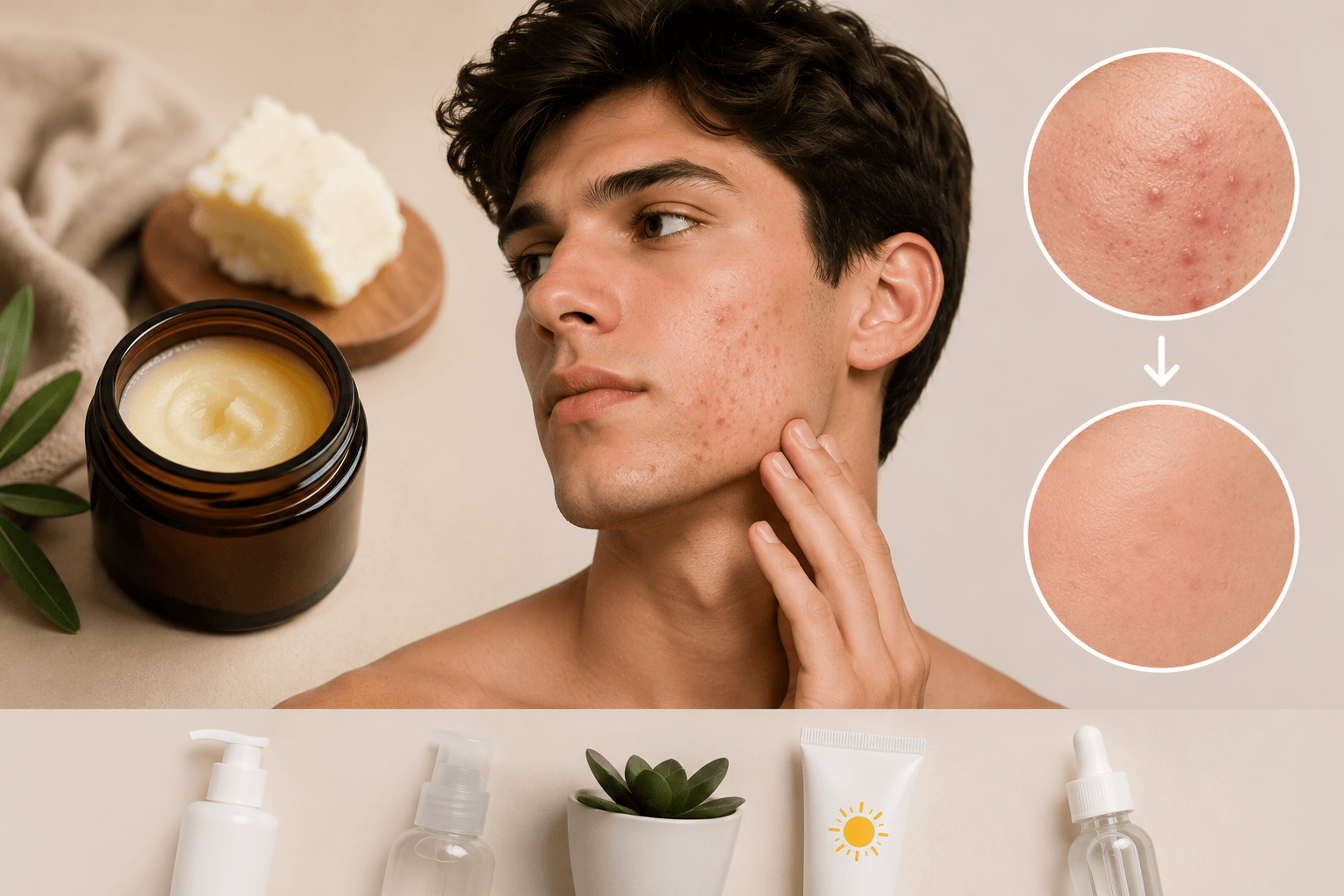
Quick answer
A skin progress tracker helps you compare consistent photos over time so you can see whether acne, pores, redness, oiliness, and under-eyes are improving, staying the same, or getting worse. The most important rule is consistency: same light, same angle, same camera, same distance, and the same tracking interval.
Skin changes slowly. A tracker should help you see trends over weeks, not obsess over tiny day-to-day changes.
What a skin progress tracker should include
A useful tracker records the scan result, the photo, and the context around the photo. The context matters because skin is affected by sleep, shaving, workouts, sun exposure, stress, weather, skincare changes, makeup, and irritation.
At minimum, track:
- Date and time
- Lighting setup
- Acne or breakout score
- Redness or irritation-looking areas
- Pore and texture visibility
- Oiliness or shine
- Under-eye darkness or puffiness
- Notes about sleep, products, shaving, sunscreen, and triggers
This turns scattered selfies into a timeline.
Why tracking beats guessing
Most people judge their skin emotionally. A bad bathroom mirror moment can make progress feel fake. A flattering selfie can make a routine seem better than it is. A tracker reduces that noise by forcing fair comparisons.
If your baseline, week 2, and week 4 photos are all taken in the same setup, changes are more meaningful. If every photo is taken in different lighting, the scan may mostly measure the camera environment.
How to create your baseline
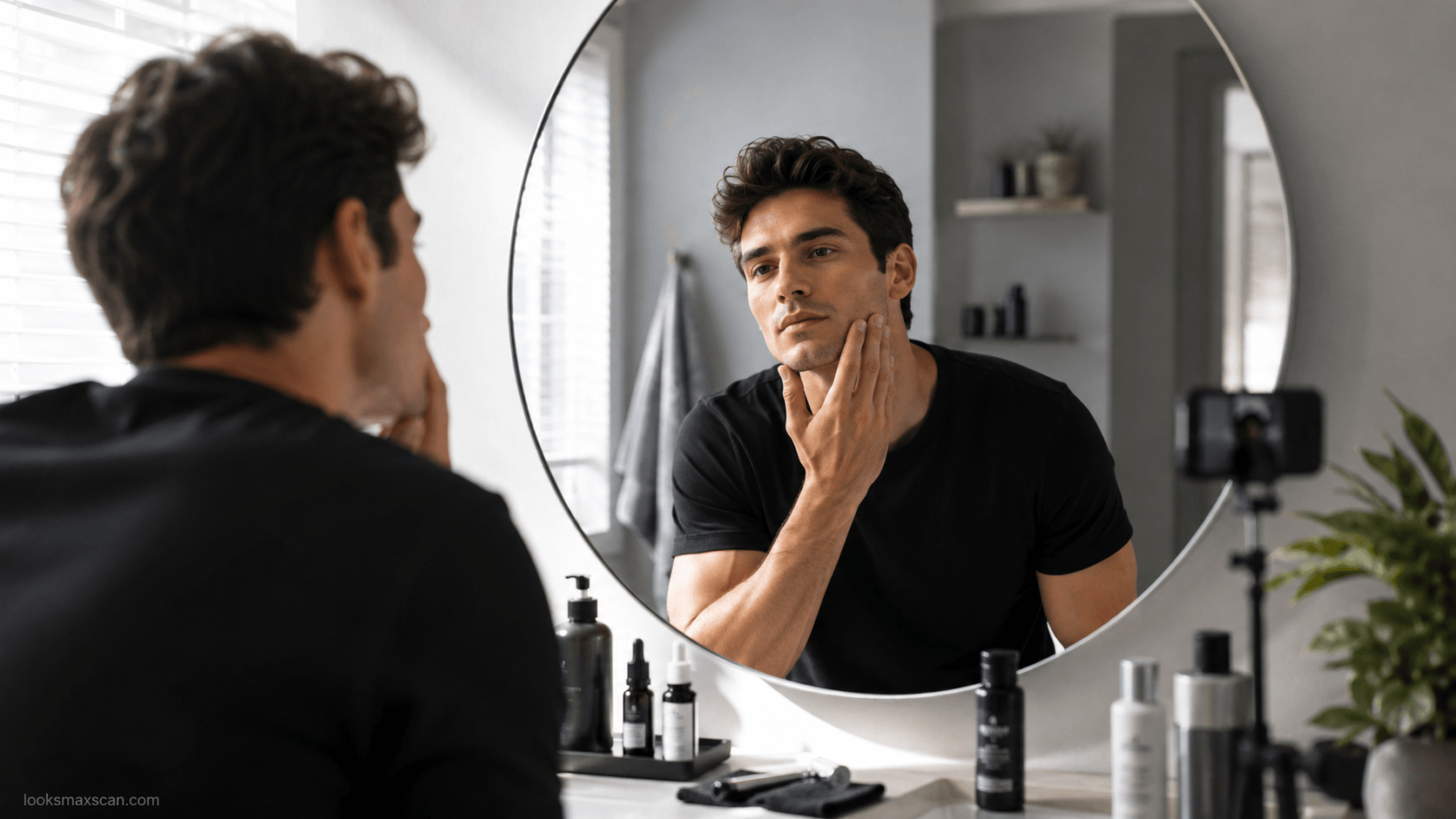
Start with one clear, honest photo. Do not choose the worst possible photo or the most flattering one. Use a neutral expression, camera at eye level, and soft front-facing light. Avoid filters, heavy makeup, wet skin, and harsh overhead shadows.
Run the scan and save the result. Then write a short baseline note:
- Current routine
- Main concern
- Products recently added
- Sleep and stress level
- Shaving or hair removal
- Sun exposure
- Anything unusual
The baseline is not a verdict. It is your starting point.
How often to scan
For most people, weekly or biweekly tracking is enough. Daily tracking can make normal variation feel like failure. Acne, redness, pores, and under-eyes can fluctuate with sleep, hormones, workouts, weather, and stress.
If you start a new routine, give it enough time before judging. Some products can irritate skin at first, while others take weeks to show visible results. If a product causes burning, swelling, severe irritation, or a sudden rash, stop treating it as normal progress and get appropriate advice.
How to track acne
Look for the number of new visible breakouts, the concentration of inflamed-looking spots, and whether marks are fading or becoming more noticeable. Do not pick at spots before a scan. Picking changes the image and can make redness worse.
The useful question is not “is my skin perfect?” The useful question is “am I getting fewer new breakouts under the same conditions?”
How to track redness
Track where redness appears and what happened before the scan. Heat, exercise, alcohol, spicy food, shaving, exfoliation, new products, and sun can all change redness. If redness is persistent, painful, sudden, spreading, or paired with eye symptoms, do not rely only on a tracker.
How to track pores and texture
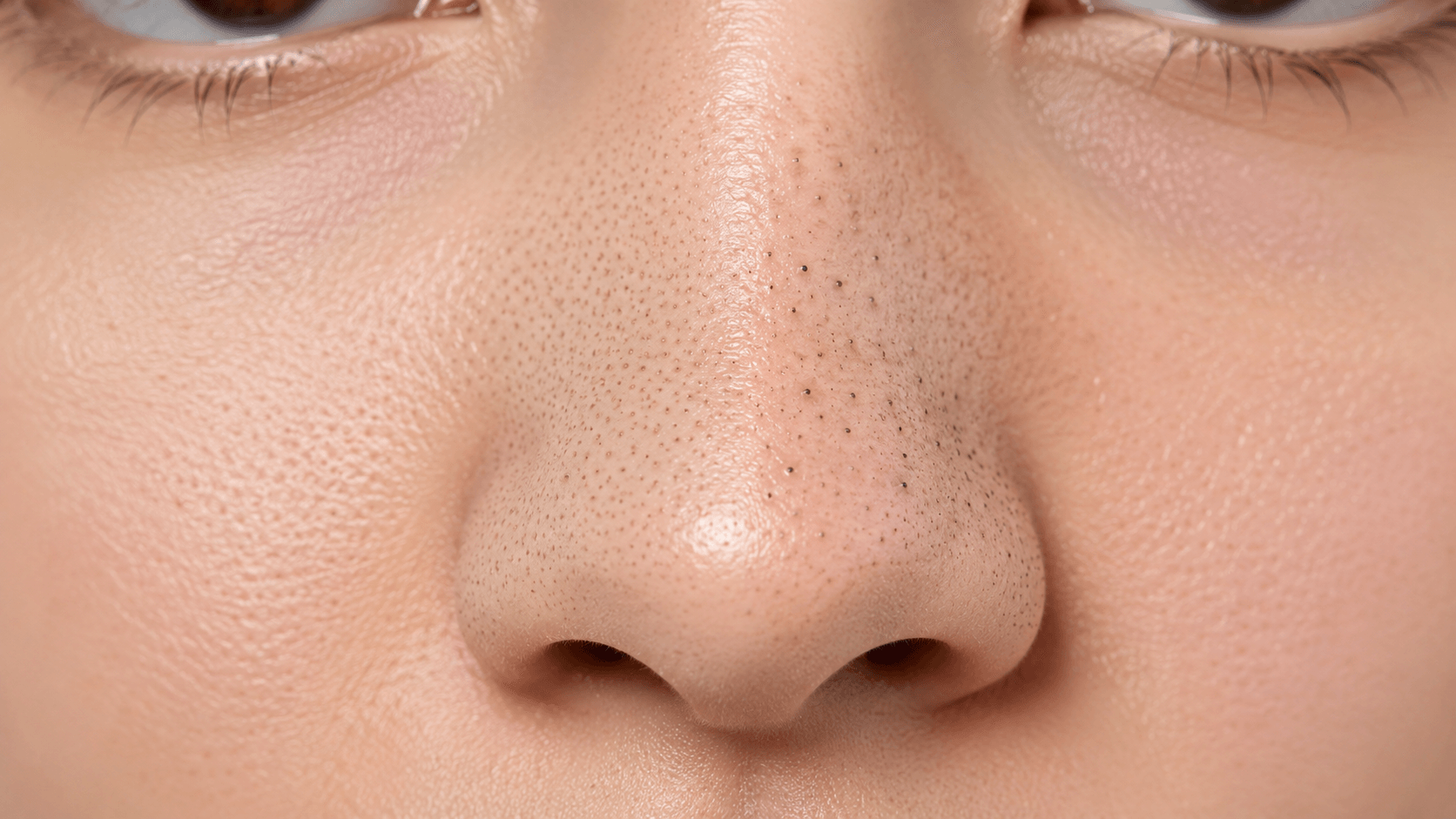
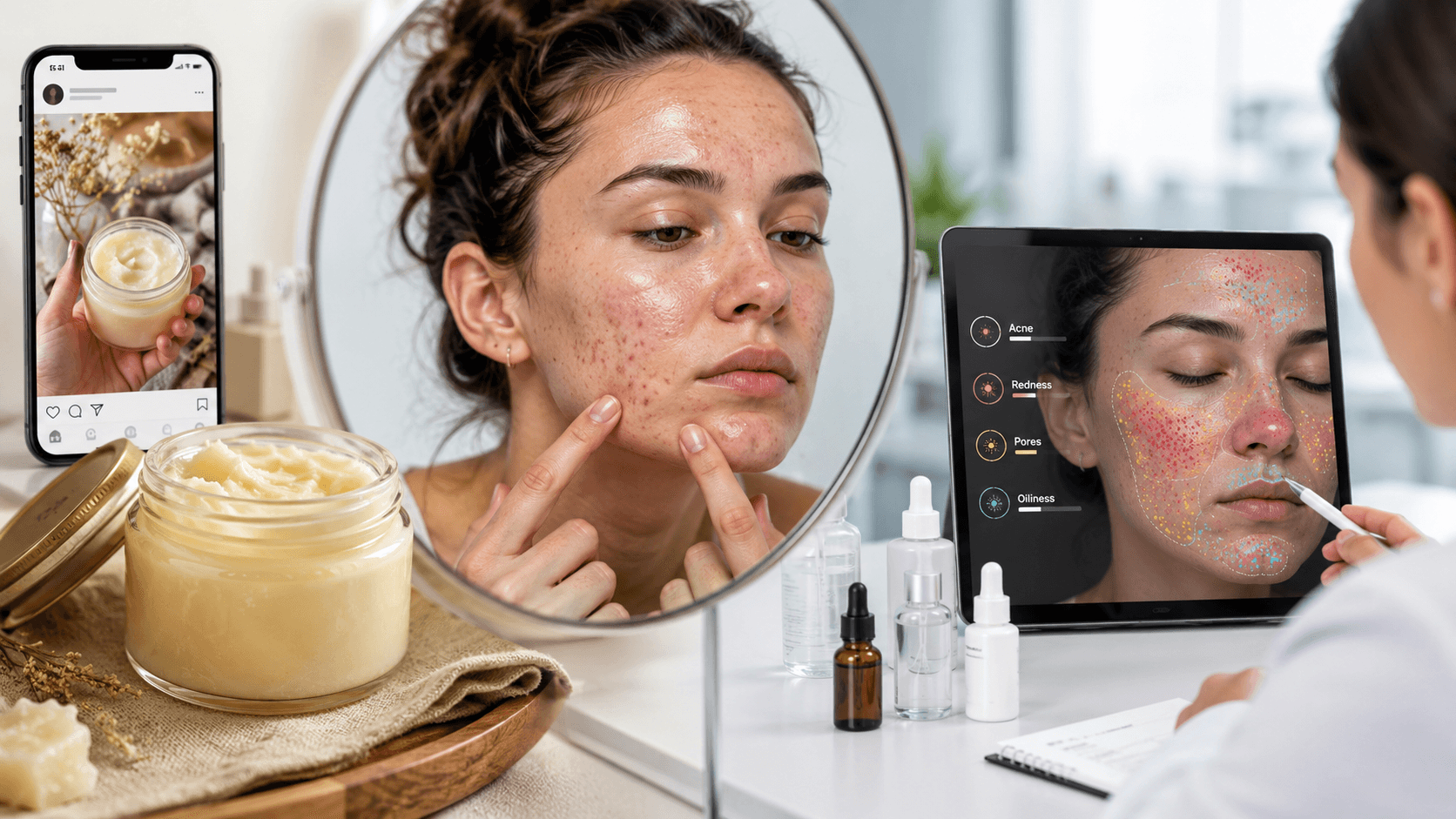
Pores and texture are highly sensitive to lighting. Use the same photo distance and avoid flash. Track whether texture looks calmer, more irritated, more oily, or more clogged-looking. Do not expect pores to disappear. A realistic goal is making them less noticeable.
How to track under-eyes
Track darkness, puffiness, and shadowing separately. Under-eye appearance can change with sleep, allergies, hydration, salt, stress, and lighting. Retake the photo if overhead light is creating shadows.
The best way to use the data
Make one change at a time. If you add three products, change diet, sleep more, and start shaving differently, the tracker cannot tell which change helped.
Every 30 days, compare your baseline with your latest fair scan. Keep what works. Remove what irritates. Escalate to professional care when a concern is persistent, painful, severe, or emotionally overwhelming.
Run a private skin progress tracker scan on GlowUpFace.