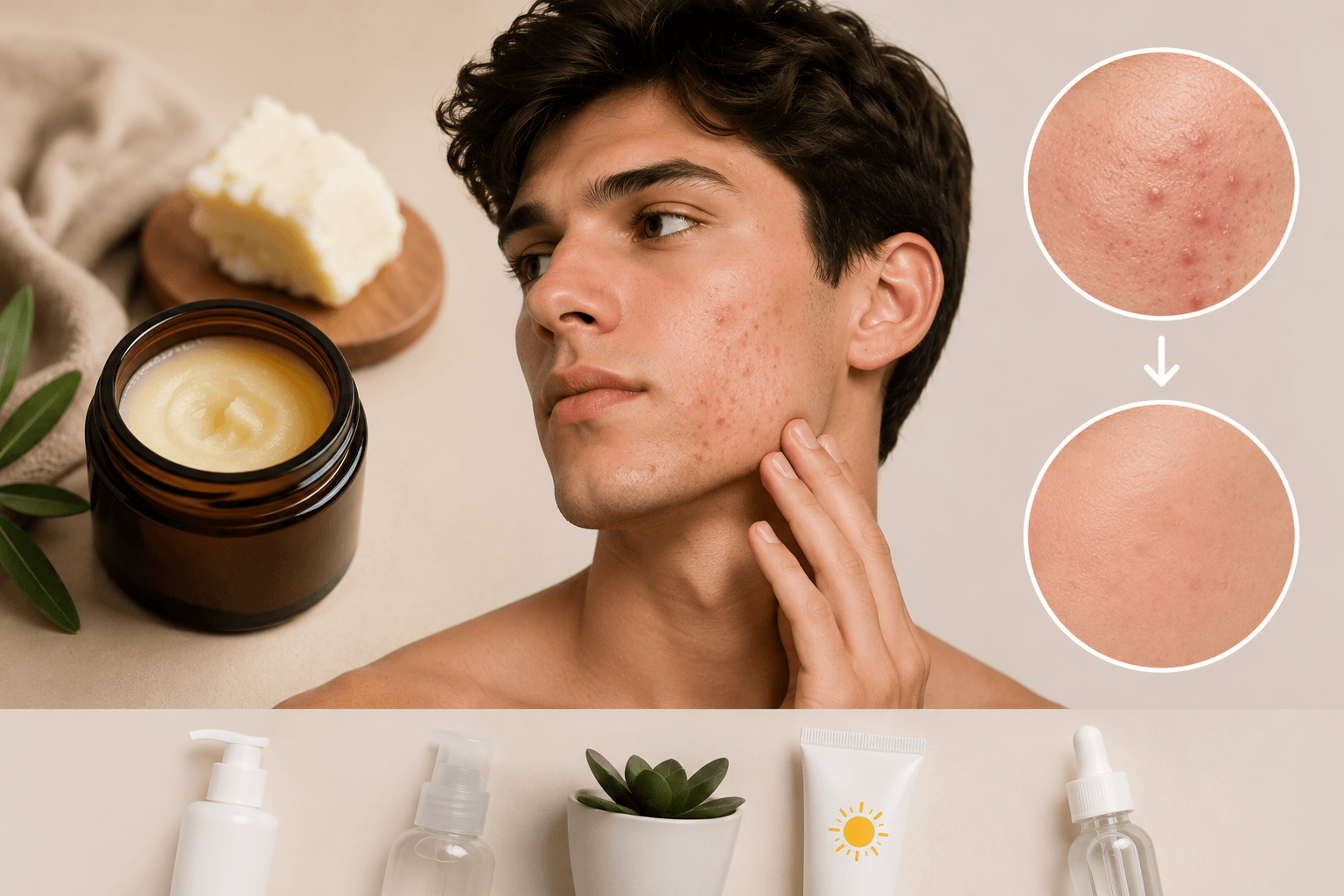
Quick answer
An AI redness checker can help you review visible facial redness, flushing patterns, irritation-looking areas, and whether lighting is exaggerating color. It is useful for tracking photos over time, but it cannot diagnose rosacea, dermatitis, sunburn severity, allergies, infection, or any medical condition.
Redness is one of the easiest skin signals to overread. A warm room, alcohol, spicy food, shaving, a hard workout, a new product, sun exposure, or a hot shower can change your face temporarily. A scan should help you track patterns, not panic over one red selfie.
What an AI redness checker looks for
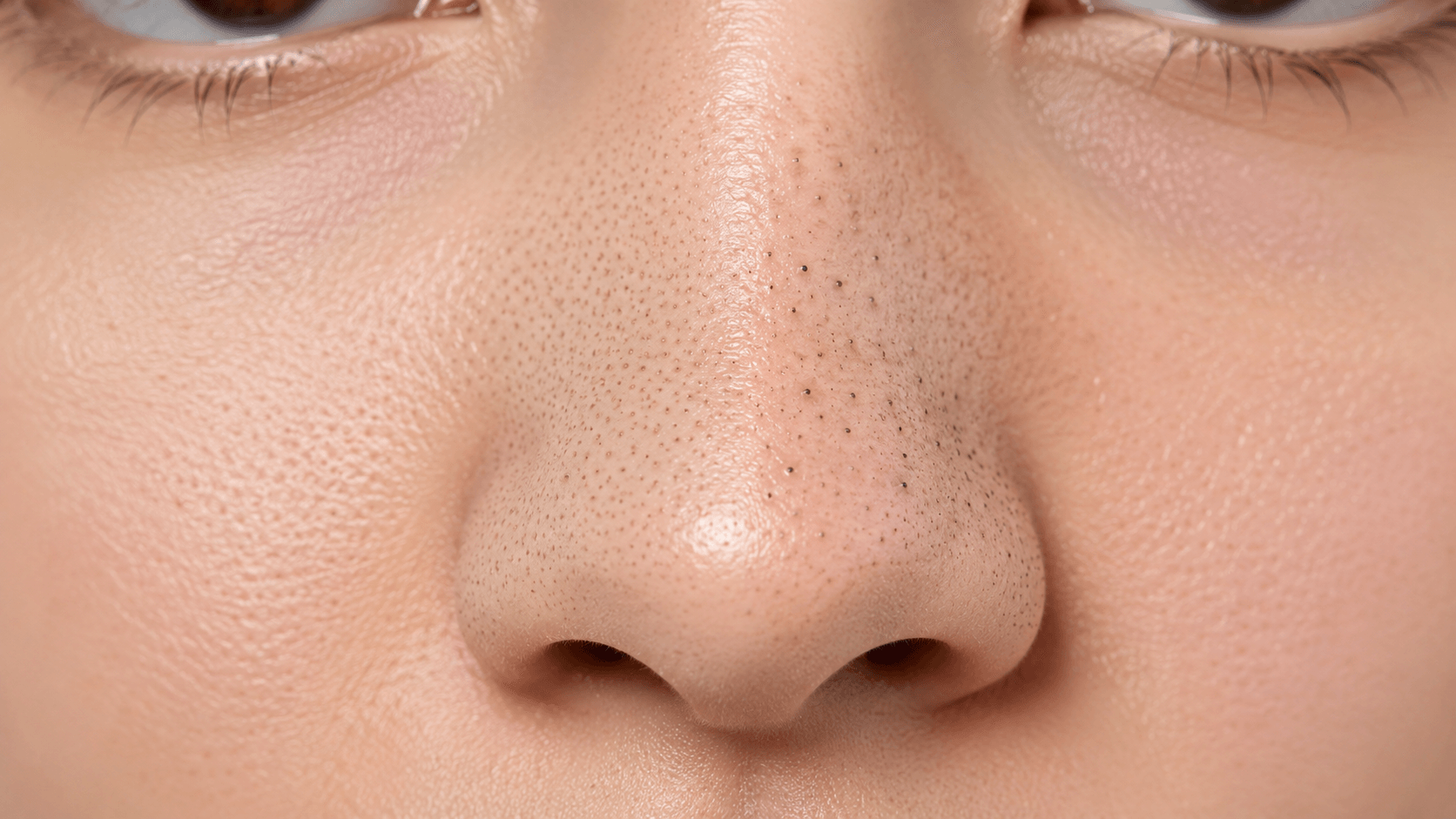
A practical checker can compare facial color patterns across the cheeks, nose, chin, forehead, and under-eye area. It can look for:
- General facial redness
- Cheek and nose flushing
- Redness around blemishes
- Shaving or irritation-looking redness
- Asymmetry between the left and right side
- Photo factors that may exaggerate color
The best result is a short interpretation: “Redness is most visible on the cheeks and nose. The photo has warm indoor lighting, so retake in neutral daylight before comparing progress.”
Why redness is hard for AI
Cameras do not capture skin color perfectly. Warm bulbs can make skin look red or orange. Cold lighting can make skin look dull or gray. Phone processing can increase saturation. Different skin tones also show redness differently; on deeper skin, redness may appear more violet, brown, or subtle, and symptoms such as burning, stinging, swelling, or dryness may matter more than visible color.
A responsible AI checker should admit uncertainty when the image is low quality or when color is difficult to interpret.
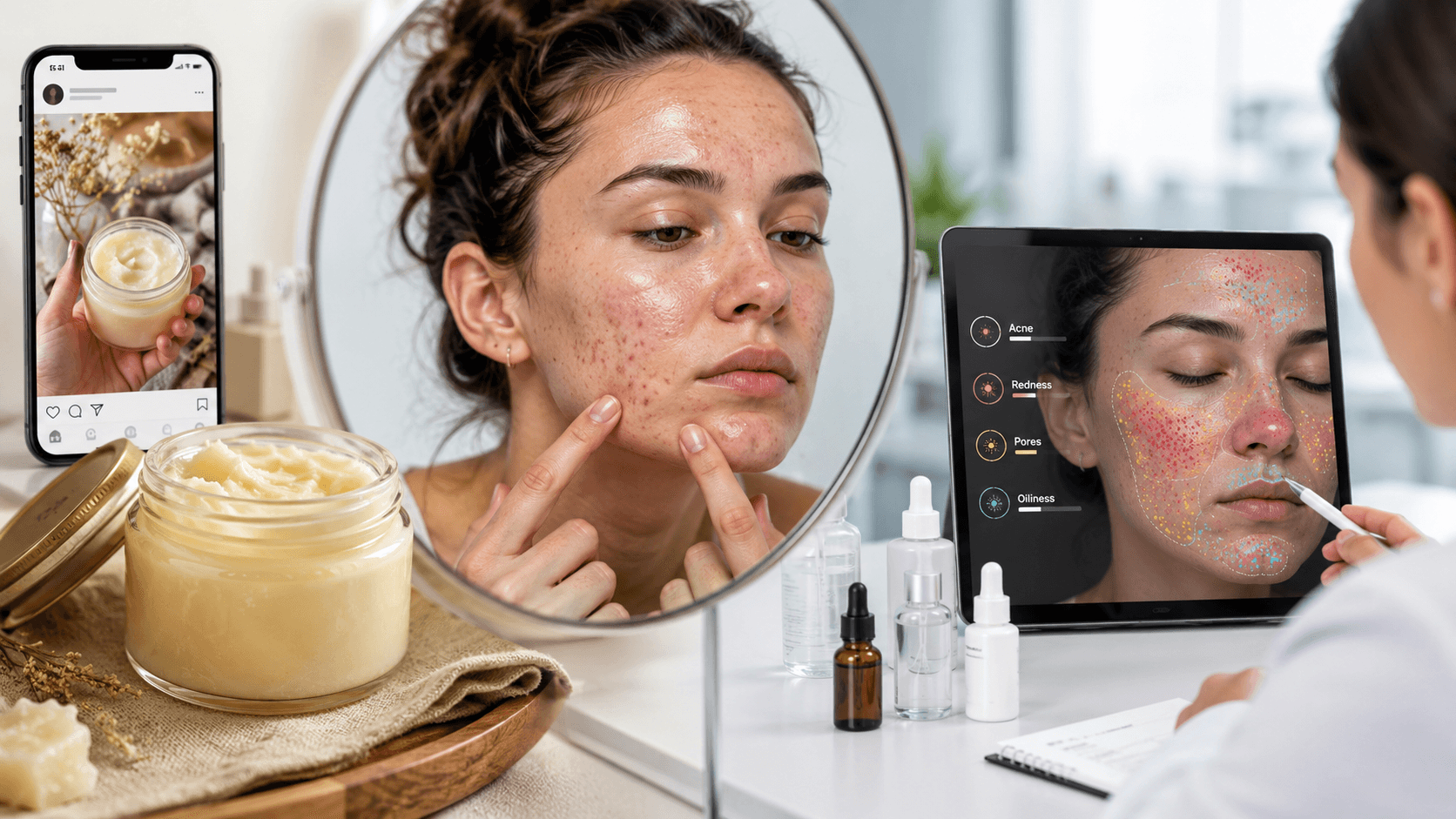
Common non-diagnostic redness patterns
A redness scan can describe visible patterns, but it should not name a disease. For example:
- Center-face redness may be worth tracking because it can appear with flushing patterns.
- Redness around breakouts may be connected to active blemishes or post-blemish marks.
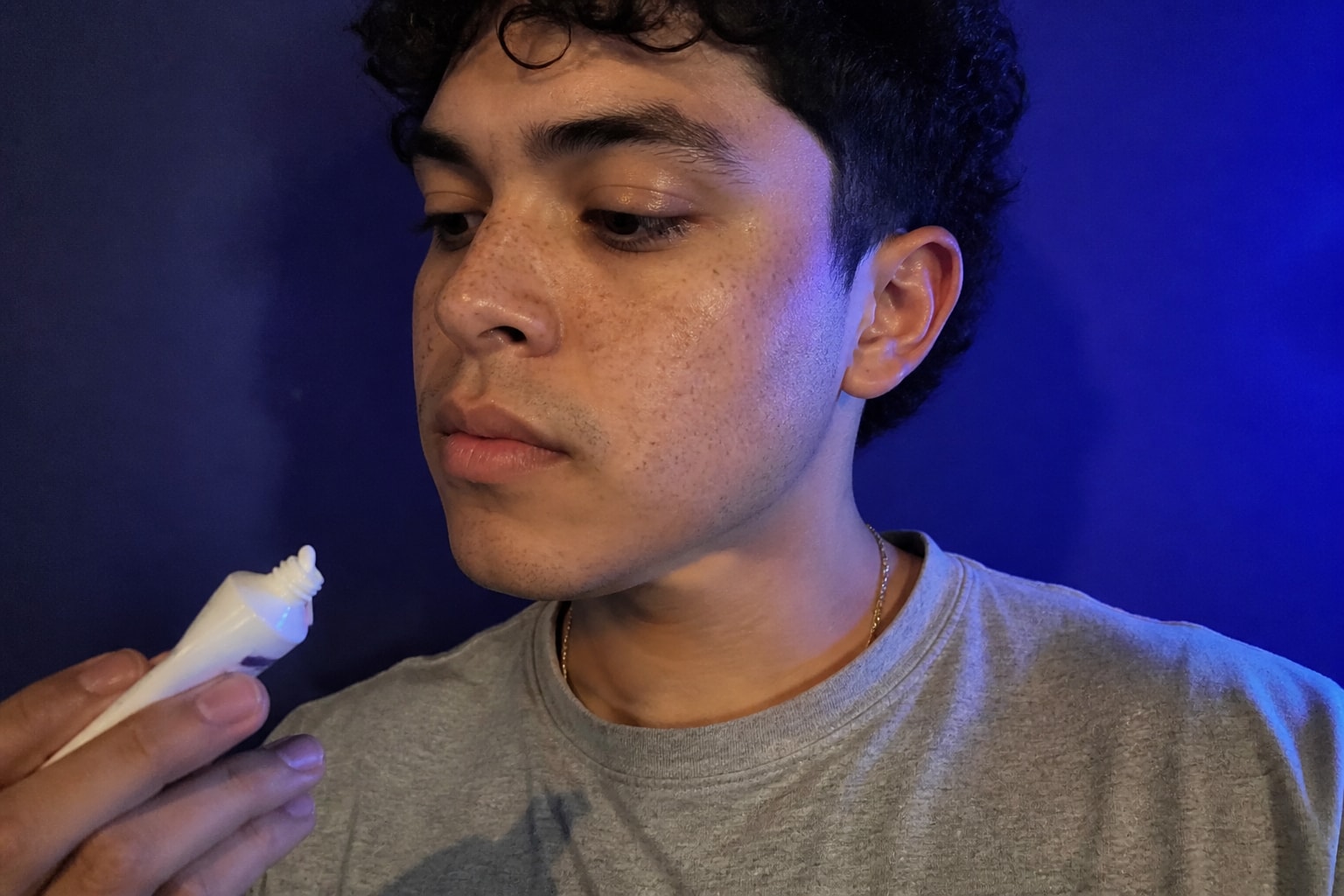
- Beard-area redness may relate to shaving, friction, ingrown hairs, or irritation.
- Sudden full-face redness may relate to heat, alcohol, exercise, emotions, or product sensitivity.
The wording matters. “Visible cheek redness” is safer and more accurate than “you have rosacea.”
How to take a good redness scan photo
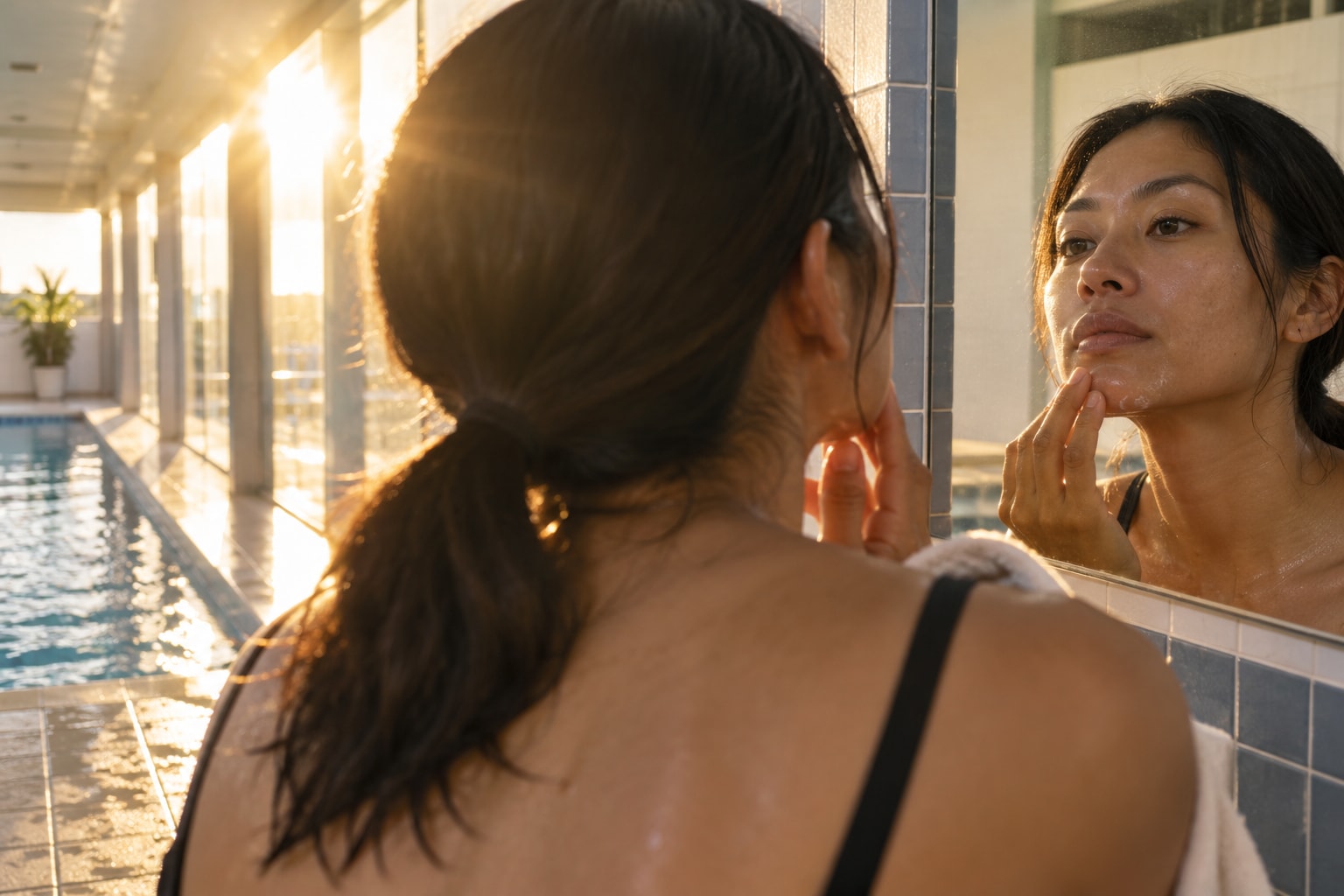
Use neutral, even daylight. Avoid red walls, colored LED lights, heavy filters, flash, and warm bathroom bulbs. Do not scan immediately after a workout, sauna, hot shower, shaving, exfoliation, alcohol, spicy food, or strong sun exposure unless you are intentionally tracking that trigger.
Keep your notes simple: sleep, alcohol, spicy food, sun exposure, shaving, active products, stress, workout, and room temperature. Redness tracking becomes much more useful when you can connect photos to triggers.
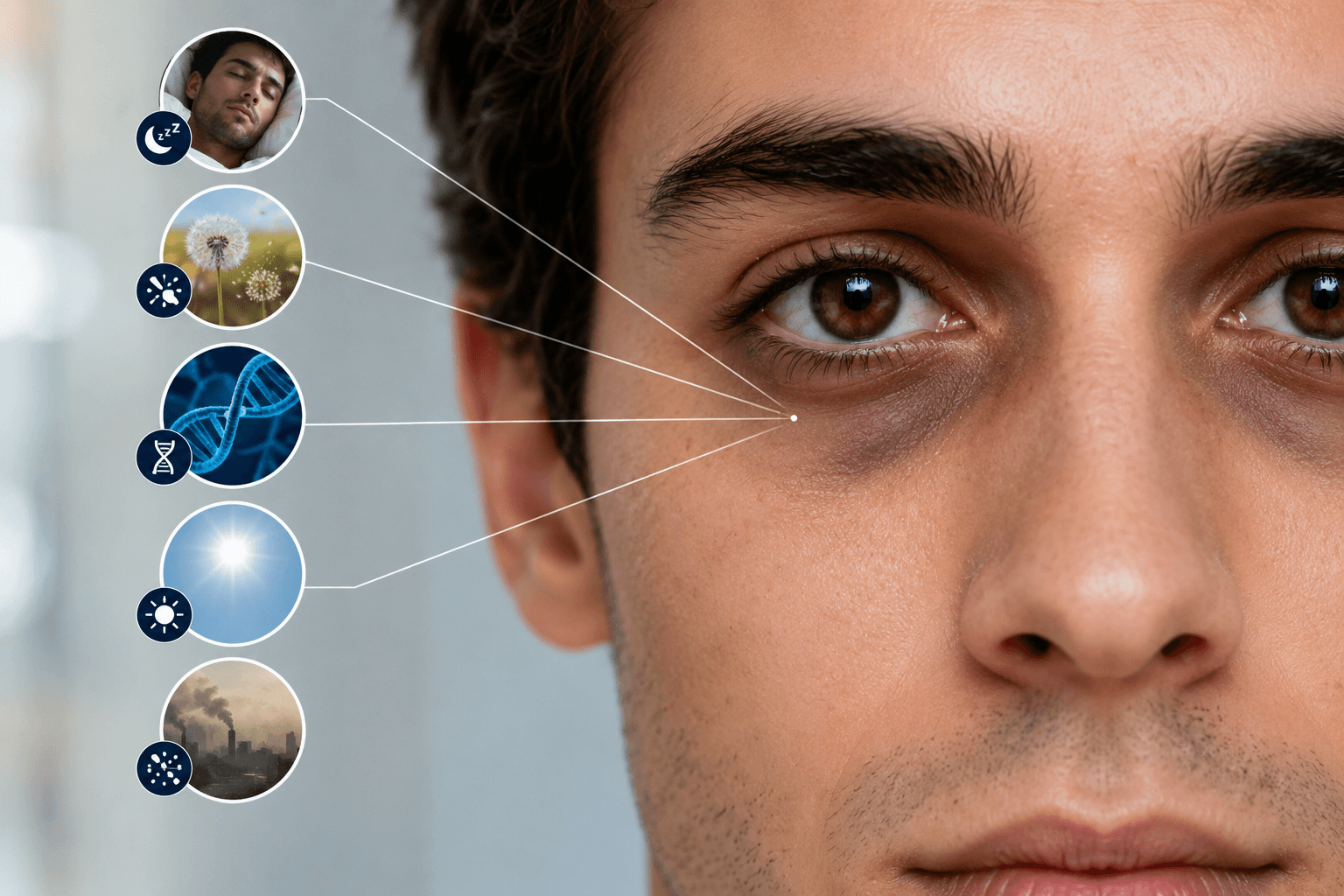
How to use the result
Look for repeatable patterns. If your cheeks look red after hot showers but calm in the morning, that is different from constant redness in every photo. If redness appears after a new product, pause and simplify before adding more active ingredients. If redness is paired with stinging, swelling, scaling, eye irritation, or pain, do not treat it as just a cosmetic issue.
A good AI result should give you a conservative next step:
- Retake photo in neutral light
- Track possible triggers for 2 weeks
- Simplify routine if irritation-looking redness is visible
- Consider professional advice if redness is persistent, painful, sudden, spreading, or affecting the eyes
What the checker cannot do
It cannot diagnose rosacea, eczema, dermatitis, lupus, infection, allergic reaction, sunburn severity, or medication reactions. It cannot know your symptoms. It cannot see what your skin feels like.
Use it as a private tracking tool. Let it help you notice patterns, improve photo consistency, and decide when a concern deserves a real clinician.
Run a private AI redness check on GlowUpFace.