Quick answer
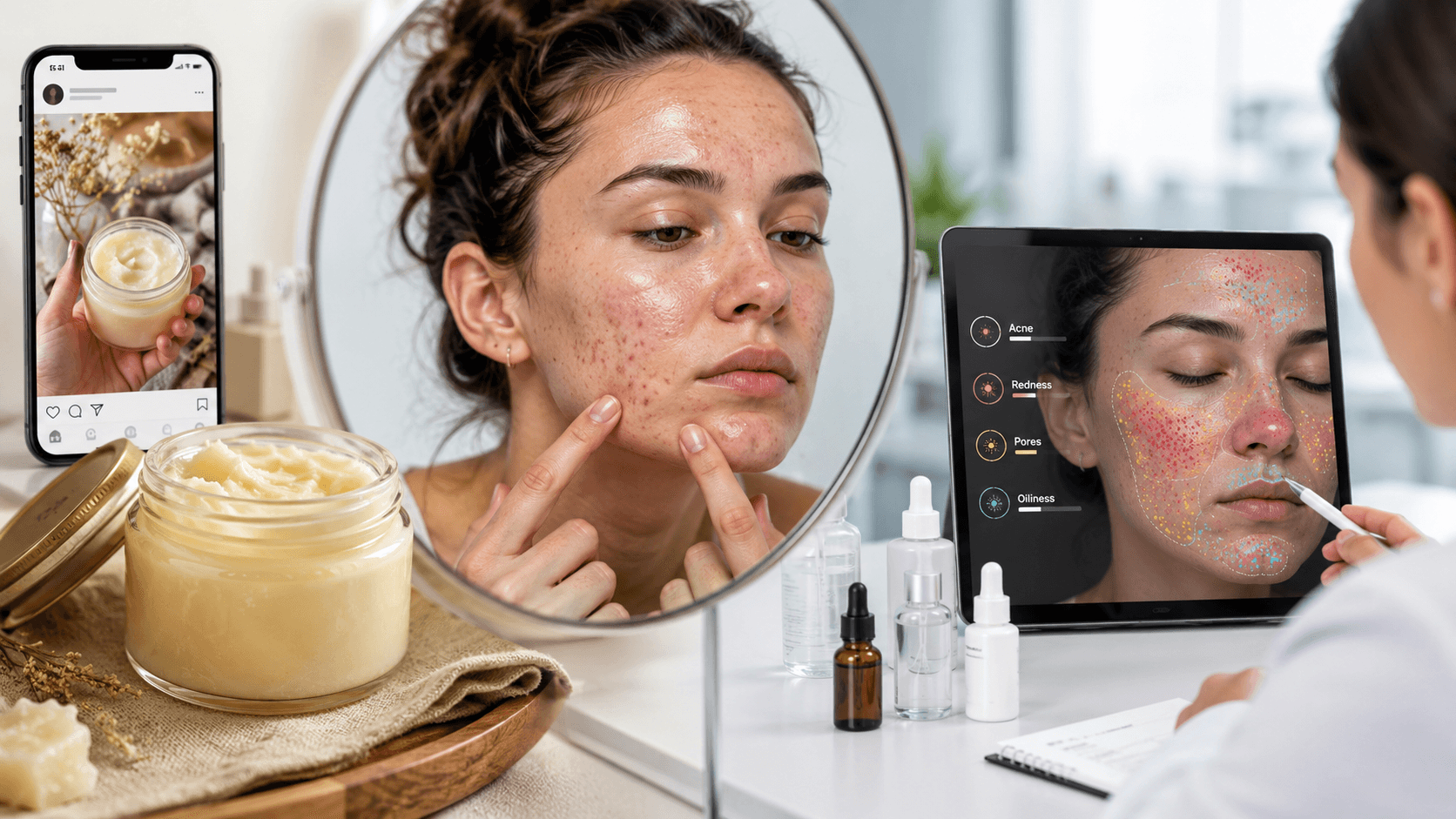
An AI acne scan can help you track visible blemishes, breakout clusters, redness, oiliness, and progress over time. It is best used as a consistency tool: same lighting, same camera, same angle, and the same time interval between scans.
It should not diagnose acne type, prescribe medication, or replace a dermatologist. The best use case is simple: make your skin progress easier to measure and harder to exaggerate emotionally.
What an AI acne scan can check
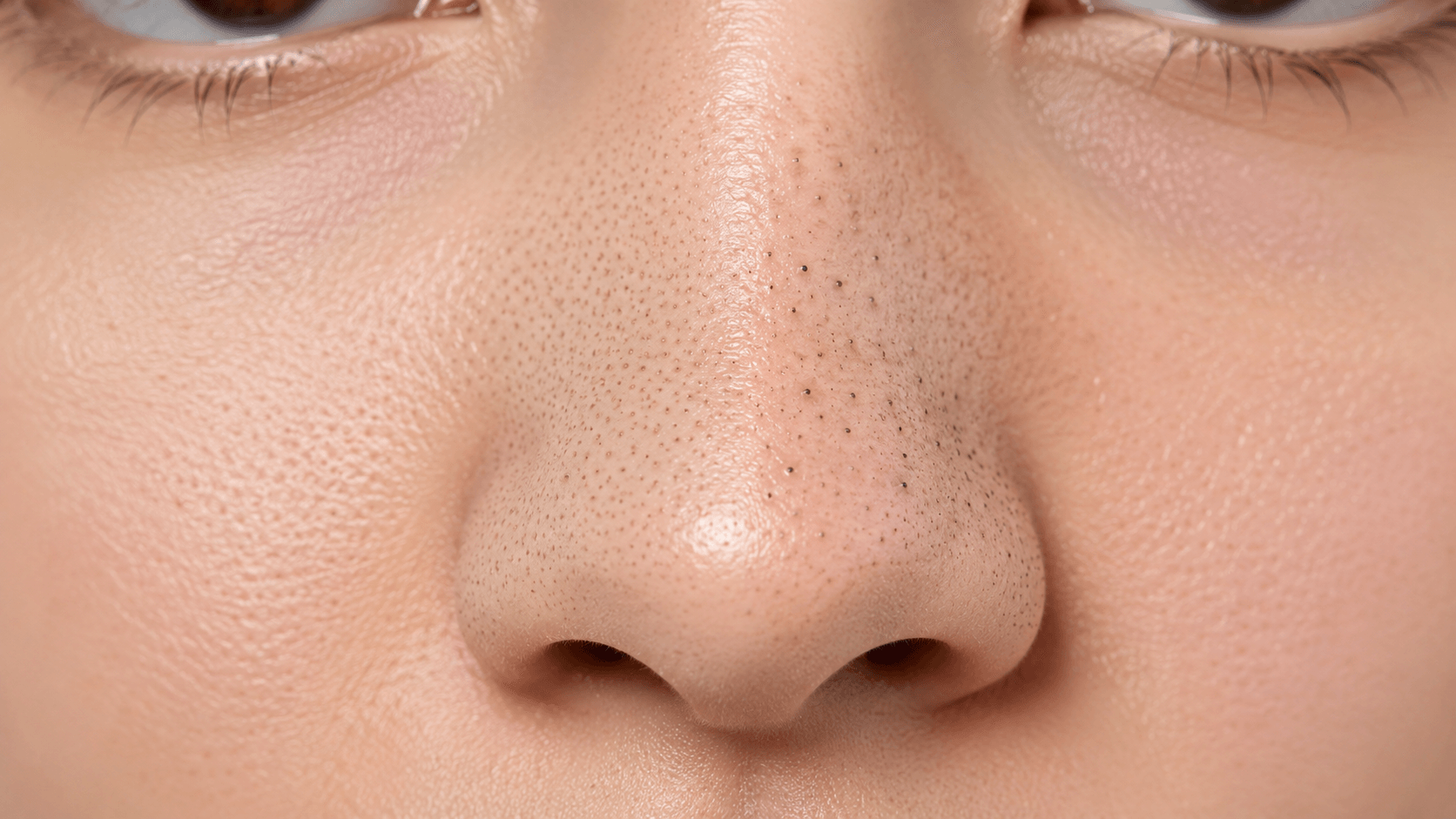
A practical scan can look for visible active spots, concentration areas, redness around blemishes, shine that may suggest oiliness, and whether breakouts appear to be changing across photos.
The most useful output is not “your acne score is 62.” A better output is:
- Main visible issue: active cheek breakouts
- Secondary issue: post-blemish redness
- Photo warning: skin is slightly blurred
- First tracking goal: reduce new inflamed-looking spots over the next 14 days
This turns the result into a plan instead of a judgment.
Why one selfie can mislead you
Acne can look worse after sweating, shaving, picking, sun exposure, heavy product use, poor sleep, or harsh lighting. A phone camera can also sharpen texture, change redness, or smooth skin depending on settings. If you compare a bathroom selfie to a daylight selfie, you may be comparing lighting more than skin.
That is why every scan should ask: is this photo good enough to compare? If the image is blurry, filtered, too close, too red, or taken from a new angle, the scan should treat the result as low-confidence.
How to take a good acne scan photo
Use clear, even, front-facing light. Remove filters and skin smoothing. Keep the camera at eye level. Pull hair away from the forehead and cheeks. Avoid scanning immediately after a workout, hot shower, shaving, exfoliating, or applying shiny products.
If you wear makeup, decide whether you are tracking bare skin or makeup-covered appearance. Do not mix the two in the same progress series.
How to use the result
Start with a baseline. Then choose one goal. For example:
- Fewer new inflamed-looking spots
- Less visible redness after breakouts
- Less shine in the T-zone
- Better consistency across forehead, cheeks, and chin
Change one thing at a time. If you change cleanser, moisturizer, sleep, diet, shaving routine, and sunscreen all at once, you will not know what helped. Retest every 1 to 2 weeks. Daily scans can make normal fluctuations feel more dramatic than they are.
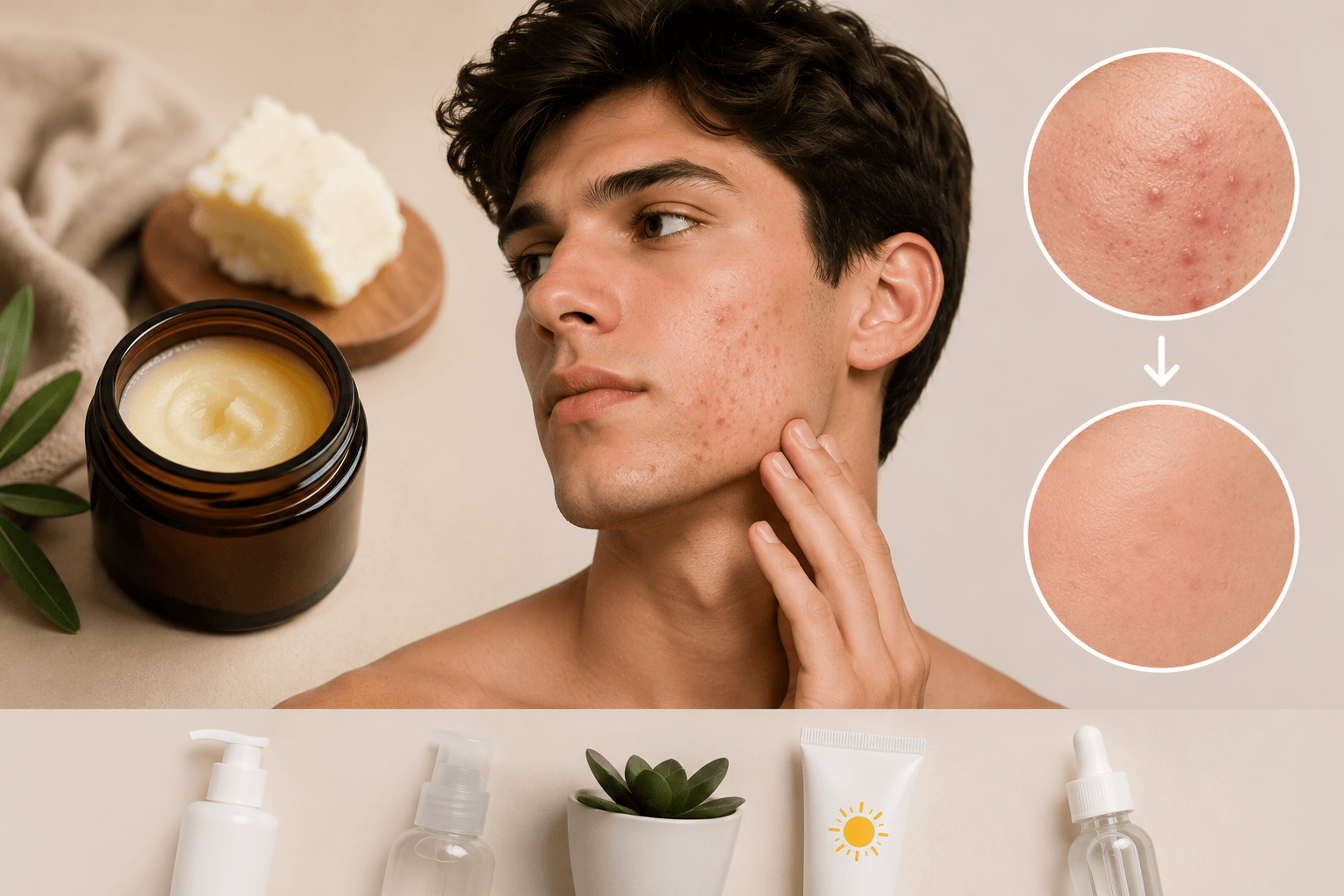
Skin-care basics that support tracking
A simple acne-friendly routine is usually easier to track than a complicated one. Use a gentle cleanser, avoid aggressive scrubbing, keep hands away from active blemishes, and look for non-comedogenic products when possible. Picking and squeezing can make blemishes last longer and increase the chance of marks or scarring.
Sunscreen also matters. Sun exposure can make post-blemish marks more noticeable and some acne treatments make skin more sun-sensitive. If you are using prescription or over-the-counter acne treatments, follow the product instructions and avoid stacking too many irritating actives at once.
What the scan cannot do
An AI acne scan cannot tell whether a bump is acne, rosacea, folliculitis, dermatitis, an allergic reaction, or something else. It cannot know your hormones, medication, diet, stress, sleep, or product history. It cannot safely tell you which prescription to use.
If your acne is painful, cystic, spreading, scarring, sudden, severe, or emotionally distressing, use professional care. The scan can help you document what you see, but it should not be the only decision-maker.
A simple 30-day acne tracking plan
Day 1: take a clear baseline photo and run the scan.
Days 1 to 14: keep the routine stable and avoid picking. Note sleep, shaving, workouts, and product changes.
Day 14: rescan in the same conditions. Look for trend direction, not perfection.
Day 30: compare baseline, day 14, and day 30. If the trend is worse or not improving, consider whether your routine is too irritating or whether you need professional advice.
Run a private AI acne scan on GlowUpFace.