Quick answer
Will a pushed-back hairline grow back? If a barber only clipped or shaved beyond your natural edge, the follicles remain under the skin. The cut hairs should grow at their usual rate, though the line may need several weeks to blend.
Leave the edge alone while it grows, and see a dermatologist for ongoing recession, patchy density, pain, crusting, or smooth shiny skin.
What a pushed-back line-up actually changes
A line-up creates a sharper edge by cutting small hairs along your forehead and temples. Taking that edge too far back shows more scalp at once, so the sudden change can resemble hair loss.
The visible shaft differs from the follicle, which sits inside the skin and produces each strand. Clippers and a routine surface shave shorten the shaft, but they don't move the follicle backward.
Mayo Clinic reports that shaving doesn't change hair's thickness, color, or growth rate. Blunt new stubble can look darker or feel coarser for a while.
How long the edge may take to return
Scalp hair grows about 1 centimeter each month on average, according to Cleveland Clinic. Your rate may differ, and follicles aren't all in the same growth phase.
Use the missing length for a rough estimate. At the average rate, replacing 5 millimeters takes about two weeks, while 2 centimeters takes about two months. Treat those numbers as a range, not a deadline.
A close shave may produce visible dots or stubble within days. The line won't look restored until those hairs can blend with the surrounding cut, which takes longer with more missing length.
How to tell cutting from actual hair loss
Check when the change appeared
A hairline that looked normal before the appointment and higher immediately afterward was probably cut back. Pattern hair loss usually changes more slowly, and the American Academy of Dermatology lists growing visibility over years as an early sign.
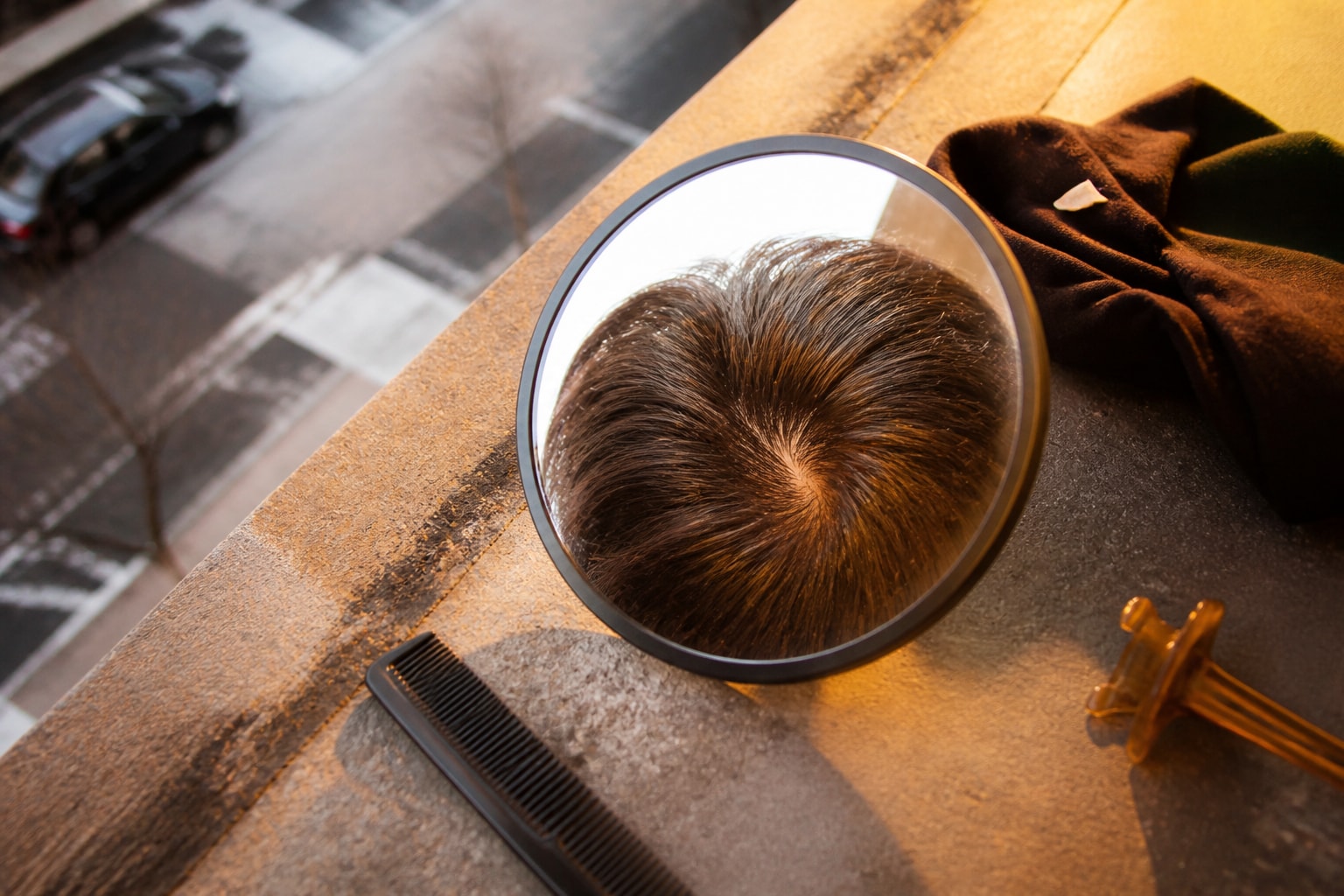
A haircut can still reveal thinning that had already started. Check older, unedited photos from before the last cut, including both temple corners and the density directly behind the edge.
Watch the hairs, not the drawn line
Short, blunt hairs appearing inside your former edge support a simple haircut explanation. Their length should increase over the next few weeks, while a border that keeps moving backward needs a closer look.
Broken edge hairs, pain, stinging, crusts, and shiny bald skin can occur with traction alopecia. That condition comes from repeated pulling, not from one ordinary pass with clippers.
Make one fair photo series
Take a front photo and one of each temple now, save them privately, and repeat weekly for four weeks. Use dry hair, the same room, camera distance, and light without pulling your hairline tight.
Weekly images show direction without making you inspect the mirror all day. Lengthening hairs show measurable regrowth, while an expanding bare area is useful evidence to bring a dermatologist.
What to do while it grows
First, stop re-edging the area because each clean-up can remove returning hairs and restart the visible wait. Tell your next barber to follow the natural edge and leave the temple corners alone. An older photo can show where that edge sat.
Don't start an aggressive hair-loss routine for a cutting mistake. Microneedling, prescription drugs, and mail-order treatments aren't fixes for missing shaft length. If you may have true hair loss, get the cause checked before choosing treatment.
Care for any razor irritation instead. Close shaving can make a cut hair curve into the skin and inflame the follicle, known as pseudofolliculitis or razor bumps. DermNet says it can happen on any shaved site, especially with tightly curled hair.
Pause close shaving if you develop itchy or tender bumps, and don't pick them or run a razor over them. Seek medical care if bumps contain pus, keep spreading, or leave raised scars.
You don't need to shave the whole head, though doing so may make all lengths match. It won't speed follicle growth and may create more bumps if close shaving already irritates your skin.
Signs the barber may not be the whole story
A pushed-back cut should improve as the clipped shafts lengthen. These patterns deserve a professional check instead:
- The temples or front edge were thinning before the appointment.
- The boundary continues moving back without another line-up.
- Hairs behind the edge look progressively finer or less dense.
- Tight braids, locs, extensions, or headwear cause pulling, pain, or stinging.
- The scalp has persistent scale, crusts, pus, burning, or tenderness.
- A bare area looks smooth and shiny rather than stubbly.
Repeated tension matters because it can injure follicles over time. The American Academy of Dermatology says early traction alopecia may show broken forehead hairs and a receding edge. Continued pulling can eventually leave shiny skin where hair no longer grows.
If the area shows no clear growth after about two months, book an exam based on average scalp growth. This timing is a practical checkpoint, not a diagnosis. Go sooner for pain, inflammation, rapid change, or a spreading bald patch.
A dermatologist can compare hair thickness, inspect follicle openings, and look for inflammation. That helps separate clipped hair from traction, pattern loss, or a scarring condition. Starting random treatments first may irritate the scalp without addressing the cause.
How to prevent another pushed-back edge
Let the new hairs grow beyond stubble before asking for another shape-up. At the appointment, say, “Keep my natural front edge and don't take the corners back.” Show the barber a photo of a line-up you liked.
Check the edge before a razor finish, since a barber can soften stray hairs without redrawing your whole hairline. If the same person keeps cutting past your request, choose someone else.

FAQ
How long does a pushed-back hairline take to grow back?
Hair grows about 1 centimeter per month on average. A few millimeters may return within weeks, while a larger length difference may need several months to blend. Your growth rate and hairstyle affect what you notice.
Can one haircut permanently push back a hairline?
A routine cut or shave shortens hair above the skin and should not relocate the follicles. An actual wound, repeated traction, or an existing hair-loss condition is different. Get persistent bare or scarred-looking areas examined.
Does shaving the hairline make it grow back thicker?
No. Mayo Clinic says shaving doesn't change thickness, color, or growth speed. The new shaft has a blunt end, so early stubble may look darker or feel rougher.
Should I use minoxidil after a bad line-up?
Not for clipped hairs that are already growing normally. Minoxidil treats certain forms of hair loss, but it doesn't replace length removed by clippers. Ask a dermatologist first if your photos show continuing recession or thinning.