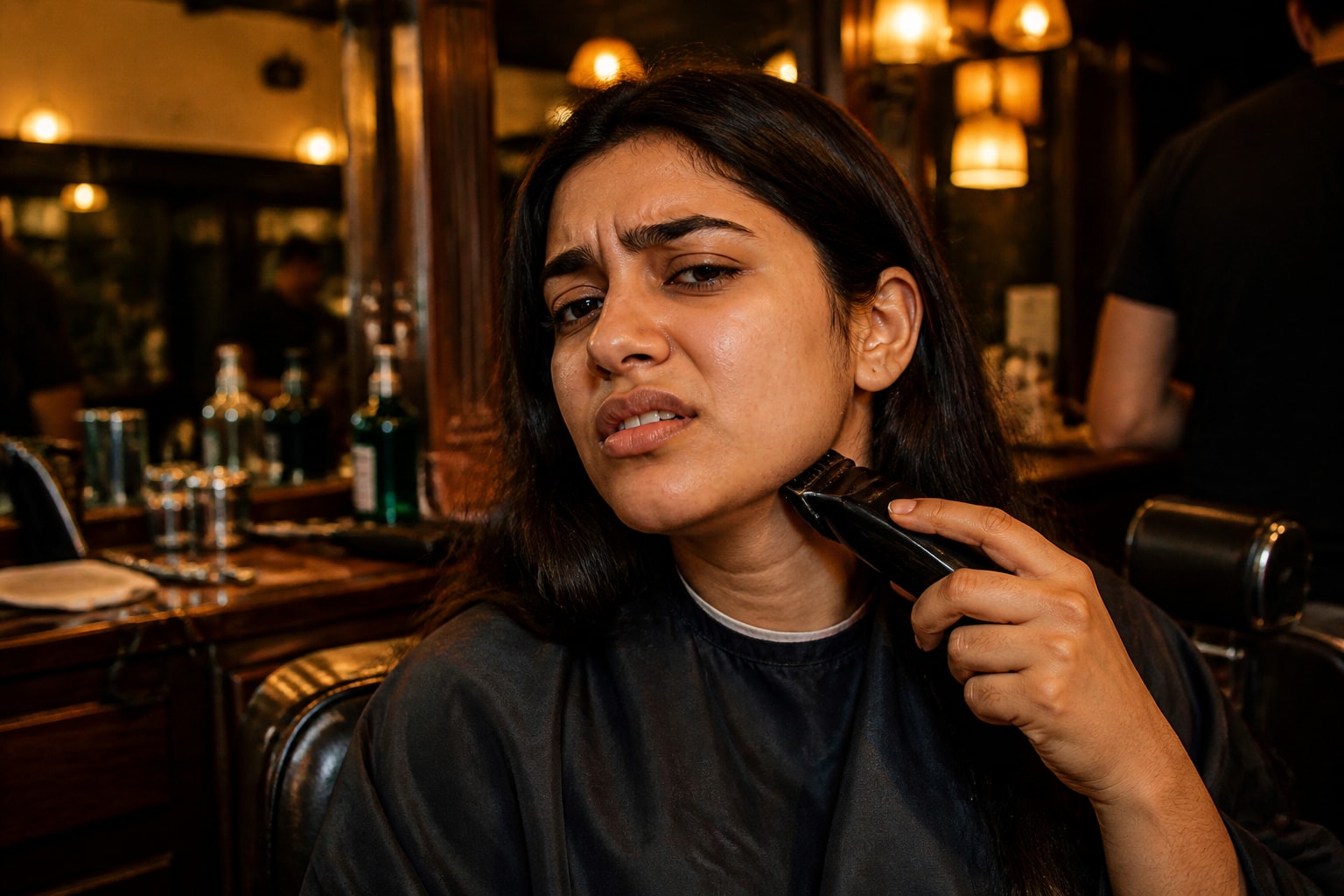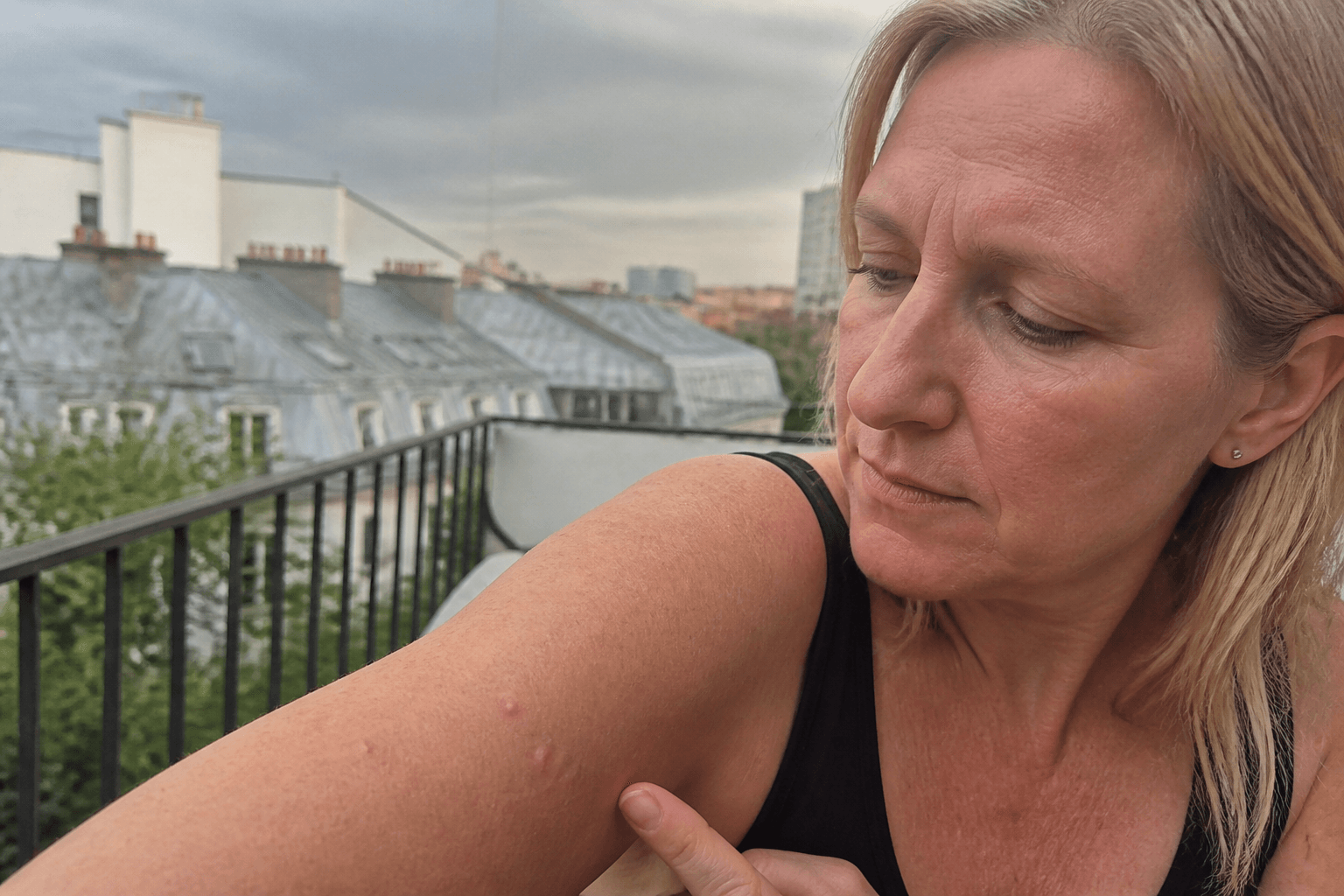
Quick answerPimples after laser hair removal can be expected swelling or an acne-like reaction around treated hair roots. Redness and swelling that start right away usually settle within one to three days. New itchy, tender, or pus-filled bumps may point to folliculitis and need a closer look.Don't squeeze the bumps or copy a drug routine from social media. Follow your clinic's aftercare, keep the area calm, and get help if the reaction worsens.## First, work out which pattern fitsLaser hair removal sends light into pigment within the hair, where it becomes heat and harms the hair root. This damage slows later growth.Brief swelling is part of that process, so how the bumps look and when they start offer good clues. They can't prove the cause, so contact the treating clinic when the pattern isn't clear.### Expected redness and swellingThe American Academy of Dermatology says mild redness and swelling are common, usually lasting one to three days. They can resemble a mild sunburn.This response starts during or soon after treatment, often as pink, swollen skin without pus-filled spots. It shouldn't keep becoming more painful or develop spreading pus-filled spots.### An acne-like reactionA 2006 study across several clinics recorded acneiform reactions after laser hair removal in 6% of treated patients. Most recorded reactions were mild and short-lived, but that number needs context.Clinic staff logged cases on forms, and the lasers and settings came from practice two decades ago. It isn't your own risk score or a current rate for every clinic.“Acneiform” means the rash looks like acne; it doesn't prove sunscreen, clogged pores, or extra oil caused it.### FolliculitisFolliculitis means the hair roots are inflamed. Mayo Clinic lists clustered bumps, itching, burning, soreness, pus, and crusting as possible signs.Some cases involve germs, while others follow damage and may not start as an infection. You can't tell which cause applies from a selfie.A 2020 report covered one man with a severe rash around the hair roots after laser treatment. The authors thought shed hair pieces caused the immune response as they pushed through the skin.That theory may fit, but it hasn't been proved for all cases, and one report can't establish your best treatment.### A stronger laser reactionThe AAD and Mayo Clinic list blistering, crusting, scarring, and lasting color changes among uncommon side effects. Pain that gets worse also needs quick review.Don't label blisters or raw patches as acne; contact the treating clinic promptly so a doctor can assess the skin.## What to do todayStart with your clinic's aftercare plan because its staff know the device, settings, treatment area, and products used on your skin.- For new redness and swelling, place a clean, cool compress on the area. The AAD says this can ease pain after laser treatment.- Wash gently if your aftercare plan allows it. Avoid scrubbing, rubbing, picking, or repeatedly checking the bumps with your fingers.- Keep tight clothing and repeated friction away from a treated body area. They can further irritate treated hair roots.- Pause shaving over active bumps. Don't wax, pluck, or scrape hairs from the inflamed skin.- Protect exposed skin from the sun. Mayo Clinic advises broad-spectrum SPF 30 or higher after treatment, alongside your clinic's timing instructions.For bumps that fit folliculitis, the AAD advises a warm compress for 15 to 20 minutes, three or four times daily. Ask your clinic first if the area still feels hot from treatment or you aren't sure which reaction you have.Keep the routine boring.Don't start leftover antibiotics, steroid creams, antifungals, acids, or a harsh acne routine on freshly treated skin. The cause can vary, so a doctor should choose any drug treatment after seeing the rash.The 2020 case report included drugs and a plan to prevent more bumps, but that plan had doctor oversight and wasn't for home use.## When to contact a clinicianCall the treating clinic when bumps spread, become more painful, fill with pus, or fail to start easing. Contact them sooner for blisters, crusting, skin breakdown, or a clear darkening or lightening of the treated area.Mayo Clinic advises urgent medical care for sudden increases in redness or pain, fever, chills, or feeling unwell. These can signal a spreading infection.Book a doctor visit for a broad rash lasting one or two weeks, or earlier if symptoms worsen or the cause remains unclear. A dermatologist can separate folliculitis from acne, ingrown hairs, dermatitis, and laser damage.## Before your next sessionBefore the next treatment, tell the clinic when the bumps began, whether they itched or hurt, and when they cleared. A clear timeline helps more than trying to name the condition yourself.Ask whether a doctor's review is needed before the next session, because the AAD says safe timing varies by patient. Don't change the session timing or ask for stronger settings to speed results.Skill matters because the AAD warns that burns, scars, and permanent color changes can occur in inexperienced hands. Mayo Clinic says to choose trained staff with medical oversight and experience with your skin tone.Follow the clinic's prep plan, which may include avoiding tanning, pausing waxing or plucking, shaving the day before, and using daily sun protection. Don't proceed over an active, unclear rash without the clinic reviewing it.Laser treatment doesn't work by “opening pores”; its established action is heat damage to the hair root. Post-laser bumps may be normal swelling, folliculitis, or another reaction, so the right response depends on the pattern.## FAQ### Are pimples normal after laser hair removal?Mild red swelling around treated follicles is common and usually lasts one to three days. Pus-filled, itchy, spreading, or increasingly painful bumps aren't the same routine response and should be checked.### How long should post-laser bumps last?Usual redness and swelling often clear within three days, while the 2006 study described most acne-like rashes as short-lived. Seek care sooner if the bumps worsen, and book a doctor visit if a broad rash remains after one or two weeks.### Can I use benzoyl peroxide or salicylic acid on the bumps?Don't add either product without clinic approval, because newly treated skin may be sore and pimple-like bumps have different causes. One case report doesn't show that its drug plan suits every rash.### Should I cancel my next laser appointment?Ask the treating clinic to review active or unclear bumps before the next session, since changing the schedule won't show what caused them.