Quick answer
Hair splinters after a haircut happen when a cut hair pierces your skin and becomes lodged inside. First wash away loose clippings, then check whether a fragment remains embedded. You can gently remove a small, superficial fragment with clean tweezers if its tip sticks out; leave deep or difficult fragments to a clinician.
Why a tiny clipping can hurt
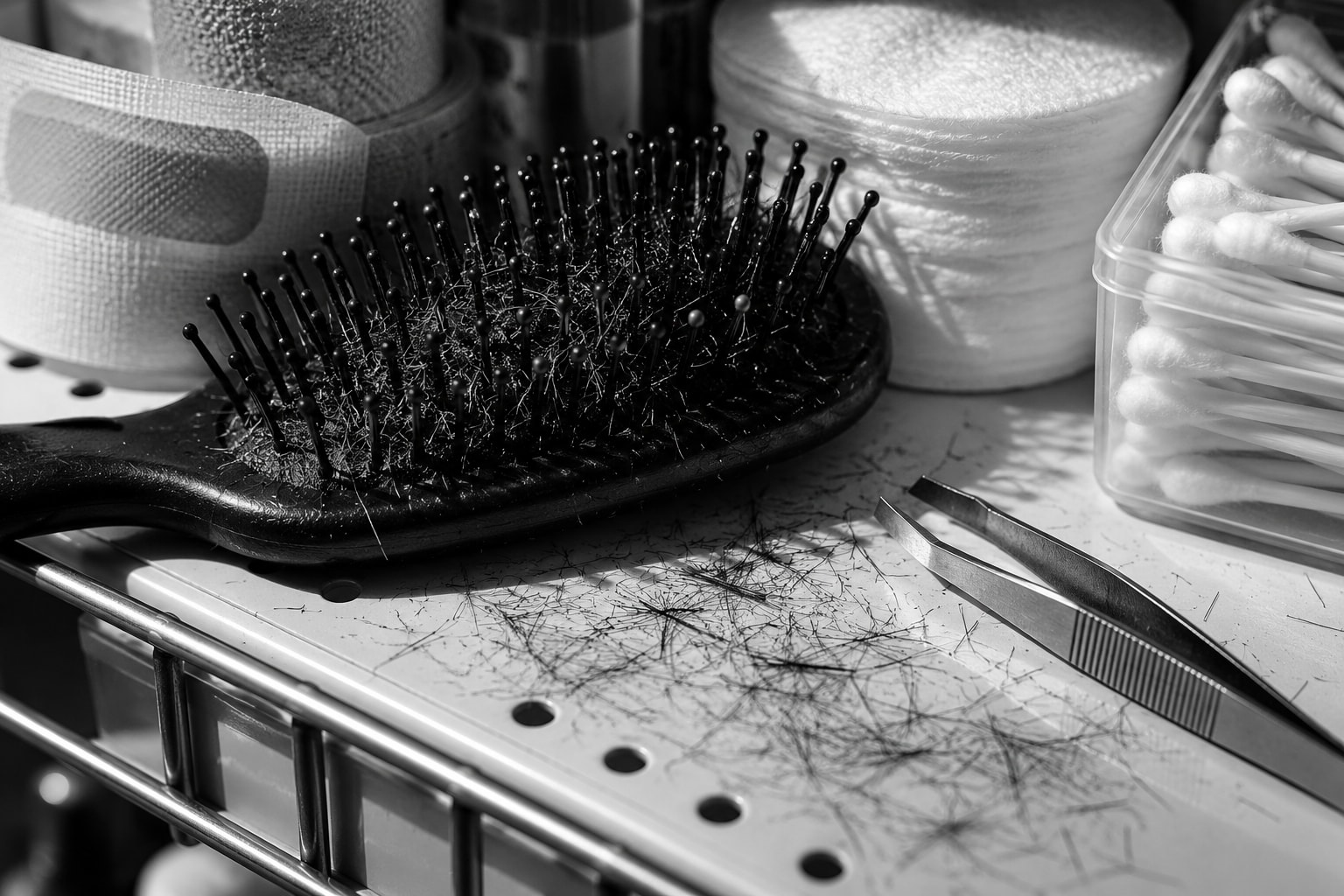
DermNet describes cut hairs acting like splinters, piercing hands, slipping beneath fingernails and entering other exposed skin. They can cause pain, irritation or infection.
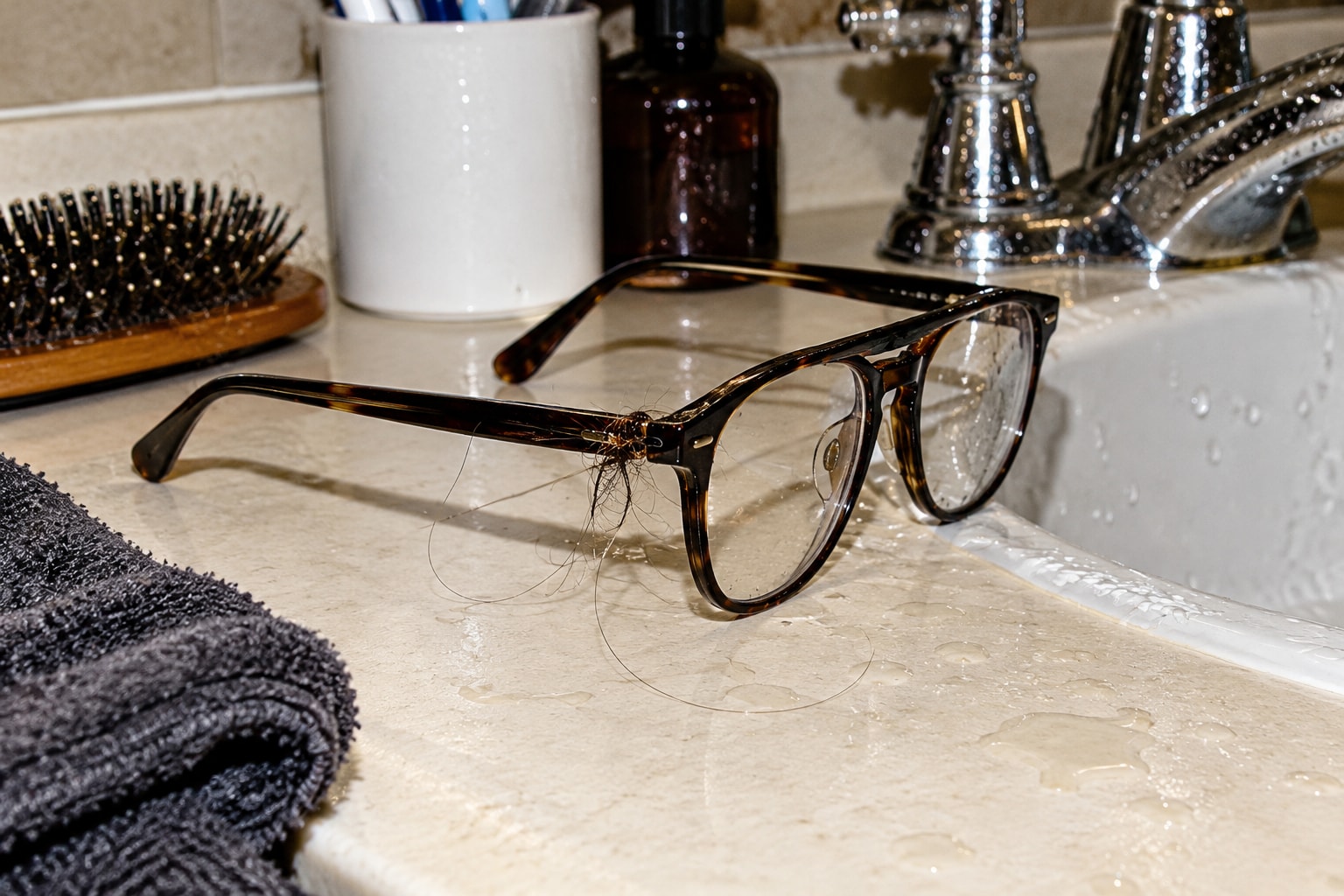
Check your fingers and feet after handling cut hair or walking through clippings, even if you don't work in a salon. The source can be human hair or pet hair.
In Skin Appendage Disorders, Trüeb and colleagues reported two embedded hairs causing foot pain in a 55-year-old woman. She didn't know where they came from.
That single case confirms the problem exists, but it cannot tell us how often salon clients get splinters.
Check what's actually stuck
An itchy neck doesn't prove you have a hair splinter. DermNet also lists friction and hair products among causes of irritation around hairdressing.
Gently wash exposed skin and remove clothing covered in clippings before inspecting the sore spot under good light. Don't keep rubbing it to test whether it hurts.
- Loose clippings sit on your skin or clothing. If washing removes the hairs and the discomfort stops, there's no reason to search beneath your skin.
- An embedded fragment stays caught in your skin and might look like a fine line or an exposed end. Appearance alone doesn't confirm its identity.
- An ingrown hair grows back into the skin from a follicle. The NHS describes raised, often itchy bumps, especially in areas you shave.
A clipping lodged in your finger needs different care from recurring bumps along a shaved neckline.
If you can't identify a fragment, don't treat a dark dot as something that needs extracting. Have persistent pain checked instead.
How to remove an exposed tip safely
Home removal is reasonable only when the fragment is small, superficial and easy to grasp. These steps follow the American Academy of Dermatology's general splinter guidance.
- Wash your hands and the affected area with soap and water, then pat dry.
- Use a magnifying glass if needed to see the fragment and its entry angle.
- Clean the tweezer tips with rubbing alcohol.
- Grip the exposed end and gently draw it out along the angle it entered.
- Stop if it resists, breaks or disappears beneath the skin. Don't squeeze, dig or make a cut.
- Once it's out, clean the area, apply a little petroleum jelly and cover it with a clean plaster.
Keep any removal attempt gentle and brief, because squeezing can break a splinter into pieces that are harder to remove.
Afterward, replace a wet or dirty plaster and keep the area clean. The NHS advises keeping a small wound covered until it has closed.

When to get medical help
Leave a deep fragment, anything near your eye, or a suspected splinter you can't remove easily to a clinician. Don't keep reopening the same spot.
Get prompt medical advice if swelling or redness increases, pain worsens, pus appears, or you develop a fever or feel unwell. These are infection warning signs in NHS wound guidance.
Redness can be harder to see on brown or black skin. Don't wait for a bright red patch if the area feels hot, swollen or increasingly painful.
A clinician may use a dermatoscope, which lights and magnifies the skin, to identify a fragment, as Trüeb's team did.
If pain persists after removal, arrange an examination rather than assuming another hair needs pulling. Tell the clinician when you handled clippings and what you've already tried.
Reduce contact with clippings next time
Check where clippings collect, especially if the problem keeps returning.
Practical Dermatology reported a 44-year-old man's recurring heel splinters, which stopped after he discarded shoes suspected of trapping hair. The authors proposed that friction during walking pushed the hairs into his skin.
This was one patient's experience.
Based on that exposure advice, try this after your next cut or home trim:
- Wash loose clippings from your hands and exposed skin after the cut.
- Change out of clothing that still holds cut hairs.
- Clear clippings from the floor before walking through the area.
- Wear closed shoes when cutting hair, and check inside them afterward.
- If you handle clippings repeatedly, consider suitable protective gloves.
These steps reduce contact with loose fragments, though they aren't a guarantee against getting another splinter.
FAQ
Can hair splinters come out on their own?
Some superficial splinters can work their way out, but you can't predict which will. The hair-splinter paper notes that others remain deeply embedded and are difficult to remove. Don't wait on a painful or inflamed fragment, and don't dig for one you can't reach.
Can a hair splinter cause an infection?
Yes, DermNet identifies infection as a possible complication of hair fragments piercing the skin, although it isn't inevitable. Seek medical advice for increasing pain, swelling, warmth or pus rather than trying to drain the area yourself.
Will washing after a haircut prevent hair splinters?
Washing helps clear loose hair before prolonged contact, but it cannot guarantee prevention or remove every embedded fragment. Cleanup advice comes from clinical reports and exposure prevention, rather than trials comparing post-haircut washing routines. If one spot still hurts after washing, inspect it gently and seek help if it remains unclear.