Quick answer
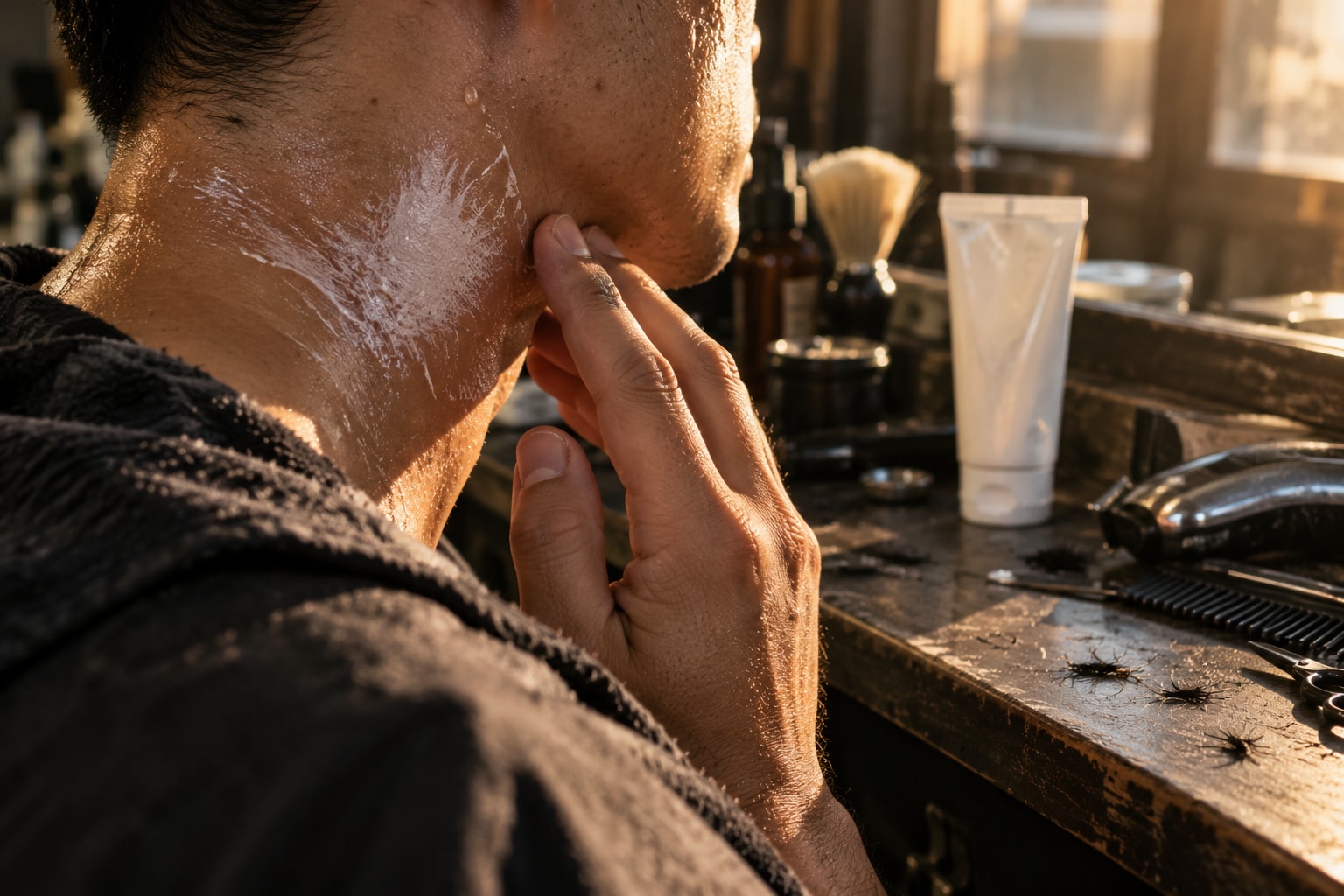
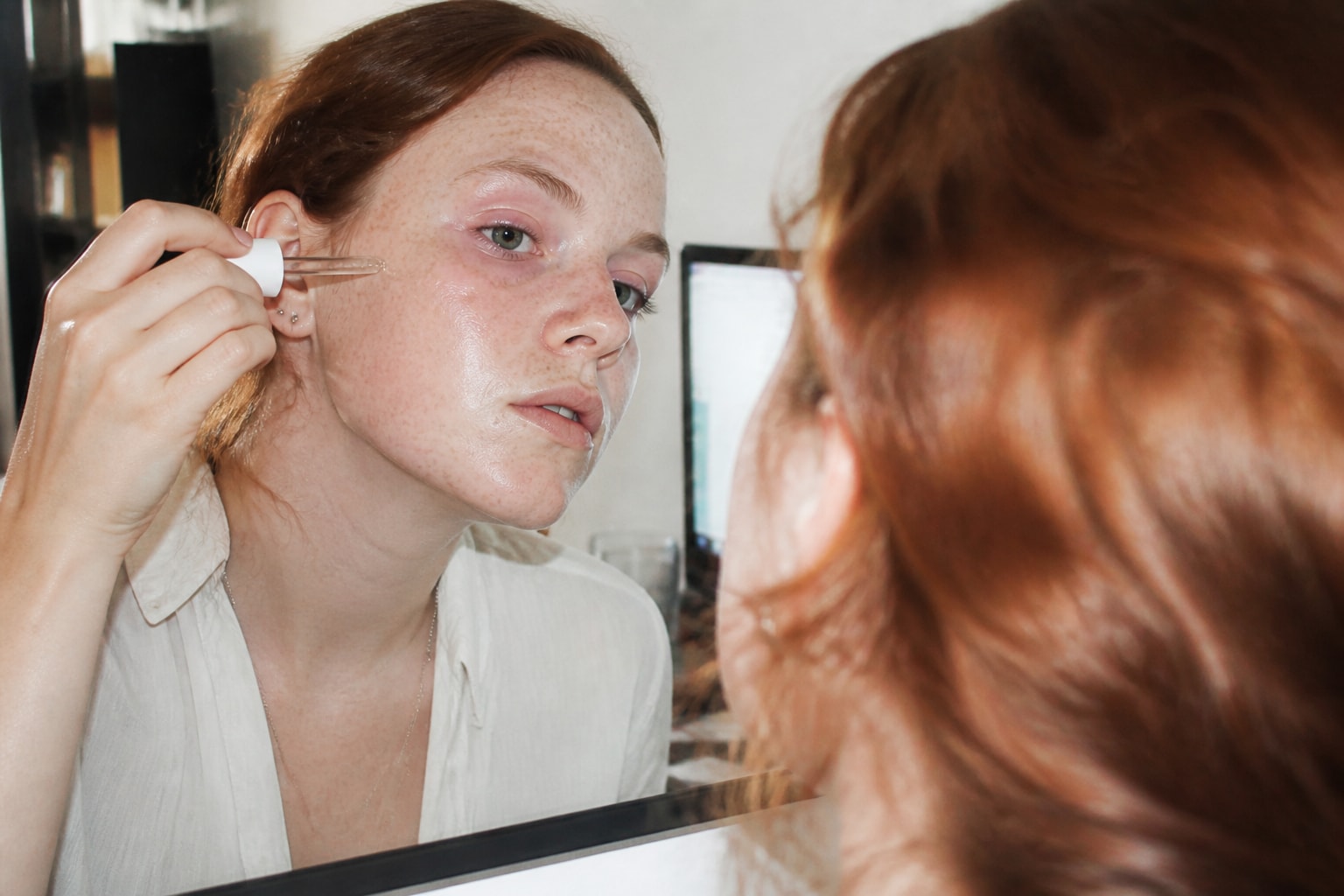
Why does glycolic acid burn after shaving? A razor can disturb the skin's outer barrier, while glycolic acid sheds surface cells. Using them together can turn a faint tingle into irritation, especially after a close or dry shave.
If the area keeps burning, rinse it with cool or lukewarm water and pause irritating products until the skin feels normal. Severe pain, blisters, marked swelling, or raw skin need prompt medical advice.
Why glycolic acid burns after shaving
Shaving cuts hair, but the blade also rubs the skin around each hair. Repeated passes, a blunt blade, or shaving without enough water and gel can leave tiny nicks and weaken the surface barrier.
A 2023 laboratory study used human skin models to mimic damage from a dry shave. The model showed barrier disruption and inflammatory changes. Gillette Classic Sensitive foam reduced some damage in that model. P&G funded the work and employed five authors, so treat it as mechanism evidence rather than a real-world timing trial.
Glycolic acid is an alpha hydroxy acid, or AHA, which the FDA says causes shedding of surface skin. Its effect depends on the acid type, concentration, product pH, and the rest of the formula.
Together, those effects plausibly explain why glycolic acid stings more on freshly shaved skin. Small cuts may burn first, while an overworked patch may stay red and tender.
Two products with the same stated concentration can feel different because pH and the full formula also shape their effect.
A tingle is not the same as a burn
No useful rule says a product must tingle to work, so judge the reaction by what happens after application.
- A brief sensation that stops quickly may not leave a visible reaction. Glycolic acid does not need to tingle, so do not add more.
- Burning that continues with redness, tightness, or tenderness points to irritation, so rinse the product off and pause active products.
- Worsening pain, blisters, marked swelling, heavy peeling, or raw skin can signal a chemical burn. If you suspect one, start prolonged rinsing and get urgent medical advice.
Pain is not proof that glycolic acid is reaching deeper or working faster. FDA reports involving AHA products have included burning, rash, swelling, blisters, peeling, and chemical burns. Those reports do not show how common each reaction is.
What to do when glycolic acid burns
Rinse first with plenty of cool or lukewarm running water, without scrubbing, and remove any product left on nearby skin.
For mild irritation on intact skin, take a cautious reset while it recovers. Stop glycolic acid, scrubs, other acids, retinoids, and benzoyl peroxide on that area. Once the burning has settled, use only a plain fragrance-free moisturizer that you already tolerate.
Do not try to neutralize the acid with baking soda, vinegar, or another home mixture because another chemical makes the reaction harder to control.
Protect exposed skin because the FDA recommends sun protection during AHA use and for one week afterward. Follow the product label, use sunscreen on intact skin, and limit direct exposure.
Treat blistering, marked swelling, severe pain, or raw skin as more than routine stinging. NHS guidance for a suspected chemical burn calls for cool or lukewarm running water for about one hour and prompt medical care. Do not put creams or other chemicals on a suspected burn.
Get urgent help if the product reached your eyes, and keep rinsing while you arrange care.
How to retry more safely
Wait until the area has no redness, tenderness, peeling, or open nicks and feels like its normal baseline.
No clinical study sets a universal 12-hour or 24-hour wait for every product, shave, and person. Your product's directions and your skin's condition matter more.
Use this cautious test:
- On a day you did not shave, follow the label on a small area.
- Keep other exfoliants off that area so you can identify the trigger.
- Stop if burning returns on calm, unbroken skin.
If the test is comfortable, keep shaving and glycolic acid on separate days. The available studies do not show a benefit from applying acid to fresh cuts.
The product may still be a poor fit, and repeated burning is reason enough to stop.
Make the shave less irritating
A gentler shave gives any later skincare a better starting point. The American Academy of Dermatology recommends wetting the skin and hair first, then applying shaving cream or gel. Shave in the direction of hair growth and rinse the blade after each pass.
Use light strokes with a sharp blade, and replace it after five to seven shaves, as the academy advises. DermNet also recommends short strokes, no skin stretching, and avoiding a second pass over the same area.
If close blade shaving keeps causing bumps or soreness, an electric shaver may suit you better. A dermatologist can help with painful bumps, pus, scarring, or dark marks that keep returning. Stop the product and seek advice for a recurring itchy rash or swelling, even without shaving.
Glycolic acid can help some razor bumps
Burning does not rule glycolic acid out forever, but the timing, formula, frequency, or skin condition needs to change.
An older study tested a glycolic acid lotion in two placebo-controlled trials involving 35 men with pseudofolliculitis barbae. The condition means inflamed razor bumps caused by ingrown hairs. The treated side showed more than a 60% reduction in lesions.
The result has limits: the study was small, published in 1993, and tested one lotion on facial razor bumps. It did not prove that any glycolic toner is safe immediately after shaving. DermNet lists glycolic acid preparations as one option, alongside better shaving technique and good moisturizing.
FAQ
How long after shaving can I use glycolic acid?
There is no research-backed waiting time, so wait until you have no redness, soreness, or broken skin. If you tend to sting, test glycolic acid on a non-shave day and keep the two steps on separate days.
Does burning mean glycolic acid is working?
No. Glycolic acid can exfoliate without painful burning. A faint, brief tingle may occur, but continuing pain, redness, or tenderness points to irritation and is a reason to rinse.
Will a lower glycolic acid percentage prevent burning?
A lower percentage may help, but pH and the full formula also change how strongly an AHA exfoliates. Even a lower-strength product can sting shaved or damaged skin.
Can glycolic acid prevent ingrown hairs after shaving?
It may help some razor bumps, but evidence includes one small, older trial in only 35 men. Better shaving technique comes first, and persistent inflamed bumps deserve a dermatologist's assessment.