Quick answer
Dry lips after brushing teeth can come from toothpaste residue on the lip surface. Flavorings, detergents, and other ingredients may irritate sensitive lips or trigger contact cheilitis.
Don't stop brushing or abandon fluoride. Test one simpler fluoride toothpaste, protect your lips with a plain ointment, and get help if swelling or soreness persists.
Why toothpaste can leave your lips dry
Toothpaste reactions are real, but they are uncommon. DermNet lists irritant cheilitis and allergic contact cheilitis among possible reactions to oral-care products.
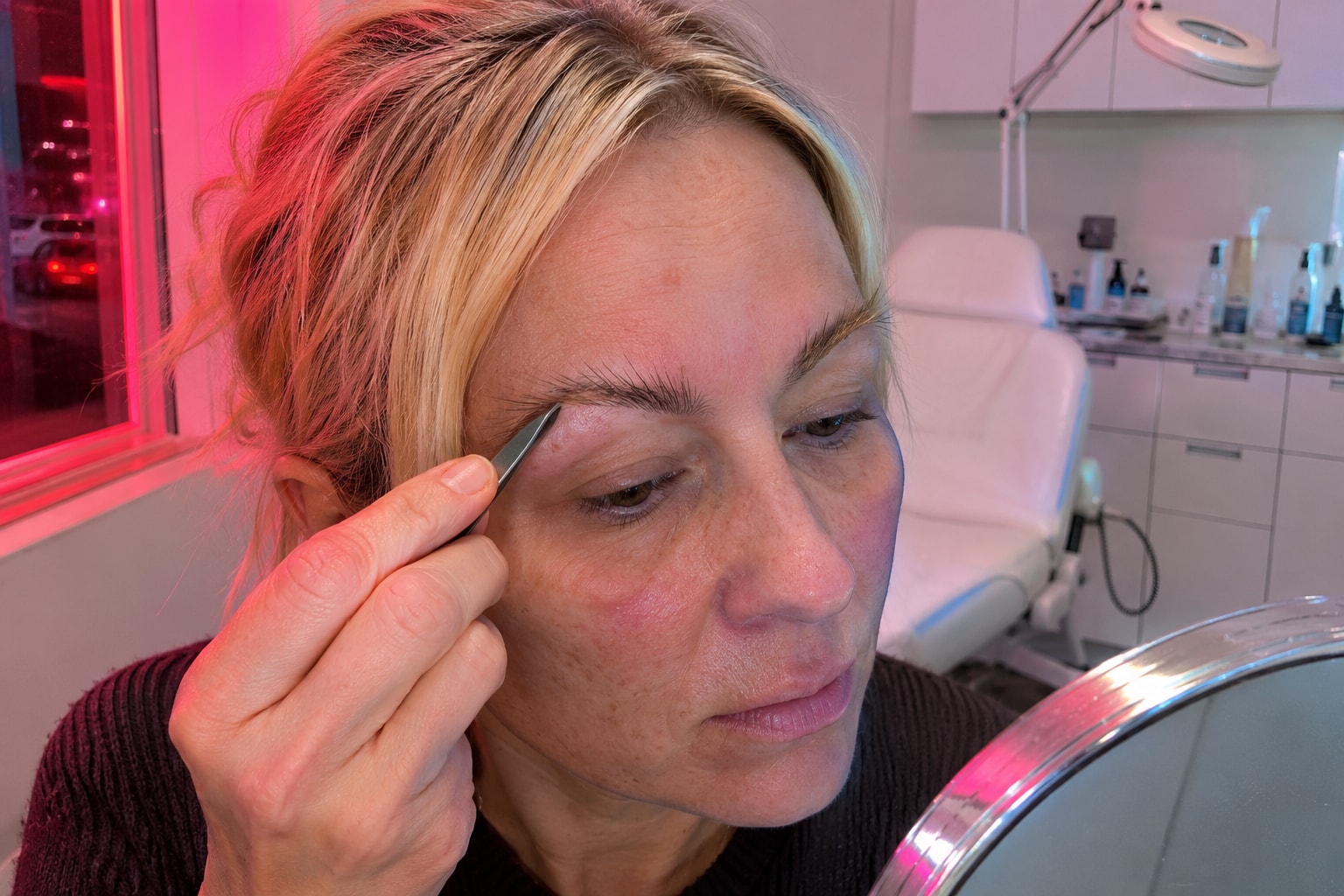
Both can look like dryness, scaling, redness, burning, itching, or small cracks. The skin around your mouth may also become sore or flaky.
Timing is your strongest clue. Suspect your toothpaste when your lips feel worse soon after brushing and settle when you use another product. That pattern still doesn't prove an allergy.
Irritation and allergy aren't the same
An irritant reaction happens when an ingredient or repeated exposure damages the lip barrier. It can start with stinging or burning during brushing.
An allergic reaction involves your immune system. It may appear after you have used the same toothpaste without trouble for months. Itching, swelling, or an eczema-like rash makes allergy more plausible, but appearance alone cannot confirm it.
A dermatologist may use patch testing when contact allergy is suspected. DermNet warns that toothpaste tested directly can itself irritate skin, so home patch tests are unreliable.
Flavoring is a common suspect
The American Dental Association names spearmint, peppermint, cinnamon, and other aromatic oils as common sources of toothpaste contact reactions. A label may group them under the word “flavor” rather than name each compound.
Menthol can also irritate oral tissue. A strong cooling feeling isn't proof that a toothpaste is cleaning better.
“Natural” doesn't mean gentler here. Mint and cinnamon oils come from plants, yet they can still cause irritation or allergy.
SLS is possible, but don't assume it is guilty
Sodium lauryl sulfate, or SLS, is a detergent that helps toothpaste foam. A 2022 scoping review linked it with possible oral irritation, inflammation, and peeling.
The same review called the evidence limited. Most of the research covered the tissue inside the mouth or recurrent ulcers, not ordinary dry lips. An SLS-free trial is reasonable, but it isn't a diagnosis.
Other reported irritants or allergens include cocamidopropyl betaine, propylene glycol, pyrophosphates, and some preservatives. That long list is why changing one variable beats guessing from the front label.
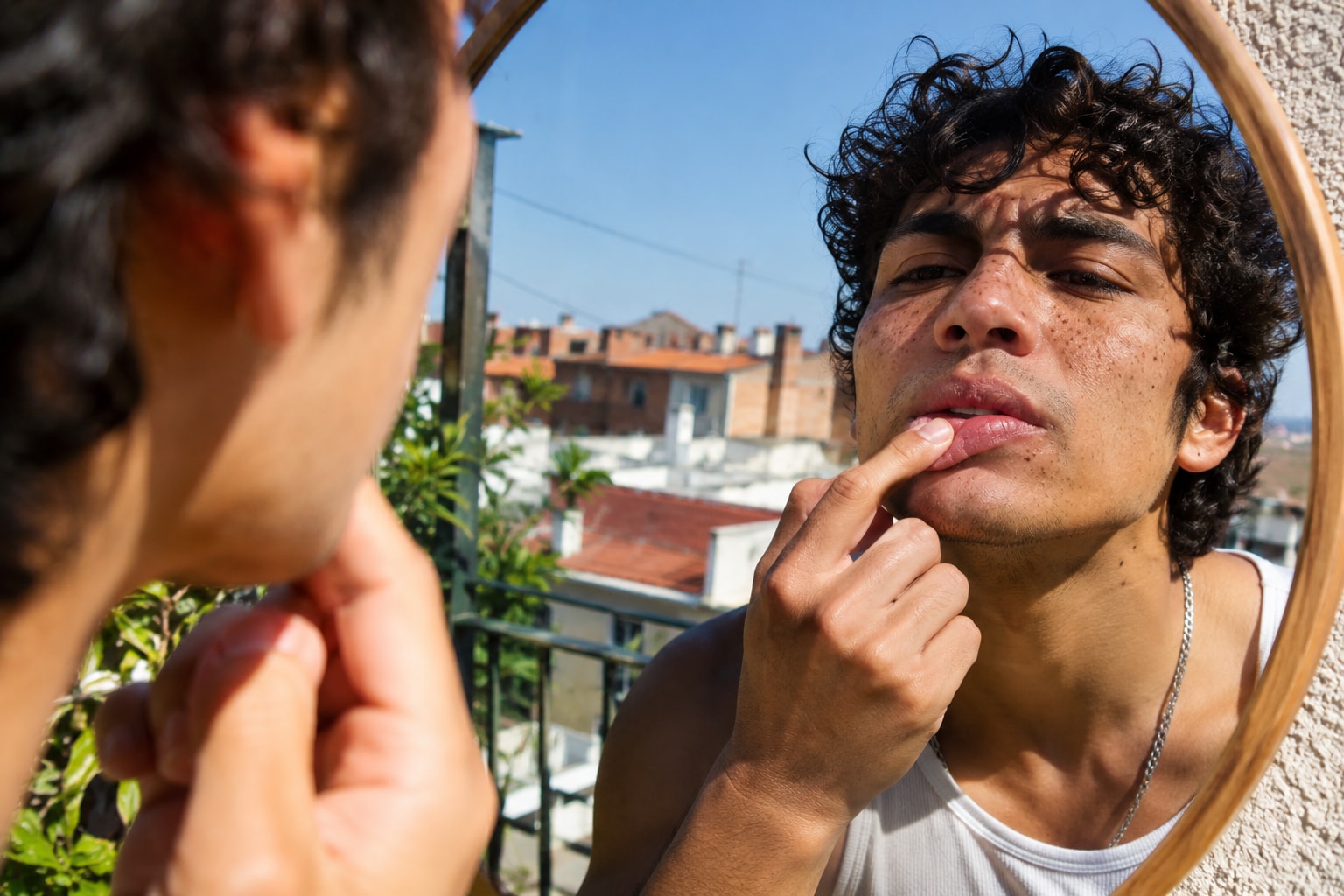
Run a controlled toothpaste test
Give the test two to three weeks. DermNet says contact reactions should settle within a few weeks after removing the cause. The American Academy of Dermatology gives a similar window for ordinary chapped lips to improve.
- Record the pattern: Note whether dryness starts before brushing, during it, or later. Take one clear photo in neutral light if visible scaling helps you compare.
- Keep everything else stable: Don't add a new lip scrub, balm, mouthwash, or acne treatment during the test.
- Change one toothpaste: Choose a fluoride toothpaste with a shorter ingredient list and a different flavor system. An unflavored or mild product can make the test clearer.
- Consider SLS-free: This is most useful if you also notice mouth peeling, soreness, or ulcers. It won't rule out flavoring or another ingredient.
- Keep paste off the outer lips: Use a smaller amount, brush carefully, then wipe the lip surface with water and a soft cloth.
- Protect the barrier: Apply a thin layer of plain, fragrance-free petrolatum after brushing and before bed.
Don't replace toothpaste with a fluoride-free powder or homemade paste. NHS guidance says adults should brush twice daily with fluoride toothpaste containing at least 1,350 ppm fluoride. Your local dentist may give different advice for your risk level.
The NHS also advises spitting after brushing without rinsing the mouth. Wiping residue from the outside of your lips is different from washing fluoride off your teeth.
If your lips improve, compare the old and new ingredient lists. A dentist or dermatologist can help narrow the trigger if you need more product choices.
Avoid the fixes that keep the cycle going
Don't scrub or peel the flakes. Picking slows healing, and repeated exfoliation adds another source of irritation.
Try not to lick your lips. The American Academy of Dermatology notes that saliva evaporation can leave them drier.
Skip balms that sting or tingle. Camphor, menthol, fragrance, and mint or cinnamon flavor can bother already chapped lips. Plain petrolatum gives you a cleaner test.
Don't change toothpaste, mouthwash, lip balm, and skincare on the same day. You may improve, but you won't know what caused it.
When toothpaste may not be the cause
Dry lips have many other triggers. The NHS lists cold weather, dry air, wind, sun, dehydration, injury, and allergies among common causes.
Look at the whole pattern. Dryness that lasts all day, starts before brushing, or follows outdoor exposure points away from toothpaste. A new lip product may also be responsible.
If your mouth, tongue, and throat also feel dry, tell a dentist or clinician. That broader pattern needs a different assessment than a reaction limited to your lips.
A photo can document peeling or swelling, but it cannot identify an allergen. Lighting also changes how red or textured lips look. Use photos only to compare progress under the same conditions.
When to get professional help
See a pharmacist, dentist, GP, or dermatologist if the problem doesn't improve after two to three weeks. Get advice sooner if your lips become hot, painful, or swollen, since the NHS flags those signs as possible infection.
Persistent scaling in one spot also deserves an examination. A clinician can check for eczema, infection, sun damage, or another form of cheilitis instead of assuming toothpaste is responsible.
FAQ
Is SLS always the reason toothpaste dries my lips?
No. SLS can irritate oral tissue in some people, but the evidence doesn't make it the default cause. Flavorings such as mint or cinnamon may be more relevant, and dry weather or lip products can mimic the same problem.
Should I switch to fluoride-free toothpaste?
Usually not. Keep fluoride protection and look for a fluoride toothpaste with fewer suspected triggers. A dentist can help if every suitable product causes symptoms.
Should I rinse after brushing if toothpaste irritates my lips?
Wipe or rinse the outside of your lips, but don't automatically rinse your whole mouth. NHS advice is to spit out excess toothpaste without rinsing, because rinsing reduces the fluoride left on your teeth.
How long should dry lips take to improve after changing toothpaste?
You should see a clear trend within two to three weeks if the trigger has been removed and you avoid other irritants. If not, stop guessing and arrange an assessment.